The Art of the Ridge Line: Harnessing Topography for Superior Camouflage
Camouflage hunting is a dance with the environment, a deliberate act of blending into the natural world to become virtually invisible to the quarry. While an understanding of color matching, disruptive patterns, and scent control are fundamental pillars of effective concealment, true mastery often lies in the nuanced application of a hunter’s greatest ally: the landscape itself. Among the most potent topographical features for a hunter to exploit are landscape ridges. These elevated landforms, whether grand mountain spines or subtle undulations in a rolling terrain, offer a strategic advantage that, when understood and utilized correctly, can elevate a hunter’s ability to stalk, observe, and ultimately, succeed. This article delves into the intricacies of mastering camouflage hunting through the effective use of landscape ridges, exploring how to select, utilize, and position oneself to exploit their inherent concealment and observation benefits.
Using landscape ridges for camouflage hunting can significantly enhance a hunter’s ability to remain undetected by both prey and potential threats. This technique leverages the natural contours of the terrain to provide cover and concealment, allowing hunters to blend seamlessly into their environment. For a deeper understanding of how strategic positioning can mitigate vulnerabilities, you may find the article on the vulnerability of lunar habitats to attack particularly insightful. It discusses the importance of using natural features for protection, which parallels the principles of using landscape ridges in hunting. You can read more about it here: Vulnerability of Lunar Habitats to Attack.
Ridge Lines as Natural Observatories and Concealment Zones
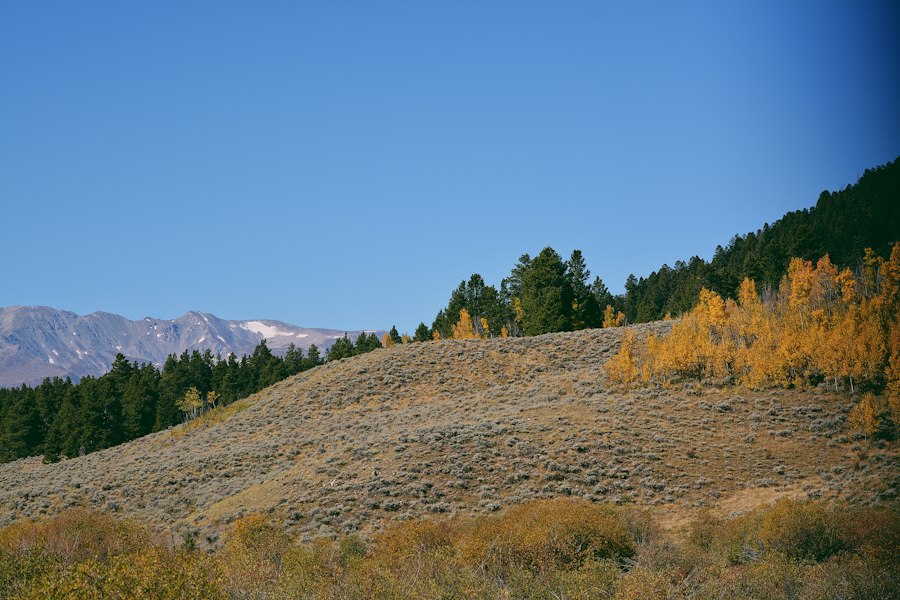
Landscape ridges are not merely elevated lines on a map; they are dynamic features that shape both the movement of game animals and the visibility of predators. Understanding their role as natural observatories and strategic concealment zones is the first step towards effective integration into a hunting strategy. Ridges inherently provide elevated vantage points. From a ridge crest, a hunter can scan vast expanses of terrain, observing game from a distance that minimizes the risk of detection. This elevated position also offers a superior view of animal trails, bedding areas, and feeding grounds, allowing for more informed decisions about approach routes and ambush points. Conversely, the slopes and contours of a ridge can provide significant concealment. The natural shadows cast by the terrain, the varied vegetation that typically grows on slopes, and the breaks in sightlines created by dips and curves all contribute to a hunter’s ability to remain unseen.
Strategic Placement on the Ridge Crest
The optimal position on a ridge crest is not always directly on the highest point. While the apex offers the widest field of vision, it can also be the most exposed. Hunters must learn to find the “sweet spot” – a location that balances panoramic observation with effective cover. This often means positioning oneself slightly below the immediate crest, utilizing natural depressions, dense brush, or rock outcroppings for added concealment. The goal is to see without being seen. Experimentation with different heights and angles is crucial. A hunter might find that a slightly offset position allows them to observe a game trail that wraps around a feature of the ridge, a detail that might be missed from the absolute highest point. Furthermore, the direction of travel of prevailing winds should heavily influence placement. Utilizing updrafts and downdrafts on slopes can help carry scent away from game or, conversely, direct it towards potential observation points without alerting the quarry.
Leveraging Ridge Slopes for Concealed Movement
The slopes of a ridge offer a wealth of opportunities for concealed movement. Instead of traversing the ridge crest directly, which can be exposed, a hunter can utilize the contours of the slope to break up their silhouette and move through natural cover. This involves understanding the “lines of sight” from potential game locations. A hunter might move along a contour line, staying hidden behind a thicket of trees or a rocky outcrop, allowing them to approach a vantage point or a game trail without being detected. The varied terrain of a slope also provides natural sound baffling. The rustling of leaves or the snapping of twigs can be masked by the ambient sounds of the wind or the natural echoes of the terrain, further enhancing concealment. Mastering this aspect requires a keen awareness of how light and shadow play on the landscape throughout the day and how different types of vegetation offer varying degrees of concealment.
Understanding Animal Behavior in Relation to Ridge Topography
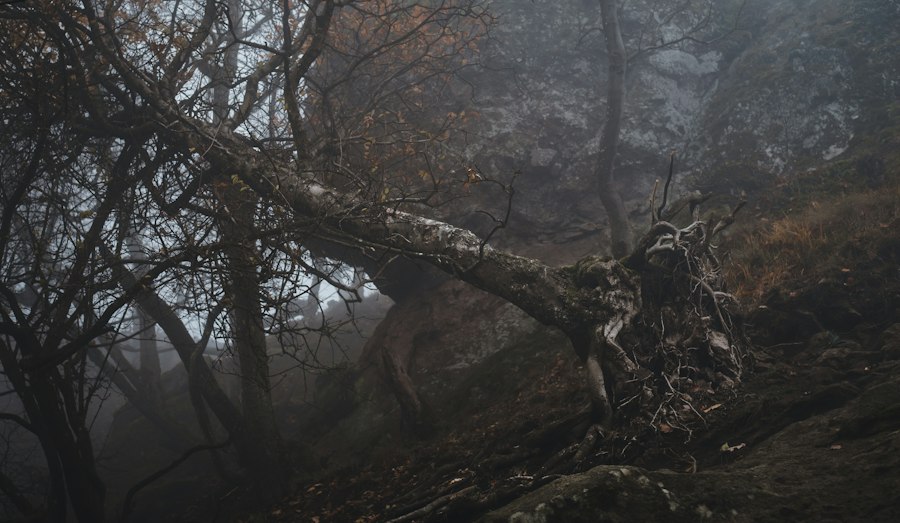
Game animals, much like human hunters, utilize the landscape to their advantage. Their behavior is intrinsically linked to the presence and configuration of ridges, and understanding these patterns is paramount for successful camouflage hunting. Animals often use ridges as travel corridors, offering both elevated observation points and relative safety from predators approaching from below. They may also favor bedding down on the leeward side of a ridge, seeking shelter from prevailing winds and a protected vantage point to observe their surroundings. Recognizing these tendencies allows a hunter to anticipate animal movement and position themselves accordingly, effectively mirroring the animal’s own strategic use of the terrain.
Travel Corridors and Ridge Trails
Ridges, particularly prominent ones, often serve as natural highways for game. Animals tend to follow the path of least resistance and greatest visibility, which frequently leads them along ridge lines. These established paths, often referred to as game trails, are invaluable indicators of animal movement. A hunter observing a ridge line from a concealed position can identify these trails and predict where game will be. The best strategy is often to position oneself overlooking a known trail that intersects or runs parallel to a ridge. This allows for a patient wait, utilizing the ridge’s concealment to remain undetected while the game comes to a predictable location. When moving, hunters should also consider using the ridge line as a guide, but always with an eye towards the slopes for concealment. Rather than walking directly on the trail, a hunter might move parallel to it on the slope, using the terrain to stay out of sight of animals using the primary corridor.
Bedding and Feeding Areas Adjacent to Ridges
The protection and vantage points offered by ridges make them ideal locations for bedding and feeding. Animals often bed down on the leeward side of a ridge, where they are sheltered from the wind and have a clear view of approaching threats. Similarly, feeding areas are frequently located on the gentle slopes leading down from a ridge, offering a combination of foraging opportunities and escape routes. A hunter aiming to intercept game in these areas must approach with extreme caution, always utilizing the ridge’s topography to their advantage. This means approaching from downwind and staying below the crest to avoid silhouetting against the skyline. Utilizing natural cover such as brush, rock outcroppings, or gullies is essential. The goal is to become part of the landscape, indistinguishable from the shadows and natural features of the ridge.
Mastering Wind and Scent Management on Ridge Systems
Effective wind and scent management are critical components of camouflage hunting, and ridge systems present unique challenges and opportunities in this regard. The elevated nature of ridges often leads to more complex wind patterns, with updrafts, downdrafts, and shifting breezes that can be both a blessing and a curse. Understanding these nuances and using them to your advantage is a key differentiator between an average hunter and a master of concealment. Ignoring wind direction on a ridge is a recipe for disaster, as even the slightest misjudgment can carry your scent directly to your quarry.
Exploiting Updrafts and Downdrafts
Ridges create natural updrafts and downdrafts as wind flows over and around them. During the day, the sun heats the south-facing slopes, creating updrafts that carry scent upwards. Conversely, as the sun sets and slopes cool, downdrafts can carry scent downwards. A hunter can use this knowledge to their advantage. If a game animal is likely to be below a ridge, a hunter positioned above and downwind might utilize a downdraft to carry their scent away from the animal. Conversely, if the hunter is attempting to approach an area where game is bedding on a slope, they might position themselves to take advantage of an updraft, allowing their scent to be carried up and over the animal, minimizing the chance of detection. Careful observation of vegetation movement and the use of a scent detection device are invaluable tools for understanding these complex wind currents.
Creating Scent Barriers with Terrain Features
Beyond simply managing their own scent, hunters can use the ridge’s topography to create natural scent barriers. Dense vegetation, particularly on the slopes, can trap and hold scent, preventing it from being carried further downwind. Moving through thick brush on the side of a ridge can act as a natural scent filter, breaking up the hunter’s scent trail. Additionally, water features such as small streams or seeps that often originate on ridges can help to dissipate and dilute scent. When approaching game, a hunter might strategically use these natural barriers, moving from one patch of dense cover to another, allowing the terrain to do some of the scent management work. This requires a thorough understanding of the local terrain and the ability to predict how scent will travel through different types of cover.
When it comes to enhancing your hunting strategy, utilizing landscape ridges for camouflage can significantly improve your chances of success. By blending into the natural terrain, hunters can remain undetected by their prey, allowing for a more stealthy approach. For those interested in exploring more about strategic positioning and its broader implications, you might find this article on economic impacts insightful, as it discusses how location can influence various outcomes. You can read more about it here.
Advanced Techniques: Using Ridges for Ambush and Stalking
| Metric | Description | Typical Value/Range | Impact on Camouflage Hunting |
|---|---|---|---|
| Ridge Height | Elevation difference between ridge crest and adjacent terrain | 1 to 5 meters | Higher ridges provide better concealment and vantage points |
| Vegetation Density | Amount of plant cover on the ridge | Low to High (0-100%) | Denser vegetation improves natural camouflage and reduces detection |
| Wind Direction | Prevailing wind relative to ridge orientation | Variable | Helps mask human scent when hunting downwind of game |
| Visibility Range | Distance hunter can see from ridge | 100 to 500 meters | Longer visibility aids in spotting game early |
| Game Movement Patterns | Frequency of animal trails crossing ridges | Low to High | Ridges with frequent game movement increase hunting success |
| Shadow and Light Contrast | Variation in light and shadow on ridge surface | Moderate to High | Helps break up hunter silhouette for better concealment |
Once the fundamental principles of using ridges for observation and concealment are understood, a hunter can move on to more advanced techniques, integrating their knowledge of topography, animal behavior, and scent management into sophisticated ambush and stalking strategies. This involves thinking proactively, anticipating the movement of game, and using the ridge line as a dynamic tool to control the engagement. The ridge becomes not just a place to hide, but a tactical advantage to be leveraged.
Setting Up Ambush Points Overlooking Ridge Trails
The most effective ambush points are often those that overlook natural game trails that traverse or run parallel to ridge lines. When setting up an ambush, consider the direction of travel of the game, the prevailing wind, and the available cover. A hunter might choose a position slightly above and downwind of a trail, utilizing dense brush or a rocky outcrop for concealment. The key is to have a clear line of sight to the trail and enough cover to remain unseen until the opportune moment. Patience is paramount in ambush hunting. It is better to wait for the perfect opportunity than to make a hasty move that alerts the game. Consider the time of day and the animal’s likely movement patterns. Early morning and late evening are often prime times for game to be moving along ridge trails.
Stalking Along Ridge Contours for Silent Approaches
Stalking along ridge contours offers a method of silent and concealed approach that minimizes the risk of detection. Instead of moving directly towards game, which can be highly exposed, a hunter can utilize the natural curves and dips of the ridge to stay out of sight. This involves moving from one patch of cover to another, staying low and slow, and constantly observing the game’s position and the surrounding environment. The goal is to use the terrain to break up your silhouette and mask your movement. This technique is particularly effective when approaching game that is bedding down or feeding on a slope. By moving along the contour, the hunter can remain hidden behind the natural topography, gradually closing the distance without alarming the quarry. This requires a high degree of stealth, precise footwork, and an intimate understanding of how the land appears from the perspective of the game. It is a subtle art, where the hunter becomes an extension of the landscape, moving with the same quiet grace as the wind through the trees.

Life 20,000 Years Ago: How Humans Survived the Ice Age
FAQs
1. How can landscape ridges be used for camouflage hunting?
Landscape ridges provide natural cover and elevation for hunters to blend in with their surroundings, making it easier to remain undetected by prey.
2. What are some benefits of using landscape ridges for camouflage hunting?
Using landscape ridges can offer improved visibility, better vantage points, and increased opportunities for successful hunting due to the strategic advantage they provide.
3. Are there specific techniques for utilizing landscape ridges in camouflage hunting?
Some techniques include positioning oneself against the ridge’s silhouette, using natural vegetation for additional cover, and moving slowly and quietly to avoid detection.
4. What types of animals can be hunted using landscape ridges for camouflage?
A variety of game animals can be hunted using landscape ridges for camouflage, including deer, elk, turkey, and other wildlife that frequent hilly or mountainous terrain.
5. Are there any safety considerations to keep in mind when using landscape ridges for camouflage hunting?
Hunters should always be aware of their surroundings, ensure proper identification of targets, and be cautious when navigating rugged terrain to prevent accidents or injuries while hunting with camouflage on landscape ridges.