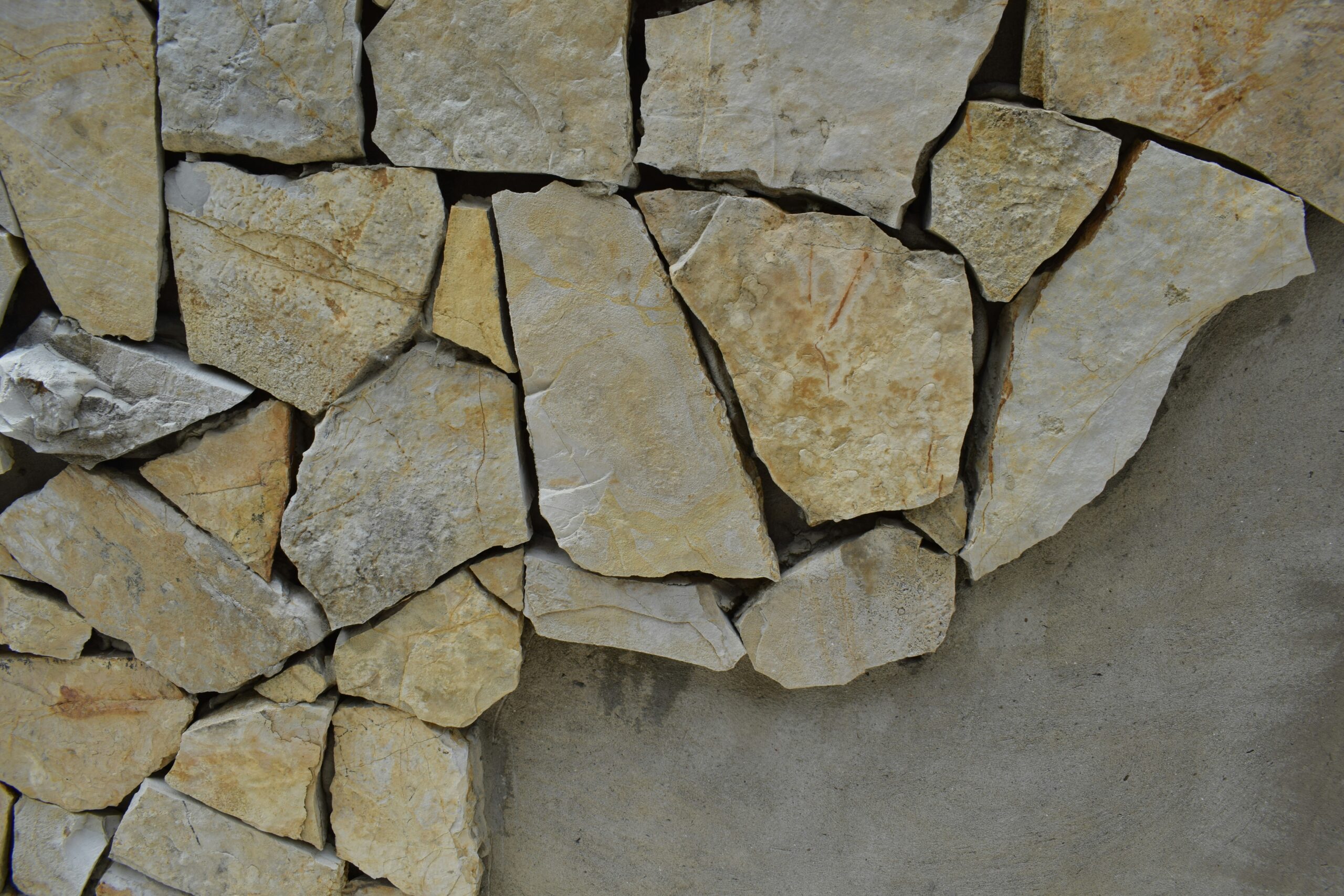
Polygonal stone fitting, a craft as ancient as the pyramids and as sophisticated as modern architecture, represents a pinnacle of stonemasonry skill. It involves the precise shaping and arrangement of irregularly shaped stones, or polygons, to fit together seamlessly, creating strong, aesthetically pleasing structures. Unlike the uniform courses of ashlar masonry, polygonal fitting embraces the inherent uniqueness of each stone, transforming chaos into ordered beauty. This technique demands not only a keen eye for form and a deep understanding of stone properties but also an intimate knowledge of mechanical principles. Mastering this art is a journey of patience, practice, and profound respect for the material.
Polygonal stone fitting is governed by a core set of principles that ensure both structural integrity and visual harmony. Understanding these foundational elements is the first step toward achieving mastery in this intricate craft. It’s about working with, rather than against, the natural shapes of the stones.
Understanding Geometric Interlocking
The essence of polygonal fitting lies in the concept of geometric interlocking. Each uniquely shaped stone must find its perfect mate within the overall structure. This isn’t simply about placing stones next to each other; it’s about creating a three-dimensional puzzle where every piece contributes to the stability and continuity of the whole. The irregular edges of the polygons are meticulously worked to create facets that abut and support adjacent stones, distributing loads effectively and preventing movement.
The Importance of Complementary Angles
Complementary angles are crucial in polygonal stonework. The angles of the facets on the edges of each stone must be designed to match or be in close proximity to the angles of the facets on the stones they are intended to connect with. This requires a deep spatial awareness and the ability to visualize how three-dimensional shapes will interact. A poorly matched angle can create a gap, weakening the joint and compromising the structural integrity of the wall.
Creating Tension and Compression Zones
Effective polygonal fitting harnesses the natural properties of stone, primarily its strength in compression. Mastery involves understanding how to arrange stones to create zones of compression that bear the load and transfer it efficiently to the foundation. Simultaneously, the interlocking nature of the polygons naturally creates tension within the wall, preventing outward leaning or collapse. This interplay between compression and tension is a testament to the inherent engineering brilliance of this ancient technique.
The Role of Stone Selection and Characterization
The selection of appropriate stone is as vital as the skill of the mason. Not all stones are equally suited for polygonal fitting, and understanding the inherent character of each chosen piece is paramount. The mason must become an expert in reading the stone’s grain, strength, and potential for fracturing.
Assessing Stone Durability and Weather Resistance
Different stone types exhibit varying degrees of durability and resistance to weathering. For external structures, selecting stones that can withstand moisture, freeze-thaw cycles, and erosion is critical. The mason needs to be aware of the stone’s porosity and its susceptibility to chemical weathering. A stone that might be suitable for an interior decorative wall could fail spectacularly when exposed to the elements.
Recognizing Natural Breakage Patterns (Cleavage)
Many stones possess natural cleavage planes, making them prone to breaking in predictable ways. Skilled masons leverage this knowledge, often using wedges and specialized tools to guide these breaks, thus shaping the stone efficiently for fitting. Understanding cleavage also helps in avoiding unexpected fractures that could render a stone unusable. It’s about working with the stone’s internal structure, not fighting it.
Understanding Load Bearing and Stress Distribution
The fundamental purpose of any stonework is to bear loads. In polygonal fitting, this requires a sophisticated understanding of how weight is distributed through the irregular joints. The mason is essentially building a load-bearing matrix where each stone plays a vital role.
The Concept of Keystone Effect in Irregular Forms
While the classic keystone is a feature of arched structures, the principle of the keystone – that of a central element locking others in place – can be observed in well-executed polygonal fitting. Larger, more irregular stones can act as ‘locking’ pieces, distributing stress from adjacent stones and contributing to the overall stability. This effect is achieved through meticulous shaping to ensure tight abutment.
Mitigating Point Loading Through Wide Contact Surfaces
Point loading, where pressure is concentrated on a small area, can lead to stone failure. Polygonal fitting, when done correctly, maximizes the contact surface area between stones. This spreads the load over a larger area, significantly reducing the stress on any single point. Achieving wide and even contact requires precise dressing of the stone faces.
Polygonal stone fitting is a fascinating architectural technique that showcases the ingenuity of ancient builders in creating structures without the use of mortar. This method not only highlights the precision of stone cutting but also emphasizes the durability and stability of the constructions. For those interested in exploring the broader implications of human innovation and its impact on society, a related article can be found at The Rise of Artificial Intelligence and Societal Collapse, which discusses how advancements in technology can shape our future in unexpected ways.
The Tools and Techniques of the Polygonal Mason
The mastery of polygonal fitting is intrinsically linked to the craftsman’s proficiency with a specific set of tools and techniques. These are not brute force instruments but rather extensions of the mason’s intent, allowing for the precise manipulation of stone.
The Essential Toolkit for Polygonal Shaping
The arsenal of a polygonal mason is distinct, favoring tools that allow for controlled reduction and shaping of stone rather than simple cutting. These tools are designed to work with the stone’s inherent properties.
Hammers and Mallets: The Primary Shaping Instruments
Various hammers and mallets – from the heavy sledge for initial roughing to lighter, specialized hammers for fine detailing – are essential. They are used to strike chisels and points, driving them into the stone to remove material. The mason’s control over the angle and force of the strike is critical in guiding the stone’s shape.
Chisels and Points: For Precision Cutting and Dressing
A range of chisels, including point chisels for initial breaking, pitching tools for creating sharp edges, and flat chisels for dressing surfaces, are indispensable. Points are used to chip away small pieces of stone, gradually refining the shape. The goal is to create facets that will meet their counterparts with absolute precision.
Scrapers and Rubbing Stones: For Fine-Tuning and Smoothing
Once the basic shape is achieved, scrapers and rubbing stones are employed for the final stages of refinement. Scrapers can shave off thin layers of material to achieve a perfect fit, while rubbing stones can be used to smooth surfaces and ensure maximum contact.
Polygonal stone fitting, an ancient technique used in construction, showcases the remarkable skill of artisans who crafted structures without the use of mortar. This method not only highlights the ingenuity of historical builders but also raises questions about labor practices in modern construction. For a deeper understanding of how labor requirements can impact various industries, you can explore a related article that discusses the implications of the USMCA wage requirement. This article can be found here. Understanding these connections can provide valuable insights into the evolution of construction practices over time.
The Art of Stone Dressing and Faceting
Stone dressing is the process of shaping and refining the stone’s surfaces to ensure precise fitting. This is where the ‘art’ truly comes alive, as the mason transforms raw blocks into perfectly interlocked components.
Roughing Out: The Initial Shaping Process
The initial stage involves ‘roughing out’ the stone, removing large, unnecessary portions to approximate the desired shape. This is often done with heavier tools like pointed chisels and hammers, guided by visual estimation and a feel for the stone.
Pitching and Edging: Creating Defined Lines
Pitching is a technique used to create sharp, defined edges and straight lines on the stone. This involves striking a chisel along the intended edge, driving spalls (small chips of stone) away and creating a clean break. This precision is critical for creating joints that will be tight and visually appealing.
Face Dressing: Achieving Complementary Surfaces
Face dressing refers to the careful working of the stone’s faces that will be in contact with other stones. This requires creating flat or specifically angled surfaces that will abut snugly against neighboring stones. The goal is to eliminate any convex or concave irregularities that would create gaps.
Mock Fitting and Dry Laying: The Trial and Error of Perfection
Before permanent assembly, most polygonal masonry involves a crucial ‘dry lay’ or mock-fitting stage. This is where the stones are assembled without mortar to test the fit and make necessary adjustments.
The Importance of Layout and Sequencing
A well-planned layout is paramount. The mason must visualize the entire wall or structure and determine the optimal placement and sequence for each stone. This often involves numbering or marking stones to ensure they are returned to their correct positions.
Adjusting and Refitting: The Iterative Process of Perfection
The dry lay is an iterative process. Stones are placed, gaps are identified, and adjustments are made by further dressing or re-shaping. This trial-and-error approach ensures that when the mortar is applied, the fit is as perfect as possible, minimizing voids and maximizing structural integrity. This stage can be surprisingly time-consuming but is absolutely essential for a successful final product.
Structural Integrity Through Precision Fitting

Beyond aesthetics, the true brilliance of polygonal stone fitting lies in its inherent structural strength. When executed with mastery, these walls are incredibly resilient and enduring, often outlasting many more modern construction methods.
The Mechanical Advantages of Interlocking Shapes
The irregular, multi-faceted nature of polygonal stones creates a robust interlocking system that is far more than the sum of its parts. This mechanical advantage is central to the durability of polygonal structures.
Friction and Interlocks as Load Distributors
The tight joints and numerous contact points between polygonal stones create significant frictional forces. These forces help to resist lateral movement and distribute applied loads (like wind or seismic forces) across a wider area of the wall, effectively reducing the stress on individual stones. The ‘keying’ effect of irregular shapes further enhances this load distribution.
Preventing Independent Movement of Stones
Unlike stones in some other masonry styles, polygonal stones are less prone to independent movement. Each stone is held in place by the pressure and interlocking of its neighbors, creating a cohesive unit that acts as a single, massive entity. This inherent stability makes polygonal walls exceptionally resistant to shifting or collapse.
The Role of Mortar in Polygonal Construction
While the fitting of the stones is paramount, mortar still plays a critical role in the long-term performance of polygonal walls. Its function is not to compensate for poor fitting but to enhance the existing structural integrity.
Filling Small Voids and Enhancing Friction
The primary role of mortar in polygonal work is to fill the minuscule voids that may exist even in the most precisely fitted joints. This ensures complete contact between stones, maximizing frictional resistance and preventing water ingress.
Providing a Cushioning Effect and Allowing for Minor Movement
Mortar can also act as a slight cushion, allowing for very minor thermal expansion and contraction of the stones without inducing excessive stress. It also helps to bind the stones together, contributing to the overall cohesiveness of the wall.
Designing for Stability: Foundations and Apexes
The stability of a polygonal stone structure begins from the ground up and extends to the uppermost elements. Careful consideration of the foundation and the apex is crucial for long-term durability.
The Importance of a Solid Foundation
A robust and well-engineered foundation is non-negotiable for any polygonal stone structure. The immense weight of these structures, combined with the interlocking forces, requires a foundation that can bear the load and resist settlement. The foundation essentially anchors the entire interlocking system.
Secure Apexes and Capping Stones
The top of a polygonal wall, often finished with capping stones or a coping, requires particular attention to ensure it sheds water effectively and prevents ingress into the wall structure. Securely fitted apex stones are essential for preventing erosion and frost damage from within.
Aesthetic Harmony and Artistic Expression
While structural integrity is paramount, polygonal stone fitting is also a deeply artistic endeavor. The inherent beauty of the stone, combined with the mason’s skill in arranging it, creates visually stunning and timeless structures.
The Natural Beauty of Irregular Forms
The organic and unpredictable nature of polygonal stones lends itself to a uniquely natural beauty. Each stone’s unique shape, color, and texture contribute to a rich visual tapestry that can be far more engaging than uniformly cut stonework.
Embracing Imperfection as a Design Element
Polygonal fitting celebrates the inherent imperfections of natural materials. Instead of striving for manufactured uniformity, the mason works with the nuances of each stone, allowing its individual character to shine through in the final composition. This acceptance of natural variation creates a sense of authenticity and timelessness.
The Play of Light and Shadow on Textured Surfaces
The varied angles and irregular surfaces of polygonal stone create a dynamic interplay of light and shadow. This adds depth and visual interest to the structure, making it a captivating feature in any landscape. The texture of the stone itself becomes a significant design element.
Achieving Visual Cohesion in Complex Designs
Creating a visually cohesive wall from such diverse elements is a testament to the mason’s artistic vision. It

The Walls That Shouldn’t Still Be Standing
FAQs
What is polygonal stone fitting?
Polygonal stone fitting is a construction technique where irregularly shaped stones are carefully selected and fitted together to form a wall or structure without the use of mortar.
Where is polygonal stone fitting commonly used?
Polygonal stone fitting is commonly used in historical and ancient architecture, particularly in regions with abundant natural stone resources such as Greece, Italy, and Peru.
What are the advantages of polygonal stone fitting?
The advantages of polygonal stone fitting include the durability and strength of the resulting structure, as well as the aesthetic appeal of the irregularly shaped stones.
How is polygonal stone fitting different from other construction techniques?
Unlike traditional masonry techniques that rely on mortar to hold stones together, polygonal stone fitting relies on the precise selection and placement of stones to create a stable and cohesive structure.
What are some famous examples of polygonal stone fitting in architecture?
Famous examples of polygonal stone fitting in architecture include the walls of the ancient city of Cusco in Peru, the Mycenaean walls in Greece, and the Inca walls in Machu Picchu.