
The windswept plains surrounding Oued Beht, a tributary of the Sebou River in northern Morocco, whisper tales of centuries past. For archaeologists and historians, these whispers are invaluable, offering glimpses into the ebb and flow of human activity across a landscape shaped by conquest, trade, and cultural exchange. Oued Beht, a seemingly unassuming river valley, has emerged as a crucial site for understanding the intricate phenomenon of medieval reuse, where the remnants of earlier civilizations were not merely abandoned but actively re-purposed, adapted, and integrated into new societal structures. This process of transformation, often overlooked in favour of grand new constructions, reveals a more nuanced picture of medieval life, one characterized by resourcefulness, continuity, and the selective appropriation of the past. The ongoing investigations at Oued Beht are steadily unearthing the layers of this historical palimpsest, shedding light on how earlier Roman and pre-Roman infrastructure and settlements were re-imagined and utilized by successive Islamic dynasties.
Echoes of Antiquity: Traces of Earlier Occupations
The story of medieval reuse at Oued Beht is intrinsically linked to the presence of prior human settlements. Long before the advent of Islam in North Africa, the region was a vibrant hub of activity, marked by the enduring legacy of Roman presence and even earlier indigenous populations. These ancient imprints on the landscape provided a foundational material for subsequent generations, offering both physical structures and established patterns of land use.
The Roman Foundation: Infrastructure and Settlement Patterns
The Roman Empire’s reach extended deep into what is now Morocco, establishing a network of roads, agricultural settlements, and administrative centers. At Oued Beht, evidence of this Roman presence manifests in several key ways. The most prominent are the remnants of Roman roads, which, even in their degraded state, often dictated the pathways and settlement locations of later inhabitants. These arterial routes, designed for military and trade purposes, facilitated movement and connectivity, making the Oued Beht region a logical area for continued habitation.
Furthermore, archaeological surveys have identified traces of Roman agricultural estates, including villae and associated farming infrastructure. These sites suggest a well-established agricultural economy, exploiting the fertile lands of the river valley. The presence of olive presses, irrigation channels, and even mosaic fragments speaks to a sophisticated level of land management and a settled lifestyle. While the exact scale and longevity of these Roman settlements are subjects of ongoing research, their existence undeniably laid the groundwork for future occupations. The choice of location for later medieval structures often followed the established patterns of Roman settlement, benefiting from pre-existing cleared land, proximity to water sources that were likely part of ancient systems, and the foundational road network.
Pre-Roman Imprints: Subterranean and Surface Remnants
Beyond the more visible Roman structures, the Oued Beht region also bears the marks of pre-Roman occupation. While less extensively documented, the discovery of certain megalithic structures, pottery shards, and burial sites suggests a long and continuous human presence stretching back to prehistory. These earlier imprints, often less substantial than Roman constructions, might have been less directly reused as standing structures but still influenced settlement patterns through their geographical placement and possibly through local knowledge and traditions associated with these ancient sites. The understanding of these earlier layers is crucial, as it highlights a deep historical continuity in the human use of this particular landscape, a continuity that would be further built upon in the medieval period. The strategic importance of the Oued Beht valley, its access to water, and its defensible positions were likely recognized and utilized by its earliest inhabitants, setting a precedent for its appeal to later peoples.
The study of medieval reuse in the Oued Beht region offers fascinating insights into historical architectural practices and resource management. This topic can be further contextualized by examining the broader implications of environmental changes on historical sites, as highlighted in the article about Antarctica’s melting ice caps and their potential impact on global sea levels. For more information, you can read the article here: Antarctica’s Melting Ice Caps Threatening Sea Level Rise.
The Islamic Transformation: Reimagining Ancient Spaces
With the arrival of Islam in the 7th century and its subsequent expansion across North Africa, the landscape of Oued Beht began a new chapter of transformation. The new rulers and settlers, while bringing their own architectural styles and cultural practices, did not arrive in a vacuum. Instead, they often found themselves working with the existing material culture and spatial arrangements left by their predecessors. The concept of reuse at Oued Beht was not simply about salvaging building materials; it was a multifaceted process that involved adapting Roman structures for new purposes, integrating them into the burgeoning Islamic settlements, and even reinterpreting their symbolic significance.
Repurposing Roman Structures: Fortifications and Dwellings
One of the most striking aspects of medieval reuse at Oued Beht is the repurposing of Roman fortifications and settlements. Roman forts, built for military control and defense, were often strategically located and possessed robust construction. As these forts fell into disuse or were partially damaged, their stone walls and foundations provided readily available building materials and defensible locations for medieval garrisons and settlements. Archaeologists have observed instances where medieval walls were built directly atop or incorporating sections of Roman ramparts, effectively extending their defensive capabilities.
Similarly, Roman rural villas and farmsteads, with their sturdy walls and courtyards, offered ready-made foundations for medieval dwellings. Instead of clearing the land and starting anew, medieval inhabitants could adapt these existing structures, rebuilding roofs, adding new internal divisions, and modifying entrances. This pragmatic approach saved considerable time and resources, allowing for more rapid establishment of new settlements and fortifications. The locations of these reused structures often reflect a continuity of strategic importance, with medieval settlements frequently appearing in the vicinity of Roman military outposts or along the same defensive ridges. This demonstrates a clear understanding and utilization of the pre-existing defensive advantages offered by the Roman-era landscape.
The Emergence of New Islamic Settlements: Beyond Simple Salvage
The process of reuse at Oued Beht was not merely about the direct repurposing of individual Roman structures. It also involved the integration of these older elements into the fabric of new Islamic settlements. Medieval towns and villages began to emerge, often in close proximity to, or even overlaying, Roman sites. These new settlements were characterized by distinct Islamic architectural styles, including mosques, hammams (bathhouses), and residential compounds with internal courtyards.
However, the construction of these new Islamic edifices often drew upon the readily available resources of the Roman past. The quarrying of stone from abandoned Roman buildings and quarries for the construction of new mosques and houses was a common practice. This can be observed in the architectural styles, where certain types of stonework or reused architectural fragments from Roman periods can be identified within medieval constructions. The planning of these settlements also sometimes reflected the underlying Roman infrastructure. For instance, new roads might have been laid out following the alignments of ancient Roman routes, or new market areas established near former Roman administrative centers. This indicates that the reuse was not merely opportunistic but a thoughtful integration of the past into the present, recognizing the established advantages of particular locations and the availability of building materials.
Archaeological Investigations: Unearthing the Layers of Reuse
The confirmation and detailed understanding of medieval reuse at Oued Beht are largely the product of systematic archaeological investigations. Through meticulous excavation, survey, and analysis, researchers are piecing together the complex history of human occupation and transformation in the region. These scientific endeavors have moved beyond simple surface surveys to employ advanced techniques that allow for the examination of subtle changes in stratigraphy, material culture, and construction methods.
Excavation Strategies: Revealing Stratigraphic Evidence
Excavation at Oued Beht has been crucial in revealing the stratigraphic evidence that underpins the understanding of reuse. Archaeologists employ careful digging techniques to expose the different layers of human activity, with each layer representing a distinct period of occupation or abandonment. In areas where reuse has occurred, these layers often show clear interfaces. For example, a layer of Roman-era pottery and building debris might be found directly beneath a layer of medieval-era occupation, with evidence of new construction built upon, or incorporating, the older remains.
The careful recording of the position and context of artifacts and architectural features is paramount. This allows archaeologists to establish the chronological sequence of events and to identify instances where Roman walls were incorporated into medieval structures, or where Roman foundations were leveled and new buildings erected. The presence of different types of mortar, building techniques, and the styles of pottery found in distinct strata provide invaluable clues for dating and distinguishing between different historical periods. The discovery of intact Roman foundations with medieval structures built directly upon them, or clearly utilizing sections of the Roman walls, is a common and compelling form of evidence uncovered through these excavations.
Material Culture Analysis: Pottery, Tools, and Architectural Fragments
The analysis of material culture provides a rich tapestry of evidence for understanding medieval reuse. Pottery, in particular, is a vital diagnostic tool, as different periods and cultures produced distinct styles of ceramics. By comparing the types of pottery found in different stratigraphic layers, archaeologists can establish timelines and identify when Roman-era pottery is found alongside or beneath medieval-era wares. The presence of Roman pottery shards within the mortar of medieval walls, for instance, is a direct indicator of reuse.
Beyond pottery, the analysis of other artifacts, such as tools, coins, and building materials, also contributes to the understanding of reuse. The discovery of Roman-era tools alongside medieval artifacts in a repurposed structure, or the identification of Roman-era building stones in medieval construction, are clear indications of material recycling. Furthermore, the study of architectural fragments, such as column bases, lintels, or decorative elements, can reveal instances where these were salvaged from older Roman buildings and incorporated into new medieval structures, sometimes as decorative features or as functional building components. This detailed material analysis allows for a granular understanding of how the past was physically integrated into the present.
Geophysical Surveys: Mapping Subterranean Features
Complementary to excavation, geophysical surveys play an increasingly important role in mapping subterranean features without the need for extensive digging. Techniques such as ground-penetrating radar (GPR), magnetometry, and electrical resistivity can detect anomalies in the subsurface, revealing the presence of buried walls, foundations, ditches, and even former roads. At Oued Beht, these non-destructive methods have been instrumental in identifying the extent of Roman settlements and infrastructure that might not be visible on the surface, or that lie beneath later medieval occupations.
These surveys can help to delineate the footprint of Roman fortifications, agricultural complexes, and road networks, providing a broader context for the excavation work. They can also identify areas where medieval construction has directly reused or built over these ancient features, thereby guiding targeted excavation efforts and confirming suspicions of reuse. The ability to map the subsurface layout of both Roman and medieval periods allows archaeologists to understand the spatial relationships between different phases of occupation and to better interpret the evidence of reuse, highlighting how the medieval inhabitants interacted with and adapted the buried landscape of their predecessors.
Challenges and Interpretations: Navigating the Complexity of Reuse
The study of medieval reuse at Oued Beht is not without its challenges. The passage of time, environmental factors, and the very nature of reuse can obscure clear distinctions and present complex interpretive dilemmas for archaeologists. Understanding the motivations behind reuse, the extent of cultural assimilation, and the long-term consequences of these historical transformations requires careful consideration and nuanced analysis.
Distinguishing Between Reuse and Construction De Novo
A primary challenge in the study of reuse is accurately distinguishing between structures that were deliberately repurposed and those that were built entirely from scratch. Sometimes, medieval builders might have used stone from abandoned Roman sites as a source of raw material but constructed entirely new buildings with different designs and layouts. In other cases, a wall might appear to be reused, but it could be a later reconstruction that merely mimics the original construction style.
Archaeologists rely on a combination of evidence to make these distinctions: the presence of Roman architectural elements within medieval construction, the direct incorporation of Roman walls into new structures, and the stratigraphic relationship between Roman and medieval layers. Differences in construction techniques, mortar composition, and the stylistic features of artifacts found in association with the structures are also crucial. However, there can be ambiguous cases where the evidence is not entirely conclusive, requiring careful interpretation and consideration of multiple lines of evidence. The careful documentation of these subtle differences in construction and material is essential to avoid misinterpretations.
The Motivations Behind Reuse: Pragmatism and Continuity
The motivations behind medieval reuse at Oued Beht appear to be multifaceted, driven by both practical considerations and a desire for continuity. Pragmatism is undoubtedly a significant factor. Building on existing foundations or utilizing salvaged materials would have been significantly more efficient and cost-effective than constructing entirely new structures from virgin resources. This was particularly important in periods of rapid expansion or settlement.
However, reuse also suggests a degree of continuity and perhaps even a reverence for the past. By incorporating elements of Roman infrastructure and architecture, medieval inhabitants were not simply erasing their predecessors but actively engaging with them. This could reflect a recognition of the strategic advantages offered by existing sites, the enduring value of well-built structures, or even a desire to establish legitimacy by associating themselves with the established order of the Roman Empire. The reuse might have also been influenced by existing local knowledge about the best places to build, cultivate, or defend, knowledge passed down through generations and tied to the ancient landscape.
The Social and Cultural Implications of Appropriation
The appropriation of Roman spaces by medieval Islamic populations carried significant social and cultural implications. It represents a process of cultural negotiation and adaptation, where new societies built upon the physical legacy of their predecessors. This reuse was not necessarily a passive act but a deliberate assertion of presence and a redefinition of the landscape.
The act of repurposing Roman fortifications, for example, could have symbolized a subversion of their original purpose – from Roman control to Islamic governance. Similarly, the integration of Roman building materials into mosques and homes could have represented a blending of identities, where the new faith and culture found expression through the physical remnants of the old. This process highlights the dynamic nature of history, where the past is not a static entity but is constantly reinterpreted and re-appropriated by succeeding generations, shaping the present and influencing the future. The appropriation was a tangible act of settlement and dominance, a demonstration that the land, and its history, was now being shaped by new hands and new aspirations.
The study of Oued Beht’s medieval reuse practices offers fascinating insights into how historical societies repurposed materials and structures for new functions. This concept of adaptation is not limited to ancient times; it can also be seen in modern contexts, such as the evolution of the American factory worker. For a deeper understanding of how labor and industry have transformed over time, you can explore this related article on the topic. Check it out here.
The Oued Beht Legacy: A Window into Historical Dynamics
| Metric | Value | Description |
|---|---|---|
| Site Location | Oued Beht Valley, Morocco | Geographical area where medieval reuse was studied |
| Period of Reuse | 12th – 15th Century | Timeframe during which medieval materials were reused |
| Types of Materials Reused | Stone blocks, ceramics, timber | Common materials identified in reuse practices |
| Percentage of Reused Materials | 35% | Proportion of reused materials found in archaeological layers |
| Primary Source Structures | Roman and Early Islamic ruins | Original structures from which materials were sourced |
| Function of Reused Materials | Building foundations, walls, and fortifications | Common uses of reused materials in medieval constructions |
| Archaeological Excavations | 5 major digs (2000-2020) | Number and period of excavations conducted at the site |
| Significance | High | Importance of reuse for understanding medieval resource management |
The findings at Oued Beht offer a profound insight into the broader historical dynamics of the medieval period, extending far beyond the confines of this specific river valley. The phenomenon of reuse, as evidenced by the ongoing archaeological work, provides a valuable lens through which to understand how societies evolve, adapt, and interact with their material heritage. It challenges simplistic narratives of conquest and displacement, revealing a more complex process of integration and transformation.
Understanding the Dynamics of Cultural Transition
The case of Oued Beht is a powerful illustration of how cultural transitions are not always characterized by a complete break with the past. Instead, they often involve a complex interplay of continuity and change, where new societies build upon the foundations laid by their predecessors. The reuse of Roman infrastructure by medieval Islamic populations demonstrates a pragmatic approach to resource management, but it also speaks to a deeper engagement with the historical landscape. This engagement allowed for a more organic and perhaps less disruptive transition, where the established patterns of settlement and land use were selectively adapted rather than entirely discarded.
By meticulously studying the layers of occupation and the material culture at Oued Beht, archaeologists are gaining a more nuanced understanding of the social, economic, and political forces that shaped these transitions. It reveals how the past was not simply a relic to be ignored but a tangible resource that could be harnessed and re-imagined to serve new purposes. This perspective is crucial for understanding the long-term development of regions and the complex evolution of cultural identities.
The Importance of Material Heritage in Shaping Identity
The material heritage of a region plays a crucial role in shaping the identity of its inhabitants. At Oued Beht, the act of reusing Roman structures and materials by medieval settlers had a tangible impact on their sense of place and belonging. By incorporating the physical remnants of a previous civilization into their own settlements, the medieval inhabitants were, in a sense, weaving themselves into the fabric of the land’s history.
This act of appropriation and adaptation can be seen as a way of asserting their own presence and legitimacy within a new socio-political order. The reuse of Roman stones in a mosque, for example, could have symbolized a fusion of old and new, a testament to the enduring power of the land and the ability of new cultures to adapt and thrive within it. The ongoing archaeological work at Oued Beht continues to uncover the intricate ways in which this material heritage was utilized, not just for practical purposes, but as a means of constructing and reinforcing identity in a rapidly changing world. The landscape itself, marked by these layers of human endeavor, became a powerful symbol of continuity and transformation, a testament to the enduring human capacity to build upon what came before.
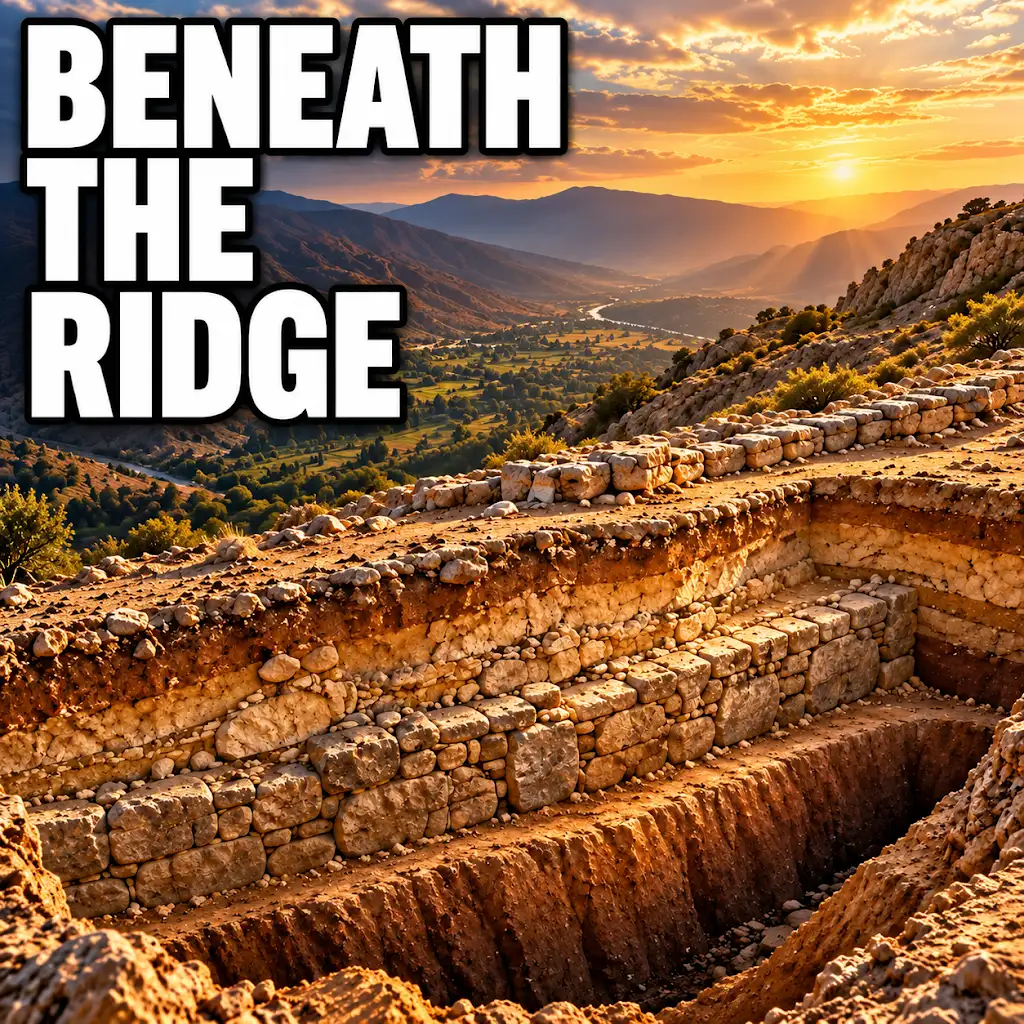
They Found a 4,000-Year-Old Defense Line in Morocco
FAQs
What is Oued Beht?
Oued Beht is a medieval archaeological site located in Morocco.
What evidence suggests that Oued Beht was reused in medieval times?
Archaeological findings such as pottery shards, architectural remnants, and historical records indicate that Oued Beht was repurposed during the medieval period.
Who were the people responsible for the medieval reuse of Oued Beht?
The medieval reuse of Oued Beht is believed to have been carried out by Berber tribes and possibly other groups in the region.
What was the significance of Oued Beht during medieval times?
Oued Beht served as a strategic location for trade, defense, and possibly religious activities during the medieval period.
How does the medieval reuse of Oued Beht contribute to our understanding of the region’s history?
Studying the medieval reuse of Oued Beht provides valuable insights into the cultural, social, and economic dynamics of the area during that time period.