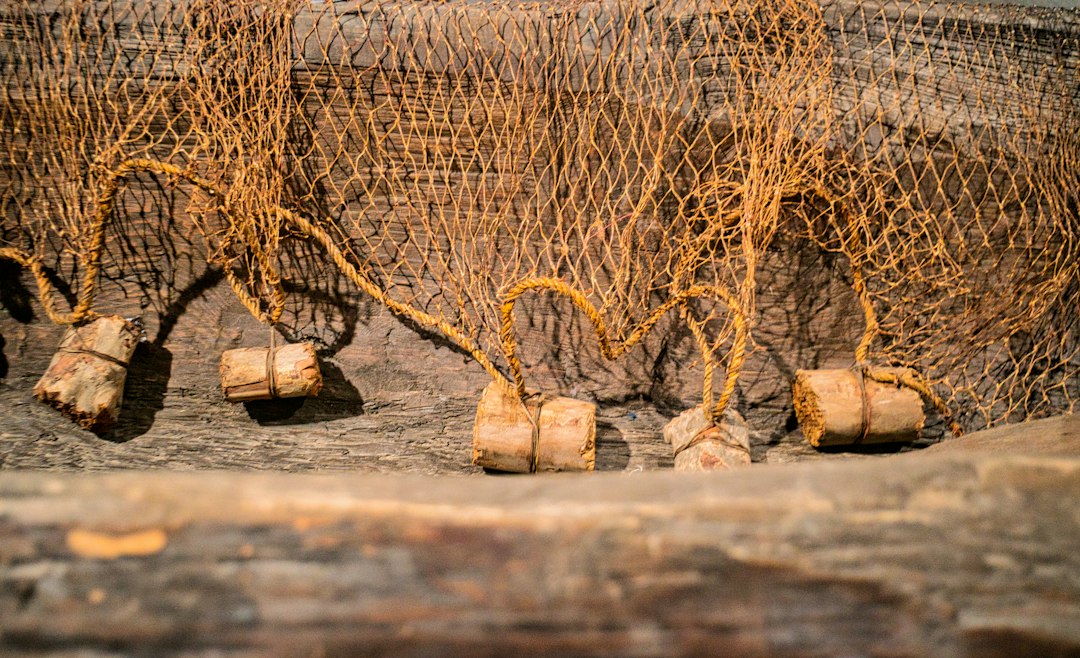
Unearthing the Past: The Significance of Mesolithic Fish Traps
The meticulous excavation of ancient fish trap remains has cast a fascinating light on the ingenuity and resourcefulness of Mesolithic communities. These discoveries, often found preserved in waterlogged environments where organic materials can endure for millennia, offer direct evidence of sophisticated fishing strategies employed by our distant ancestors. Far from being simple haphazard constructions, these traps reveal a deep understanding of aquatic ecosystems, animal behavior, and an impressive ability to harness natural resources for sustenance. The implications of these findings extend beyond the practicalities of ancient food procurement, providing valuable insights into social organization, technological development, and the human relationship with the environment during a pivotal period in prehistory.
Recent discoveries of Mesolithic fish trap remains have shed light on the sophisticated fishing techniques employed by prehistoric communities. These findings highlight the importance of aquatic resources in the diet and economy of early humans. For a broader understanding of how historical events shape resource management and societal structures, you may find it interesting to read about the impact of Executive Order 6102 on gold confiscation in the United States. This article provides insights into how government actions can influence resource accessibility and ownership. You can read it here: The Impact of Executive Order 6102: Gold Confiscation.
The Archaeology of Ingenuity: Discovering the Traps
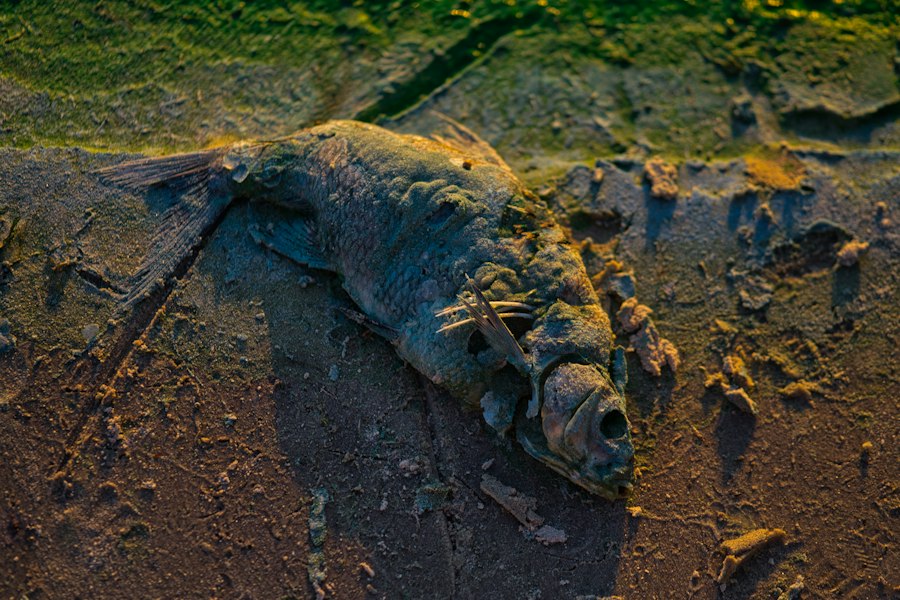
The identification and excavation of Mesolithic fish traps are a testament to the persistence and careful observation of archaeologists. These structures, often subtle and easily overlooked, require specialized techniques and interdisciplinary collaboration to fully appreciate.
Locating the Underwater Relics
The discovery of Mesolithic fish traps often begins with chance finds, such as during dredging operations, land reclamation projects, or even through the erosion of shorelines. However, systematic archaeological surveys employing geophysical methods like sonar and magnetometry in coastal and riverine environments can also pinpoint potential submerged features. Once a promising anomaly is identified, targeted underwater excavation using techniques adapted for submerged sites becomes crucial. Divers carefully document the context, size, and construction of the features before any material is recovered. The waterlogged conditions, while challenging for excavation, are often the very reason for the remarkable preservation of these organic structures.
Material Evidence and Preservation
The materials used in the construction of Mesolithic fish traps are as varied as the environments in which they were built. Wood, in the form of sharpened stakes, woven branches, and even entire logs, forms the primary building material in many instances. Reeds, rushes, and other fibrous plants were frequently employed for weaving matting and nets that would have formed the impounding walls or guiding funnels of the traps. In some cases, stones were used to anchor wooden components or to form part of the trap’s structure. The anaerobic conditions found in peat bogs, ancient lakebeds, and submerged river channels are exceptional at preserving these organic materials. This preservation allows archaeologists to study not only the overall form of the traps but also the specific types of wood, plant fibers, and even tool marks left by their creators, providing direct evidence of their craftsmanship.
Deciphering the Design: How the Traps Worked
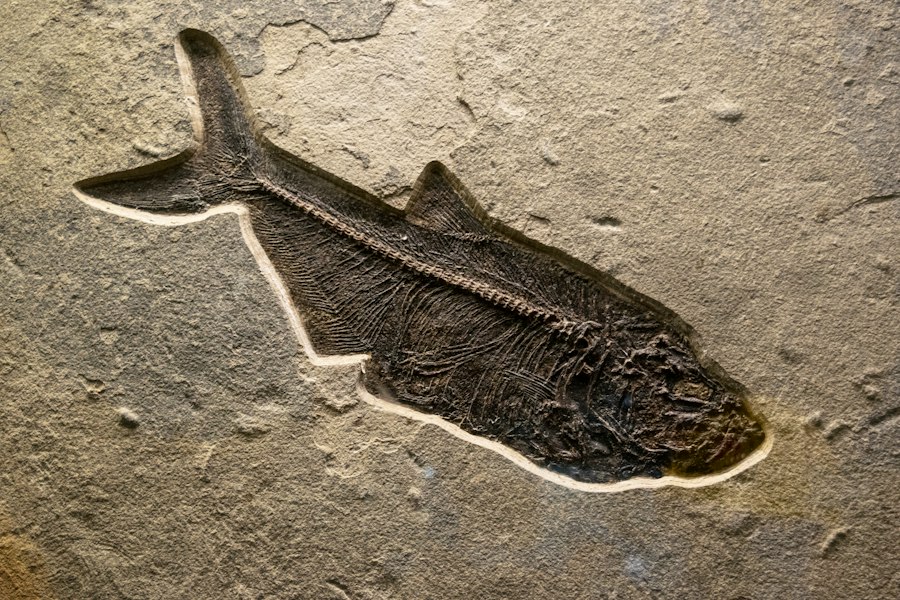
The intricate design and construction of Mesolithic fish traps speak volumes about the practical knowledge of their makers. These were not static structures but carefully engineered devices designed to exploit the natural movements of fish.
Understanding the Mechanics of Capture
Mesolithic fish traps typically fall into two main categories: pound nets and funnel traps, although variations and combinations of these designs are also found. Pound nets, often large, circular or D-shaped enclosures constructed from stakes and woven material, were strategically placed in areas where fish congregated, such as shallow bays, river mouths, or tidal channels. The idea was to guide fish into the enclosed area, and as the tide receded or the water level dropped, the fish would be stranded within the trap. Funnel traps, on the other hand, relied on a more active principle. These were often constructed with converging walls, creating a narrowing passage that led to a confined chamber. Fish, moving with currents or seeking to navigate through the waterway, would be directed into the funnel and find it difficult to exit the chamber. The precise dimensions and placement of these traps were likely dictated by the species of fish being targeted and the specific hydrological conditions of the location.
The Role of Environmental Knowledge
The effectiveness of these traps was directly proportional to the Mesolithic fishers’ profound understanding of their local environment. They possessed intimate knowledge of tidal patterns, river currents, and the migratory behavior of different fish species. They understood where fish would naturally congregate to feed, spawn, or seek shelter. The placement of traps would have been carefully chosen to intercept these movements. Furthermore, the choice of materials and construction methods would have been influenced by the availability of resources and the expected forces of water and currents. For instance, a trap in a fast-flowing river would require a more robust construction than one in a sheltered bay. This environmental literacy was not simply a matter of observation but a complex system of knowledge passed down through generations, honed by millennia of experience.
Beyond Subsistence: Societal Implications
The construction and maintenance of fish traps were likely not solitary endeavors. These large-scale projects suggest a degree of social organization and cooperation within Mesolithic communities.
Evidence of Collective Effort
The sheer size and complexity of some fish trap systems, particularly those found in estuaries or large river systems, imply a significant investment of labor. Building and maintaining such structures would have required coordinated efforts from multiple individuals or even entire family groups. This suggests a level of social organization capable of mobilizing labor for communal projects, perhaps during specific seasons when fishing was most productive. The sharing of resources and the division of labor would have been essential for their successful implementation. The existence of these traps can therefore be seen as indirect evidence of shared decision-making and collective action within Mesolithic societies, laying the groundwork for more complex social structures in later periods.
The Role of Specialization and Knowledge Transmission
While the general construction of traps might have been a communal activity, it is plausible that certain individuals possessed specialized knowledge in their design and construction. Those with a deeper understanding of engineering principles, material properties, or specific fishing techniques might have taken on leadership roles in these endeavors. The transmission of this specialized knowledge, along with the broader understanding of environmental patterns, would have been crucial for the continuity of successful fishing practices. This process of knowledge transmission, whether through apprenticeships, oral traditions, or direct participation, highlights the importance of social learning in Mesolithic societies and the development of skilled craftsmanship.
Recent discoveries of Mesolithic fish trap remains have shed light on the sophisticated fishing techniques employed by ancient communities. These findings highlight the ingenuity of early humans in utilizing their environment for sustenance. For those interested in exploring more about ancient civilizations and their innovative practices, a related article discusses various clues unearthed about pre-flood societies and their advancements. You can read more about it in this insightful piece on pre-flood civilization clues.
Technological Advancements and Adaptations
| Metric | Value | Unit | Description |
|---|---|---|---|
| Age | 10,000 – 5,000 | Years BP | Estimated time period of Mesolithic fish trap usage |
| Trap Length | 3 – 15 | meters | Typical length range of fish trap remains found |
| Trap Width | 1 – 5 | meters | Typical width range of fish trap remains found |
| Material | Wood, Stone | N/A | Common materials used in construction of fish traps |
| Location Found | Europe, Nearshore Lakes | N/A | Typical geographic locations of fish trap remains |
| Fish Species Targeted | Salmon, Trout, Pike | N/A | Common fish species caught using Mesolithic traps |
| Estimated Catch Capacity | 50 – 200 | Fish per season | Estimated number of fish caught per fishing season |
The Mesolithic fish traps are not merely evidence of fishing; they showcase the technological prowess and adaptive capacity of these early human populations.
Innovation in Tools and Techniques
The construction of fish traps necessitated the development and refinement of tools. Sharpening stones for felling and shaping wood, flint tools for stripping bark and preparing fibers, and bone or antler implements for weaving and knotting are all likely to have been involved. The sophistication of the woven elements, often displaying intricate patterns and tight construction, indicates a high level of manual dexterity and the mastery of various weaving techniques. The sheer volume of materials required suggests efficient methods for gathering and processing resources. The enduring nature of these traps, often surviving for thousands of years, attests to the durability of the construction techniques employed. These traps represent a significant technological leap beyond simple handheld tools, demonstrating an ability to manipulate the environment on a larger scale through engineered solutions.
Adaptability to Diverse Environments
The archaeological record reveals a remarkable diversity in the types and designs of Mesolithic fish traps, reflecting the adaptability of these communities to a wide range of ecological settings. From the salt marshes of coastal regions to the fast-flowing rivers of inland areas, and from shallow lakes to estuarine environments, Mesolithic peoples developed fishing strategies suited to their specific surroundings. This adaptability underscores their deep understanding of local ecosystems and their ability to innovate and modify their technologies to exploit available resources effectively. The variations in trap design are not random but represent thoughtful responses to the unique challenges and opportunities presented by each environment, demonstrating a dynamic and evolving relationship between humans and their natural world.
Recent discoveries of Mesolithic fish trap remains have shed light on the sophisticated fishing techniques employed by ancient communities. These findings not only highlight the ingenuity of early humans but also provide valuable insights into their subsistence strategies. For those interested in exploring how historical practices can inform our understanding of modern resource management, a related article discusses the implications of financial security in retirement, which can be found here. This connection between past and present emphasizes the importance of sustainable practices in both fishing and financial planning.
Legacy and Modern Relevance
The study of Mesolithic fish trap remains offers profound insights that resonate even in the modern world. Beyond their historical significance, these discoveries highlight enduring principles of sustainable resource management and the importance of understanding ecological interdependencies.
Lessons in Sustainability
The Mesolithic reliance on fish traps, when viewed in the context of the archaeological evidence, suggests a relationship with the aquatic environment that was likely more sustainable than many modern practices. While large catches were undoubtedly desired, the nature of trap fishing, especially if coupled with conscious management of fishing seasons and locations, may have allowed fish populations to replenish themselves. The absence of large-scale industrial fishing equipment and the limitations of Mesolithic technology would have naturally imposed constraints on exploitation. Studying these ancient methods can offer valuable lessons for contemporary approaches to fisheries management, reminding us of the importance of working with natural cycles rather than against them. It emphasizes the potential for human ingenuity to coexist harmoniously with ecological systems.
Echoes in Contemporary Fishing and Conservation
The fundamental principles behind Mesolithic fish traps – guiding fish, creating barriers, and exploiting natural currents – can still be observed in some forms of traditional and even modern fishing. While technology has advanced dramatically, the underlying logic of manipulating aquatic environments for capture remains. Furthermore, the discovery of these ancient structures reinforces the long-term impact of human activity on aquatic ecosystems. Understanding how these early societies fished can inform contemporary conservation efforts by providing a baseline for assessing ecological health and identifying areas that may have been historically important fishing grounds. The study of these unearthed traps serves as a powerful reminder of the deep history of human interaction with aquatic environments and the enduring need for careful stewardship of these vital resources. The intricate engineering and profound ecological understanding demonstrated by our Mesolithic ancestors continue to inspire and inform our own relationship with the natural world.

The 7,000-Year-Old Secret Hidden Under a Lake
FAQs
What are Mesolithic fish trap remains?
Mesolithic fish trap remains are archaeological artifacts that were used by ancient people during the Mesolithic period to catch fish. These remains can include structures made of wood, stone, or other materials that were used to trap fish in rivers, lakes, or coastal areas.
Where have Mesolithic fish trap remains been found?
Mesolithic fish trap remains have been found in various locations around the world, including Europe, Asia, and North America. Some notable sites where these remains have been discovered include Scotland, Sweden, and Japan.
How were Mesolithic fish traps constructed?
Mesolithic fish traps were typically constructed using natural materials such as wood, stones, and branches. These traps were designed to create barriers in waterways that would guide fish into a confined area where they could be easily caught by the ancient people.
What do Mesolithic fish trap remains tell us about ancient societies?
Mesolithic fish trap remains provide valuable insights into the fishing practices and technological capabilities of ancient societies. They indicate that these societies had a sophisticated understanding of aquatic ecosystems and were able to develop effective methods for catching fish in order to sustain their communities.
Why are Mesolithic fish trap remains important for archaeologists?
Mesolithic fish trap remains are important for archaeologists because they offer a glimpse into the daily lives and resource management strategies of ancient people. By studying these remains, archaeologists can learn more about the diet, social organization, and environmental adaptations of Mesolithic societies.