
The shimmering surfaces of ancient lakes, rivers, and coastal waters were not merely decorative elements in the Mesolithic landscape; they were vibrant larders, teeming with sustenance that played a crucial role in the survival and development of early human populations. While the popular image of the Mesolithic hunter-gatherer often conjures visions of tracking large game across plains or foraging for berries in dense forests, the profound importance of fishing cannot be overstated. This period, bridging the Paleolithic and Neolithic eras, witnessed a sophisticated engagement with aquatic environments, characterized by innovative techniques and a remarkable array of tools that allowed these resourceful people to exploit marine and freshwater resources with impressive efficiency.
The Mesolithic period, roughly spanning from 10,000 to 5,000 BCE, was a time of significant climatic and environmental change following the last Ice Age. As glaciers receded, new ecosystems emerged, and many human groups adapted by diversifying their diets. For those living in proximity to water bodies, fishing became a cornerstone of their subsistence strategy. This was not a casual undertaking; it required a deep understanding of fish behavior, seasonal movements, spawning patterns, and the intricacies of different aquatic environments. The success of these early fishing communities depended on their ability to read the water, anticipate its bounty, and employ the right tools for the job. The archaeological record, though often fragmented, provides compelling evidence of these advanced fishing practices, revealing a picture of ingenuity and adaptation that shaped the lives of Mesolithic peoples.
Adapting to Aquatic Abundance: The Mesolithic Diet and Environment
The Mesolithic era presented a dynamic shift in the global environment. As the Pleistocene megafauna declined, a greater emphasis on smaller game and diverse food sources became necessary. Water bodies, in their newly formed or expanded states, offered a stable and often abundant food source, less susceptible to the boom-and-bust cycles that could affect terrestrial prey. Coastal settlements, in particular, benefited from rich marine ecosystems, while inland communities tapped into the resources of rivers, lakes, and marshes.
The Importance of Aquatic Resources
The reliable availability of fish, shellfish, and aquatic birds provided a crucial dietary buffer. Unlike hunting, which could be unpredictable and energy-intensive, fishing, especially with well-developed techniques, offered a more consistent return on effort. Protein-rich fish provided essential nutrients, and the abundance of certain species allowed for surplus collection and preservation, offering a degree of food security. This dietary diversification was a key factor in the success and expansion of Mesolithic populations.
Environmental Contexts for Fishing
Mesolithic fishing communities thrived in a variety of environments. Coastal plains, with their access to tidal flats, estuaries, and open sea, were prime locations. Here, people could exploit diverse marine life, from shallow-water fish to larger pelagic species, as well as shellfish beds. Inland, riverine and lacustrine environments offered equally rich fishing grounds. The steady flow of rivers and the calmer waters of lakes provided habitats for numerous fish species, which were often concentrated in predictable locations, especially during spawning seasons. Marshes and wetlands, though perhaps less obvious, also supported fish populations and provided opportunities for trapping and net fishing. The ability to adapt fishing strategies to these distinct aquatic settings highlights the ecological knowledge and adaptability of Mesolithic peoples.
The study of Mesolithic hunter-gatherer fishing practices reveals fascinating insights into how these early communities maximized their resources in a challenging environment. By employing various techniques and tools, they were able to enhance their fishing efficiency, which played a crucial role in their survival and social organization. For a deeper understanding of resource optimization in ancient cultures, you can explore a related article that discusses the innovative use of in-situ resource utilization (ISRU) technology in modern contexts, which parallels the resourcefulness of our ancestors. Check it out here: Maximizing Resources with ISRU Technology.
Ingenuity in the Water: Mesolithic Fishing Techniques
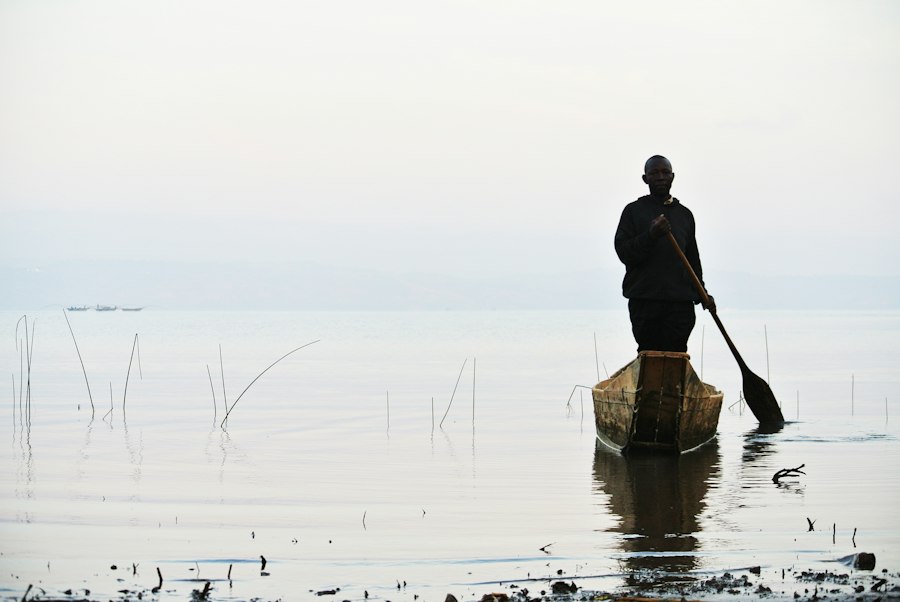
The methods employed by Mesolithic hunter-gatherers for procuring fish were far from rudimentary. They demonstrate a keen observation of fish behavior and a sophisticated understanding of how to exploit it. These techniques often involved a combination of passive and active strategies, designed to maximize catch rates while minimizing risk and energy expenditure.
Spear Fishing and Harpooning
One of the most direct and visually striking fishing techniques was the use of spears and harpoons. These were typically long, straight shafts, often made from wood or bone, tipped with sharpened points. The points themselves could be made from bone, antler, or stone, and were sometimes barbed to prevent the fish from escaping once struck. Spear fishing would have been most effective in shallow, clear waters where prey could be easily spotted and a swift, accurate strike could be delivered. Harpoons, with their detachable heads or points designed to lodge firmly, were likely used for larger and more powerful fish, as well as marine mammals, offering a greater chance of subduing struggling prey. Evidence for these tools comes from finds of bone and antler points that show characteristic wear patterns from repeated use in aquatic environments.
Angling and Hook-and-Line Fishing
The development of the fishing hook represents a significant leap in fishing technology. Mesolithic anglers likely crafted hooks from bone, shell, or even thorn. These were attached to lines made from plant fibers, animal sinew, or gut. The practice of angling would have allowed hunters to target fish without necessarily seeing them directly, relying on scent and the instinct of fish to investigate potential food sources. While direct evidence for the widespread use of hook-and-line fishing in the Mesolithic is rarer than for other methods, the discovery of bone hooks from this period, particularly in coastal and riverine sites, strongly suggests its presence. The effectiveness of this method would have depended on the skill in baiting, casting, and understanding where fish were likely to be found.
Trapping and Impounding Fish
Passive fishing techniques, designed to intercept fish as they moved through the water, were also vital. These included the construction of various types of traps and barriers. V-shaped fish traps, constructed from woven reeds, branches, or stone, would have been placed in rivers or streams to channel fish towards a confined area where they could be easily captured. Stone weirs, essentially low walls built across streams or in intertidal zones, served a similar purpose, guiding fish into enclosures or stranding them at low tide. Netting, though the nets themselves are rarely preserved, is strongly implied by the discovery of numerous stone sinkers, which would have been used to weight down fishing nets, keeping them submerged and functional. The sophistication of these trapping systems speaks to a detailed knowledge of water flow and fish migration patterns.
Netting and its Associated Technologies
While direct evidence of mesolithic fishing nets is scarce due to organic material decay, the presence of numerous stone sinkers and weights across various sites is a clear indicator of their use. These sinkers, meticulously shaped and drilled, would have been attached to the edges of nets to ensure they remained submerged and spread out effectively in the water column. The size and weight of these sinkers would have varied, suggesting nets designed for different depths and types of fish. Furthermore, the discovery of bone and antler netting needles in some Mesolithic contexts hints at the process of net construction and repair, further solidifying the importance of this fishing method. Netting offered a highly efficient way to catch multiple fish at once, making it a crucial component of Mesolithic subsistence strategies, especially for communities living near productive fishing grounds.
The Arsenal of the Aquatic Hunter: Mesolithic Fishing Tools
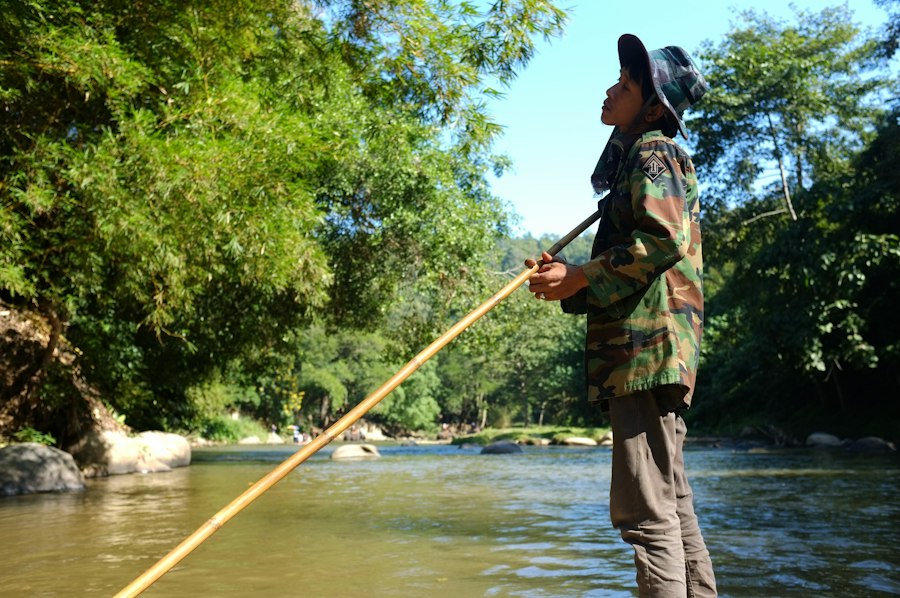
The ingenuity of Mesolithic peoples is perhaps most vividly illustrated by the diverse and specialized tools they developed to exploit aquatic resources. These were not generic implements; they were finely crafted instruments, adapted to specific tasks and environments, reflecting a deep understanding of the materials available and the challenges of fishing.
Bone, Antler, and Ivory: Pendants, Hooks, and Points
The organic materials readily available to Mesolithic communities – bone, antler, and ivory – proved exceptionally versatile for crafting fishing tools. Bone and antler were particularly prized for their strength and durability. From these, finely worked points for spears and harpoons were fashioned, often with sharp edges and sometimes barbs to secure a catch. Fishing hooks were meticulously carved from bone and shell, demonstrating a remarkable level of precision. The curvature and size of these hooks suggest they were designed for a variety of fish species. Implements like net-making needles, also made from bone or antler, provided the means to construct and maintain the vital fishing nets, further underscoring the integrated nature of their fishing technology.
Stone: Blades, Weights, and the Elusive Netting Needles
Stone played a critical role in the Mesolithic fishing toolkit, albeit often in less direct ways than organic materials. While stone fishing hooks are extremely rare, stone was essential for creating the sharp points of spears and harpoons. Flint, chert, and other siliceous rocks were expertly flaked to produce sharp, durable blades that could be hafted onto wooden shafts. Perhaps the most ubiquitous stone fishing tool is the sinker. These varied from naturally rounded pebbles with grooves for attaching cordage to meticulously shaped and drilled stones, all designed to weigh down fishing nets. The sheer quantity and variety of these sinkers found at many Mesolithic sites speak to the widespread and intensive use of netting technologies.
Wood and Plant Fibers: The Unseen Backbone of Fishing
While wood and plant fibers rarely survive in the archaeological record, their importance in Mesolithic fishing cannot be underestimated. Wooden shafts formed the basis of spears, harpoons, and possibly trap components. The flexibility and strength of certain woods would have been crucial for these implements. Plant fibers, twisted into cords and ropes, were indispensable for making fishing lines, attaching hook to line, and for the construction and repair of nets. The weaving of reeds and branches was also likely employed in the creation of fish traps. The effectiveness of many Mesolithic fishing techniques was fundamentally reliant on the skilled manipulation of these organic materials, forming the unseen backbone of their aquatic pursuits.
Site Distribution and Evidence: Where the Fishermen Lived and Worked
The archaeological evidence for Mesolithic fishing is not evenly distributed, but rather concentrated in areas that offered access to abundant aquatic resources. The study of these sites provides invaluable insights into the settlement patterns, dietary habits, and technological sophistication of these early fishing communities.
Coastal and Estuarine Settlements
Coastal Mesolithic sites, particularly those located in areas with rich intertidal zones, estuaries, and shallow marine waters, frequently reveal a wealth of fishing-related artifacts. Shell middens, large accumulations of discarded shells from shellfish consumption, are often found alongside stone sinkers, bone fishhooks, and points from spears and harpoons. The analysis of faunal remains from these sites frequently shows a significant proportion of marine fish and shellfish in the diet. The presence of specialized tools and the sheer volume of food refuse indicate that these coastal zones were not merely seasonal hunting grounds but were often occupied for extended periods, with fishing forming a core subsistence activity.
Inland Riverine and Lacustrine Habitations
Mesolithic communities situated along rivers and lakes also provide strong evidence for fishing. Sites found on the shores of lakes or along riverbanks often yield stone sinkers, bone hooks, and points. Analysis of bone fragments from these locations reveals a diet dominated by freshwater fish species. The construction of fish traps and weirs, though less frequently preserved than smaller artifacts, is sometimes indicated by landscape modifications or the discovery of associated toolkits. The stability of riverine and lacustrine environments meant that these inland fishing communities could often maintain more settled lifestyles than their more mobile hunting counterparts.
The Significance of Specialized Fishing Sites
Beyond general habitation sites, archaeologists have identified areas that appear to have been specifically dedicated to fishing activities. These might include specialized campsites located near particularly productive fishing spots, such as rapids, spawning grounds, or narrow channels. At such locations, the density of fishing-related artifacts can be exceptionally high. The presence of unfinished tools, tool-making debris, and evidence of food processing (such as fish bones showing cut marks) further supports the interpretation of these as areas where intensive fishing operations took place. These specialized sites highlight the strategic approach Mesolithic peoples took to resource exploitation, recognizing and utilizing the optimal locations for their fishing endeavors.
Recent studies on Mesolithic hunter-gatherer fishing practices have shed light on the sophisticated techniques these early communities employed to secure their food sources. This fascinating exploration reveals how the interplay between environmental conditions and human ingenuity shaped their fishing strategies. For a broader understanding of how resource management has evolved over time, you might find this article on elite assets and wealth management insightful, as it discusses how the wealthy navigate resource allocation in modern contexts. You can read more about it here.
The Legacy of the Mesolithic Fisherman: Influence on Later Societies
| Metric | Description | Estimated Value / Data | Notes |
|---|---|---|---|
| Time Period | Approximate era of Mesolithic hunter-gatherer fishing | c. 10,000 – 5,000 BCE | Varies regionally depending on climate and geography |
| Primary Fishing Techniques | Methods used for catching fish | Spearfishing, netting, trapping, hook and line | Use of microliths for composite fishing tools common |
| Common Fish Species | Typical fish targeted by Mesolithic groups | Salmon, trout, pike, perch, eel | Species varied by region and water body |
| Fishing Site Types | Locations where fishing activities took place | Rivers, lakes, coastal estuaries, wetlands | Sites often associated with seasonal camps |
| Fish Bone Percentage in Middens | Proportion of fish remains in archaeological refuse heaps | Up to 40-60% | Indicates importance of fishing in diet |
| Estimated Daily Fish Consumption | Average fish intake per person per day | Approx. 200-300 grams | Varies with season and availability |
| Fishing Tool Materials | Materials used to make fishing implements | Bone, antler, wood, stone microliths | Composite tools often hafted with resin |
| Seasonality | Periods of peak fishing activity | Spring and autumn | Corresponds with fish spawning migrations |
The fishing practices and technological innovations of the Mesolithic period did not vanish with the advent of the Neolithic. Instead, they laid the groundwork for more advanced techniques and continued to be a vital component of subsistence for many communities for millennia to come. The knowledge and tools developed by Mesolithic fishermen represent a crucial step in humanity’s ability to harness the resources of the natural world.
Continuity and Evolution of Fishing Technologies
Many of the fundamental fishing techniques employed by Mesolithic peoples persisted and evolved into the Neolithic and beyond. Netting, angling, and trapping continued to be important methods, with ongoing refinements in materials and designs. The development of pottery in the Neolithic, for example, allowed for more efficient storage and cooking of fish, further enhancing its role in the diet. The principles behind Mesolithic hook design, spear points, and trap construction can be seen in the implements used by later agrarian and maritime societies, demonstrating a clear lineage of innovation.
The Mesolithic Diet and Human Adaptation
The successful exploitation of aquatic resources by Mesolithic hunter-gatherers played a significant role in human adaptation to post-glacial environments. It provided a stable and diverse food source that contributed to population growth and the development of more complex social structures. The reliance on fishing, particularly in coastal regions, may have influenced the patterns of human migration and settlement, allowing people to thrive in areas that might have been less productive for terrestrial hunting alone. This dietary flexibility and technological prowess were key factors in the resilience and expansion of early human populations.
Mesolithic Fishing as a Foundation for Future Societies
The Mesolithic period can be viewed as a crucible of innovation, where many of the foundational technologies and subsistence strategies that would define later human societies were forged. Their sophisticated understanding of aquatic ecosystems, coupled with their ingenuity in toolmaking, allowed them to establish a sustainable relationship with their environment. The legacy of the Mesolithic fisherman is, therefore, not just about the catching of fish, but about the broader story of human adaptation, resourcefulness, and the enduring relationship between people and the water that sustains them. Their endeavors provided a crucial stepping stone in the long and complex journey of human development, demonstrating a profound connection to and mastery of the natural world.

The 7,000-Year-Old Secret Hidden Under a Lake
FAQs
What tools did Mesolithic hunter gatherers use for fishing?
Mesolithic hunter gatherers used a variety of tools for fishing, including harpoons, fishing spears, nets, and fish traps. These tools were typically made from materials such as bone, antler, wood, and plant fibers.
What types of fish did Mesolithic hunter gatherers catch?
Mesolithic hunter gatherers caught a wide range of fish, depending on the region they inhabited. Common fish caught by Mesolithic peoples included salmon, trout, eel, pike, perch, and various species of shellfish.
How did Mesolithic hunter gatherers preserve fish for later consumption?
Mesolithic hunter gatherers used various methods to preserve fish for later consumption, such as smoking, drying, and salting. By preserving fish, they were able to store food for times when fresh fish was not readily available.
Did Mesolithic hunter gatherers rely solely on fishing for their food?
No, Mesolithic hunter gatherers did not rely solely on fishing for their food. While fishing was an important part of their diet, they also hunted game animals, gathered wild plants, fruits, nuts, and seeds, and engaged in other forms of foraging to sustain themselves.
How did Mesolithic hunter gatherers’ fishing techniques differ from those of earlier hunter gatherer societies?
Mesolithic hunter gatherers developed more sophisticated fishing techniques compared to earlier hunter gatherer societies. They used specialized tools and equipment, such as fish traps and harpoons, and likely had a deeper understanding of fish behavior and habitats, allowing them to catch fish more efficiently.