Echoes in the Water: The Mesolithic Hunter-Gatherer and the Ubiquitous Trout
The Mesolithic period, often referred to as the “Middle Stone Age,” marks a crucial transition in human history, spanning roughly from the end of the last Ice Age (around 10,000 BCE) to the advent of agriculture (around 5,000 BCE in many regions). During this time, hunter-gatherer societies adapted to a warming climate and a changing landscape, developing sophisticated tools and techniques to exploit the diverse resources available. Among these resources, aquatic life played a significant role, and evidence suggests that trout, with their widespread distribution across temperate river systems, were a valuable and consistently exploited food source for many Mesolithic communities. The relationship between these early humans and trout offers a fascinating glimpse into the ingenuity, adaptability, and resourcefulness of our ancestors.
The Mesolithic period, often characterized by the development of fishing techniques, saw early humans relying on various aquatic resources, including trout, as a significant food source. This era marked a transition in subsistence strategies, where communities began to exploit rivers and lakes more effectively. For a deeper understanding of ancient technologies and their impact on human development, you can explore the article on the Antikythera mechanism, which sheds light on the complex innovations of ancient civilizations: Unlocking the Antikythera Mechanism’s Ancient Functions.
The Mesolithic World: A Landscape of Opportunity
The end of the Pleistocene epoch ushered in a period of profound environmental change. As glaciers retreated, new rivers and lakes formed, and forests began to reclaim the land. This created a mosaic of habitats, each offering a unique set of resources. For Mesolithic peoples, this meant a shift in subsistence strategies. While large game, abundant during the Ice Age, became less prevalent in some areas, smaller mammals, birds, and a wealth of plant foods became more accessible. Crucially, the proliferation of freshwater environments provided a rich and relatively predictable source of protein and fat: fish.
Adapting to a Changing Climate
The thawing of permafrost and the subsequent rise in sea levels altered coastlines and inland water bodies dramatically. Mesolithic communities, often nomadic or semi-nomadic, were highly attuned to these environmental shifts. They possessed a deep understanding of seasonal cycles and the migratory patterns of both terrestrial and aquatic fauna. This knowledge allowed them to optimize their hunting and gathering efforts, moving to areas where resources were most abundant at different times of the year. The expansion of temperate forests also meant an increase in insect populations, which in turn supported larger populations of fish in rivers and lakes.
The Richness of Freshwater Ecosystems
Mesolithic Europe, in particular, was characterized by extensive river networks and numerous lakes, often rich in biodiversity. These ecosystems provided a stable food base for human populations, offering a degree of reliability that could complement the more unpredictable yields of terrestrial hunting. Fish, being a readily available source of essential nutrients, would have been a highly desirable component of the Mesolithic diet. The presence of species like trout, which are found in a wide range of freshwater environments from fast-flowing mountain streams to slower-moving rivers, made them a widespread and accessible resource.
Unearthing the Evidence: Archaeological Insights into Early Fishing
The archaeological record provides compelling, albeit often fragmented, evidence of Mesolithic fishing practices. While direct preservation of organic fishing gear is rare due to the acidic nature of many soils, the presence of specialized tools, fish remains found at settlement sites, and the spatial distribution of these finds all point towards an active engagement with aquatic resources. The careful analysis of bone fragments, discarded tools, and the context in which they are found allows archaeologists to reconstruct aspects of these early fishing techniques.
Tools of the Trade: Spears, Hooks, and Nets
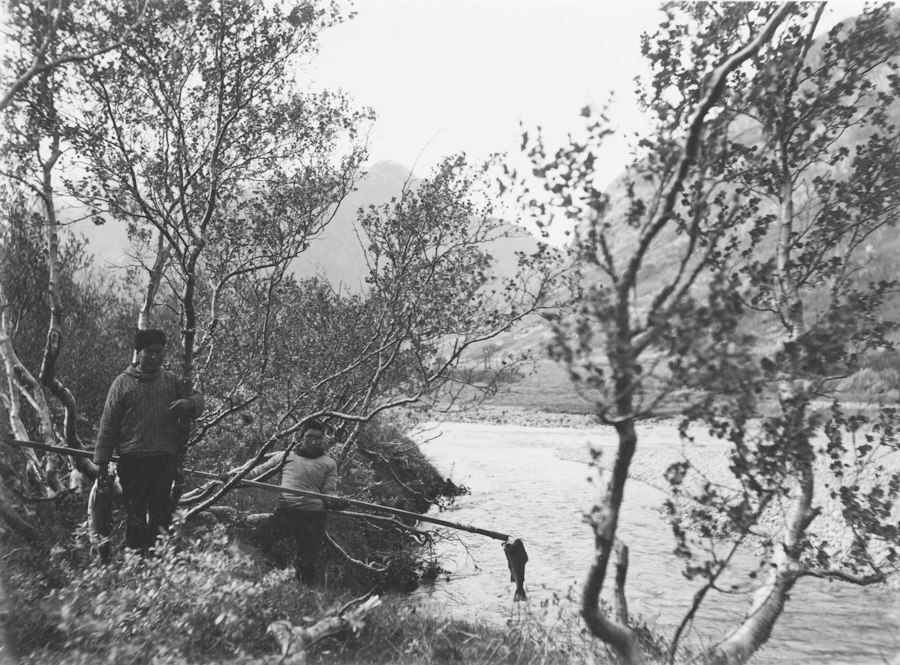
The Mesolithic toolkit reveals a range of implements adapted for fishing. Bone and antler were frequently fashioned into barbed points, suggesting the use of spears or harpoons for actively hunting fish. These were likely employed in shallow waters or in conjunction with trapping techniques. While direct evidence of early fishing hooks is less common, the discovery of bone needles and awls at some sites hints at the possibility of crafting them from organic materials. The presence of stone net sinkers, often found in association with lakeside or riverside settlements, strongly indicates the use of nets, a highly effective method for capturing larger quantities of fish. The size and shape of these sinkers could also provide clues about the mesh size and the types of nets employed.
Dietary Remains: A Glimpse into the Mesolithic Menu
The analysis of faunal remains excavated from Mesolithic sites often includes a significant proportion of fish bones. The identification of specific fish species, including various types of trout (such as brown trout, Salmo trutta, and potentially even salmon, though often a more migratory species), provides direct confirmation of their consumption. The abundance and diversity of fish remains at certain sites suggest that fishing was not merely an opportunistic activity but a systematic and integral part of their subsistence economy. The condition of the bones, such as signs of butchery or gnawing, can also offer insights into how the fish were processed and consumed.
Settlement Patterns and Aquatic Proximity
The location of Mesolithic settlements often reveals a deliberate choice to be near reliable water sources. Many sites are found along the banks of rivers, lakes, or coastal areas, indicating a close relationship with aquatic ecosystems. This proximity would have facilitated easy access to fishing grounds and allowed for the efficient transport of catch back to the settlement. The distribution of settlements in relation to known fish spawning grounds or migratory routes could further inform our understanding of Mesolithic fishing strategies.
Trout as a Staple: The Allure of Freshwater Fish
Trout, belonging to the Salmonidae family, are well-represented in the archaeological record of many Mesolithic sites, particularly in Europe. Their appeal lay in several key factors, making them a valuable and consistent food source. Their widespread distribution across various freshwater habitats meant they were accessible to a broad range of Mesolithic communities. Furthermore, their life cycle, often involving distinct feeding and spawning periods, offered predictable opportunities for capture.
Nutritional Powerhouse: Protein, Fat, and Essential Nutrients
Trout, like other fatty fish, are a rich source of protein, essential fatty acids (omega-3s), and various vitamins and minerals. These nutrients would have been crucial for the health and energy demands of active hunter-gatherer societies. The fat content of trout would have been particularly important, especially during colder months, providing a vital source of calories. The ability to reliably acquire such a nutrient-dense food source would have significantly contributed to the survival and success of Mesolithic populations.
Habitat Versatility: From Streams to Lakes
The adaptability of trout to different freshwater environments is a key factor in their importance to Mesolithic peoples. Species like the brown trout can thrive in a variety of habitats, from cold, fast-flowing mountain streams to larger, slower-moving rivers and even some lakes. This ecological flexibility meant that trout were available to a wide geographic range of Mesolithic communities, regardless of their specific local environment. This ubiquity made them a more dependable resource than highly specialized prey.
Seasonal Rhythms: Predictable Opportunities for Capture
The life cycle of trout, particularly their spawning runs, presented predictable opportunities for Mesolithic fishers. While specific spawning times vary by species and region, many trout species migrate upstream to spawn in gravelly riffles during autumn or spring. These aggregations of fish would have made them particularly vulnerable to capture using a variety of methods, including netting and spearing. Understanding these seasonal rhythms would have been a critical aspect of Mesolithic knowledge of the natural world.
The Mesolithic period, often characterized by the development of fishing techniques, saw early humans relying heavily on aquatic resources such as trout for sustenance. This connection between ancient peoples and their environment highlights not only their adaptability but also their understanding of local ecosystems. For a deeper exploration of how these early communities interacted with nature and the wisdom they gleaned from their surroundings, you can read more in this insightful article about ancient secrets and the lessons they offer us today. Check it out here.
Sophistication in Simplicity: Mesolithic Fishing Techniques Explored
| Metric | Data/Value | Notes |
|---|---|---|
| Time Period | c. 10,000 – 5,000 BCE | Mesolithic era in Europe |
| Primary Fish Species | Brown Trout (Salmo trutta) | Commonly found in freshwater streams and rivers |
| Fishing Techniques | Spears, traps, nets | Used by Mesolithic people to catch trout |
| Trout Size | 20-40 cm average length | Typical size of trout caught during Mesolithic |
| Dietary Contribution | Significant protein source | Fish formed an important part of Mesolithic diet |
| Archaeological Evidence | Fish bones and fishing tools | Found at Mesolithic sites near rivers and lakes |
| Seasonal Fishing | Spring and autumn | Periods when trout were most abundant and easier to catch |
While Mesolithic fishing tools might appear rudimentary by modern standards, they represent a sophisticated understanding of physics, biology, and the behavior of fish. The techniques employed were likely diverse, adapted to specific environments, fish species, and prevailing conditions. These methods would have evolved over millennia, refined through observation and practical experience.
Active Hunting: The Art of the Spear and Harpoon
Spearing fish was likely a common practice, especially in shallower waters. The use of barbed points, fashioned from bone or antler, would have increased the likelihood of a successful strike. Mesolithic fishers might have employed stealth and patience, waiting for opportune moments to strike. In some areas, communal spearing might have been practiced, where groups of hunters would drive fish towards one another or into confined areas. The development of specialized fishing spears, perhaps with multiple prongs, could have further increased efficiency.
Passive Capture: Trapping and Netting Strategies
Netting, as suggested by the presence of net sinkers, would have been a highly effective method for capturing larger quantities of fish. Different types of nets could have been employed, including seine nets that were dragged through the water or stationary nets set in channels or near spawning grounds. Trapping, using natural features or constructed barriers, would have also been a significant strategy. Weirs, constructed from stones or branches, could have been built in rivers to channel fish into confined areas where they could be easily caught. Fish traps, constructed from woven reeds or branches, could have been set in place to allow fish to enter but prevent their escape.
Environmental Manipulation: Shaping the Fishery
Beyond direct capture, Mesolithic peoples may have also engaged in subtle forms of environmental manipulation to enhance their fishing success. The construction of weirs, for example, could be seen as a rudimentary form of fishery management, concentrating fish and facilitating their capture. They might have also understood the importance of maintaining healthy riverine ecosystems, recognizing that the abundance of fish was directly linked to the health of their environment. This could have involved practices that prevented excessive siltation or protected spawning grounds, though direct archaeological evidence for such proactive management is scarce.
The Mesolithic period, often characterized by the development of fishing techniques and the use of natural resources, saw early humans relying heavily on local aquatic life, including trout, for sustenance. This fascinating relationship between ancient peoples and their environment is explored in depth in a related article that discusses the broader implications of resource management in prehistoric times. For more insights into how ancient communities adapted to their surroundings, you can read the article here.
Legacy and Lore: The Enduring Connection to the Water
The Mesolithic relationship with trout and other aquatic resources laid the groundwork for future fishing traditions. The knowledge and skills developed during this period were passed down through generations, evolving as human societies transitioned towards more settled lifestyles and the development of agriculture. The stories and cultural practices that emerged from these early interactions with the natural world likely left an indelible mark on the collective memory of many communities.
The Foundation for Future Fisheries
The fishing techniques and tools developed by Mesolithic peoples were not abandoned but rather adapted and refined by subsequent cultures. The understanding of fish behavior, seasonal cycles, and the effective use of various implements provided a robust foundation upon which later fishing technologies and practices were built. As societies became more settled, permanent fishing structures like elaborate weirs and formalized netting strategies became more common, but their origins can be traced back to the ingenuity of the Mesolithic era.
Cultural Echoes and Oral Traditions
While direct evidence of Mesolithic folklore is unobtainable, it is reasonable to assume that the successful and vital role of fishing, including the pursuit of trout, would have been reflected in their oral traditions and cultural narratives. Stories of successful hunts, encounters with powerful fish, or the importance of rivers and lakes as sources of sustenance would have likely been shared. These narratives would have not only served to entertain but also to transmit essential knowledge about the environment and the strategies for survival. The enduring presence of fish in the mythology and folklore of many cultures worldwide suggests a deep and ancient connection that likely originates in periods like the Mesolithic.
The exploration of Mesolithic fishing practices, particularly the interaction with trout, reveals a dynamic and intelligent adaptation to a changing world. These early hunter-gatherers were not merely passive recipients of nature’s bounty but active participants, employing a range of ingenious techniques to secure a vital food source. Their legacy lies not only in the archaeological remnants they left behind but also in the fundamental understanding of human-environment relationships that continues to resonate today. The shimmering presence of trout in our rivers and lakes stands as a silent testament to this ancient and enduring connection.

The 7,000-Year-Old Secret Hidden Under a Lake
FAQs
1. What role did trout play in the diet of Mesolithic people?
Trout was a significant part of the diet of Mesolithic people, providing them with a valuable source of protein and essential nutrients.
2. How did Mesolithic people catch trout?
Mesolithic people used various methods to catch trout, including fishing with nets, spears, and traps made from natural materials like branches and vines.
3. Where did Mesolithic people typically find trout?
Mesolithic people often found trout in rivers, streams, and lakes, where the fish would migrate during certain times of the year for spawning.
4. Did Mesolithic people have any cultural or spiritual connections to trout?
There is evidence to suggest that Mesolithic people may have had cultural or spiritual connections to trout, as the fish could have held symbolic significance or been part of rituals or ceremonies.
5. How did the consumption of trout contribute to the survival and adaptation of Mesolithic people?
The consumption of trout provided Mesolithic people with a reliable food source that helped sustain their communities and adapt to changing environmental conditions during the Mesolithic period.