The subtle sting of a scrape, the sharp bite of a cut, the persistent ache of a bruise – these minor afflictions have been a constant companion to humanity since its inception. Throughout ancient history, from the earliest nomadic tribes to the burgeoning civilizations of antiquity, the management of these everyday injuries, or “minor wounds,” played a crucial role in survival and the progression of human well-being. While grand narratives of battlefield surgery and miraculous cures often dominate historical accounts of medicine, a closer examination reveals a rich tapestry of early healing practices dedicated to the common ailments that touched every life. These practices, born from observation, trial-and-error, and a deep understanding of the natural world, laid the groundwork for much of what we understand about wound care today.
The Dawn of Practical Intervention: Instinct and Early Observations
The earliest humans, faced with a wound, would have likely relied on instinct and learned behaviors passed down through generations. The immediate response to bleeding was to staunch it. This could involve direct pressure applied with hands or cloths, the use of leaves, or even the application of mud or clay, substances that possess natural astringent properties. While seemingly rudimentary, these actions were the genesis of wound management, addressing the immediate threat of blood loss and potential infection.
The Role of Natural Materials in Hemostasis
The search for materials to control bleeding was a pressing concern. Certain plants, with their inherent sap or fibrous structures, would have been discovered through repeated experimentation to have hemostatic effects. Think of the sap of certain plants that coagulate upon exposure to air, or the dense weave of some leaves that could act as a rudimentary bandage. While specific identifications are often lost to the mists of prehistory, the principle of using readily available natural resources for wound closure and bleeding control was undoubtedly a foundational element of early medical knowledge. The observation that certain substances stopped blood flow would have been a vital piece of knowledge for any individual or group seeking to survive in environments prone to physical injury.
Primitive Cleansing and Debridement
Beyond stopping bleeding, the need to keep wounds clean was also recognized, albeit often through instinctual rather than scientific understanding. The presence of dirt and debris in a wound was intuitively understood to be detrimental, leading to increased pain and slower healing. Early attempts at cleansing likely involved rinsing with water, the availability of which would have dictated the sophistication of this practice. In areas where clean water was scarce, more primitive methods might have been employed, such as wiping with damp cloths or even licking the wound, a practice seen in some animal species and potentially in early humans, though the antiseptic properties of saliva are limited and the risk of introducing pathogens is high. Debridement, the removal of foreign matter, would have been a challenging task. Sharp stones or bone fragments might have been used to carefully pick out visible debris, a painful but necessary step in preventing complications.
In ancient history, the care of minor wounds was a crucial aspect of medical practice, often involving the use of natural remedies and techniques passed down through generations. For a deeper understanding of how ancient civilizations approached wound care, you can explore the article on the significance of trade and its impact on medical practices in different cultures. This article provides valuable insights into how the exchange of knowledge and resources influenced the development of wound care techniques. To read more, visit this link.
Ancient Civilizations and the Codification of Wound Care

As civilizations began to flourish, so too did the systematic documentation and refinement of medical knowledge. From Mesopotamia and Egypt to Greece and Rome, ancient cultures developed sophisticated approaches to minor wound care, often intertwined with religious beliefs and philosophical understandings of the body. These societies moved beyond purely instinctual responses, actively studying injuries, their treatments, and their outcomes.
Mesopotamian Innovations: Ointments and Bandages
In ancient Mesopotamia, cuneiform tablets reveal a detailed understanding of wound management. Physicians, often priests, meticulously recorded treatments for various ailments, including lacerations and abrasions. The use of medicinal ointments was prevalent. These were typically prepared from animal fats, oils, and a variety of plant-based ingredients, such as resins, herbs, and spices. These ointments served multiple purposes: to lubricate the wound, provide a barrier against infection, and deliver therapeutic agents. Common ingredients included castor oil, frankincense, myrrh, and various types of honey, which possesses natural antiseptic properties. Bandaging was also a well-established practice, with linen strips being commonly used to secure dressings and protect the wound. The Mesopotamians understood the importance of cleanliness in the preparation of these materials, indicating a growing awareness of hygiene.
Egyptian Empiricism: Papyrus Records and Herbal Remedies
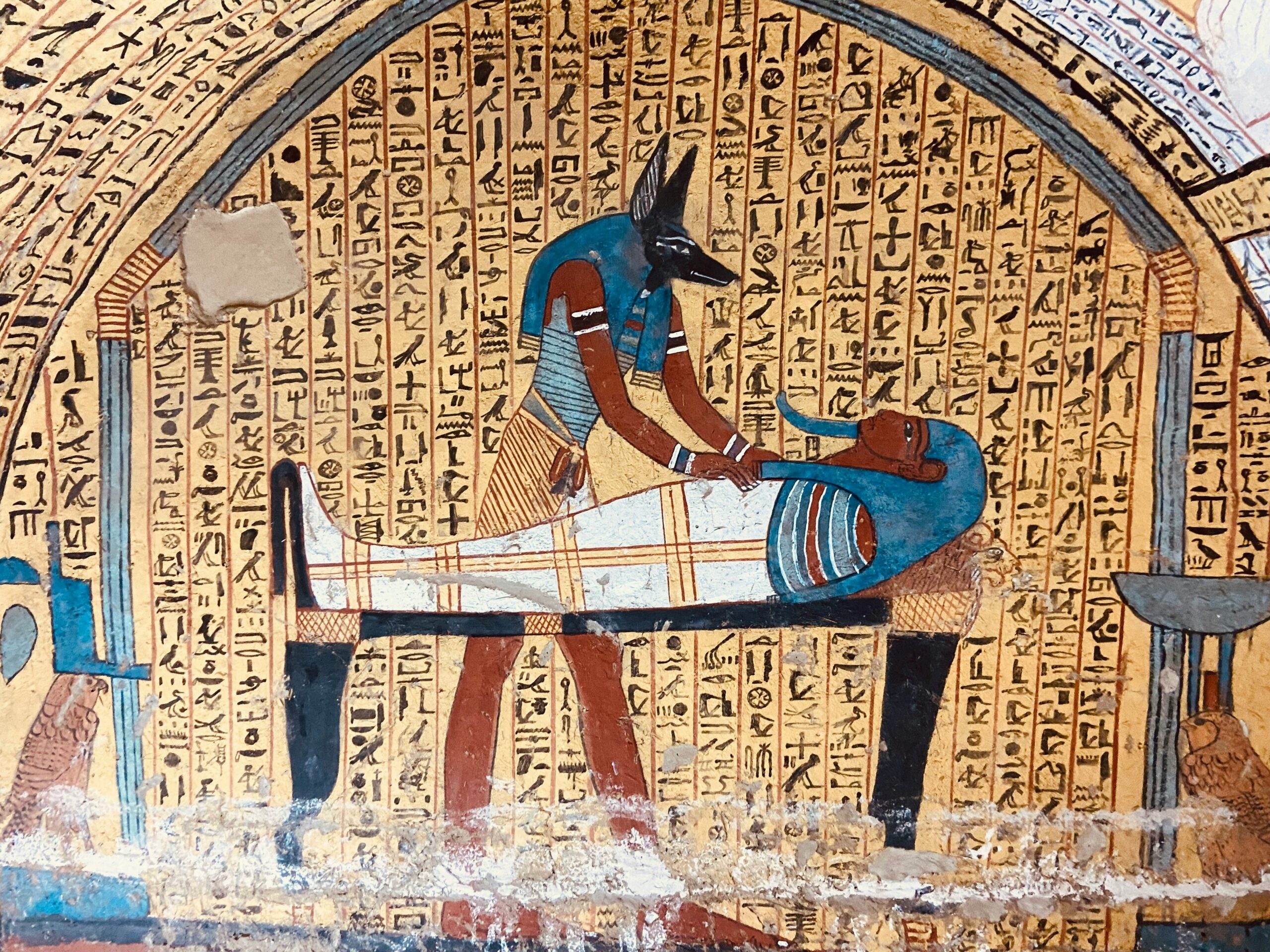
The ancient Egyptians, renowned for their advanced civilization and sophisticated medical practices, left behind a wealth of information in medical papyri, such as the Edwin Smith Papyrus. This document, considered one of the oldest surgical textbooks in the world, details the treatment of various wounds, including fractures, dislocations, and superficial injuries. The Egyptians employed a systematic approach, often classifying wounds based on their severity and prognosis. They utilized a wide array of herbal remedies for wound care, including honey, willow bark (a source of salicin, a precursor to aspirin), aloe vera, and various poultices made from ground herbs and grains. Their understanding of antisepsis was limited, but they recognized the benefits of cleanliness and the use of substances that promoted healing and prevented festering. The use of honey, in particular, is repeatedly mentioned for its antibacterial and wound-healing properties. They also understood the importance of immobilizing injured limbs, demonstrating a practical understanding of fracture management that extended to even minor trauma.
The Greek Legacy: Hippocrates and the Humoral Theory
The Hippocratic Corpus, attributed to the physician Hippocrates and his followers, marked a significant shift towards rational medicine in ancient Greece. While Hippocrates focused on a more holistic approach to health, his writings also contain valuable insights into the management of wounds. The prevailing humoral theory, which posited that health depended on the balance of four bodily fluids (blood, phlegm, yellow bile, and black bile), influenced their understanding of wound healing. Treatments were often aimed at restoring this balance. For minor wounds, the Greeks emphasized cleanliness, the application of soothing poultices made from herbs like mallow and chamomile, and the use of linen bandages. They understood the importance of allowing wounds to “breathe” and avoided sealing them too tightly, fearing the accumulation of harmful humors. The meticulous descriptions of wound examination and prognosis found in the Hippocratic texts demonstrate a sophisticated observational approach that moved medicine away from purely supernatural explanations.
The Roman Approach: Practicality, Hygiene, and the Military

The Roman Empire, known for its engineering prowess and military organization, brought a pragmatic and systematic approach to healthcare, including minor wound care. The demands of a vast empire and constant warfare necessitated efficient and effective methods for treating injuries sustained by soldiers and civilians alike. Roman physicians, influenced by Greek traditions, developed robust practices emphasizing hygiene, wound cleansing, and the use of specialized instruments.
Galen’s Influence and Anatomical Knowledge
The physician Galen, whose work dominated Western medicine for over a millennium, built upon the foundations laid by Hippocrates. His extensive writings detailed anatomical knowledge and surgical techniques, including those relevant to wound management. Galen emphasized the importance of thoroughly cleansing wounds to remove foreign bodies and pus. He advocated for the use of wine or vinegar as antiseptic washes, recognizing their ability to kill “minute living creatures” that caused putrefaction. His understanding of anatomy allowed for more precise treatment of wounds, even minor ones, by understanding the underlying structures. The development of surgical tools, such as probes and scalpels, also contributed to more effective wound management, allowing for better exploration and removal of debris.
Military Medicine and Field Triage
The Roman army, a highly organized fighting force, had a sophisticated system of military medicine. Legionary surgeons were trained to deal with a wide range of injuries, from severe battlefield trauma to the more common cuts and abrasions. The concept of field triage, though not formally named as such, was implicitly practiced. Soldiers with minor wounds would likely have been treated by dedicated medical orderlies or surgeons in field hospitals, allowing more severely injured individuals to receive immediate attention. The emphasis on hygiene within military camps, with the establishment of latrines and clean water sources, also played a role in reducing wound infections. The use of standardized bandages and wound dressings further streamlined treatment protocols.
Public Health and Sanitation
The Romans’ commitment to public health also indirectly benefited wound care. Their elaborate aqueduct systems provided clean water for bathing and wound irrigation. The construction of public baths, while primarily for hygiene and recreation, also fostered a general cleanliness that could have reduced the incidence of wound infections in the wider population. The development of sewers helped to prevent the spread of disease, further contributing to a healthier environment where wounds might heal more effectively.
Traditional and Folk Medicine: Enduring Practices
Beyond the formalized medical systems of major civilizations, a vast body of traditional and folk medicine persisted, often passed down through oral traditions and community knowledge. These practices, while sometimes blending with superstition, often contained kernels of empirical wisdom derived from generations of observation and application. Many of these folk remedies for minor wounds, surprisingly, align with modern understanding of their efficacy.
Herbalism and Poultices: Nature’s Pharmacy
The use of herbs and plant-based remedies for wound care was ubiquitous across cultures. Different regions possessed their own unique pharmacopoeias, with local plants identified for their antiseptic, anti-inflammatory, or wound-healing properties. Poultices, made by crushing herbs and mixing them with a binder like flour or honey, were applied directly to wounds. Examples include the use of yarrow for its styptic properties (to stop bleeding), calendula for its anti-inflammatory effects, and plantain for its ability to draw out splinters and soothe irritation. These remedies were often readily available, making them accessible to even the poorest members of society. The consistent use of certain plants across different cultures for similar ailments speaks to their inherent effectiveness, even if the underlying mechanisms were not understood.
The Role of Foodstuffs in Healing
Certain foodstuffs, beyond their nutritional value, were also recognized for their healing properties. Honey, as previously mentioned, was a prized commodity for wound care due to its antibacterial and humectant qualities. Sugar, in its raw form, also possesses some antiseptic properties and can help draw moisture from wounds, creating an unfavorable environment for bacteria. Milk, when applied topically, was sometimes used to soothe burns and abrasions, its fats providing a protective layer. These applications highlight a practical understanding of how common household items could be leveraged for therapeutic purposes.
Spiritual and Ritualistic Aspects
It is important to acknowledge that in many traditional cultures, wound care was not solely a physical act. Spiritual beliefs and rituals often played a significant role. Prayers, incantations, or the application of amulets were sometimes incorporated into the healing process, reflecting a holistic view of health that encompassed the physical, mental, and spiritual well-being of the individual. While these aspects may seem unscientific by modern standards, they often provided psychological comfort and a sense of control over the healing process, which can have a positive impact on recovery.
In exploring the fascinating practices of minor wound care in ancient history, one can gain insights into how early civilizations approached medical treatment and hygiene. For instance, the use of honey and various herbs as antiseptics was common among the Egyptians, showcasing their advanced understanding of natural remedies. To delve deeper into the historical context of such practices, you might find this article on real estate safety intriguing, as it touches on the broader implications of societal structures that influenced health and medicine throughout the ages.
The Lasting Echoes: Ancient Wisdom in Modern Wound Care
| Era | Region | Common Minor Wounds Treated | Treatment Methods | Materials Used | Notable Practices |
|---|---|---|---|---|---|
| Ancient Egypt (c. 3000 BCE) | Nile Valley | Cuts, abrasions, burns | Cleaning wounds, applying salves | Honey, resin, lint, linen bandages | Use of honey for antibacterial properties |
| Ancient Mesopotamia (c. 2500 BCE) | Mesopotamia | Minor cuts, puncture wounds | Wound cleaning, herbal poultices | Plant extracts, mud, animal fats | Combination of medical and magical treatments |
| Ancient Greece (c. 500 BCE) | Greece | Scrapes, cuts, minor burns | Cleaning, suturing, ointments | Olive oil, vinegar, wine, herbs | Hippocratic emphasis on cleanliness and observation |
| Ancient China (c. 200 BCE) | China | Minor wounds, abrasions | Herbal treatments, acupuncture | Herbs like turmeric, tea leaves, silk bandages | Integration of wound care with holistic medicine |
| Ancient Rome (c. 100 CE) | Roman Empire | Minor cuts, punctures | Cleaning, suturing, antiseptic dressings | Wine, vinegar, honey, wool bandages | Military medicine advanced wound care techniques |
The practices of ancient healers, though seemingly rudimentary, provided the foundational principles for modern wound management. The emphasis on cleanliness, the use of natural antiseptics, the understanding of the importance of dressings, and the recognition of the body’s own healing capabilities are all concepts that continue to inform contemporary medical practice.
The Persistence of Natural Antiseptics
The ancient use of honey as an antiseptic is a prime example of enduring wisdom. Modern research has validated its efficacy, with its low pH, high sugar content, and presence of hydrogen peroxide contributing to its antibacterial action. Similarly, the use of plant extracts with antimicrobial properties is a field of ongoing research, with many modern pharmaceuticals derived from natural sources. The ancients, through empirical observation, identified many of these potent natural remedies.
The Importance of Protection and Immobilization
The ancient practice of bandaging wounds to protect them from further injury and contamination remains a cornerstone of modern wound care. The concept of immobilization for fractured or sprained limbs, understood by the Greeks and Romans, is crucial for preventing further damage and promoting proper healing. These seemingly simple interventions are vital in managing even the most minor of injuries, preventing them from escalating into more serious complications.
The Dawn of Evidence-Based Practice
While lacking the rigorous scientific methodology of today, the ancient world, particularly through the Hippocratic tradition and Roman medical documentation, began to move towards a form of evidence-based practice. Physicians observed treatments, recorded outcomes, and refined their approaches based on what seemed to work. This early emphasis on observation and experience, even without controlled studies, laid the groundwork for the scientific inquiry that characterizes modern medicine. The continued exploration of ancient texts and artifacts offers invaluable insights into the ingenuity and resilience of early humans in their quest to alleviate suffering and promote healing, a legacy that continues to resonate through the ages.