The Tiny Powerhouses and Their Maternal Legacy
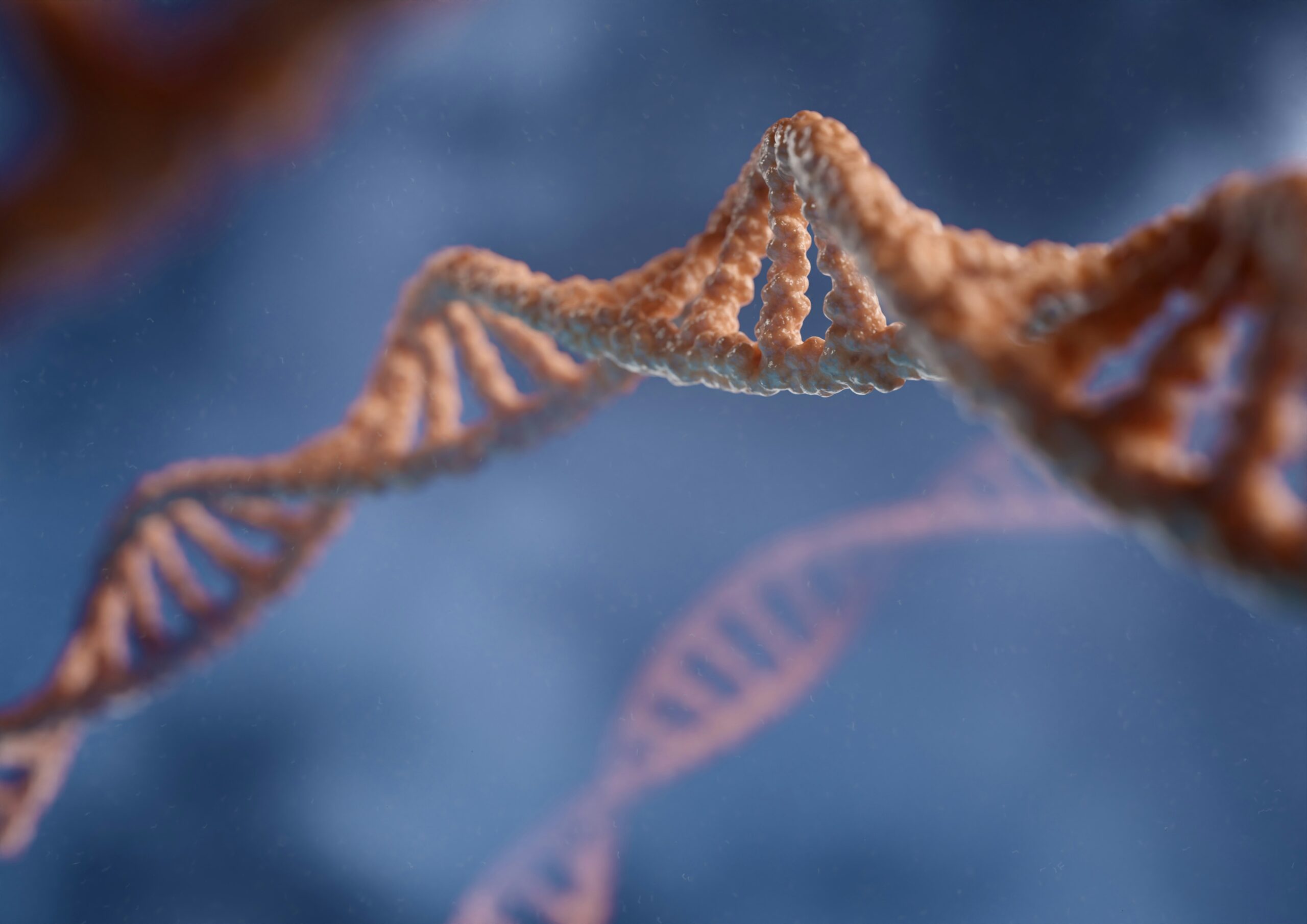
The intricate dance of life, from the simplest bacterium to the most complex mammal, is orchestrated by a remarkable and often overlooked component of our cells: the mitochondria. These organelles, famously dubbed the “powerhouses of the cell,” are responsible for generating the vast majority of the energy required for cellular functions. Yet, their role extends far beyond mere energy production. Mitochondria possess their own unique genetic material, a circular piece of DNA distinct from the DNA found in the cell’s nucleus. This mitochondrial DNA, or mtDNA, carries a distinct inheritance pattern, one that is exclusively maternal. Understanding this maternal inheritance is crucial for unraveling the complexities of human evolution, disease susceptibility, and even aspects of our ancestral lineage.
Mitochondrial DNA inheritance is a fascinating topic that sheds light on how genetic traits are passed down through maternal lines. For a deeper understanding of genetic inheritance and its implications, you can explore the related article that delves into various aspects of genetics and their real-world applications. To read more, visit this article.
Unraveling the Mitochondrial Enigma

The concept of mitochondrial DNA inheritance might seem esoteric to many, but it lies at the heart of how certain genetic information is passed down through generations. Unlike nuclear DNA, which is a hybrid inheritance from both parents, mtDNA follows a direct, unbroken lineage from mother to child. This unique transmission mechanism has profound implications, shaping our understanding of genetics, evolution, and the very fabric of life.
The Structure and Function of Mitochondria
To fully grasp maternal mtDNA inheritance, one must first understand the organelle itself. Mitochondria are double-membraned organelles found in the cytoplasm of eukaryotic cells. The outer membrane is permeable to small molecules, while the inner membrane is highly convoluted, forming cristae that increase its surface area. This inner membrane is the site of the electron transport chain and oxidative phosphorylation, the primary processes responsible for ATP (adenosine triphosphate) generation, the cell’s energy currency.
Beyond energy production, mitochondria are involved in a surprising array of cellular activities. They play a critical role in apoptosis (programmed cell death), calcium homeostasis, and the synthesis of certain heme and steroid molecules. Their dynamic nature allows them to fuse and divide, responding to cellular needs and environmental cues. The sheer number of mitochondria within a cell can vary significantly depending on its energy demands; for example, muscle cells and neurons are packed with thousands of these powerhouses, while less metabolically active cells may have fewer.
The Unique Genome of mtDNA
The genetic material housed within mitochondria is a marvel of evolutionary adaptation. mtDNA is a small, circular double-stranded DNA molecule, typically comprising around 16,569 base pairs in humans. This is in stark contrast to the much larger and linear nuclear genome. The mtDNA genome encodes for a limited set of essential genes: 37 genes in total. These genes are crucial for the proper functioning of the electron transport chain and ATP synthase, the enzymes responsible for oxidative phosphorylation. Specifically, mtDNA codes for 13 proteins, 22 transfer RNAs (tRNAs), and 2 ribosomal RNAs (rRNAs). The remaining proteins and essential components required for mitochondrial function are encoded by nuclear DNA and then imported into the mitochondria.
This compact genome is highly efficient, with minimal non-coding regions. It also exhibits a higher mutation rate compared to nuclear DNA. This increased mutation rate is thought to be due to the lack of protective histones, the absence of efficient DNA repair mechanisms, and the proximity of mtDNA to reactive oxygen species (ROS), a byproduct of the electron transport chain. These unique characteristics of the mtDNA genome are key to understanding its inheritance and evolutionary significance.
The Mechanics of Maternal Inheritance
The exclusive transmission of mtDNA from mother to offspring is a fundamental biological phenomenon. This pattern is established at the moment of fertilization and is maintained throughout an individual’s life. Understanding the precise mechanisms behind this maternal bias is essential for appreciating its impact on genetics and evolution.
Fertilization and the Exclusion of Paternal mtDNA
The process of fertilization, where a sperm fertilizes an egg, is the critical juncture at which paternal mtDNA is typically excluded. While sperm possess mitochondria to power their vigorous journey to the egg, the vast majority of these paternal mitochondria are strategically discarded. Several mechanisms are believed to contribute to this paternal mtDNA expulsion.
One primary mechanism involves the sperm’s tail, which is rich in mitochondria. Upon fertilization, the sperm head penetrates the egg, but the tail, containing the bulk of its mitochondria, often detaches or is actively degraded by the egg’s cellular machinery. Another theory suggests that enzymes within the egg cytoplasm actively seek out and destroy any paternal mitochondria that manage to enter. Furthermore, some studies indicate that the egg cell’s own mitochondria are preferentially replicated, effectively diluting out any paternal contribution. While occasional instances of biparental mtDNA inheritance have been reported in rare cases, they are generally considered exceptions rather than the rule, with paternal mtDNA being present at very low levels and often lost over subsequent generations. This effective “cleansing” of paternal mtDNA ensures the unimpeded maternal lineage.
The Role of the Egg Cytoplasm
The egg cell, also known as the ovum, plays a pivotal role in establishing and maintaining maternal mtDNA inheritance. The egg is a much larger cell than the sperm and contains a substantial cytoplasm, which is rich in mitochondria. These maternal mitochondria are not only abundant but are also the sole source of mtDNA that will be passed on to the developing embryo.
During oogenesis, the process of egg formation, the developing oocyte accumulates a large number of mitochondria. These mitochondria are crucial for providing the energy needed for the complex developmental processes that occur during embryogenesis. As the egg matures, its own mtDNA is replicated, ensuring a plentiful supply for the future offspring. The cytoplasm of the egg also contains the machinery and factors that actively promote the degradation of any paternal mitochondria that might enter during fertilization, reinforcing the maternal inheritance pattern. This selective advantage and active degradation mechanism are central to why mtDNA is exclusively inherited from the mother.
Mitochondrial DNA in Ancestral Reconstruction
The unique, purely maternal inheritance of mtDNA makes it an invaluable tool for tracing ancestral lineages and reconstructing evolutionary history. Because mtDNA is passed down virtually unchanged from mother to daughter, it acts as a living record of maternal lines, stretching back thousands, even millions, of years.
Tracing Maternal Lineages Through Time
The remarkable consistency of mtDNA inheritance allows scientists to track the maternal ancestral lines of individuals and populations. By comparing mtDNA sequences from different individuals, researchers can identify similarities and differences, which reveal how closely related they are through their maternal ancestors. This is particularly useful for studying human migration patterns and the dispersal of populations across the globe.
Mitochondrial DNA accumulates mutations at a relatively steady rate, akin to a molecular clock. By counting the number of mutations between two individuals’ mtDNA sequences, scientists can estimate how long ago they shared a common maternal ancestor. This principle has been applied to study the peopling of continents, the origins of various ethnic groups, and even the evolutionary history of our closest primate relatives. For instance, the comparison of mtDNA from indigenous populations in different regions has provided compelling evidence for the Out of Africa theory, suggesting that modern humans originated in Africa and then migrated outwards.
Applications in Forensics and Anthropology
Beyond large-scale evolutionary studies, mtDNA has significant applications in forensic science and anthropology. In criminal investigations, where nuclear DNA may be degraded or unavailable, mtDNA can be a crucial source of identification. Because mtDNA is present in high copy numbers within cells and is more resistant to degradation than nuclear DNA, it can often be recovered from even ancient or heavily damaged biological samples, such as bone fragments, teeth, or hair shafts.
In anthropological research, mtDNA analysis can help identify individuals from historical remains, establish kinship, and shed light on ancient social structures and migration patterns. For example, mtDNA has been used to identify the remains of famous historical figures, link modern populations to ancient ones, and understand the maternal descent of royal families or specific ethnic groups. Its ability to survive in challenging conditions and its distinct inheritance pattern make it an indispensable tool for piecing together the human story.
Mitochondrial DNA inheritance is a fascinating topic that sheds light on how genetic material is passed down through generations, particularly from mothers to their offspring. This unique form of inheritance can provide insights into maternal lineage and has implications for understanding various genetic disorders. For those interested in exploring more about the connections between ancient history and genetic studies, you might find this article on ancient scribe secrets particularly intriguing. It delves into hidden writings that reveal the complexities of our past, which can be linked to genetic heritage. To read more, visit this article.
Mitochondrial DNA and Disease
| Aspect | Description | Key Metric/Fact |
|---|---|---|
| Source of mtDNA | Mitochondrial DNA is inherited exclusively from the mother. | 100% maternal inheritance |
| Number of mtDNA copies per cell | Each cell contains multiple mitochondria, each with several copies of mtDNA. | Hundreds to thousands of mtDNA copies per cell |
| Size of mtDNA | Human mitochondrial DNA is a circular molecule. | Approximately 16,569 base pairs |
| Genes encoded | mtDNA encodes genes essential for mitochondrial function. | 37 genes (13 proteins, 22 tRNAs, 2 rRNAs) |
| Inheritance pattern | mtDNA is passed from mother to offspring without recombination. | Strictly maternal, no paternal contribution |
| Mutation rate | mtDNA mutates faster than nuclear DNA, useful for tracing maternal lineage. | Approximately 10 times higher than nuclear DNA |
| Heteroplasmy | Presence of more than one type of mtDNA within a cell or individual. | Variable percentage, can affect disease expression |
| Role in disease | Mutations in mtDNA can cause mitochondrial diseases. | Over 250 known pathogenic mtDNA mutations |
While the maternal inheritance of mtDNA is a fascinating aspect of our biology, variations or mutations within the mtDNA genome can have significant health consequences. These mutations can disrupt the crucial energy-producing functions of mitochondria, leading to a range of debilitating diseases.
Inherited Mitochondrial Diseases
Mutations in mtDNA can be inherited from the mother and can cause a diverse group of disorders known as mitochondrial diseases. These diseases are often multi-systemic, meaning they can affect various organs and tissues that have high energy demands, such as the brain, muscles, heart, and eyes. The severity and presentation of mitochondrial diseases can vary widely, depending on the specific mutation, the proportion of affected mitochondria in a cell (known as heteroplasmy), and the individual’s genetic background.
Symptoms can range from mild fatigue and muscle weakness to severe neurological impairments, developmental delays, heart problems, and vision loss. Some common mitochondrial diseases include Leber’s hereditary optic neuropathy (LHON), which affects vision, and MELAS syndrome (Mitochondrial Encephalomyopathy, Lactic Acidosis, and Stroke-like episodes), which can cause a range of neurological and muscular problems. The maternal inheritance pattern means that these diseases can be passed down through generations, presenting unique challenges for genetic counseling and diagnosis.
The Concept of Heteroplasmy
A key factor influencing the manifestation of mitochondrial diseases is the concept of heteroplasmy. This refers to the coexistence of both normal and mutated mtDNA molecules within the same cell or individual. Since each cell contains numerous mitochondria, and each mitochondrion contains multiple copies of mtDNA, it is possible for a person to have a mixture of mtDNA types.
The proportion of mutated mtDNA within a cell can fluctuate over time and vary between tissues. When the proportion of mutated mtDNA exceeds a certain threshold, the cell’s energy production is significantly compromised, leading to disease symptoms. This threshold varies depending on the specific mutation and the affected tissue. For example, a lower percentage of mutated mtDNA might be tolerated in muscle cells compared to neurons. The random segregation of mtDNA during cell division and replication can lead to variations in heteroplasmy levels in different tissues and offspring, contributing to the variable expressivity of mitochondrial diseases. Understanding heteroplasmy is crucial for diagnosing and managing these complex genetic conditions.
Mitochondrial DNA inheritance is a fascinating topic that sheds light on how genetic material is passed down through generations, primarily from mother to offspring. For those interested in exploring the broader implications of historical narratives and cultural exchanges, a related article on Ottoman cartography provides intriguing insights into how maps shaped our understanding of the world. You can read more about this captivating subject in the article here. Understanding these connections can deepen our appreciation of both genetics and history.
The Future of Mitochondrial DNA Research
The study of mitochondrial DNA is a rapidly evolving field, with new discoveries constantly expanding our understanding of its role in health, disease, and human history. Ongoing research promises to unlock further secrets held within this maternally inherited genetic material.
Therapeutic Strategies for Mitochondrial Disorders
One of the most exciting frontiers in mtDNA research is the development of therapeutic strategies for mitochondrial disorders. Scientists are exploring various approaches to correct or compensate for the genetic defects causing these diseases. This includes gene therapy techniques aimed at replacing or repairing mutated mtDNA, as well as pharmacological interventions designed to boost mitochondrial function or reduce oxidative stress.
Another promising avenue is the use of “mitochondrial replacement therapy” (MRT), often referred to as “three-parent IVF.” This technique involves transferring the nuclear DNA from an egg containing mutated mtDNA into a donor egg that has healthy mitochondria. The resulting embryo, which has nuclear DNA from the intended parents and mitochondrial DNA from the donor, is then implanted into the mother. While still in its early stages and subject to ethical considerations, MRT offers hope for families affected by severe mitochondrial diseases to have genetically related children free from the debilitating condition.
Unlocking Further Evolutionary Insights
The power of mtDNA as a tool for evolutionary reconstruction continues to be harnessed and expanded. Researchers are employing advanced sequencing technologies and computational methods to analyze larger and more diverse mtDNA datasets. This allows for finer resolution in tracing human migrations, identifying ancient population dynamics, and understanding the evolutionary pressures that have shaped human populations over millennia.
Furthermore, comparative studies of mtDNA across different species are providing crucial insights into the evolutionary relationships between organisms and the genetic basis of adaptation. The rapid accumulation of mutations in mtDNA, while presenting challenges for disease research, actually makes it a highly sensitive marker for detecting recent evolutionary events and diversification. As sequencing costs decrease and analytical tools become more sophisticated, mtDNA will undoubtedly continue to be a cornerstone in unraveling the intricate tapestry of life’s evolutionary journey.

The Lincoln DNA Study: Why the Internet is Wrong
FAQs
How is mitochondrial DNA inherited?
Mitochondrial DNA is inherited exclusively from the mother. This means that all mitochondrial DNA in an individual comes from their mother’s egg cell.
Can mitochondrial DNA mutations be passed on to future generations?
Yes, mitochondrial DNA mutations can be passed on to future generations. Since mitochondrial DNA is only inherited from the mother, any mutations present in a mother’s mitochondrial DNA will be passed on to her offspring.
What are the implications of mitochondrial DNA inheritance for genetic studies?
Studying mitochondrial DNA can help trace maternal lineages and understand population genetics. It is also useful in studying diseases caused by mutations in mitochondrial DNA.
Are there any diseases associated with mitochondrial DNA mutations?
Yes, mutations in mitochondrial DNA can lead to a variety of disorders, including mitochondrial myopathy, Leber’s hereditary optic neuropathy, and some forms of diabetes and deafness.
Can mitochondrial DNA testing be used to determine ancestry?
Yes, mitochondrial DNA testing can be used to trace maternal ancestry. By comparing mitochondrial DNA sequences, researchers can determine the maternal lineage of an individual and track their maternal heritage back through generations.