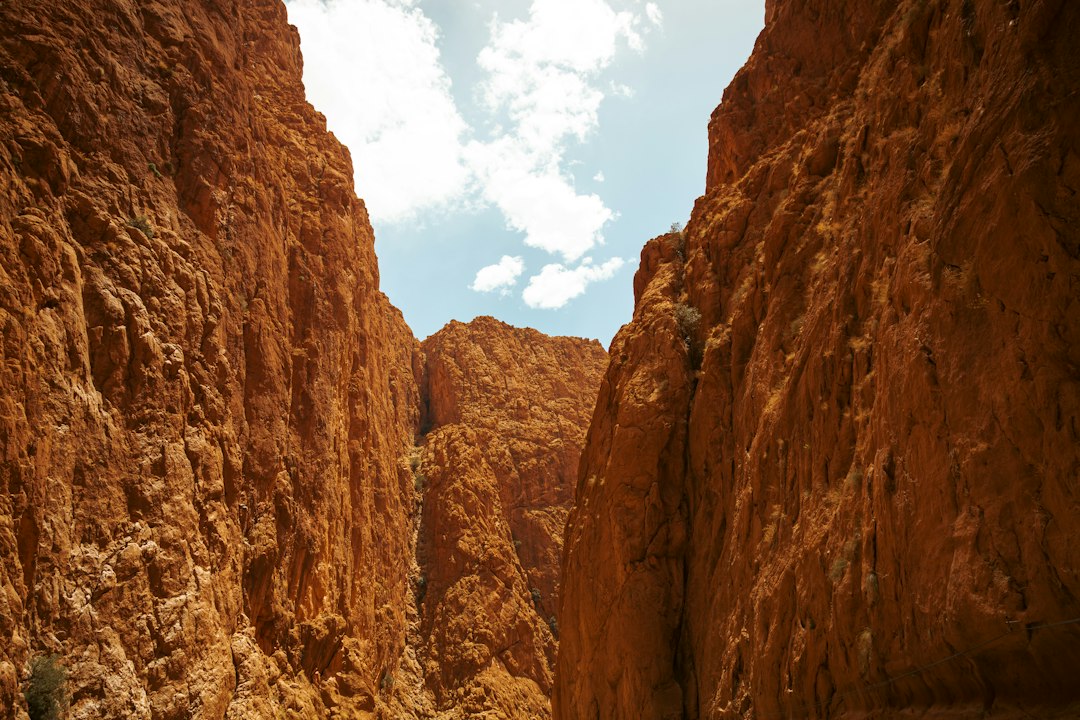
The unforgiving desert sun beat down on the Moroccan landscape, a familiar adversary for the team of archaeologists meticulously excavating a sprawling site. What began as a routine survey in the Souss-Massa region, an area historically recognized for its potential archaeological richness, has rapidly transformed into one of the most significant discoveries of the decade. A precisely dug trench, guided by advanced geophysical imaging and centuries of local folklore, has yielded an astonishing array of artifacts and structural remnants, pointing towards the existence of previously undocumented ancient civilizations that once flourished in this corner of North Africa. The implications of these findings are far-reaching, promising to rewrite our understanding of early human settlement, trade networks, and cultural development in the Maghreb.
Whispers from the Earth: The Genesis of the Discovery
The initial impetus for the excavation stemmed from anomalies detected through ground-penetrating radar during an unrelated geological survey. These readings suggested a complex underground structure that defied natural formation. Coupled with persistent local tales of “lost cities” buried beneath the sands, the archaeological team, led by the renowned Professor Amara Dubois, secured funding for a targeted investigation. The chosen location, a seemingly unremarkable expanse of arid terrain, proved to be anything but. The first few days of digging were arduous, the earth stubbornly resisting their efforts. However, on the fifth day, a glint of worked stone, followed by the unmistakable outline of a deliberately laid foundation, signaled that they were on the cusp of something extraordinary. The trench, initially planned to be a few meters deep, quickly expanded as the scale of the buried settlement became apparent. It wasn’t merely a small encampment; it was the exposed edge of a substantial urban center. The team’s meticulous approach, employing both modern technology and traditional archaeological techniques, allowed them to painstakingly uncover layer upon layer of history, each revealing a new facet of these forgotten people. The initial excitement was palpable, an almost electric charge running through the camp as each new discovery was cataloged. The sheer depth of the strata indicated a long and continuous habitation, suggesting a society that had evolved and adapted over centuries, if not millennia.
Geophysical Anomalies: The Silent Foretellers
The journey from a hunch to a full-blown excavation was significantly propelled by advanced geophysical surveying. Prior to any physical digging, the team utilized a combination of magnetometry and electrical resistivity tomography. These non-invasive techniques allowed them to map the subsurface without disturbing the soil. The magnetometry data revealed distinct magnetic signatures indicative of fired clay structures, hearths, and possibly iron smelting sites, suggesting industrial activity. The electrical resistivity tomography, on the other hand, highlighted variations in the electrical conductivity of the soil, pointing to the presence of buried walls, ditches, and even potential water channels. These anomalies were not random; they formed a coherent pattern that suggested a planned settlement with a complex infrastructure. Professor Dubois described these initial readings as “the earth whispering secrets to our instruments,” a silent testament to the human activity that had once shaped the landscape. The patterns observed were unlike anything previously documented in the immediate region, hinting at a unique cultural footprint. The data was so compelling that it bypassed the usual lengthy approval processes, securing an emergency grant for immediate exploration. The clarity of the subsurface images, depicting geometric shapes and linear features, was particularly exciting, immediately suggesting organized human construction rather than natural geological formations.
Oral Traditions: The Echoes of the Past
Complementing the scientific data were the rich oral traditions of the local Berber communities. For generations, stories have been passed down, speaking of a prosperous city that was swallowed by the desert. These tales, often dismissed as folklore, provided a crucial cultural context for the archaeological team. Elders recounted narratives of advanced masonry, vast trading routes that extended far beyond the known historical reach, and a people who possessed knowledge of astronomy and irrigation. While the archaeologists approached these stories with scientific skepticism, they also recognized the potential for embedded historical truths. Professor Dubois made a point of engaging with community elders, meticulously documenting their accounts. The descriptions of specific architectural styles and agricultural practices, though vague, often found uncanny parallels with the emerging evidence from the trench. The shared knowledge, bridging the gap between the ancient and the modern, became an invaluable guiding light, often directing the team towards areas of particular interest that might have been overlooked by purely scientific methods. The elders’ insistence on the importance of water management in their ancestral stories, for instance, prompted a focused search for evidence of sophisticated irrigation systems, which later proved to be a key feature of the settlement.
Recent archaeological discoveries in Morocco have shed light on the region’s rich history, revealing artifacts that date back thousands of years. These findings not only enhance our understanding of ancient civilizations but also highlight the importance of preserving such sites for future research. For those interested in safeguarding their financial future amidst economic uncertainties, a related article discusses strategies for protecting your 401(k) in an economic collapse. You can read more about it here: Protecting Your 401(k) in an Economic Collapse.
Unearthing the Foundations: A Glimpse into Daily Life
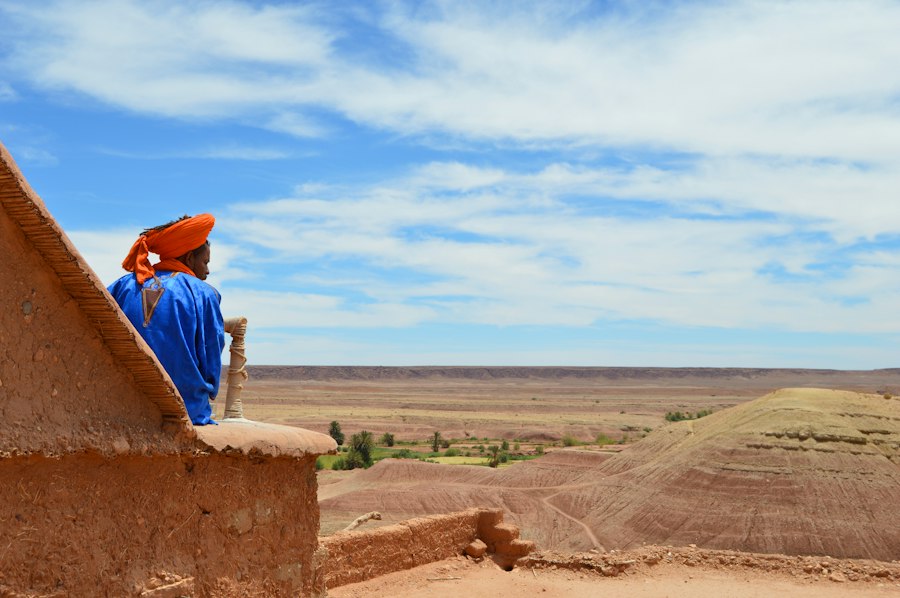
As the excavation progressed deeper, the true complexity of the unearthed settlement began to materialize. The trench revealed not just isolated artifacts, but a sophisticated urban layout, complete with residential areas, public spaces, and evidence of advanced craftsmanship. The sheer volume and variety of recovered materials painted a vivid picture of a vibrant society with a developed economy and intricate social structures. The meticulous excavation process ensured that every find was cataloged with its precise stratigraphy, allowing for a chronological understanding of the settlement’s development and eventual decline. The painstaking cleaning and conservation of fragile artifacts were paramount, revealing details that spoke volumes about the daily lives and beliefs of these ancient inhabitants. The discovery of intact pottery shards, tools, and even personal adornments provided tangible links to the people who once walked these grounds, transforming abstract historical narratives into concrete realities.
Architectural Marvels: Structures of a Lost Metropolis
The most striking aspect of the discovery has been the revelation of remarkably well-preserved architectural remains. The team has uncovered the foundations of what appear to be multi-story buildings, constructed from meticulously cut and fitted stone blocks. The precision of the stonework suggests a highly skilled labor force and a sophisticated understanding of engineering. Evidence of internal divisions within structures indicates designated living quarters, workshops, and possibly even communal spaces. The presence of what are believed to be drainage systems and rudimentary plumbing further underscores the advanced nature of the settlement’s infrastructure. The scale of the unearthed walls and courtyards hints at a planned urban environment, designed for efficient living and communal interaction. One particularly significant find is a large, central courtyard with what appears to be a raised platform, possibly used for public gatherings, ceremonies, or market activities. The sheer architectural ambition evident in these ruins challenges existing assumptions about the capabilities of early societies in this region.
Domesticity and Craftsmanship: Tools of a Bygone Era
Beyond the grand structures, the trench has yielded a treasure trove of domestic and utilitarian artifacts. Thousands of pottery shards have been recovered, many still bearing intricate geometric patterns and symbolic motifs. These designs offer insights into the aesthetic sensibilities and potential spiritual beliefs of the people. The analysis of pottery composition is also providing crucial information about trade networks, as the materials used are not indigenous to the immediate area. Alongside pottery, numerous tools have been unearthed, including flint implements, bronze blades, and bone needles, demonstrating a mastery of various materials and crafting techniques. The presence of grinding stones and pestles suggests agricultural activities and food preparation, while fragments of woven textiles hint at sophisticated textile production. The discovery of small, intricately carved figurines, possibly representing deities or household spirits, offers a tantalizing glimpse into their spiritual practices and worldview. These everyday objects, often overlooked in grander archaeological narratives, are crucial for reconstructing the nuanced tapestry of daily life.
Tracing the Threads of Trade and Culture: Connections Across Continents
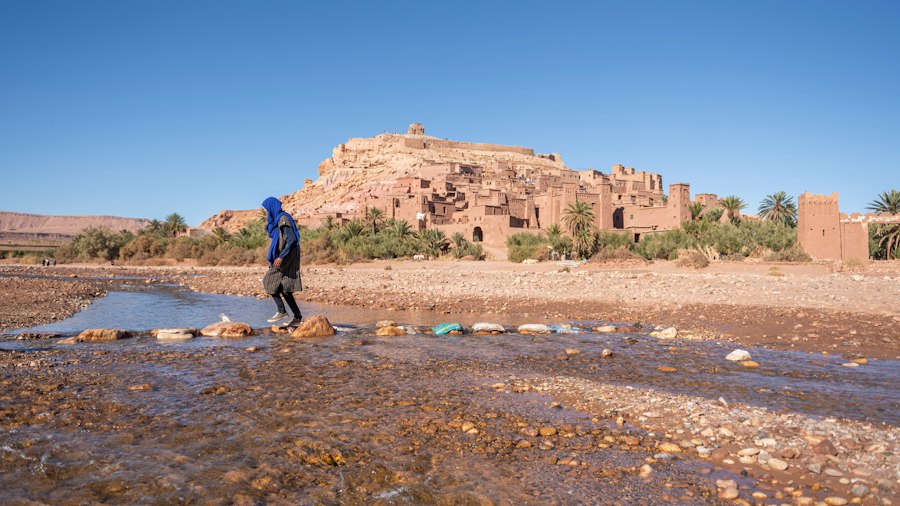
The artifacts emerging from the Moroccan trench are not merely relics of a localized civilization; they are crucial pieces of a much larger puzzle, revealing extensive trade networks and cultural exchanges that stretched across vast distances. The presence of materials and artistic styles that are geographically incongruous with the Souss-Massa region strongly suggests active interaction with distant communities. This evidence is fundamentally reshaping our understanding of ancient globalization and the interconnectedness of early societies. The careful examination and comparative analysis of these finds are providing an unprecedented opportunity to map these historical arteries of commerce and cultural diffusion.
Exotic Materials: Journeys Across Land and Sea
The most compelling evidence for extensive trade comes from the identification of exotic materials. Samples of lapis lazuli, a gemstone originating from Afghanistan, have been found, a remarkable testament to the reach of these ancient trade routes. Similarly, fragments of obsidian, a volcanic glass likely sourced from Italy or other Mediterranean volcanic regions, have been recovered. The presence of specific types of marble, not naturally occurring in Morocco, further supports the hypothesis of long-distance procurement. The analysis of metal artifacts, including bronze alloys, is also revealing the origin of the raw materials. These discoveries indicate that the inhabitants of this Moroccan settlement were not isolated but actively engaged in a complex web of exchange, traversing formidable geographical barriers. The sheer effort required to transport these materials across such distances speaks to the high value placed on them, likely for both practical and symbolic purposes within their society.
Artistic Influences: A Melting Pot of Styles
The artistic motifs and decorative styles found on pottery, carvings, and metalwork reveal a fascinating amalgamation of influences. Geometric patterns that bear a striking resemblance to those found in ancient Egyptian art have been identified, alongside decorative elements reminiscent of Carthaginian craftsmanship. There are also unique stylistic elements that appear to be indigenous, suggesting a dynamic interplay between external inspirations and local artistic traditions. The consistent presence of certain symbolic elements across different artifact types hints at a shared cultural understanding or a widely recognized iconography. This cultural syncretism is a powerful indicator of sustained contact and exchange, not just of goods, but of ideas, beliefs, and artistic techniques. The degree to which these diverse influences are integrated suggests a sophisticated ability to absorb and adapt foreign elements, creating a distinct and vibrant cultural identity.
Chronological Clues and Societal Evolution: Piecing Together the Timeline
The archaeological trench has provided invaluable data for establishing a chronological framework for the unearthed settlement and understanding its evolution over time. By carefully analyzing the stratigraphy – the layers of earth and debris – and applying radiocarbon dating to organic materials, the team is able to reconstruct the timeline of habitation, development, and eventual abandonment. This process is not merely about assigning dates; it is about understanding the dynamic changes that occurred within the society itself, from its formative stages to its zenith and eventual decline. The findings are already beginning to challenge established timelines for human settlement and societal complexity in North Africa.
Radiocarbon Dating: Anchoring the Past in Time
The application of radiocarbon dating has been instrumental in providing absolute chronological anchors for the excavated layers. Samples of charcoal from hearths, bone fragments, and preserved organic matter have been sent to specialized laboratories for analysis. The results are gradually painting a picture of when the settlement was occupied, with preliminary dates suggesting habitation stretching back several millennia. The early dates are particularly significant, pushing back the known timeline of complex human settlements in this region considerably. By dating different layers, the archaeologists can also discern periods of significant growth, decline, or even abandonment and reoccupation, offering insights into the ebb and flow of the civilization’s fortunes. The meticulous process of sample collection and preparation ensures the accuracy of these dates, minimizing potential contamination and providing a reliable foundation for historical reconstruction.
Stratigraphic Analysis: Layers of History Revealed
The meticulous excavation of the trench has allowed for detailed stratigraphic analysis, the study of the order and relationship of the layers of earth and artifacts. Each distinct layer represents a period of time, with the deepest layers being the oldest and the uppermost being the most recent. By carefully documenting the contents of each layer, including the types of pottery, tools, architectural remains, and organic materials, the archaeologists can reconstruct the sequence of events. Changes in material culture from one layer to the next can indicate shifts in technology, trade partners, or cultural practices. The presence of distinct architectural phases within the settlement, revealed through changes in building materials and construction techniques across different strata, further illuminates the society’s developmental trajectory. This layered approach to excavation is crucial for understanding the nuanced evolution of the settlement and its inhabitants.
Recent discoveries in Morocco’s archaeological trench have shed light on the ancient civilizations that once thrived in the region, revealing artifacts that offer insights into their daily lives and cultural practices. This excavation is part of a larger trend in archaeology, where researchers are uncovering the interconnectedness of ancient societies. For those interested in exploring how these findings relate to the broader historical context, a fascinating article discusses the significance of ancient river systems in shaping civilizations, which you can read here: the river engine powering the two crowns.
Unanswered Questions and Future Prospects: The Ongoing Quest for Knowledge
| Metric | Details |
|---|---|
| Location | Various sites across Morocco, including the Rif Mountains and the Sahara Desert |
| Trench Dimensions | Typically 2m wide by 10-20m long, depth varies from 1m to 5m |
| Period Covered | Prehistoric to Medieval periods (approx. 300,000 BCE to 1500 CE) |
| Common Finds | Stone tools, pottery shards, human and animal bones, architectural remains |
| Excavation Methods | Stratigraphic excavation, grid system, carbon dating, GIS mapping |
| Average Artifacts per Trench | 150-300 artifacts depending on site and period |
| Notable Sites | Jebel Irhoud, Taforalt Cave, Volubilis |
| Research Institutions | Institut National des Sciences de l’Archéologie et du Patrimoine (INSAP), University of Rabat |
| Conservation Status | Many sites protected under Moroccan heritage laws, ongoing preservation efforts |
While the Moroccan archaeological trench has already yielded groundbreaking discoveries, it has also opened a Pandora’s Box of new questions. The sheer scale of the unearthed settlement and the complexity of the artifacts suggest a civilization with a rich and multifaceted history, much of which remains shrouded in mystery. The team is acutely aware that this is not an endpoint, but rather the beginning of a prolonged and intensive research endeavor. The ongoing analysis of the recovered materials, coupled with potential future excavations, promises to further illuminate the secrets of these ancient peoples and their place in the broader tapestry of human history. The potential for future discoveries is immense, offering a tantalizing glimpse into what else might lie hidden beneath the Moroccan sands.
Deciphering the Unwritten: Language, Religion, and Governance
One of the most significant challenges ahead lies in deciphering the unwritten history of these ancient people. While the artifacts provide tangible evidence of their existence and way of life, direct textual evidence, such as inscriptions or written records, is currently absent. This absence makes it difficult to definitively understand their language, their formal religious practices, and the structure of their governance. The interpretation of symbolic motifs on pottery and carvings offers tantalizing hints, but remains speculative without linguistic keys. Future research will focus on comparative analysis with known ancient scripts and religious practices in neighboring regions, hoping to find contextual clues. The discovery of possible administrative or ceremonial structures might offer indirect insights into their societal organization, but definitive conclusions will require further evidence. The ongoing work of linguistic anthropologists and epigraphists will be crucial in this endeavor, even in the absence of direct written records.
The Scope of Excavation: Expanding the Frontiers of Discovery
The current excavation has revealed only a fraction of the potential urban center. The geophysical data suggests that the settlement extends far beyond the initial trench, encompassing a much larger area. Future excavation plans are already being developed to explore these adjacent zones, with the hope of uncovering additional residential areas, public buildings, and perhaps even burial grounds, which could provide crucial demographic and social information. The sheer magnitude of the site necessitates a long-term commitment, requiring significant resources and international collaboration. The challenges of working in such an arid environment, including the need for careful preservation of delicate artifacts and the protection of the site from natural elements, are also significant considerations for future phases of work. The hope is that with continued exploration, a more complete picture of this lost civilization will emerge, adding a vital chapter to the annals of human history.

They Found a 4,000-Year-Old Defense Line in Morocco
FAQs
What is the purpose of the archaeological trench in Morocco?
The archaeological trench in Morocco is dug to uncover and study ancient artifacts, structures, and other remains that provide insights into the history and culture of the region.
How deep is the archaeological trench typically dug in Morocco?
The depth of the archaeological trench in Morocco can vary depending on the specific site and research goals, but it is usually dug several meters deep to reach different layers of historical significance.
What tools and techniques are used to excavate the archaeological trench in Morocco?
Archaeologists in Morocco use a variety of tools and techniques such as shovels, trowels, brushes, and sieves to carefully excavate the trench and sift through the soil to uncover artifacts. They also employ advanced technologies like ground-penetrating radar and 3D scanning to aid in their research.
What have archaeologists discovered in the archaeological trench in Morocco?
Archaeologists in Morocco have discovered a wide range of artifacts including pottery, tools, jewelry, and human remains. These findings have provided valuable information about the ancient civilizations that once thrived in the region.
How does the excavation of the archaeological trench in Morocco contribute to our understanding of history?
The excavation of the archaeological trench in Morocco helps researchers piece together the puzzle of the past by uncovering evidence of past societies, their daily lives, beliefs, and interactions with other cultures. This information contributes to a deeper understanding of the history and development of the region.