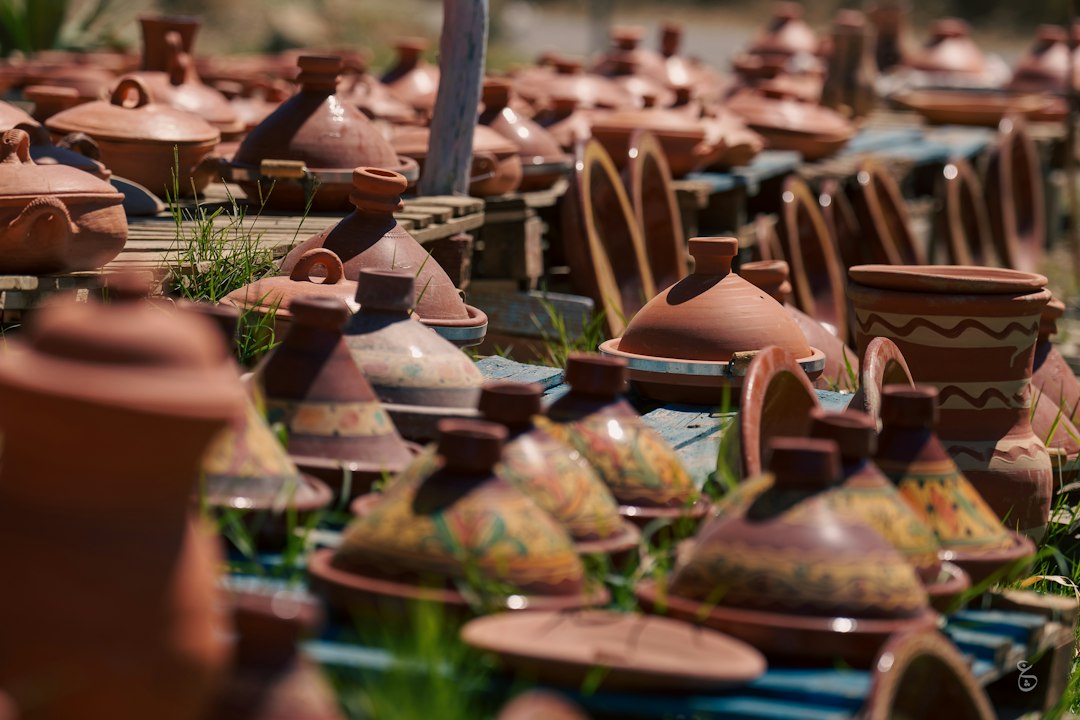
The ochre dust of millennia settled long ago, yet the vibrant pigments on Moroccan prehistoric pottery whisper tales of a vibrant past. These ancient vessels, unearthed from arid plains and sheltered caves, represent far more than mere utilitarian objects. They are canvases bearing witness to early human ingenuity, artistic expression, and the complex social fabric of North Africa’s earliest inhabitants. The study of this painted pottery offers a profound window into a world that, though distant, shaped the very foundations of cultural heritage in the region.
Echoes from the Neolithic Dawn: The Earliest Ceramic Expressions
The emergence of pottery marked a significant technological leap for prehistoric communities, and Morocco is no exception. The earliest painted ceramics found within its borders offer a tantalizing glimpse into the initial stages of this revolutionary craft, demonstrating a surprising sophistication in both form and decoration. These artifacts are crucial for understanding the transition from nomadic lifestyles to more settled agricultural communities, as pottery facilitated food storage, preparation, and transport.
Unearthing the Foundations: Sites and Discoveries
Archaeological excavations across Morocco have brought to light numerous sites yielding prehistoric painted pottery. From the cave systems of the Rif Mountains to the arid expanses of the Sahara and the Atlantic coast, these discoveries have painted a rich picture of ceramic traditions. Early sites, often associated with Neolithic settlements, have provided the most abundant and significant finds. The meticulous work of archaeologists, dating these artifacts through various methods, has allowed researchers to establish timelines and trace the development of ceramic technology and artistic styles. The sheer volume and variety of pottery fragments suggest widespread and enduring ceramic production.
Early Stylistic Signatures: Geometric Patterns and Symbolism
The earliest painted decorations are characterized by a distinct set of motifs. Predominantly, these consist of geometric patterns – lines, dots, chevrons, and zigzags – often executed in earthy tones of red, brown, and black. These designs are not merely decorative; they likely held symbolic meaning, representing elements of the natural world, cosmological beliefs, or social affiliations. The application of these patterns, whether by incising before firing or by painting with mineral pigments, demonstrates a deliberate and skilled hand. The careful repetition and arrangement of these geometric forms suggest a nascent understanding of design principles and an aesthetic sensibility that valued order and harmony.
Morocco’s prehistoric painted pottery offers a fascinating glimpse into the artistic and cultural practices of ancient societies in the region. This unique form of expression not only showcases the creativity of early artisans but also provides valuable insights into the social and economic dynamics of the time. For those interested in understanding the broader implications of cultural artifacts in the context of regional history, a related article discussing the complexities of Middle Eastern geopolitics can be found at Navigating Middle East Geopolitics: Challenges and Opportunities. This resource highlights how historical narratives, including those shaped by archaeological findings, continue to influence contemporary political landscapes.
The Artistic Flourish: Evolution of Decorative Motifs
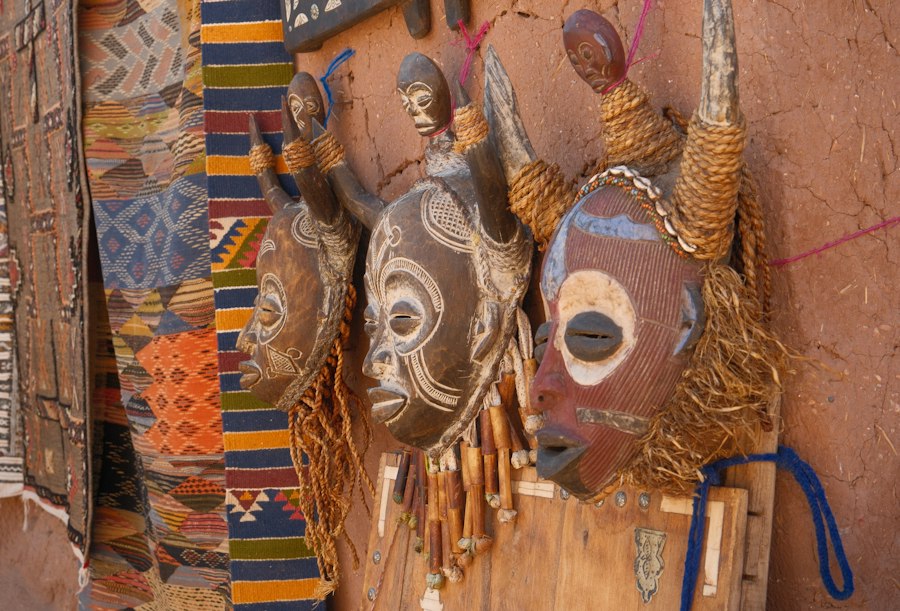
As prehistoric societies in Morocco progressed, so too did their artistic expressions on pottery. The Neolithic period, in particular, witnessed a flourishing of decorative styles, moving beyond simple geometric arrangements to incorporate more complex imagery and a wider palette of colors. This evolution reflects not only advancements in ceramic technology but also a deepening of cultural identity and the development of more intricate belief systems.
Beyond Geometry: Zoomorphic and Anthropomorphic Representations
A significant development in Moroccan prehistoric pottery is the increasing appearance of zoomorphic (animal) and anthropomorphic (human-like) figures. These representations are often stylized, drawing from the fauna and human forms prevalent in the contemporary environment. Animals such as cattle, sheep, and birds are frequently depicted, perhaps reflecting their importance in daily life, religious practices, or as symbols of power and fertility. Human figures, though rarer and more abstract, also appear, offering insights into social structures, rituals, or mythical narratives. The integration of these representational elements alongside geometric designs signifies a more complex visual language.
The Spectrum of Color: Pigments and Their Sources
The colors adorning these ancient pots are derived from natural mineral pigments. Iron oxides provided the ubiquitous reds and browns, while manganese and charcoal contributed to blacks and dark grays. The meticulous sourcing and preparation of these pigments speak to an intimate knowledge of the local geology and environment. The application of these colors, whether through direct painting or by using slips, required skill and precision. The durability of these pigments, even after millennia of burial, is a testament to the effectiveness of prehistoric techniques and the quality of the materials used. The subtle variations in color and texture add another layer of richness to these ancient artifacts.
Context and Function: Beyond Decoration
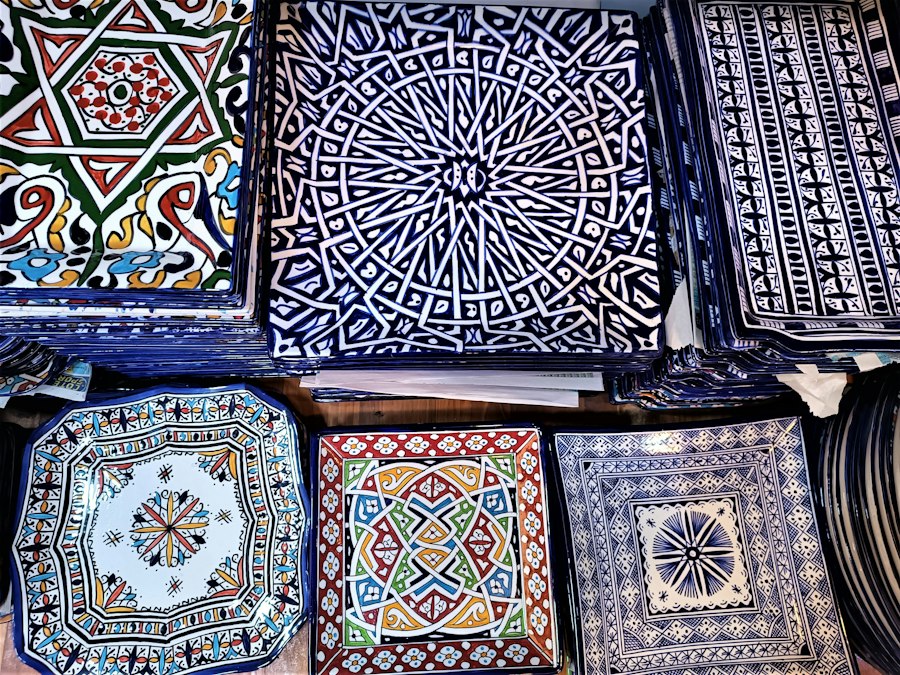
The painted pottery of prehistoric Morocco was not solely created for aesthetic appeal. Its forms, decoration, and the context in which it was found all point to a multifaceted role within these ancient societies, serving practical, social, and perhaps even spiritual purposes. Understanding these functions is key to appreciating the holistic significance of these artifacts.
Culinary and Storage Vessels: Practical Applications
The most fundamental function of pottery was undoubtedly utilitarian. Large vessels were used for storing grains, water, and other foodstuffs, essential for settled communities. Smaller pots and bowls served for cooking, mixing, and serving meals. The durability and fire-resistance of ceramic made it an invaluable material for these daily tasks. The shapes of these vessels – wide mouths for accessibility, rounded bases for stability, and handles for carrying – are all indicative of practical design considerations that evolved over time. The presence of residues within some pots further confirms their use in food preparation and storage.
Social and Ritual Significance: Communal Identity and Belief
The painted decorations likely played a crucial role in defining social groups and expressing shared beliefs. Specific patterns or motifs might have signified clan affiliations, social status, or participation in particular ceremonies. The creation and use of decorated pottery could have been a communal activity, fostering social cohesion. Furthermore, certain vessels, perhaps elaborately decorated, may have been reserved for ritualistic purposes, used in ceremonies related to fertility, death, or appeasing deities. The careful placement of pottery in burials also suggests a connection to beliefs about the afterlife. The uniformity or diversity of styles across different sites can offer clues about inter-community relations and the spread of cultural ideas.
Regional Variations and Chronological Development: A Moroccan Mosaic
Prehistoric painted pottery in Morocco is not a monolithic entity. Archaeological evidence reveals distinct regional variations and a discernible chronological development in styles, techniques, and iconography. Studying these differences allows for a more nuanced understanding of the cultural landscape of ancient North Africa.
The Sahara’s Influence: Desert Aesthetics
The prehistoric Sahara, once a greener and more hospitable region, also boasts a rich tradition of painted pottery, with significant connections to Moroccan finds. Styles found in the Moroccan Sahara often exhibit a shared aesthetic with contemporary Saharan cultures, characterized by robust forms and dynamic decorative patterns. Motifs might include representations of animals adapted to arid environments, as well as geometric designs that may have conveyed cosmological significance related to the sun, stars, and water. The trade routes that once traversed these vast landscapes undoubtedly facilitated the exchange of ideas and artistic influences, leading to a convergence of certain stylistic elements.
The Coastal and Inland Divide: Environmental Adaptation
The pottery traditions of Morocco’s coastal regions often exhibit subtle differences from those found further inland or in the Sahara. Coastal communities, with access to different resources and perhaps different social structures, may have developed distinct artistic preferences. For instance, coastal pottery might feature different clay compositions or employ specific decorative motifs that reflect maritime life or trade. Inland communities, particularly those in mountainous or savanna-like environments, might have incorporated imagery and patterns more closely tied to their specific ecological niches. These regional distinctions highlight the adaptive nature of prehistoric art and its deep connection to the environment.
Morocco’s prehistoric painted pottery offers a fascinating glimpse into the artistic expressions of ancient cultures, showcasing intricate designs that reflect the social and spiritual lives of their creators. For those interested in exploring the broader implications of how historical artifacts can influence modern governance and asset management, a related article discusses the complexities of government-controlled assets and their impact on society. You can read more about this intriguing connection in the article here.
Legacy and Preservation: Safeguarding Ancient Art
| Metric | Details |
|---|---|
| Period | Neolithic to Bronze Age (circa 6000 – 2000 BCE) |
| Location | Various prehistoric sites in Morocco, including Taforalt and Ifri Oudadane |
| Material | Clay with mineral-based pigments |
| Common Colors | Red, black, white, and sometimes yellow |
| Design Motifs | Geometric patterns, zigzags, dots, and stylized animal figures |
| Function | Storage, cooking, ceremonial use |
| Significance | Provides insight into early human artistic expression and cultural practices in North Africa |
| Notable Discoveries | Painted pottery shards found in caves and burial sites |
The prehistoric painted pottery of Morocco represents an invaluable part of global cultural heritage. Its study continues to offer profound insights into the lives of our ancestors, and its preservation is a crucial undertaking for future generations. Protecting these fragile artifacts from degradation and ensuring their continued study requires a concerted effort.
Archaeological Significance: Unlocking Past Worlds
These ceramic fragments are primary sources of information for archaeologists. They provide evidence of early technologies, social organization, artistic capabilities, and belief systems. By meticulously analyzing the materials, forms, and decorative elements, researchers can reconstruct aspects of prehistoric life that would otherwise remain hidden. The distribution of pottery styles can also help map ancient trade routes and migration patterns. Each shard is a piece of a much larger puzzle, contributing to our understanding of human history.
Challenges of Conservation: Protecting Fragile Relics
Prehistoric pottery, especially when unearthed, is often fragile and susceptible to environmental damage. Exposure to moisture, temperature fluctuations, and even physical handling can lead to deterioration. Modern conservation techniques play a vital role in stabilizing these artifacts, preventing further decay, and ensuring their long-term survival. This includes careful cleaning, consolidation of fragile areas, and controlled storage environments. Research into new conservation methods is ongoing to better protect these precious remnants of the past.
The Future of Research: Ongoing Discoveries and Interpretation
The study of Moroccan prehistoric painted pottery is far from complete. New archaeological discoveries continue to be made, offering fresh perspectives and challenging existing theories. Ongoing research focuses on applying advanced analytical techniques, such as residue analysis and pigment sourcing, to gain deeper insights into the composition and use of these artifacts. Furthermore, interdisciplinary approaches, combining archaeology with ethnoarchaeology, anthropology, and art history, are enriching our understanding of the cultural context and symbolic meaning embedded within these ancient decorations. The ongoing quest to decipher the visual language of these early artisans promises to reveal even more about the rich cultural tapestry of prehistoric Morocco.
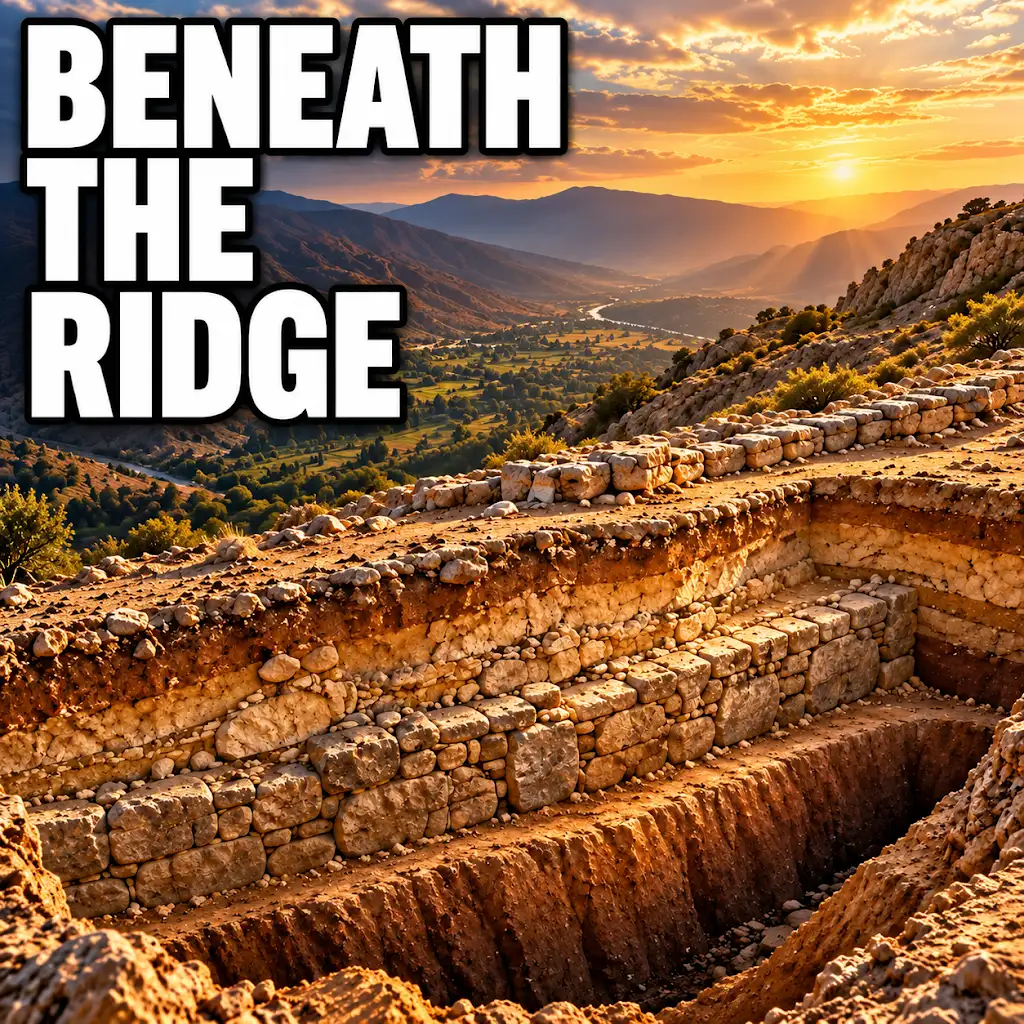
They Found a 4,000-Year-Old Defense Line in Morocco
FAQs
What is prehistoric painted pottery?
Prehistoric painted pottery refers to ceramic vessels that were created during prehistoric times and decorated with painted designs or motifs. These artifacts provide valuable insights into the artistic and cultural practices of ancient civilizations.
Where was prehistoric painted pottery found in Morocco?
Prehistoric painted pottery has been found in various regions of Morocco, including sites in the Atlas Mountains, the Rif Mountains, and the coastal areas. These archaeological discoveries have helped researchers understand the early inhabitants of the region.
What time period does Morocco prehistoric painted pottery date back to?
Morocco prehistoric painted pottery dates back to the Neolithic period, which began around 10,000 BC in North Africa. These artifacts are believed to have been created by some of the earliest settled communities in the region.
What techniques were used to create prehistoric painted pottery in Morocco?
Artisans in Morocco used various techniques to create prehistoric painted pottery, including painting designs with natural pigments, incising patterns into the clay, and using different firing methods to achieve desired colors and finishes.
What do the designs on Morocco prehistoric painted pottery represent?
The designs on Morocco prehistoric painted pottery often depict geometric patterns, animals, plants, and symbols that were significant to the ancient cultures that created them. These motifs may have held religious, cultural, or symbolic meanings for the people of that time.