The arid plains of Morocco, long known for their vibrant souks, intricate tilework, and ancient kasbahs, have yielded a discovery that pushes the boundaries of recorded history. Beneath layers of sand and time, archaeologists have unearthed what is believed to be a 4,000-year-old defensive line, an immense fortification system that predates many of the iconic structures Morocco is famed for. This colossal undertaking, crafted with surprising sophistication by ancient hands, speaks volumes about the early inhabitants of North Africa and their intricate social structures, their strategic thinking, and their capacity for large-scale communal projects. The implications of this find are profound, offering a tantalizing glimpse into a period of Moroccan history previously shrouded in speculation and limited evidence.
Echoes from the Bronze Age: Unveiling the Chronology of the Fortifications
The discovery of these ancient defenses has been a painstaking process, involving meticulous excavation, radiocarbon dating, and comparative analysis with other Bronze Age sites across the Mediterranean and North Africa. Initial findings suggest a construction period dating back approximately four millennia, placing these fortifications firmly within the Moroccan Bronze Age. This era, often characterized by the emergence of more complex societies, settled agriculture, and early forms of metallurgy, is now being re-examined in light of this monumental revelation. The sheer scale of the unearthed structures indicates a level of organization and resource management that was previously underestimated for this period in the region.
The Significance of Bronze Age Morocco
Prior to this discovery, understanding of Bronze Age Morocco often relied on scattered artifacts and limited archaeological evidence. While settlements and burial sites provided some insights into daily life and societal organization, the concept of large-scale defensive infrastructure of this magnitude was largely absent from scholarly discourse. The unearthed fortifications challenge this perception, suggesting that early Moroccan societies were not merely agrarian communities but were also capable of undertaking ambitious military and civil engineering projects. The presence of such extensive defenses hints at a period of significant population density, established political entities, and possibly inter-tribal conflicts or external threats that necessitated such a formidable undertaking. The implications extend beyond Morocco, potentially reshaping our understanding of Bronze Age civilization across the wider North African and Mediterranean spheres.
Dating the Stones: The Science Behind the Age Assessment
The precise dating of the Moroccan fortifications has been a crucial aspect of their identification as a 4,000-year-old defense line. Radiocarbon dating of organic materials found within the construction layers, such as charcoal from hearths or remnants of wooden beams used in the construction, has provided a robust temporal framework. These dates, cross-referenced with typological analysis of pottery shards and stone tools discovered at the site, consistently point to the Bronze Age. Further research involves analyzing the sedimentary layers surrounding the fortifications, which can reveal environmental changes and the chronological context of human activity. The consistency of these dating methods across multiple excavation points lends significant weight to the assertion of a 4,000-year-old origin for these defensive structures, marking a substantial leap in our understanding of Morocco’s ancient past.
The discovery of a 4,000-year-old defense line in Morocco has sparked significant interest among archaeologists and historians, shedding light on the ancient civilizations that once thrived in the region. This remarkable find not only highlights the strategic military ingenuity of past societies but also opens up discussions about their agricultural practices and resource management. For those interested in the innovative methods used by ancient cultures, a related article explores the fascinating topic of wind harvesting in antiquity. You can read more about it here: Uncovering Ancient Secrets of Wind Harvesting.
Architectural Marvels of a Bygone Era: The Design and Construction Techniques
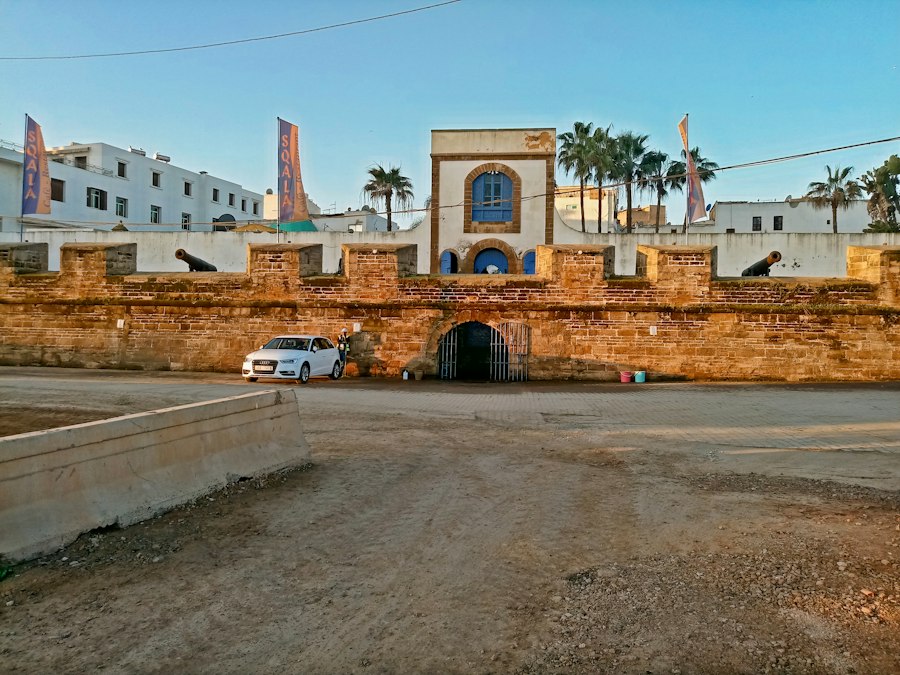
The fortifications themselves are a testament to the ingenuity and practical skills of their builders. Composed of massive, carefully interlocked stone blocks, these walls exhibit a surprising degree of architectural sophistication. Their design suggests a deep understanding of defensive principles, incorporating features aimed at maximizing their efficacy against potential assailants. The sheer labor involved in quarrying, transporting, and positioning these colossal stones speaks to a highly organized society with a well-established hierarchy and a capacity for mobilizing a significant workforce.
The Scale and Scope of the Defensive Network
The “defense line” is not a single, isolated wall, but rather a sprawling network of interconnected fortifications. This interconnectedness suggests a strategic approach to territorial defense, encompassing a wide area rather than focusing on a single vulnerable point. The sheer scale is staggering; initial surveys indicate that the fortifications stretch for many kilometers, forming a protective barrier around what was likely a significant settlement or a strategically important region. The layout of these defenses, including watchtowers, bastions, and possibly even interconnected communication routes, reveals a sophisticated understanding of military tactics and strategic positioning. The discovery team is still in the process of mapping the full extent of this ancient defensive system, but early estimates suggest it is one of the most extensive Bronze Age fortifications ever found in North Africa.
Materials and Methods: Engineering an Ancient Rampart
The construction materials employed are predominantly local stone, with evidence of careful selection and shaping. Large, irregular blocks are often fitted together with remarkable precision, minimizing gaps and creating a formidable barrier. In some sections, smaller stones and packed earth were used to reinforce the core of the walls, adding stability and height. The construction techniques suggest a laborious but effective method of building. Evidence of ramps and scaffolding, though not always preserved, can be inferred from the size and placement of the stones. The presence of worked stone tools, such as hammers and chisels, further supports the idea of a skilled workforce dedicated to shaping and placing these monumental blocks. The meticulous fitting of stones, often without the use of mortar, highlights the builders’ understanding of load-bearing principles and their ability to achieve structural integrity through sheer mechanical interlocking.
Life Within the Walls: Insights into Ancient Moroccan Society

Beyond their defensive function, these fortifications offer a unique window into the lives of the people who built and inhabited the settlements they protected. Excavations within and around the defensive perimeters have revealed evidence of daily life, social organization, and economic activities, painting a richer picture of Bronze Age Moroccan society than ever before. The insights gained are transforming our understanding of the region’s early inhabitants, suggesting a complexity and dynamism that was previously unrecognized.
Settlements and Daily Life: A Glimpse into Domesticity
Archaeological digs have uncovered evidence of domestic structures, hearths, and pottery within the protected areas. These findings provide tangible clues about the daily routines, diet, and living conditions of the people. The types of pottery, the presence of grinding stones, and remnants of agricultural tools suggest a society that was deeply connected to the land, likely engaged in both farming and animal husbandry. The layout of these domestic spaces, where they exist, indicates organized communities with distinct living areas, suggesting a degree of social stratification. The careful preservation of these domestic remnants allows for an intimate glimpse into the lives of ordinary people, offering a stark contrast to the monumental scale of the fortifications themselves.
Social Structures and Community Organization: Evidence of Hierarchy and Collaboration
The very existence of such a massive undertaking as a 4,000-year-old defense line strongly implies a highly organized society. The ability to mobilize a large labor force, plan and execute complex engineering projects, and maintain such a structure over extended periods points to a sophisticated social hierarchy and effective leadership. The presence of specialized roles, from quarry workers and masons to overseers and strategists, can be inferred. Furthermore, the shared purpose of defense would have necessitated a strong sense of community and collective responsibility. The discovery offers compelling evidence for established governance structures capable of coordinating such ambitious projects, challenging previous notions of potentially more decentralized or fragmented societies in Bronze Age Morocco.
Strategic Importance and Regional Context: Morocco’s Place in the Ancient World
The strategic placement of these ancient fortifications offers crucial insights into the geopolitical landscape of Bronze Age North Africa and its connections to wider regional networks. Their location suggests an awareness of trade routes, potential threats from neighboring territories, or the need to control valuable resources. Understanding the context in which these defenses were built is key to appreciating their full significance.
Trade Routes and Resource Control: Securing the Arteries of Commerce
The positioning of the fortifications often aligns with known or hypothesized ancient trade routes, both overland and potentially along coastlines. This suggests that their construction may have been motivated by the need to protect lucrative trade networks, secure valuable resources such as water sources or mineral deposits, or to exert control over regional commerce. The ability to safeguard these routes would have been paramount for the economic prosperity and survival of the communities living within the defensive perimeters. The discovery provides compelling evidence that Morocco was not an isolated region but an active participant in the ancient world’s complex web of exchange and interaction.
Interactions with Neighboring Cultures: Defense Against External Forces
The scale and robustness of the Moroccan fortifications suggest they were designed to withstand significant military pressure. This implies the existence of external threats or rivalries with neighboring cultures or tribal groups. The exact nature of these interactions remains a subject of ongoing research, but the defensive architecture itself speaks to a perception of vulnerability and a determined effort to secure territorial integrity. Comparative analysis with other Bronze Age sites in the Mediterranean and North Africa may reveal patterns of conflict or alliance, shedding light on the broader geopolitical dynamics of the era and Morocco’s place within them.
The discovery of a 4,000-year-old defense line in Morocco sheds light on the advanced engineering techniques of ancient civilizations in the region. This remarkable structure not only highlights the strategic importance of the area but also raises questions about the societal organization and military capabilities of its builders. For those interested in exploring similar ancient engineering marvels, a related article delves into various historical structures and their significance in understanding human ingenuity. You can read more about these fascinating topics in the article on ancient engineering marvels.
The Legacy of the Ancient Builders: Ongoing Research and Future Implications
| Metric | Details |
|---|---|
| Location | Morocco, North Africa |
| Age | Approximately 4,000 years old |
| Type | Ancient defense line / fortification |
| Length | Estimated several kilometers (exact length varies by source) |
| Purpose | Protection against invasions and raids |
| Construction Material | Stone and earth |
| Historical Significance | One of the oldest known defensive structures in North Africa |
| Current Condition | Partially preserved, archaeological site |
| Archaeological Studies | Ongoing research to understand construction techniques and historical context |
The discovery of Morocco’s 4,000-year-old defense line is not an end, but a beginning. Ongoing research promises to uncover even more about these remarkable structures and the people who built them. The implications of this find extend far beyond archaeology, influencing our understanding of human ingenuity, societal development, and the deep, complex history of North Africa.
Unanswered Questions and Future Excavations: Charting the Unknown
Despite the significant progress made, many questions surrounding these ancient fortifications remain unanswered. The full extent of the defensive network is still being mapped, and many sections remain unexcavated. Future research will focus on understanding the purpose of specific architectural features, the specific threats faced by the builders, and the eventual decline or abandonment of these impressive structures. Further detailed analysis of artifacts, environmental data, and comparative studies with other archaeological sites will be crucial in piecing together the complete narrative of this ancient defense system. The potential for future discoveries at this site, or others like it, is immense.
Rewriting History Books: The Enduring Significance of the Discovery
This discovery has already begun to reshape our understanding of Moroccan and North African history. It elevates the Bronze Age in the region from a period of relative obscurity to one of advanced civilization and large-scale societal organization. The sheer scale and sophistication of these ancient defenses challenge preconceived notions and necessitate a re-evaluation of the historical narrative. The legacy of these ancient builders, their organizational prowess, and their engineering skills, now stands as a testament to a rich and complex past, offering a profound connection to the deep roots of Moroccan heritage and its enduring place in the annals of human history.

They Found a 4,000-Year-Old Defense Line in Morocco
FAQs
1. What is the 4,000 year old defense line in Morocco?
The 4,000 year old defense line in Morocco refers to a series of ancient fortifications and defensive structures built across the country to protect against invasions and attacks.
2. Where is the 4,000 year old defense line located in Morocco?
The 4,000 year old defense line in Morocco stretches across various regions of the country, including the Atlas Mountains, the Sahara Desert, and the coastal areas.
3. Who built the 4,000 year old defense line in Morocco?
The 4,000 year old defense line in Morocco was built by various ancient civilizations and empires that inhabited the region over the centuries, including the Phoenicians, Romans, and Berbers.
4. What was the purpose of the 4,000 year old defense line in Morocco?
The main purpose of the 4,000 year old defense line in Morocco was to protect the territories, cities, and trade routes from external threats, such as invasions, raids, and conquests by rival civilizations.
5. Is the 4,000 year old defense line in Morocco still visible today?
Yes, many parts of the 4,000 year old defense line in Morocco are still visible today, with some structures being well-preserved while others are in ruins. Archaeologists and historians continue to study and explore these ancient defenses to learn more about Morocco’s rich history.