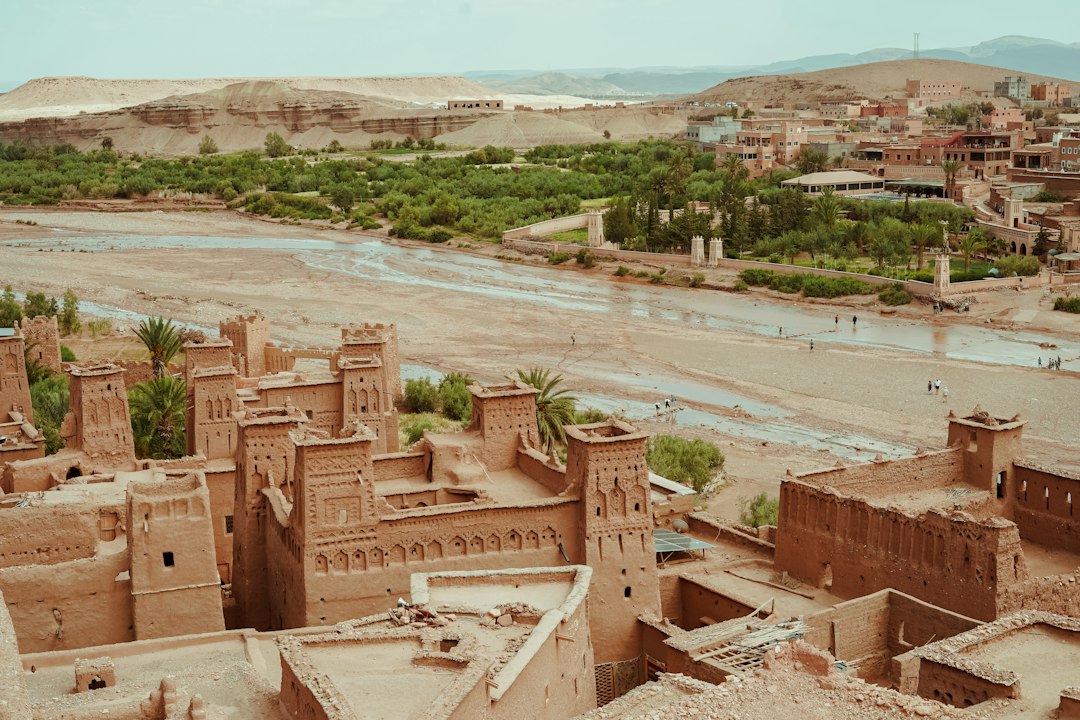
Morocco’s story is etched in layers, a testament to a land that has perpetually drawn human presence, from the earliest whispers of civilization to the vibrant pulse of its present day. This enduring allure, this repeated human occupation, is not merely a chronicle of settlements but a narrative woven from the threads of conquest, trade, cultural exchange, and an unyielding spirit of adaptation. To embark on a journey through time in Morocco is to witness a civilization in constant flux, shaped and reshaped by the very humans who called it home, leaving indelible marks on its landscapes, its cities, and its soul.
The Dawn of Settlement: Echoes from Antiquity
The story of human occupation in Morocco begins in the mists of prehistory, with archaeological evidence painting a picture of early hominid presence stretching back hundreds of thousands of years. These ancient inhabitants, though their societies were vastly different from anything we recognize today, laid the foundational human footprint on this land. Their presence is a silent testament to the intrinsic appeal of Morocco’s geography – its fertile valleys, its abundant coastline, and its strategic position at the crossroads of continents.
Early Migrations and Hunter-Gatherer Societies
The earliest waves of human migration into what is now Morocco were likely driven by environmental factors and the search for resources. Paleolithic hunter-gatherer groups, equipped with rudimentary stone tools, roamed the diverse terrains, from the Atlas Mountains to the Atlantic coast. Discoveries at sites like Dar es-Soltan and Jebel Irhoud have provided invaluable insights into their lives, revealing evidence of tool-making, early forms of social organization, and their interaction with the rich Pleistocene fauna. These nomadic peoples were the first to truly understand and inhabit the land, learning its rhythms and adapting to its challenges. Their presence, though ephemeral in terms of lasting structures, represented the initial and fundamental human occupation.
The Neolithic Revolution and the Rise of Agriculture
A significant shift in human occupation occurred with the advent of the Neolithic Revolution. The introduction of agriculture and animal husbandry transformed Moroccan society from a nomadic existence to settled communities. This period, marked by the development of pottery, polished stone tools, and the cultivation of crops, saw the establishment of more permanent settlements. Evidence of these early farming villages suggests a growing understanding of land management and a more complex social structure. The development of distinct cultural traditions began to emerge, further solidifying the human presence and its impact on the landscape through farming and resource management. This era represents a crucial step in the evolution of Moroccan civilization, moving from mere subsistence to active shaping of the environment.
Morocco’s rich history of repeated human occupation has been a subject of extensive research, shedding light on the diverse cultures that have thrived in the region over millennia. This fascinating topic is explored in depth in various articles, including one that discusses the broader implications of human exploration and settlement patterns, which can be found at this link. Understanding the layers of human history in Morocco not only enriches our knowledge of the past but also provides insights into the dynamics of cultural exchange and adaptation.
The Architects of Empire: Phoenicians, Romans, and Vandals
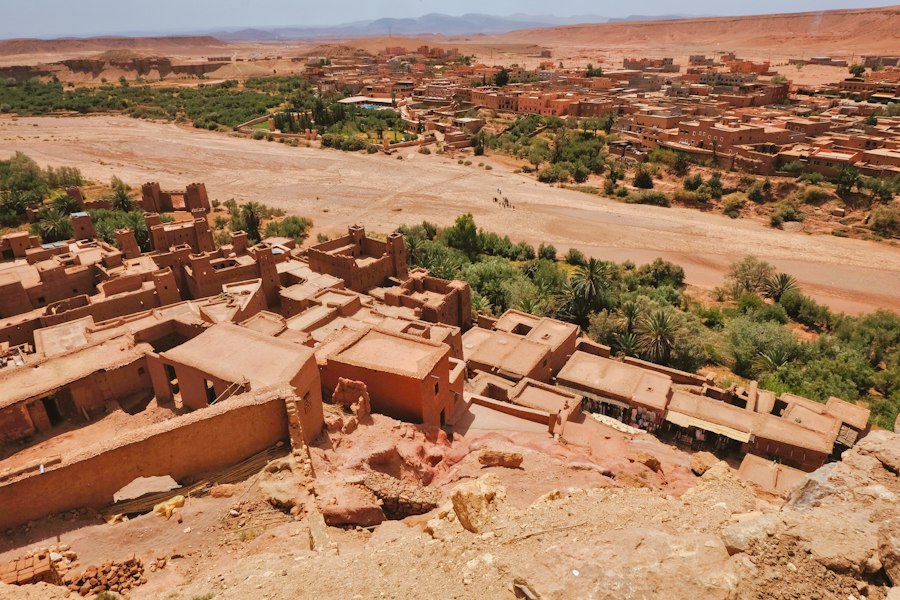
As civilizations bloomed around the Mediterranean, Morocco became an increasingly attractive stage for external powers. The strategic location of its coastline, offering access to both the Atlantic and Mediterranean, drew the attention of seafaring peoples. These interactions, initially focused on trade, gradually evolved into more significant periods of political and cultural influence, leaving an enduring legacy on Morocco’s development.
Phoenician and Carthaginian Trade Hubs
The Phoenicians, renowned mariners and traders, were among the first major external powers to establish a significant presence in Morocco. Around the 9th century BCE, they founded trading posts and colonies along the coast, most notably at Mogador (Essaouira). These settlements served as vital hubs for trade in goods such as cedarwood, ivory, and possibly metals. The Phoenicians brought with them their advanced maritime technology, their alphabet, and their sophisticated trading networks, integrating the region into the broader Mediterranean economic system. Their influence, though primarily commercial, marked a new phase of human occupation, driven by economic ambition and external engagement. Carthage, their successor state, continued this tradition, further solidifying North African ties to the wider Phoenician world.
Roman Expansion and Provincial Administration
The Roman Empire, with its insatiable appetite for expansion and resources, eventually turned its gaze towards North Africa. The Romans conquered the region in the 1st century CE, incorporating it into the vast Roman Empire as the province of Mauretania Tingitana. Roman occupation was characterized by the establishment of fortified cities, extensive road networks, and agricultural development, particularly in grain production. Cities like Volubilis, Tingis (Tangier), and Sala Colonia (Rabat) flourished under Roman rule, becoming centers of administration, commerce, and culture. The Romans introduced their legal systems, their architectural styles, and their language, leaving behind impressive ruins that stand as testaments to their enduring presence. This period of Roman occupation represented a profound transformation, with the imposition of a centralized administrative structure and a significant transformation of the urban and rural landscape.
Morocco’s rich history of repeated human occupation has shaped its diverse cultural landscape, reflecting influences from various civilizations over the centuries. This fascinating topic is explored in greater detail in a related article that discusses the vulnerabilities faced by islands due to human activity and environmental changes. For more insights, you can read about this pressing issue in the context of Morocco by visiting this article. Understanding these dynamics is crucial for appreciating the complexities of Morocco’s heritage and the challenges it faces today.
The Vandal Interlude and the Byzantine Repercussions
Following the decline of the Western Roman Empire, the Vandals, a Germanic tribe, crossed into North Africa in the 5th century CE. They established a kingdom that encompassed much of the Roman territory, including parts of modern-day Morocco. While their rule was relatively short-lived and marked by conflict, the Vandals further altered the political landscape. Their eventual defeat by the Byzantine Empire, which sought to reclaim lost Roman territories, brought a brief period of Byzantine influence. Although less impactful architecturally than the Romans, these invasions and shifts in power continued to shape the human occupation of Morocco, demonstrating its strategic importance in the Mediterranean power struggles.
The Crucible of Islam: Arab Conquest and Berber Kingdoms
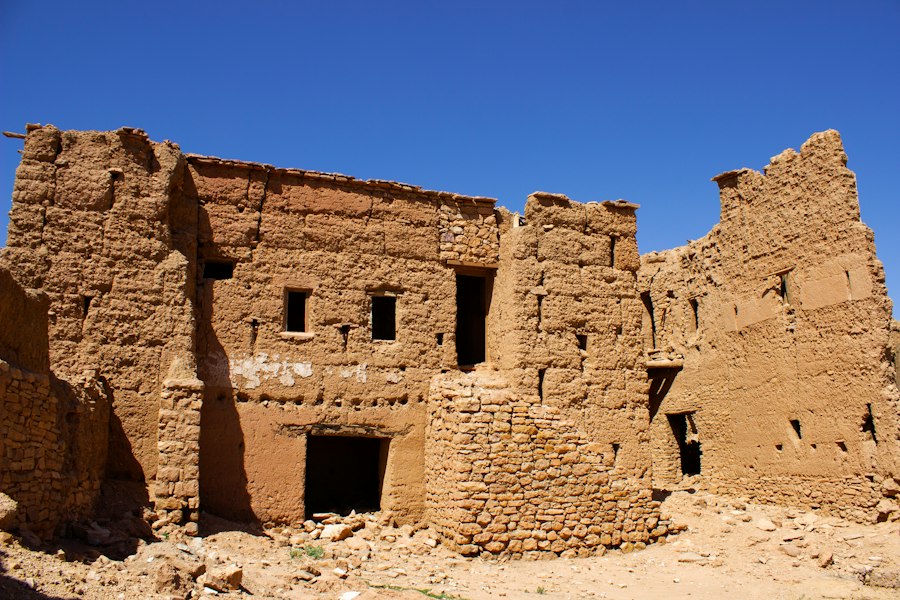
The arrival of Islam in the 7th century CE marked a watershed moment in Moroccan history, ushering in an era of profound cultural, religious, and political transformation. The Arab conquests, coupled with the enduring influence of indigenous Berber populations, forged a unique
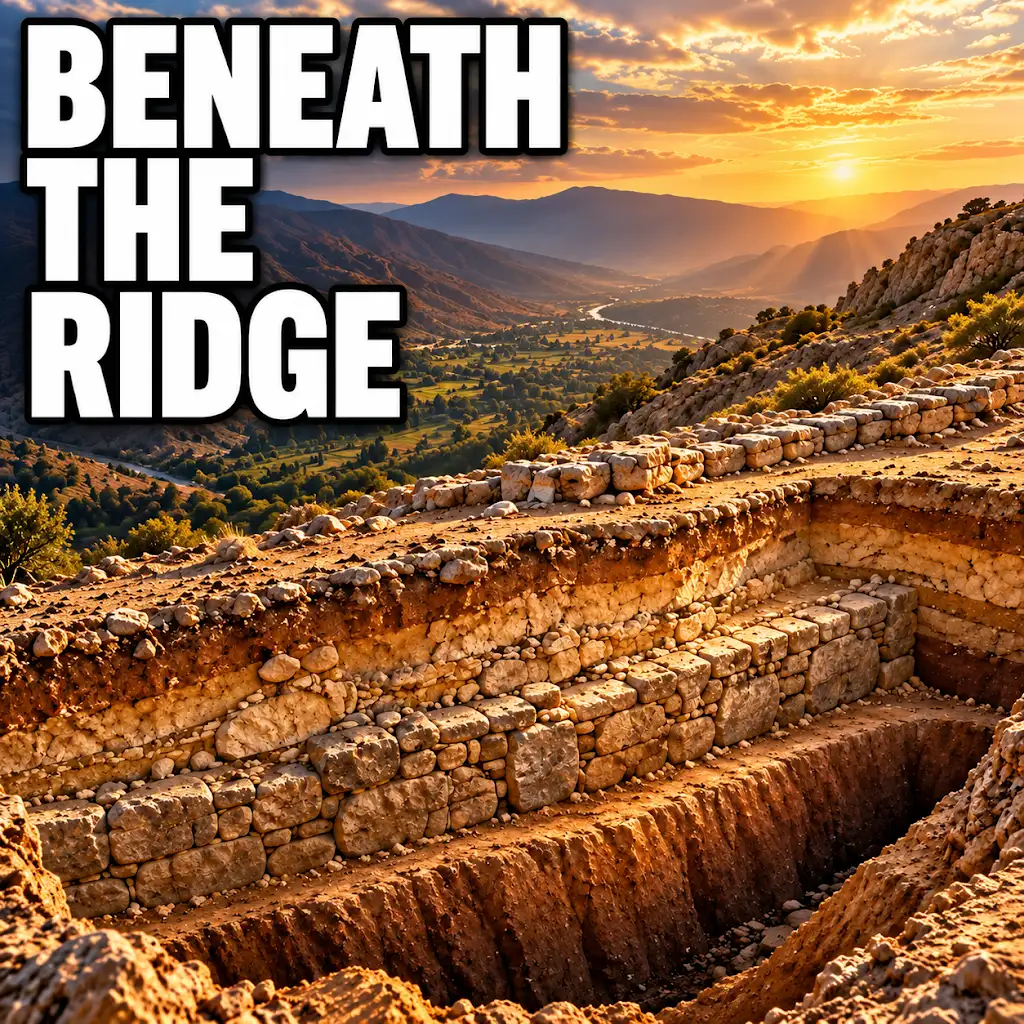
They Found a 4,000-Year-Old Defense Line in Morocco
FAQs
1. What evidence supports the idea of repeated human occupation in Morocco?
Archaeological findings such as tools, pottery, and structures provide evidence of human presence in Morocco dating back thousands of years.
2. How far back does human occupation in Morocco date?
Human occupation in Morocco dates back to the Paleolithic era, with evidence of early human activity found in various regions of the country.
3. What civilizations have left their mark on Morocco through human occupation?
Civilizations such as the Phoenicians, Romans, Vandals, and Arabs have all contributed to the rich history of human occupation in Morocco through their settlements and cultural influences.
4. How has the landscape of Morocco been shaped by repeated human occupation?
Repeated human occupation in Morocco has led to the development of various urban centers, agricultural practices, and architectural styles that have shaped the landscape of the country over time.
5. What role does Morocco’s strategic location play in its history of human occupation?
Morocco’s strategic location at the crossroads of Africa, Europe, and the Middle East has made it a desirable region for various civilizations throughout history, leading to repeated human occupation and cultural exchange.