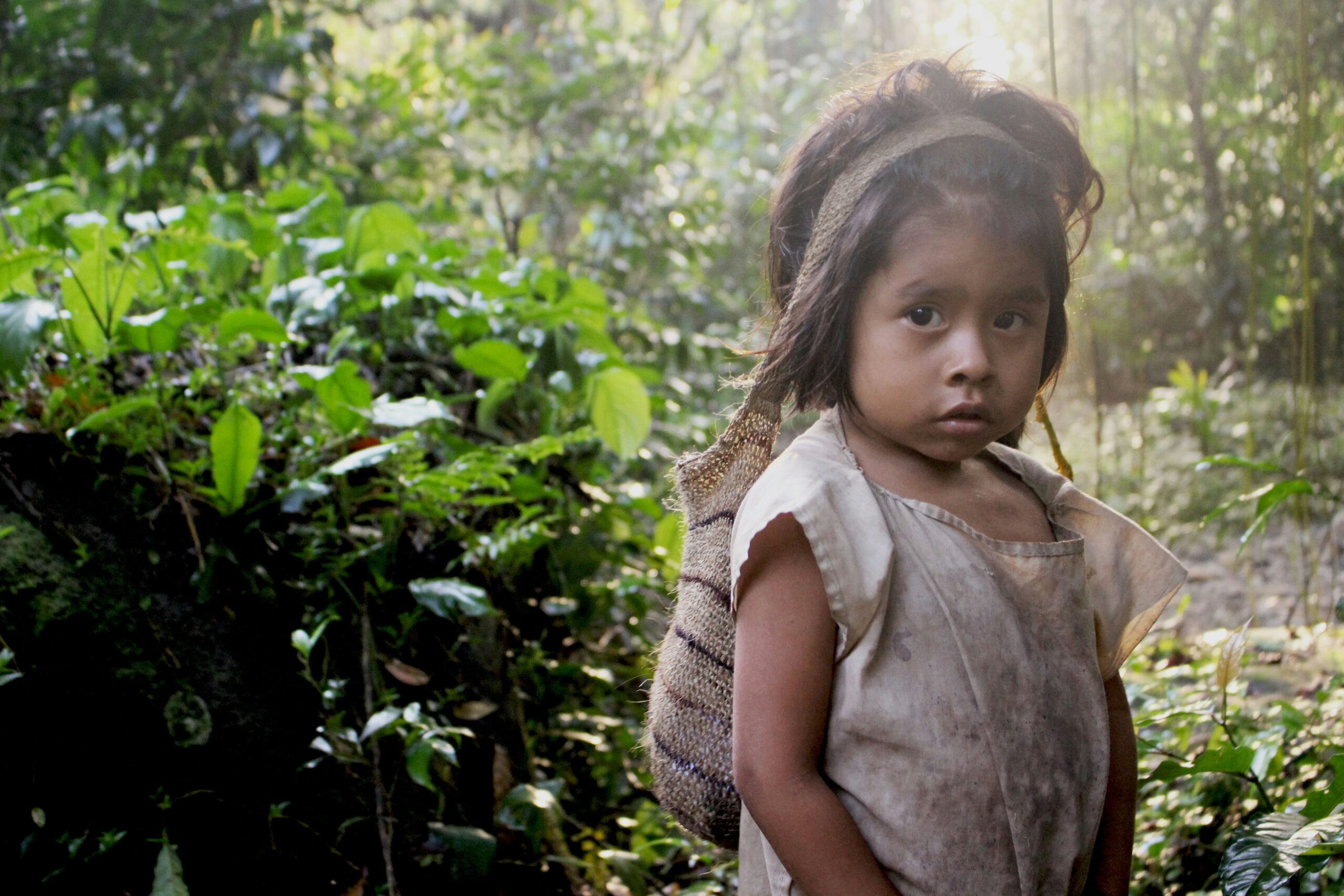
The Genesis of ‘Mother and Child: A Prehistoric Survival Drama’
The flickering firelight cast long, dancing shadows across the rough-hewn cave walls, mirroring the raw, untamed spirit that drives the narrative of “Mother and Child: A Prehistoric Survival Drama.” This groundbreaking cinematic offering plunges audiences into the unforgiving depths of the Paleolithic era, a time when survival was not a given, but a daily, brutal testament to human resilience. The film, a project years in the making, aims to shed light on the primal bonds of family and the extraordinary measures individuals would take to protect their kin in a world teeming with both awe-inspiring natural beauty and lethal threats.
“Mother and Child” is the brainchild of visionary director Anya Sharma, a filmmaker known for her ability to weave deeply emotional narratives within meticulously researched historical settings. Sharma’s passion for the prehistoric past ignited during her youth, fueled by countless hours spent poring over anthropological texts and documentaries. The idea for “Mother and Child” began to coalesce when she encountered research detailing the complex social structures and survival strategies of early hominins. She was particularly struck by the potential for profound human connection in such a challenging environment. “We often romanticize the past,” Sharma stated in a rare interview, “but the reality was stark. Yet, within that starkness, I saw incredible strength, ingenuity, and most importantly, an unwavering love that transcends time.” The film’s exploration of this universal theme of maternal protection forms the emotional bedrock upon which the entire narrative is built. Sharma envisioned a story that would not only educate but also deeply resonate with the human experience, proving that the core instincts that define us – love, fear, hope, and the will to survive – are as potent today as they were tens of thousands of years ago.
The production itself was an undertaking of epic proportions, demanding a level of commitment and dedication rarely seen in modern filmmaking. From sourcing historically accurate materials for costumes and props to recreating the breathtaking, yet treacherous, landscapes of the Ice Age, every aspect of the film was a testament to the team’s meticulous attention to detail. The cast, a blend of seasoned actors and newcomers, underwent rigorous physical and mental preparation, immersing themselves in the realities of a life without the conveniences of civilization. This deep dive into the material ensured that their portrayals would be not just believable, but visceral, allowing audiences to feel the biting cold, the gnawing hunger, and the constant undercurrent of danger alongside the characters. The film’s commitment to authenticity extends beyond the visual spectacle; the screenplay, developed through extensive consultation with paleoanthropologists and survival experts, aims to portray the practicalities of prehistoric life with an unprecedented level of accuracy. This approach promises a viewing experience that is both thrilling and intellectually engaging, offering a rare glimpse into a world that shaped the very foundations of humanity.
In exploring the themes of resilience and survival in the mother and child prehistoric drama film, one can draw parallels to the broader implications of societal structures and protections, much like those discussed in the article on financial regulations. For a deeper understanding of how regulations can impact stability and security, you can read more in this insightful piece: How Dodd-Frank Affects Deposits: An Overview. This connection highlights the importance of safeguarding both familial bonds and financial well-being in the face of adversity.
Echoes of the Ice Age: A Glimpse into the World
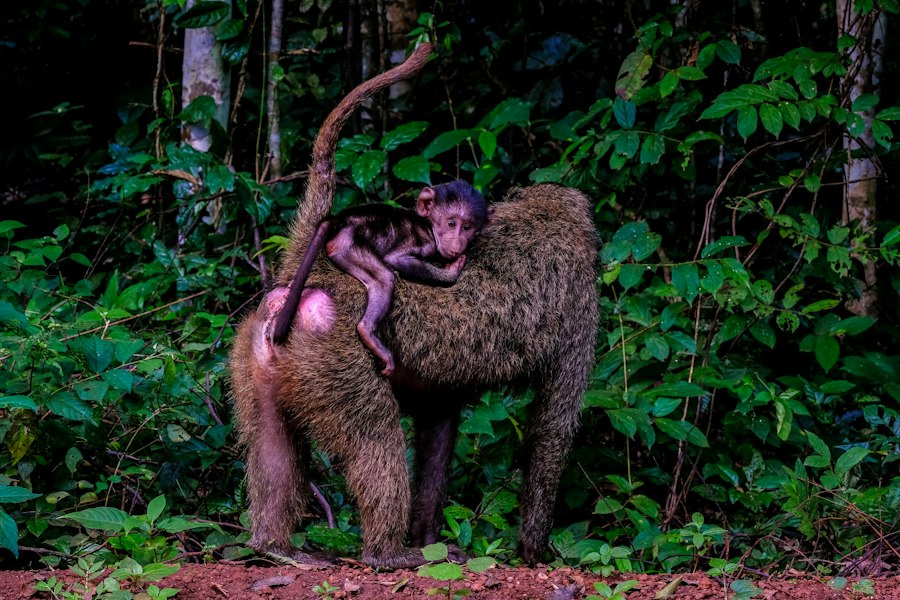
“Mother and Child” transports its audience to a world dramatically different from our own, a world shaped by the colossal forces of nature. The setting is the late Pleistocene epoch, an era characterized by dramatic climate shifts, vast ice sheets, and a landscape populated by megafauna that would inspire awe and terror in equal measure. The film’s visual palette is a deliberate exploration of this harsh beauty. Rolling tundra, punctuated by stark rock formations and the distant, imposing glaciers, forms the backdrop for the unfolding drama. The cinematography captures the subtle nuances of light and shadow, emphasizing the vastness and indifference of the natural world.
The narrative centers on a small band of early humans, their existence a constant negotiation with the elements and the predatory creatures that share their territory. The film meticulously recreates the harsh realities of their daily lives. From the laborious process of finding and preparing food, often involving the risks associated with hunting large, dangerous animals, to the perpetual search for shelter from the elements, every scene underscores the fragility of their existence. The biting winds, the relentless snows, and the ever-present threat of starvation are not mere plot devices but integral elements of the world the characters inhabit. The sound design plays a crucial role in immersing the audience in this primal environment. The howling wind, the crackling of frozen undergrowth, the distant roars of predators, and the guttural sounds of communication all contribute to a sonic tapestry that is both unsettling and authentic. This commitment to sensory detail ensures that the audience experiences the world of “Mother and Child” not just visually, but through every sense, amplifying the emotional impact of the characters’ struggle.
The Specter of Predation
The prehistoric world was a dangerous place, and “Mother and Child” does not shy away from depicting the constant threat posed by the region’s formidable predators. The film showcases a range of iconic Ice Age animals, brought to life through a combination of cutting-edge CGI and practical effects. The scenes involving encounters with these creatures are designed to be intensely thrilling, highlighting the sheer power and terrifying prowess of these ancient beasts. Whether it is a close call with a saber-toothed cat or a desperate flight from a charging woolly rhinoceros, these moments serve to reinforce the precariousness of the characters’ lives. The filmmakers have consulted with paleontologists to ensure the anatomical accuracy and behavioral plausibility of these creatures, adding another layer of authenticity to the film’s world.
The Ingenuity of Survival
Despite the overwhelming challenges, the film also celebrates the remarkable ingenuity and resourcefulness of early humans. Audiences will witness the characters employing a variety of survival techniques that have been pieced together through archaeological evidence and scientific speculation. This includes the skillful crafting of tools from stone and bone, the strategic use of fire for warmth, protection, and cooking, and the understanding of medicinal plants for healing. The film portrays the collaborative nature of their society, where knowledge is shared and survival depends on the collective effort of the group. These elements are not presented as simple exposition but are woven organically into the narrative, demonstrating how these skills were essential for their very existence. The film highlights their ability to adapt and innovate, showcasing the early sparks of human intelligence that would ultimately lead to our species’ dominance.
The Heart of the Story: Maternal Instinct and Resilience

At its core, “Mother and Child: A Prehistoric Survival Drama” is a deeply personal story about the unbreakable bond between a mother and her child. The film centers on Elara, a strong and resourceful woman, and her young son, Kael, who is still too young to fully comprehend the dangers that surround them. Their journey is fraught with peril, but it is Elara’s unwavering determination to protect Kael that fuels her every action. The narrative explores the primal instincts that drive maternal behavior, showcasing a mother’s fierce protectiveness and her boundless capacity for sacrifice. The film delves into the emotional landscape of this relationship, portraying moments of tenderness and vulnerability amidst the harshness of their environment.
The screenplay, penned by acclaimed writer Jian Li, masterfully balances the external threats with the internal emotional journey of the characters. Li, known for her sensitive portrayals of human relationships, spent years researching maternal care in early human societies and primate behavior to inform her writing. “I wanted to explore the idea that love, in its most fundamental form, is a powerful survival tool,” Li explained. “Elara’s love for Kael isn’t just an emotion; it’s a driving force that pushes her to overcome seemingly insurmountable obstacles. It’s a testament to the enduring power of the mother-child connection.” The film avoids overly sentimentalizing this bond, instead presenting it as a raw, instinctual, and profoundly powerful force that enables survival in the face of extreme adversity.
The Weight of Responsibility
Elara’s journey is one of constant vigilance. Every rustle in the undergrowth, every shift in the wind, triggers an immediate, instinctual response to shield Kael. The film effectively conveys the immense psychological toll this takes. Audiences witness the sleepless nights, the constant anxiety, and the agonizing decisions Elara must make to ensure Kael’s safety. Her responsibility extends beyond immediate protection; she is also tasked with teaching him the skills he will need to survive as he grows. These lessons are not delivered through formal instruction but through observation, imitation, and Elara’s patient, albeit often desperate, guidance. The film highlights the transference of knowledge and the critical role of mentorship in prehistoric societies, emphasizing how the survival of the group depended on the successful upbringing of its young.
Moments of Solace and Connection
Despite the relentless challenges, “Mother and Child” also illuminates the moments of profound connection and solace that exist between mother and child. These fleeting instances of warmth and comfort serve as vital anchors, reminding the audience of the humanity at the heart of the survival drama. A shared meal, a lullaby sung in a forgotten tongue, the simple act of holding each other close during a storm – these quiet moments are as crucial to the narrative as the explosive encounters with predators. They underscore the emotional resilience that sustains Elara and Kael, proving that even in the bleakest of circumstances, love and connection can provide the strength to endure. These scenes offer a poignant counterpoint to the brutality of their world, reminding viewers of the enduring human need for comfort and companionship.
The Craft Behind the Prehistoric World
The creation of “Mother and Child: A Prehistoric Survival Drama” was a monumental undertaking that relied on the expertise of a dedicated team of artists and technicians. Director Anya Sharma assembled a world-class crew who shared her vision for authenticity and emotional depth. The film’s visual language is a testament to their collaborative efforts, with each department contributing to the immersive and believable prehistoric world. The meticulous research that informed every aspect of the production was paramount, ensuring that the film would be not just a compelling story but also a valuable exploration of our ancestral past.
The casting process for “Mother and Child” was particularly challenging. Sharma sought actors who could convey a wide range of emotions through physical performance and nuanced expression, often in the absence of extensive dialogue. The lead role of Elara was ultimately entrusted to newcomer Anya Petrova, whose raw intensity and vulnerability captivated the casting directors. Her portrayal of a mother driven by instinct and love resonated deeply with the filmmakers. Kael, the young son, was played by a remarkably talented child actor, ensuring that the central relationship felt authentic and earned. The supporting cast, comprised of actors who could embody the ruggedness and stoicism of prehistoric peoples, further enriched the film’s tapestry. The emphasis was on finding actors who could embody the spirit of survival, whose physicality and presence could tell a story of resilience before a single word was spoken.
Bringing the Past to Life: Production Design and Cinematography
The production design team, led by veteran designer Marcus Thorne, faced the formidable task of recreating a world that no longer exists. Their approach was rooted in extensive archaeological research, drawing inspiration from cave paintings, ancient tools, and fossil discoveries. The sets were built with natural materials, meticulously detailing the construction of dwellings, the preparation of fire pits, and the creation of rudimentary tools and weapons. The film’s locations were carefully selected for their resemblance to Ice Age landscapes, with sweeping vistas of rugged terrain and imposing natural formations.
The cinematography, helmed by acclaimed director of photography, Lena Hanson, played a crucial role in shaping the film’s atmosphere. Hanson’s approach was to embrace the natural light and textures of the environment, creating a visual style that is both breathtaking and grounded. The use of wide shots emphasizes the vastness and isolation of the prehistoric world, while close-ups capture the raw emotion etched on the characters’ faces. The color palette is intentionally muted, reflecting the harshness of the climate, but punctuated by moments of vibrant color when Elara and Kael find brief respite or beauty in their surroundings. This deliberate visual storytelling ensures that the audience is not just watching a film, but experiencing a tangible journey into the past. The team’s commitment to practical effects, combined with judicious use of CGI for the larger animals, resulted in a seamless and believable visual experience that anchors the narrative.
The Roar of the Wild: Sound Design and Music
The soundscape of “Mother and Child” is as crucial to its impact as its visuals. The sound design team, under the direction of seasoned sound artist David Chen, worked to create an auditory experience that is both immersive and historically evocative. The natural sounds of the environment – the wind, the crackling fire, the distant calls of animals – are meticulously layered to create a sense of realism. The sounds of the creatures themselves were developed through extensive research and creative interpretation, aiming for a balance between scientific plausibility and dramatic impact. The guttural communication of the human characters, devoid of modern language, was a particular challenge, requiring creative solutions to convey meaning and emotion through vocalizations and gestures.
The original score, composed by acclaimed musician Sofia Vargas, complements the film’s primal themes. Vargas’s music avoids traditional orchestral arrangements, instead utilizing a blend of organic, percussive instruments and haunting, minimalist melodies. The score is designed to enhance the emotional resonance of the narrative without overpowering it. It swells during moments of tension and peril, offering a sense of dread and urgency, and softens to create moments of quiet reflection and tenderness. The music often evokes the raw power of nature, mirroring the struggle for survival that defines the characters’ lives. This careful integration of sound and music creates a powerful sensory experience that deepens the audience’s connection to the film’s themes and characters.
In exploring the themes of resilience and survival in the mother and child prehistoric drama film, one can draw parallels to the broader challenges faced in today’s world, such as economic instability. For instance, the article on strategies for safeguarding wealth against hyperinflation provides valuable insights into how individuals can protect their resources in uncertain times. This connection highlights the timeless nature of survival, whether in the harsh landscapes of prehistory or the complexities of modern financial systems. To read more about these strategies, visit this article.
Facing the Future: Themes and Enduring Legacy
| Metric | Details |
|---|---|
| Genre | Prehistoric Survival Drama |
| Main Characters | Mother, Child |
| Setting | Prehistoric Era |
| Typical Themes | Survival, Family Bond, Nature, Danger |
| Common Challenges | Wild Animals, Harsh Weather, Food Scarcity |
| Average Runtime | 90-120 minutes |
| Target Audience | Drama and Adventure Enthusiasts |
| Notable Films | “Alpha”, “The Clan of the Cave Bear” |
“Mother and Child: A Prehistoric Survival Drama” is more than just a thrilling cinematic adventure; it is a profound exploration of enduring human themes that resonate across millennia. The film’s success lies in its ability to connect audiences to the primal roots of our humanity, showcasing the universal instincts that have shaped our species. The story of Elara and Kael transcends the prehistoric setting, offering a poignant commentary on the nature of love, sacrifice, and the unyielding will to survive.
The film directly confronts the concept of resilience, not as a passive endurance of hardship, but as an active, often fierce, assertion of life. Elara’s constant struggle against the elements, predators, and scarcity is a testament to this active resilience. She is not simply surviving; she is fighting for the continuation of her lineage, for the future represented by her son. This theme of intergenerational survival is central to the narrative, highlighting the responsibility of each generation to pass on the knowledge and strength required for the next to thrive. The film implicitly argues that human evolution, both biological and societal, has been driven by this very instinct to protect and nurture the young, ensuring the perpetuation of the species.
The Primacy of Connection
One of the most powerful messages conveyed by “Mother and Child” is the enduring importance of human connection. In a world devoid of modern comforts and societal structures, the bond between mother and child becomes the ultimate anchor. It is this connection that provides solace, motivation, and the strength to persevere in the face of overwhelming odds. The film suggests that these primal bonds are not merely emotional attachments but are, in fact, fundamental to our survival as a species. They foster cooperation, empathy, and the very essence of what it means to be human. Even as they navigate a brutal and unforgiving world, Elara and Kael find moments of profound intimacy that underscore the deep-seated human need for belonging and love.
A Reflection on Modern Humanity
While firmly rooted in the prehistoric past, “Mother and Child” offers a compelling reflection on modern humanity. By stripping away the complexities of contemporary life, the film allows viewers to confront the fundamental aspects of their own existence. The challenges faced by Elara and Kael – the struggle for sustenance, the protection of loved ones, the search for meaning in a dangerous world – are, in essence, echoes of the challenges humanity has always faced. The film invites contemplation on what truly matters, urging audiences to consider the resilience and resourcefulness that lie dormant within themselves. It serves as a powerful reminder of our shared ancestry and the primal instincts that continue to shape our lives, even in the 21st century. The film’s enduring legacy will likely be its ability to spark conversations about our place in the natural world, the strength of familial bonds, and the indomitable spirit that has allowed humanity to not just survive, but to flourish.
