
The once-mighty Hittite Empire, a dominant force in the Late Bronze Age Near East, vanished from the historical stage with remarkable speed and finality. For centuries, their civilization had flourished, marked by formidable military prowess, sophisticated legal codes, and a thriving economy that spanned vast territories. Their capital at Hattusa, a monumental city carved into the Anatolian landscape, stood as a testament to their power and influence. Yet, by the turn of the 12th century BCE, this imperium had fragmented, its cities sacked, and its people seemingly assimilated or dispersed. The conventional narrative often points to a single cataclysmic event, most notably the invasions of the “Sea Peoples.” However, a closer examination of the archaeological evidence, textual records, and the broader geopolitical context reveals a far more intricate and multifaceted picture of decline. The collapse of the Hittite Empire was not the result of a single blow, but rather a slow erosion of its foundations, exacerbated by a confluence of internal vulnerabilities and external pressures, culminating in a devastating but ultimately terminal cascade of crises.
The Shifting Sands of Power: Internal Strains on the Hittite State
While external enemies are often cast as the primary agents of the Hittite downfall, it is crucial to acknowledge the internal fragilities that likely weakened the empire’s resilience. The sheer scale of the Hittite realm, while a source of strength, also presented significant administrative and logistical challenges. Maintaining control over a diverse and often restive population, coupled with the need to secure vast trade routes, placed a constant strain on Hittite resources and manpower.
Succession Struggles and Royal Authority
The Hittite monarchy, while theoretically absolute, was not immune to internal power struggles. Succession to the throne was often a contentious issue, with princes and influential court factions vying for supremacy. These periods of instability could divert royal attention from pressing external threats and drain vital resources that could otherwise be used for defense or infrastructure. The reliance on familial ties for governance, while common in ancient monarchies, could also breed resentment and disloyalty among those who felt overlooked or marginalized. While direct evidence of major succession crises immediately preceding the collapse is scarce, the possibility of underlying tensions and power plays within the royal court cannot be discounted as a contributing factor to a weakened state. The impact of a weak or contested leadership during times of crisis would undoubtedly have amplified existing vulnerabilities.
Economic Pressures and Resource Depletion
The Hittite economy was heavily reliant on agriculture, mining (particularly iron and copper), and extensive trade networks. The empire’s expansion had brought significant wealth, but also increased demands on its resource base. Over-farming, deforestation, and the depletion of mineral resources, especially in a pre-industrial context, could have gradually diminished the empire’s economic vitality. Furthermore, the maintenance of a large standing army and the extensive bureaucracy required to administer the empire undoubtedly placed a significant economic burden. Disruptions to trade routes, whether due to internal strife or external aggression, would have had a cascading effect, impacting revenue, supply chains, and the overall prosperity of the empire. Archaeological evidence suggests a decline in the scale of construction projects and a potential reduction in luxury goods in the later stages of the empire, which could be indicative of economic strain.
Administrative Overreach and Regional Autonomy
The Hittite Empire was a mosaic of different peoples and territories, each with its own customs and traditions. The administration of such a vast and diverse realm required a delicate balance between centralized control and regional autonomy. It is possible that in its later years, the empire attempted to exert tighter control over its provinces, leading to increased resentment and resistance. Alternatively, a weakening of central authority might have allowed ambitious regional governors or local elites to consolidate power, potentially undermining the imperial structure from within. The existence of client states and vassal kingdoms also presented a challenge; their loyalty could waver, especially if the central Hittite power appeared to be in decline, leading to potential defections or outright rebellion.
The collapse of the Hittite Empire has been a subject of extensive research, highlighting multiple factors that contributed to its decline, including climate change, economic instability, and invasions by neighboring tribes. For a broader understanding of how such historical events resonate with contemporary geopolitical challenges in the Middle East, you can explore the article titled “Navigating Middle East Geopolitics: Challenges and Opportunities.” This piece delves into the complexities of modern geopolitics while drawing parallels to historical events, offering valuable insights into the ongoing dynamics of the region. For more information, visit this article.
The Shadow of the Sea Peoples: External Aggression and Invasions
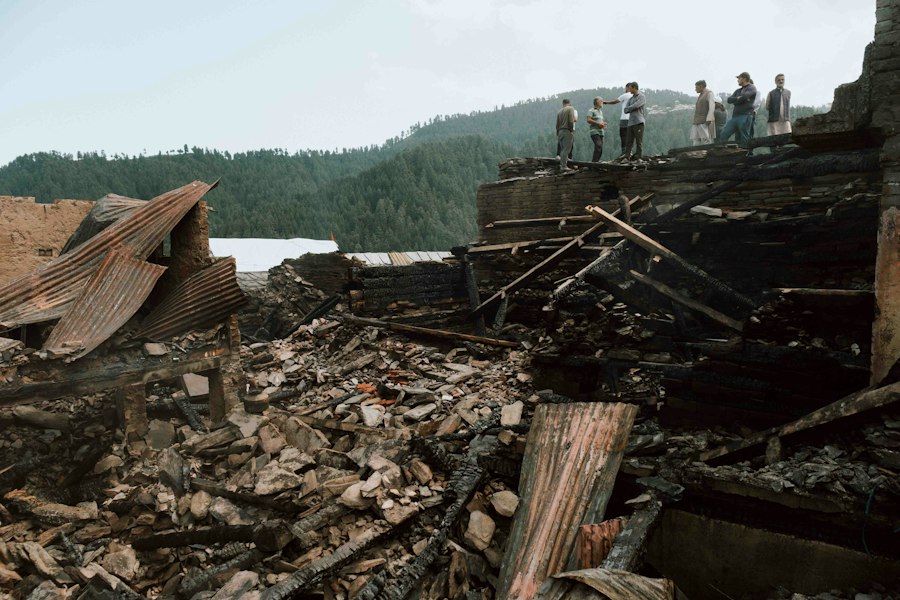
The most dramatic and widely cited factor in the Hittite collapse is the wave of invasions attributed to the “Sea Peoples.” These enigmatic groups, whose origins remain debated, are depicted in Egyptian records as a formidable force that swept across the eastern Mediterranean, wreaking havoc and contributing to the downfall of numerous established powers. The Hittite Empire, situated strategically in Anatolia, was directly in their path.
The Onslaught of the Raiders
Egyptian inscriptions, particularly from the mortuary temple of Ramesses III at Medinet Habu, vividly describe battles against these marauding peoples. While these accounts primarily focus on Egyptian resistance, they also hint at the widespread destruction and disruption that characterized this period. Hittite texts, though less explicit in detailing these encounters, also allude to widespread destruction and loss of territory in the northern and western reaches of the empire. The archaeological record provides compelling corroborating evidence, with many Hittite settlements and fortresses showing signs of violent destruction, fire, and abandonment during the late 13th and early 12th centuries BCE. The sheer scale of this destruction suggests a coordinated and overwhelming force that the Hittite military, perhaps already weakened by internal issues, struggled to repel.
The Contested Nature of “Sea Peoples” Identity
It is important to note that the term “Sea Peoples” is a modern construct. The ancient Egyptians themselves did not have a unified name for these diverse groups. They were likely a coalition of peoples from various regions, driven by a complex set of factors including population pressure, climate change, and the breakdown of existing political structures. The precise composition and origin of these groups are still subjects of scholarly debate, with theories ranging from mainland Greece, the Aegean islands, to even Anatolia itself. Regardless of their exact provenance, their impact was undeniable and contributed significantly to the general instability of the region. The Hittites likely faced not just a single invading force, but a series of incursions and migrations that stretched their defenses to the breaking point.
The Great Drought: Environmental Catastrophe and its Ramifications

While military invasions often capture the historical imagination, the role of environmental factors, particularly drought, in the decline of Bronze Age civilizations is increasingly recognized. Recent paleoclimate research suggests that the Late Bronze Age was a period of significant climatic instability, with prolonged and severe droughts impacting agricultural productivity across the Near East and Eastern Mediterranean.
The Impact on Agriculture and Food Security
The Hittite Empire, as mentioned, was fundamentally an agrarian society. A prolonged period of drought would have had devastating consequences for crop yields, leading to widespread famine and a depletion of food reserves. This would have weakened the population, making them more susceptible to disease and less able to support a large army or contribute to state endeavors. The reliance on rain-fed agriculture in many parts of Anatolia would have amplified the impact of such climatic shifts. Evidence from paleobotanical studies and sediment analysis in the region indicates a period of reduced rainfall and increased aridity that coincides with the decline of the Hittite Empire. This environmental stress would have exacerbated existing economic pressures and potentially fueled social unrest as communities struggled to survive.
Climate Change as a Catalyst for Migration and Conflict
Severe drought can also act as a catalyst for mass migrations and increased inter-group conflict. As resources dwindled in their homelands, populations would have been forced to seek more fertile lands, leading to pressure on neighboring territories and potentially clashes with existing populations. It is plausible that the “Sea Peoples” themselves, or at least some of the groups that comprised them, were displaced by environmental degradation in their own regions, seeking refuge and sustenance elsewhere. This complex interplay between environmental stress and human movement could have created a vicious cycle, with drought leading to migration, which in turn led to increased conflict and further instability that ultimately overwhelmed the Hittite state.
The Shattering of Trade Networks: Economic Interdependence and Disruption
The Late Bronze Age was characterized by a highly interconnected world economy, with extensive trade routes linking major powers across the Near East, Egypt, the Aegean, and Cyprus. The Hittite Empire played a crucial role in this network, controlling vital trade routes and supplying valuable commodities such as iron, timber, and agricultural products. The disruption of these networks would have had a profound and far-reaching impact on the Hittite economy and their ability to sustain their empire.
The Collapse of the Bronze Age World System
The “Bronze Age Collapse” was a regional phenomenon, not an isolated event affecting only the Hittites. The Mycenaean civilization in Greece, the New Kingdom of Egypt, the Ugarit kingdom on the Syrian coast, and others all experienced significant decline or destruction around the same period. This suggests a systemic crisis that affected the entire interconnected world system. The breakdown of established trade routes, the destruction of key trading centers like Ugarit, and the disruption of maritime and overland transport would have crippled economies that relied on these exchanges. For the Hittites, this meant not only a loss of revenue from trade but also a disruption to the supply of essential goods, including luxury items for the elite, raw materials for crafts, and perhaps even military supplies.
The Silk Road of Antiquity: The Hittite Role and its Undoing
The Hittites were instrumental in facilitating trade between Mesopotamia and the Aegean, and between Anatolia and the Levant. They controlled crucial passes and access to resources that were highly sought after. When these trade routes faltered, the Hittite economy suffered a significant blow. The demand for Hittite iron, for instance, which was becoming increasingly important as it began to replace bronze, would have diminished. The flow of luxury goods that bolstered the prestige and power of the Hittite elite would have ceased. The interconnectedness that had once been a source of strength became a vulnerability, as the collapse of one part of the system had ripple effects throughout. The inability to maintain the flow of goods and tribute also weakened the central government’s ability to reward its allies and suppress its enemies.
The collapse of the Hittite Empire is a complex historical event that has intrigued scholars for years, as it appears to be the result of multiple interrelated factors. Climate change, invasions by neighboring tribes, and internal strife all played significant roles in this ancient civilization’s downfall. For a deeper understanding of how environmental shifts can impact societies, you might find it interesting to explore the article on ancient wisdom and Earth’s polar knowledge, which discusses similar themes of climate influence on civilizations. You can read more about it here.
The Final Meltdown: A Confluence of Crises
| Factor | Description | Impact on Hittite Collapse | Evidence |
|---|---|---|---|
| Internal Political Instability | Frequent changes in leadership and civil strife weakened central authority | High | Archaeological records showing destruction layers and disrupted administrative records |
| Economic Decline | Disruption of trade routes and agricultural failures reduced wealth and resources | Moderate to High | Decline in luxury goods and fewer inscriptions related to trade |
| Invasion by Sea Peoples | External attacks by migrating groups destabilized the region | High | Historical texts and destruction layers consistent with invasions |
| Environmental Factors | Prolonged droughts and climate change affected food production | Moderate | Pollen analysis and sediment studies indicating drought periods |
| Military Defeats | Losses in battles weakened territorial control and morale | Moderate | Records of battles lost and loss of key cities |
| Social Upheaval | Possible revolts and social unrest among lower classes | Low to Moderate | Limited textual evidence but inferred from destruction and abandonment of sites |
The collapse of the Hittite Empire was not a single event but a process, a slow unraveling exacerbated by a confluence of interconnected crises. While the “Sea Peoples” and environmental disaster often receive the most attention, it is the interplay of these external shocks with pre-existing internal vulnerabilities that ultimately proved fatal.
The Domino Effect of State Failure
The Late Bronze Age Collapse was a cascade of failures. The weakening of one major power often created opportunities for others to rise or for external threats to gain an advantage. For the Hittites, the cumulative impact of economic decline, possible internal dissent, environmental hardship, and relentless external pressure created a situation where the state could no longer effectively respond to the multifaceted challenges it faced. Cities were abandoned, administrative structures collapsed, and the centralized authority that had held the empire together dissolved. The once-powerful Hittite military, likely stretched thin and demoralized, proved incapable of defending the vast frontiers.
The Legacy of a Fallen Empire
The immediate aftermath of the Hittite collapse saw the rise of smaller, Neo-Hittite kingdoms in northern Syria and southeastern Anatolia. These successor states, though far less powerful than their imperial predecessors, managed to preserve elements of Hittite culture, language, and administrative practices for several centuries. The Hittites also left an indelible mark on the history of the ancient Near East through their sophisticated legal systems, their diplomatic practices, and their technological innovations, particularly in the development of ironworking. While their empire ultimately succumbed to a complex interplay of factors, their legacy endured, shaping the political and cultural landscape of the region long after Hattusa lay in ruins. The demise of the Hittite Empire serves as a potent reminder that the fall of even the most formidable powers is rarely attributable to a single cause, but rather to a complex tapestry of interwoven strengths and weaknesses, external pressures and internal fragilities, that ultimately lead to their undoing.
Your 401(k) Withdrawal Can Make More of Your Social Security Taxable
FAQs
What were some of the factors that contributed to the collapse of the Hittite Empire?
Multiple factors played a role in the collapse of the Hittite Empire, including invasions by the Sea Peoples, internal unrest, droughts, and the weakening of central authority.
How did the invasions by the Sea Peoples impact the Hittite Empire?
The invasions by the Sea Peoples, a group of maritime raiders, caused significant damage to the Hittite Empire by attacking coastal regions and disrupting trade routes, leading to economic instability and military challenges.
What role did internal unrest play in the downfall of the Hittite Empire?
Internal unrest, such as power struggles among the Hittite elite and rebellions by vassal states, weakened the empire’s unity and ability to govern effectively, contributing to its eventual collapse.
How did environmental factors like droughts contribute to the decline of the Hittite Empire?
Droughts and other environmental challenges put pressure on the Hittite Empire’s agricultural system, leading to food shortages, population displacement, and social unrest, which further weakened the empire.
Why is the weakening of central authority considered a significant factor in the collapse of the Hittite Empire?
The weakening of central authority within the Hittite Empire resulted in a loss of control over outlying regions, making it difficult to maintain order, defend against external threats, and effectively govern the vast territories under Hittite rule, ultimately contributing to its collapse.