The Whispering Sands of Time: Unveiling Morocco’s Enigmatic Architectures
Morocco, a land where ancient civilizations have left indelible marks upon the landscape, is a treasure trove of historical mysteries. Beyond the bustling souks and vibrant kasbahs lies a more profound enigma: structures that defy easy explanation, their origins veiled in the mists of time. These silent sentinels, scattered across deserts, mountains, and plains, whisper tales of forgotten peoples, lost knowledge, and perhaps, even celestial connections. For centuries, archaeologists, historians, and curious travelers have pondered their purpose, their builders, and the very hands that shaped them from the earth. These are not merely ruins; they are puzzles carved in stone, inviting us to decipher their secrets.
Morocco is home to a variety of ancient unexplained structures that have intrigued historians and archaeologists alike. These enigmatic sites, often shrouded in mystery, raise questions about the civilizations that once thrived in the region. For a deeper understanding of how such ancient sites relate to contemporary issues, including resource management and conflict, you may find the article on resource wars particularly insightful. It discusses the ongoing struggle for scarce supplies and how it echoes the historical significance of ancient structures in shaping human societies. To read more, visit this article.
The Saharan Sentinel: The Granaries of Morocco
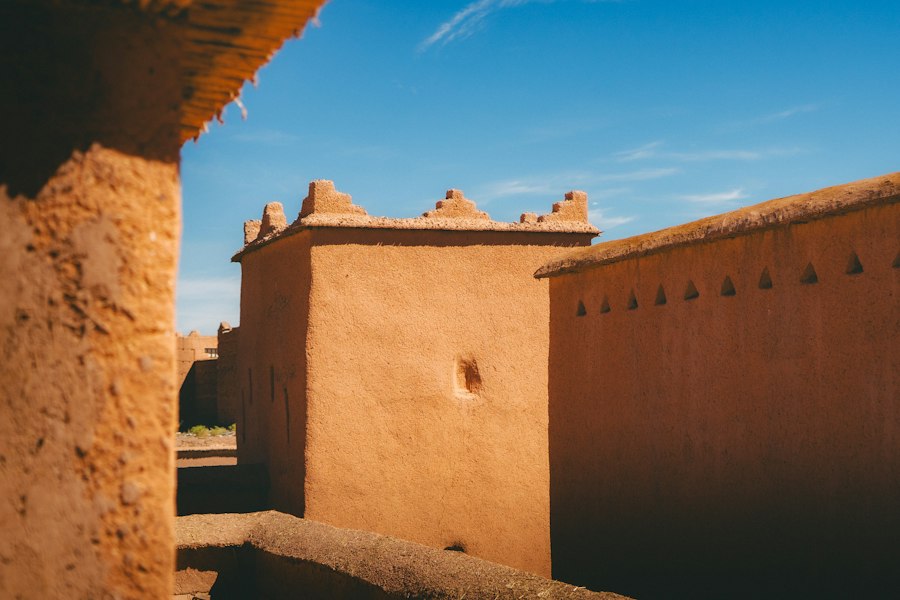
The vast, arid expanse of the Moroccan Sahara holds secrets that the shifting sands have protected for millennia. Among these are the enigmatic granaries, often referred to as “ksour” in the singular “ksar,” though the term can also refer to fortified villages. These structures, some remarkably well-preserved, stand as testaments to the ingenuity of past societies in adapting to harsh environments. Their sheer scale and sophisticated construction hint at a level of organization and communal effort that belies the perception of nomadic peoples as purely transient. The precise dating and purpose of many of these granaries remain subjects of ongoing debate, adding to their allure.
Architectural Anomalies in the Arid Expanse
The granaries are characterized by their imposing, often multi-story, stone or adobe constructions. Many feature a series of small, individual storage cells, known as “igoudar,” arranged in a maze-like fashion within a larger fortified enclosure. The exterior walls are typically thick and robust, designed to withstand the elements and, importantly, to deter potential raiders. The absence of clear windows on lower levels, coupled with strategically placed defensive features like watchtowers and narrow entrances, underscores a pragmatic approach to security. What is particularly striking is the sheer variety in their design and scale, from humble individual storerooms to vast communal complexes that could house the harvest of an entire region. Some are carved directly into cliff faces, integrating seamlessly with the natural topography, while others stand as free-standing fortresses on strategic hilltops. The materials used, primarily local stone and mud brick, are testament to an intimate understanding of the available resources.
The Question of the Builders and Their Intent
The identity of the original builders of these Saharan granaries is a subject of considerable speculation. While some are attributed to Berber tribes, others suggest earlier or even coexisting cultures. The sheer scale of some of these structures implies a significant population and a well-established social hierarchy capable of mobilizing labor for large-scale construction projects. The primary function is undoubtedly storage, but the question is, what were they storing, and why such elaborate fortifications? The obvious answer is grain, a vital commodity in an environment where harvests could be unpredictable due to the scarcity of water. However, the impressive defensive measures suggest that the stored goods were of significant value, perhaps representing not just sustenance but also wealth and power. Were these granaries primarily for communal food security, or did they also serve as treasuries for valuable goods, or even as refuges during times of conflict? The lack of detailed historical records directly pertaining to their construction leaves these questions open to interpretation.
Echoes of Trade and Survival in the Desert
The strategic locations of many of these granaries, often along ancient trans-Saharan trade routes, provide a crucial clue to their purpose. It is plausible that these structures served not only as local food storage but also as vital logistical hubs for traders traversing the vast desert. They could have provided a secure place to store goods while awaiting caravans, to resupply provisions, or even to conduct exchanges. The existence of such well-fortified repositories would have been essential for protecting valuable commodities from both natural hazards and human adversaries. The careful planning and construction reflect a sophisticated understanding of logistics and risk management in a challenging environment. Their presence suggests a more settled and organized society than might be assumed for populations living in such remote areas, hinting at a complex network of resource management and economic activity that extended far beyond immediate subsistence. The enduring presence of these structures serves as a powerful reminder of the resilience and ingenuity of those who once navigated and thrived in the unforgiving embrace of the Sahara.
The Stone Sentinels of the Atlas: Prehistoric Megaliths
Moving from the arid plains to the rugged embrace of the Atlas Mountains, we encounter another layer of mystery: prehistoric megalithic structures. These imposing stone arrangements, often found in remote and difficult-to-access locations, predate the written history of Morocco and offer tantalizing glimpses into the beliefs and practices of its earliest inhabitants. While not as visually dramatic as some European counterparts, these Moroccan megaliths possess a unique character and continue to puzzle researchers with their purpose and construction.
Circles, Alignments, and the Celestial Dance
The megalithic sites in Morocco often consist of standing stones, dolmens (tombs formed by three or more upright stones supporting a large flat capstone), and stone circles. While some dolmens are clearly funerary in nature, the purpose of the freestanding stones and circles is far more debated. Many of these formations exhibit an uncanny alignment with celestial events. For instance, certain stone circles appear to be oriented to mark the solstices or equinoxes, suggesting a sophisticated understanding of astronomy and a deep connection to the cycles of the sun and moon. The precise methods used to quarry, transport, and erect these massive stones, often in challenging mountainous terrain, remain a subject of fascination. Without the use of metal tools or advanced machinery, the feat of moving and positioning these monoliths is remarkable and speaks to a considerable collective effort and ingenious problem-solving. The sheer weight and size of some of these stones defy easy explanation when considering the presumed technological capabilities of the era.
The ancient structures of Morocco have long fascinated historians and archaeologists, as many of these sites remain shrouded in mystery. Researchers continue to explore the possibility that these enigmatic constructions may be remnants of advanced civilizations that once thrived in the region. For those interested in the broader implications of lost technologies, a related article delves into the concept of ancient innovations and what we might have lost over time. You can read more about this intriguing topic in the article The Lost Ancient Tech: What Did We Lose?.
Ritual and Religion in the Stone Age
The prevailing theory suggests that these megalithic structures served as centers for religious or ritualistic activities. The astronomical alignments lend credence to the idea that they were used to track celestial movements, which often held profound spiritual significance for ancient cultures. These sites might have been places of worship, ceremonies, or even as calendrical devices to guide agricultural practices and societal rituals. The presence of dolmens strongly indicates funerary practices, suggesting that these sites were also deeply connected to beliefs about the afterlife and the veneration of ancestors. The careful placement of stones and the overall layout of some sites imply a deliberate and symbolic intent, perhaps to honor deities, mark sacred ground, or commemorate important events within the community. The act of constructing such enduring monuments suggests a desire to connect with the divine, to maintain cosmic order, or to ensure the continuity of life and tradition.
Unraveling the Connections: A Nomadic Legacy?
The people who constructed these megalithic monuments in Morocco are largely unknown. Archaeological evidence points to a period spanning several millennia, possibly from the Neolithic era through to the Bronze Age. Given the mountainous and often rugged terrain, it is likely that these populations were either settled agriculturalists or nomadic pastoralists who established seasonal sites. The discovery of similar megalithic traditions in other parts of North Africa and even Southern Europe raises intriguing questions about potential cultural diffusion and shared belief systems across ancient populations. Were there regular migrations, or did knowledge and practices spread through trade and interaction? The enduring mystery of these stone sentinels continues to fuel research, pushing us to look beyond the surface and imagine the lives and beliefs of Morocco’s earliest architects.
The Enigmatic Fortifications of the Draa Valley: Kasbahs and Their Hidden Histories
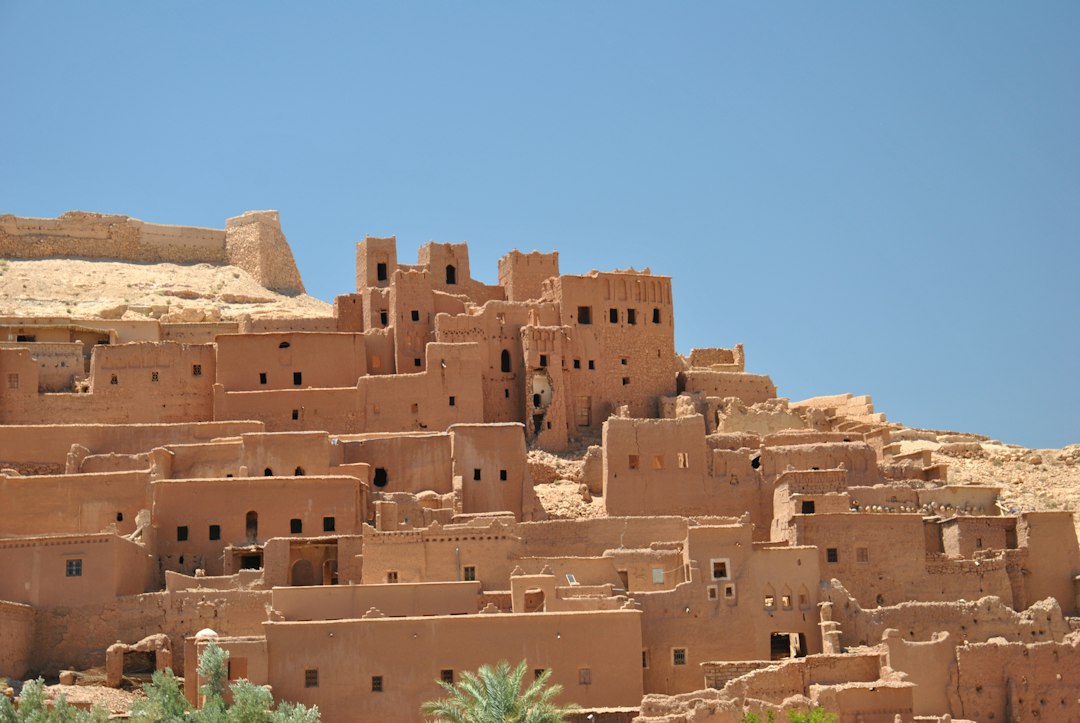
The Draa Valley, a verdant ribbon of life snaking through the Moroccan desert, is famously dotted with a multitude of kasbahs – fortified earthen villages that seem to rise organically from the landscape. While many of these are relatively well-documented, some of the older and more remote kasbahs possess an air of deep mystery, their origins and the stories they hold remaining largely unexplored. These impressive structures are more than just defensive strongholds; they are living testaments to a unique architectural tradition and a complex social history.
Earthen Architecture: A Harmony with the Land
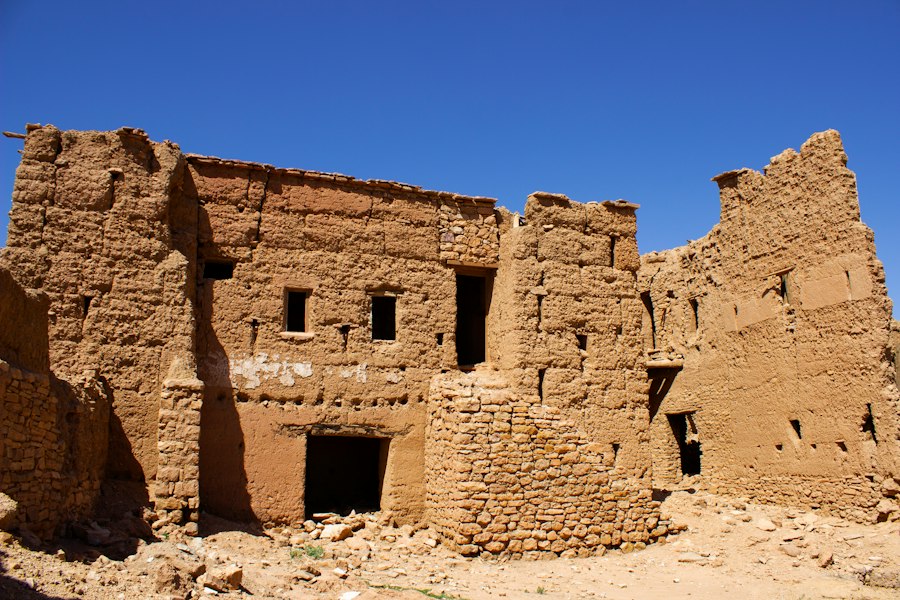
The kasbahs of the Draa Valley are primarily constructed from tabia, a mixture of earth, straw, and water, baked by the sun. This vernacular architecture allows the buildings to blend seamlessly with their surroundings, creating a striking visual harmony. The walls are thick, providing excellent insulation against the intense desert heat and the cool desert nights. The layout of a typical kasbah often includes a central courtyard, around which numerous dwellings, storage rooms, and workshops are arranged. Defensive features such as high walls, corner towers, and narrow entrances were essential for protecting the inhabitants and their resources from raids by rival tribes or nomadic groups. The intricate geometric patterns often found adorning the upper levels of the towers and the doorways speak to an artistic sensibility that complements their practical function. The sheer scale of some of these kasbahs, capable of housing entire communities, is impressive and hints at a well-developed social structure and a strong sense of communal living.
The Shadow of Past Conflicts and Shifting Power
The existence of so many fortified settlements in the Draa Valley is a direct reflection of its history as a frontier region and a vital artery for trans-Saharan trade. For centuries, the valley was a contested territory, with various Berber tribes vying for control and protection from external threats. The kasbahs served as both defensive strongholds and administrative
They Found a 4,000-Year-Old Defense Line in Morocco
FAQs
What are some examples of ancient unexplained structures in Morocco?
Some examples of ancient unexplained structures in Morocco include the Megalithic Menhirs of Mzora, the mysterious stone circles of Mzora, the ancient ruins of Volubilis, the underground chambers of the Agadir Oufellah, and the stone carvings of Oukaimeden.
Who built the Megalithic Menhirs of Mzora and for what purpose?
The builders of the Megalithic Menhirs of Mzora in Morocco are unknown, and the purpose of these massive standing stones, some of which weigh over 100 tons, remains a mystery. Some theories suggest they were used for religious or astronomical purposes.
What is unique about the stone circles of Mzora in Morocco?
The stone circles of Mzora are unique due to their large size and precise alignment with astronomical phenomena such as the summer solstice. The purpose of these circles, which consist of large stones arranged in circular patterns, is still unknown.
What can visitors see at the ancient ruins of Volubilis in Morocco?
Visitors to the ancient ruins of Volubilis in Morocco can see well-preserved Roman ruins, including grand arches, intricate mosaics, and the remains of ancient houses and public buildings. The site offers a glimpse into Morocco’s Roman past.
Are the underground chambers of the Agadir Oufellah in Morocco accessible to the public?
No, the underground chambers of the Agadir Oufellah in Morocco are not accessible to the public due to safety concerns and the need for preservation. These chambers are believed to have served as storage areas or tombs in ancient times.