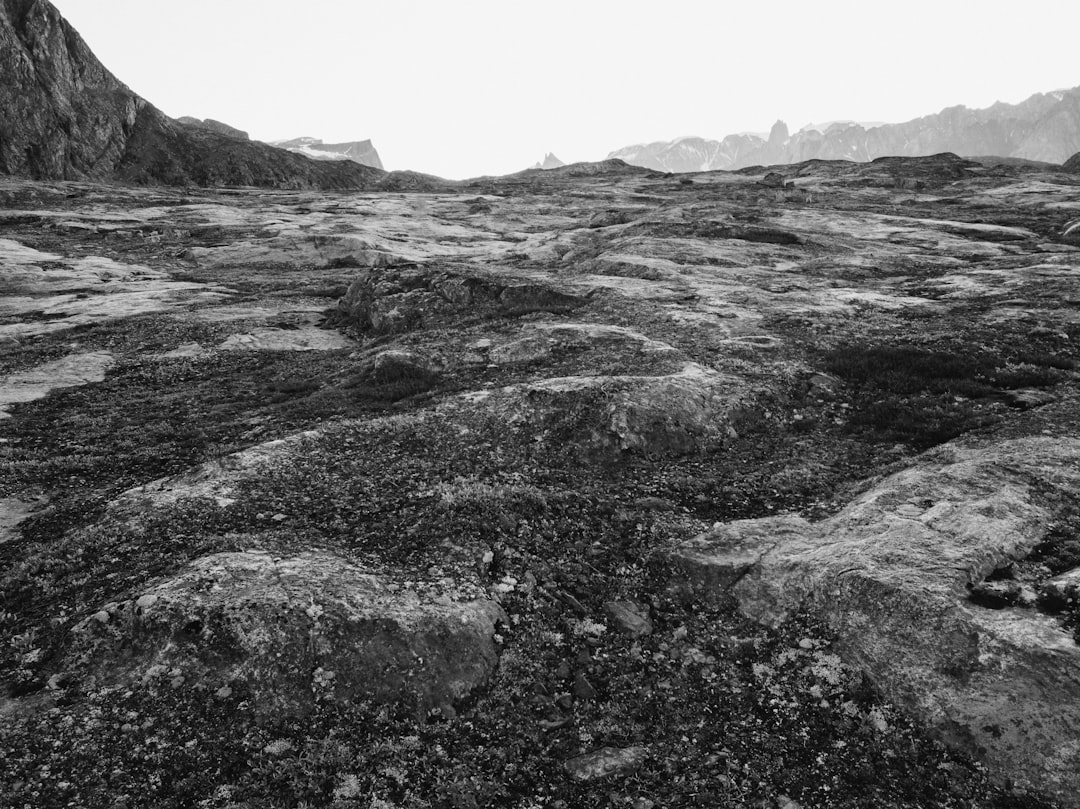
Deep within the vast, unforgiving expanse of the Greenland ice sheet, a silent enigma lies hidden: the Hiawatha Crater. For millennia, this colossal impact scar remained concealed beneath hundreds of meters of ice, a geological secret guarded by the frozen north. Only in recent years, through the marvels of modern radar technology, has the existence of this immense feature been revealed, sparking scientific curiosity and a quest to unravel its story. The Hiawatha Crater is not merely a hole in the ground; it is a testament to a cataclysmic event that shaped a portion of our planet, a frozen archive holding clues to Earth’s deep past and the potential threats lurking in the cosmos.
The story of the Hiawatha Crater’s discovery is one of technological ingenuity and persistent scientific endeavor. For decades, the Greenland ice sheet has been a subject of intense study for glaciologists and climatologists, drawn to its immense volume of ice and its profound influence on global climate patterns. Airborne radar surveys, designed to map the bedrock topography beneath the ice, have become an indispensable tool in this research. These surveys emit radio waves that penetrate the ice and reflect off the underlying landforms, creating a detailed picture of the hidden landscape.
The Breakthrough in Radar Imaging
It was through such advanced radar surveys conducted by the Center for Ice and Climate research at the University of Copenhagen that the anomaly was first detected. Initial readings revealed a perfectly circular depression in the bedrock, a feature unlike anything previously observed beneath the Greenland ice. The sheer scale of the depression was astounding, measuring approximately 31 kilometers (19 miles) in diameter, making it one of the largest craters ever identified on Earth. The precision of the radar imagery allowed scientists to discern its nearly pristine circular shape, a hallmark of impact craters. However, the thick ice cap, a dominant feature of the Greenland landscape, obscured any direct surface manifestation of the impact.
The Role of the Ice Sheet
The presence of the ice sheet is both a guardian and a veil for the Hiawatha Crater. On one hand, the immense weight and erosional power of the ice have, over time, smoothed and softened the rough edges of the impact structure, making it less obvious than a crater exposed to the elements. On the other hand, the constant accumulation of snow and ice has preserved the underlying bedrock, protecting the crater from the erosional forces that would have gradually erased it from the Earth’s surface. This unique congelation has effectively frozen the impact event in time, offering a pristine glimpse into a geological moment.
Naming the Enigma
The crater was formally named “Hiawatha” by the research team, a nod to the legendary Native American hero of Henry Wadsworth Longfellow’s epic poem. This choice reflects the awe and mystery surrounding its discovery, a powerful story unfolding in the remote and majestic landscape of Greenland. The name itself evokes a sense of ancient power and untamed nature, fitting for a geological feature forged by cosmic forces.
The Hiawatha crater in Greenland has garnered significant attention due to its potential implications for understanding Earth’s climate history and the impact of asteroid collisions. For those interested in the broader context of space exploration and its challenges, a related article titled “The End of Peaceful Space Exploration: A New Era Begins” provides insightful perspectives on the evolving landscape of space research. You can read the article here: The End of Peaceful Space Exploration: A New Era Begins.
Geomorphological Clues to an Impact Event
The circular shape and the sheer scale of the Hiawatha depression are compelling indicators of an extraterrestrial impact. While geological processes such as volcanic caldera formation or large-scale subsidence can create depressions, the specific characteristics of Hiawatha strongly suggest an impact origin. Scientific analysis of the radar data has revealed features consistent with a hypervelocity impact event.
Concentric Rings and Central Uplift
Detailed analysis of the radar profiles has identified subtle but significant geological features within the Hiawatha depression. These include evidence of concentric rings, a common characteristic of large impact craters, formed by the shockwaves propagating outwards from the impact point. Furthermore, there are indications of a central uplift, a feature where the bedrock at the point of impact has been compressed and pushed upwards before collapsing inwards, a signature of large meteorite impacts. These subtle topographical variations, meticulously mapped by the radar, provide a detailed architectural blueprint of the impact event.
Brecciated Rock and Shock Metamorphism
Though direct sampling of the crater floor is currently impossible due to the thick ice, scientists infer the presence of impact-related alterations in the bedrock. In terrestrial impact craters, high-pressure shock waves generated by the impact cause rocks to shatter, fragment, and fuse together, forming a jumbled mass known as breccia. Additionally, minerals within the impacted rocks can undergo shock metamorphism, where their crystalline structure is altered by the extreme pressures and temperatures. If and when core samples can be retrieved from beneath Hiawatha, these distinct geological markers will provide definitive proof of a cosmic collision.
Dating the Catastrophe: A Cosmic Timeline
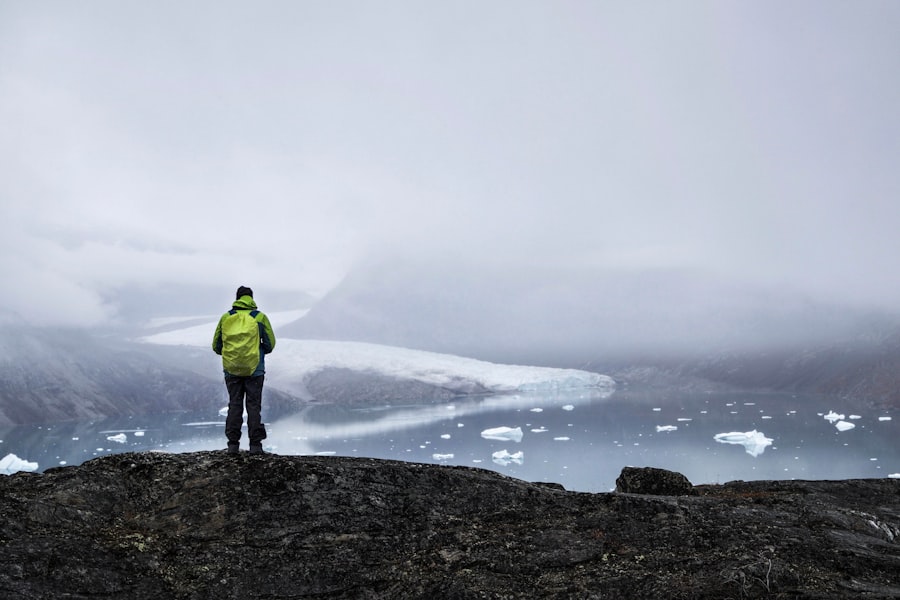
One of the most pressing questions surrounding the Hiawatha Crater is its age. Determining when this colossal impact occurred is crucial for understanding its potential impact on Earth’s climate and evolution, as well as for assessing the frequency of such events. Unfortunately, directly dating the crater is a significant challenge given its current inaccessible location.
Ice Core Correlation: A Frozen Archive of Time
The Greenland ice sheet itself serves as a massive chronological record. Ice cores, extracted from deep within the ice, contain layers of ice and trapped air bubbles that preserve an invaluable history of Earth’s climate and atmospheric composition over hundreds of thousands of years. Scientists can correlate climatic events and volcanic eruptions recorded in ice cores with periods of geological change. If the Hiawatha impact occurred during a time of significant climate fluctuation or was accompanied by atmospheric debris, it might be possible to find a signature in the ice cores.
Geochronological Investigations: Indirect Dating Methods
While direct dating of the impact event is challenging, scientists employ indirect methods. They can analyze the age of the surrounding bedrock and the geological history of the region. Furthermore, if any ejecta from the impact have been preserved on the surface of Greenland or on nearby islands, dating these materials could provide an estimate of the impact’s age. However, such ejecta would also likely be heavily weathered and eroded over such vast timescales.
The Search for Impact Markers: A Hypothesis of the Pliocene Epoch
Based on preliminary analyses and by comparing the crater’s characteristics with other known impact structures, some scientists hypothesize that the Hiawatha impact could have occurred around 2 to 3 million years ago, during the Pliocene Epoch. This period was characterized by significant global cooling and the expansion of ice sheets, and a large impact event during this time could have played a role in further climatic shifts. The exact timing remains a subject of ongoing research and debate.
Potential Impacts and Future Research
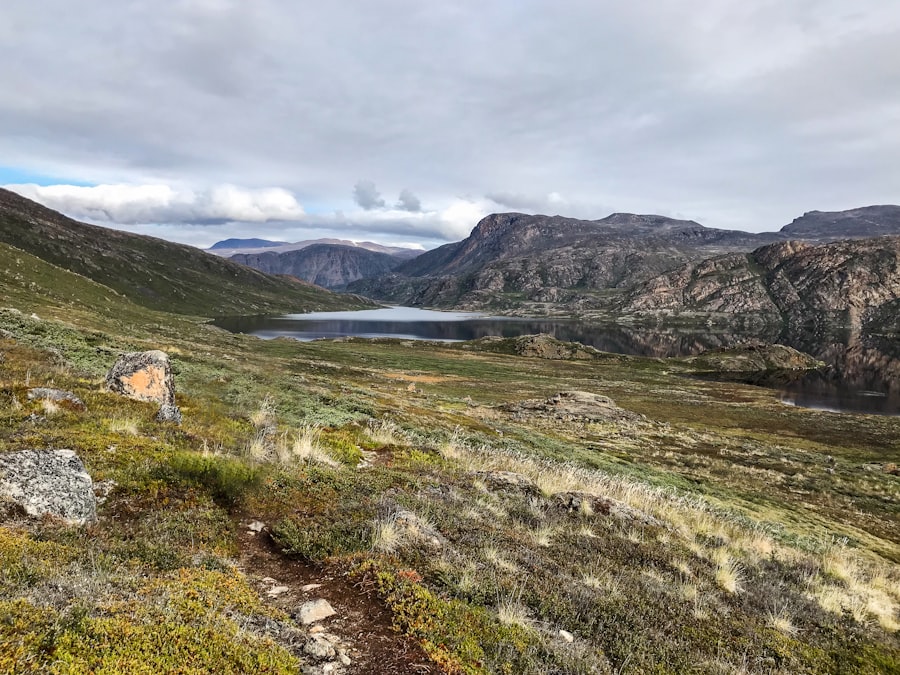
The discovery of the Hiawatha Crater opens a Pandora’s Box of questions about its potential consequences for Earth and what secrets it may still hold. Understanding the impact’s magnitude and timing could revolutionize our understanding of planetary science and the threats we face from space.
Climate Change and the Hiawatha Impact
A meteorite impact of Hiawatha’s size could have had profound, albeit potentially regional, effects on Earth’s climate. The immediate aftermath of such an event would involve the ejection of massive amounts of dust and debris into the atmosphere, potentially blocking sunlight and causing a period of global cooling or “impact winter.” The scale of such an effect depends heavily on the size and composition of the impacting object and the amount of material thrown into the stratosphere. If Hiawatha occurred during a period of glacial expansion, it could have exacerbated existing ice age conditions. Conversely, depending on the specifics of the impact, it could have also triggered localized thawing.
Biodiversity and Evolutionary Pressures
Large-scale impact events are known to have played significant roles in Earth’s history, often leading to mass extinction events. The Cretaceous-Paleogene extinction event, which wiped out the non-avian dinosaurs, is famously linked to the Chicxulub impact. While the Hiawatha impact is not believed to have caused a global extinction event of that magnitude, it could have exerted significant evolutionary pressures on flora and fauna in the region and potentially further afield through its climatic effects. Studying the fossil record around the likely time of the impact may reveal subtle shifts in species distribution or adaptation.
The Search for Core Samples: A Glimpse Beneath the Ice
The ultimate goal for researchers is to obtain core samples from directly beneath the Hiawatha Crater. This would provide unprecedented insight into the impact process itself, allowing for direct study of shocked minerals, brecciated rocks, and potentially even fragments of the impacting asteroid or comet. Developing the technology and logistical capacity to drill through hundreds of meters of ice to reach the crater floor is a monumental engineering challenge, but one that promises to yield invaluable scientific rewards. Such an endeavor would involve specialized drilling equipment capable of operating in extreme cold and under immense pressure, along with sophisticated methods for sample retrieval and preservation.
The Hiawatha crater in Greenland has garnered significant attention due to its potential implications for understanding past climate events and its role in the study of impact craters. Researchers are increasingly exploring how such geological features can influence our knowledge of Earth’s history and its future. For those interested in the intersection of space technology and environmental science, a related article discusses advancements in cislunar space domain awareness technology, which could have far-reaching effects on our understanding of planetary impacts. You can read more about this fascinating topic in the article available here.
A Cosmic Vault of Knowledge
| Hiawatha Crater Greenland | Metric | Data |
|---|---|---|
| Age | Years | Estimated to be less than 3 million years old |
| Diameter | Meters | 31 kilometers |
| Depth | Meters | Unknown, estimated to be several hundred meters |
| Discovery | Year | 2015 |
The Hiawatha Crater, hidden for millennia beneath Greenland’s icy mantle, represents a profound discovery. It is a testament to the dynamic and often violent history of our planet, a history etched not just in rock and sediment but also, in this case, frozen in time. The ongoing research into this colossal impact scar promises to unlock secrets about Earth’s past, its climate, and its vulnerability to cosmic events.
Understanding Impact Frequencies
The discovery of Hiawatha adds to the tally of large impact craters on Earth, helping scientists refine their understanding of the frequency of such events. By studying the size and age of known craters, geologists can better assess the probability of future impacts and develop more effective planetary defense strategies. Each new discovery, like Hiawatha, provides a crucial data point in this ongoing effort to map and understand the cosmic hazards that threaten our planet.
Preparing for Future Threats
The study of impact craters is not merely an academic pursuit; it has direct implications for the future of humanity. By understanding the devastating potential of large asteroid or comet impacts, societies can invest in early detection systems, deflection technologies, and disaster preparedness plans. The Hiawatha Crater, while a relic of the past, serves as a stark reminder of the power of cosmic collisions and the importance of scientific vigilance.
The Future of Greenland’s Frozen Secrets
As technology advances and our understanding of Earth systems deepens, it is possible that more hidden wonders, like the Hiawatha Crater, lie concealed beneath Greenland’s vast ice sheet. The ongoing exploration of this polar frontier continues to reveal the intricate geological tapestry of our planet, reminding us that even in the most seemingly serene environments, epic stories of Earth’s tumultuous past are waiting to be uncovered. The Hiawatha Crater is more than just a geological feature; it is a frozen chapter in our planet’s epic narrative, a chapter that scientists are diligently working to read.

This Crater Was Supposed to Rewrite Human History… It Didn’t
FAQs
What is the Hiawatha crater in Greenland?
The Hiawatha crater is a large impact crater located beneath the Hiawatha Glacier in northwest Greenland. It was discovered in 2015 and is one of the 25 largest impact craters on Earth.
How was the Hiawatha crater formed?
The Hiawatha crater was formed by the impact of a meteorite or asteroid that struck the Earth’s surface around 12,000 years ago during the Pleistocene epoch. The impact would have released a tremendous amount of energy, causing widespread destruction in the surrounding area.
What are the characteristics of the Hiawatha crater?
The Hiawatha crater measures over 31 kilometers (19 miles) in diameter, making it one of the largest impact craters on Earth. It is buried beneath more than 900 meters (3,000 feet) of ice, making it difficult to study directly.
What significance does the Hiawatha crater hold?
The discovery of the Hiawatha crater has provided scientists with valuable insights into the impact history of Earth and the potential effects of large asteroid impacts. It also sheds light on the geological history of Greenland and the surrounding region.
How is the Hiawatha crater being studied?
Scientists are using a combination of remote sensing techniques, including radar and gravity measurements, to study the Hiawatha crater. They are also conducting field expeditions to collect samples and data from the area surrounding the crater.