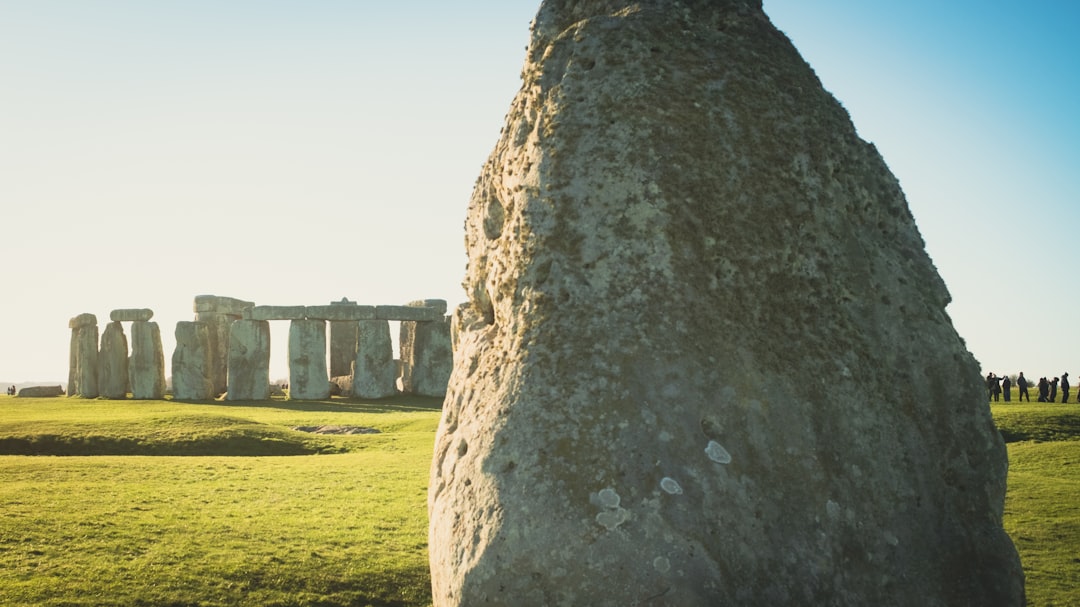
The veil of time often obscures the most profound human achievements, leaving us to gaze upon ancient remnants with a mix of awe and bewilderment. Among these enigmatic relics, prehistoric stone circles stand out, their silent sentinels scattered across the landscapes of Europe and beyond. These monumental arrangements of upright stones, often arranged in precise circular patterns, have captivated imaginations for centuries, sparking endless debate about their purpose, construction, and the people who conceived them. They are not merely piles of rock; they are whispered secrets from a forgotten epoch, testaments to the ingenuity, spirituality, and collective will of our ancestors.
The most persistent question surrounding prehistoric stone circles is their ultimate function. While concrete answers remain elusive, archaeological investigation and comparative studies offer a compelling array of hypotheses. These theories, ranging from the practical to the profoundly spiritual, paint a picture of a society deeply connected to the natural world and its cycles.
Astronomical Observatories and Calendrical Devices
One of the most widely accepted theories posits that many stone circles served as sophisticated astronomical observatories. The alignment of certain stones with celestial events, such as the solstices, equinoxes, and the rising or setting of significant stars, suggests a profound understanding of the cosmos.
The Solstice Connection
The alignment with the summer and winter solstices, the longest and shortest days of the year, is a recurring feature in many well-preserved sites. At Stonehenge, for example, the Heel Stone is precisely positioned to mark the sunrise on the summer solstice. This alignment would have been crucial for agricultural societies, marking the turning points of the year and dictating planting and harvesting cycles. It also held immense spiritual significance, symbolizing renewal and the cyclical nature of life.
Tracking Lunar Cycles
Beyond solar events, evidence suggests some circles were also designed to track lunar cycles. The complex arrangement of stones and ditches at certain sites could have allowed for the prediction of eclipses or the tracking of lunar phases, which were also vital for calendrical purposes and religious rituals. The precision required for such observations would have demanded generations of careful study and meticulous record-keeping.
A Universal Need for Timekeeping
The need to understand and predict celestial movements would have been paramount for prehistoric peoples. The regularity of the seasons, the predictable rhythm of the moon, and the awe-inspiring passage of stars offered a framework for their lives. Stone circles, with their monumental scale and precise alignments, served as visible and enduring calendars, uniting communities through shared observations and rituals tied to the passage of time.
Sacred Spaces and Ritualistic Hubs
Beyond their astronomical functions, stone circles were undeniably imbued with deep spiritual and ritualistic significance. They served as sacred gathering places, centers for ceremonies, and conduits to the divine.
Sites of Worship and Sacrifice
The very act of constructing such monumental structures suggests a reverence for the divine or the ancestral. It is highly probable that these circles were sites of worship, where communities gathered to offer prayers, perform rituals, and perhaps even make sacrifices. The sheer effort involved in transporting and erecting these massive stones would have necessitated a powerful collective belief system and a shared commitment to their sacred purpose.
Stages for Ceremonies and Festivals
Imagine large gatherings of people, perhaps for harvest festivals, initiation rites, or funerary ceremonies, all centered within the imposing embrace of these stone circles. The open space within the circle would have provided a natural amphitheater for such events, with the stones acting as symbolic markers or even backdrops for important rites. The echoes of ancient chants and the flickering light of fires would have filled these spaces with an intangible spiritual energy.
Connection to the Ancestors and the Spirit World
Many theories also suggest that stone circles served as portals or connections to the spirit world or the realm of ancestors. The monumental nature of the stones, often seen as representing enduring forces, might have been believed to bridge the gap between the earthly and the supernatural. Rituals performed within these circles could have been intended to appease spirits, seek guidance, or communicate with those who had passed beyond.
Social and Political Centers
The construction and maintenance of these impressive structures would have required significant organization, labor, and resources, implying that stone circles also served as important social and political centers for prehistoric communities.
Hubs of Community Cohesion
The collaborative effort needed to erect these stones would have fostered a strong sense of community and shared identity. The construction process itself would have been a prolonged undertaking, demanding cooperation, division of labor, and the passing down of knowledge across generations. This shared endeavor would have solidified social bonds and reinforced the collective will of the community.
Sites for Feasting and Gathering
Beyond formal rituals, it is likely that stone circles were also focal points for communal feasting and social gatherings. Archaeological evidence, such as the presence of pottery shards and animal bones, often points to these sites being used for celebratory meals and communal activities that reinforced social hierarchies and strengthened inter-group relationships.
Symbols of Power and Prestige
The sheer scale and complexity of some stone circles suggest they were also displays of power and prestige for the communities that built them. The ability to marshal the resources and manpower for such a feat would have been a testament to the authority and influence of the leaders or ruling elite. These structures could have served as physical manifestations of their dominion and their connection to the sacred.
Prehistoric circular stone monuments, such as stone circles and henges, have long fascinated archaeologists and historians alike, as they offer insights into the social and ceremonial practices of ancient cultures. These structures, often aligned with astronomical events, suggest a sophisticated understanding of the cosmos by their builders. For a deeper exploration of ancient technologies and their potential purposes, you can read the article on the lost power of ancient technology at this link.
The Herculean Feats of Construction: How Did They Do It?
The construction of prehistoric stone circles is as baffling as their purpose. Without the sophisticated tools and technologies of the modern era, ancient peoples managed to quarry, transport, and erect massive monoliths, some weighing many tons, with remarkable precision.
Quarrying the Giants: Sourcing the Stone
The first challenge was obtaining the raw material. The selection of stone types varied, but often involved local materials or, in some remarkable cases, stones transported from considerable distances.
Local Materials and Their Significance
Many circles utilized readily available local stone, such as sandstone or granite. The choice of material may have held symbolic significance, or it may have simply been a matter of practical necessity. The inherent properties of the stone, its durability and texture, would have been considerations for their longevity and aesthetic appeal.
The Mystery of Transported Stones
Perhaps the most astonishing aspect of construction is the transportation of stones from distant quarries. At Stonehenge, for example, the bluestones were brought from the Preseli Hills in Wales, over 150 miles away. The methods employed for such monumental journeys are a subject of intense speculation.
Theories of Water Transport
One prevalent theory suggests that the stones were transported by water, either on rafts or dug-out canoes, using rivers and coastal routes. This would have been a more efficient method than overland hauling for such immense weights. The proximity of many stone circle sites to water sources lends credence to this idea.
Overland Hauling and Ingenious Devices
For overland transport, it is believed that ingenious methods were employed, such as using sledges pulled by teams of people or oxen, combined with levers, rollers, and ramps. The creation of causeways or trackways might also have facilitated the movement of these colossal stones. The sheer physical exertion and coordination required for such an undertaking are almost unimaginable.
Erecting the Monoliths: The Art of the Upright
Once transported to the site, the stones needed to be raised and placed upright, a task that demanded meticulous planning and considerable labor.
Leveraging and Counterweights
The most likely method for raising the stones involved the use of levers and counterweights. Large pits would have been dug, and the stones gradually tilted into place. Ropes, made from animal hides or plant fibers, would have been crucial for pulling and guiding the stones.
The Role of Ramps and Earthworks
The construction of massive earthen ramps would have allowed the stones to be gradually elevated and maneuvered into position. These ramps, often built in stages, would have provided a stable pathway for the heavy stones.
Precision Placement and Stability
The accuracy with which many stones were placed is remarkable. They were often set into carefully prepared foundation pits, sometimes with smaller stones or packed earth used to ensure stability. The intention was not just to stand them up, but to ensure they remained upright for millennia.
The Collective Effort: A Testament to Social Organization
The successful construction of any stone circle was a monumental testament to the social organization and collaborative spirit of prehistoric communities.
Division of Labor and Specialization
It is highly probable that these projects involved a sophisticated division of labor, with different individuals or groups responsible for specific tasks, such as quarrying, transport, lifting, and ceremonial preparation. This suggests a level of societal structure and specialization.
The Importance of Knowledge Transmission
The knowledge and techniques required for such construction would have been passed down through generations, forming a vital part of their cultural heritage. This transmission of practical skills, combined with the understanding of celestial patterns, highlights a sophisticated form of education.
Global Distribution: Beyond the British Isles
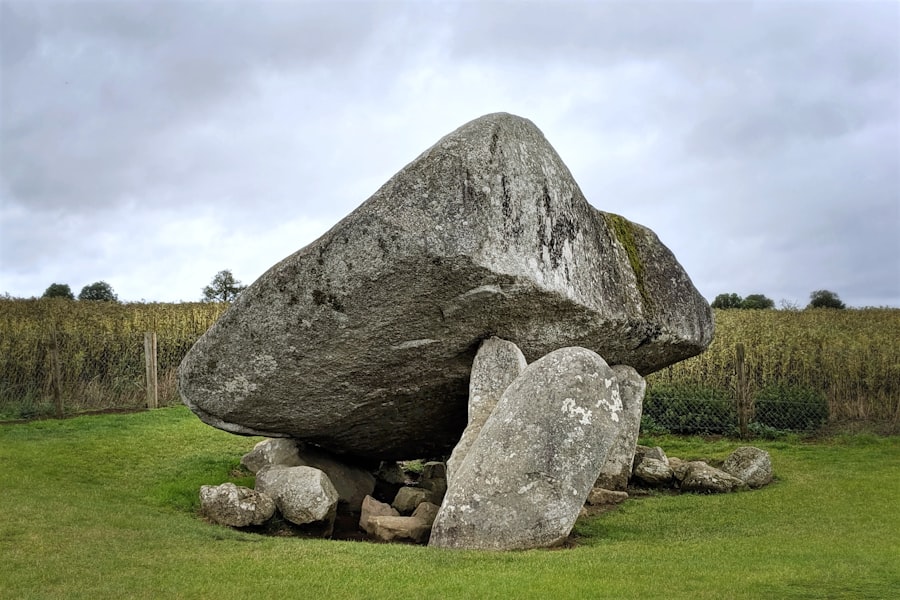
While the British Isles, particularly England, Scotland, and Ireland, are renowned for their impressive stone circles, similar structures are found in various other parts of the world, hinting at a shared human impulse to mark sacred spaces and align with the cosmos.
European Cousins: Brittany and Scandinavia
France, especially the region of Brittany, boasts some of the most extensive and well-preserved megalithic sites in Europe, including the Carnac stones, a vast complex of standing stones and alignments.
The Carnac Stones: A Forest of Granite
The Carnac stones, comprising thousands of menhirs arranged in long parallel rows, are a breathtaking spectacle. Their purpose remains as enigmatic as their larger, more isolated counterparts, but theories range from astronomical alignments to territorial markers and ritualistic processions. The sheer scale and density of the Carnac alignments set them apart, suggesting a highly organized and dedicated society.
Scandinavian Megaliths: Runestones and Stone Settings
Scandinavia also features numerous stone settings and megalithic monuments, though often smaller in scale than their British counterparts. These include the famed runestones, many of which were erected in conjunction with burial sites or other significant locations, and circular stone settings that may have served similar ceremonial purposes.
The Wider World: Africa and Asia
The impulse to create monumental stone structures is not confined to Europe. Similar traditions have been observed in other parts of the globe, albeit with distinct regional characteristics.
East African Stone Circles: Herders and Their Lore
In East Africa, particularly in regions like Ethiopia and Kenya, archaeologists have uncovered numerous stone circles. These are often associated with pastoralist communities and are thought to have served a variety of functions, including ceremonial sites, burial markers, and perhaps even social gathering points for distinct clans. The archaeological context of these sites often reveals evidence of animal herding, suggesting a connection between these stone structures and the lives of their builders.
Asian Enigmas: Though Less Common
While less common and often less monumental than European examples, stone alignments and arrangements can be found in parts of Asia. These might be isolated standing stones with specific cultural significance or smaller circular arrangements that likely served localized ritualistic purposes. The study of these sites is ongoing, and new discoveries continue to broaden our understanding of ancient human practices.
Symbolism and Spirituality: Echoes of Ancient Beliefs
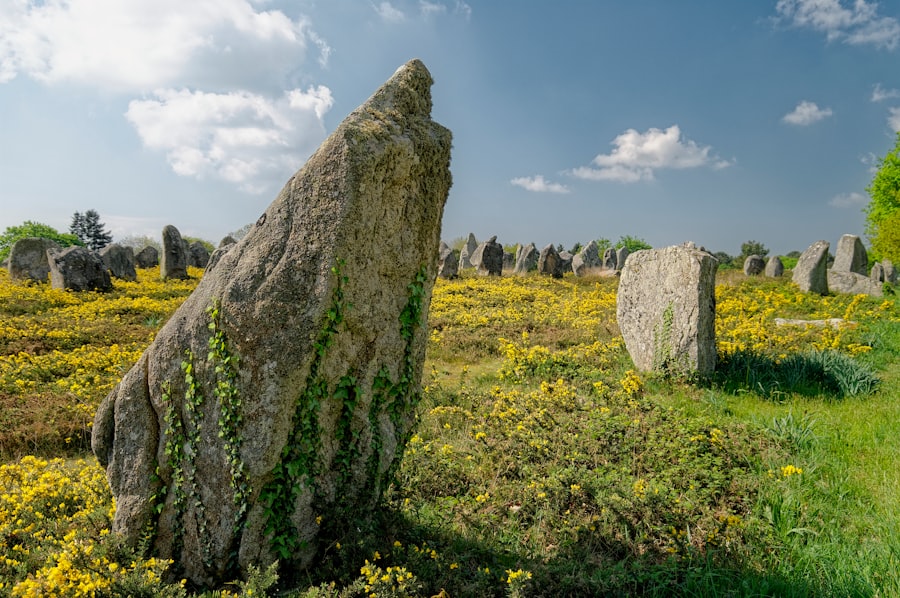
The enduring presence of stone circles speaks volumes about the symbolic and spiritual landscapes of prehistoric societies. They were not merely utilitarian structures but deeply imbued with meaning and belief.
The Sacred Geometry of the Circle
The circular form itself is universally recognized as symbolic. It represents wholeness, eternity, unity, and the cyclical nature of life, death, and rebirth. The use of the circle in these monumental arrangements likely reflects a profound connection to these fundamental concepts.
Cosmic and Earthly Harmony
The circular shape could have been seen as mirroring the sun, the moon, and the celestial cycles, thereby symbolizing a connection between the earthly realm and the cosmos. The alignment of stones within the circle would have further reinforced this idea of a structured and harmonious universe.
The Gateway to the Sacred
The enclosed space of the circle, often demarcated by upright stones, could have been perceived as a sacred precinct, a boundary between the profane and the divine. Entering the circle would have signified a transition into a place of ritual, contemplation, and spiritual connection.
The Power of the Standing Stone (Menhir)
Individual standing stones, or menhirs, often found within or associated with stone circles, also held significant symbolic weight.
Phallic Symbols and Fertility Rites
In some interpretations, menhirs are seen as phallic symbols, representing male fertility and the generative power of nature. This connection to fertility would have been crucial for agricultural and pastoral communities.
Ancestral Monuments and Memorials
Alternatively, menhirs may have served as ancestral monuments or memorials, marking important gravesites or commemorating significant individuals or events. Their imposing stature would have ensured remembrance and respect.
The Unseen Forces: Ritual and Magic
The rituals performed within these circles likely involved a belief in unseen forces and a desire to influence them through ceremony and symbolic action.
Divination and Prophecy
It is plausible that priests or shamans used the celestial alignments and the symbolic arrangement of stones for divination and prophecy, seeking to understand the will of the gods or predict future events.
Healing and Transformation
The sacred spaces of stone circles may also have been sites for healing rituals or ceremonies of transformation, where individuals sought spiritual or physical renewal. The very act of participating in the communal rituals within these powerful places could have had a profound psychological and spiritual impact.
Prehistoric circular stone monuments, often shrouded in mystery, have captivated archaeologists and historians alike as they provide insights into ancient cultures and their rituals. A fascinating article that delves into the geological aspects of ancient structures is available at Unveiling the Antarctic Ice Cap Seismic Profile, which explores how seismic studies can reveal hidden histories beneath the ice, potentially shedding light on the environmental conditions that influenced the construction of these monumental sites.
Enduring Legacies: Why Do They Still Captivate Us?
| Name | Location | Diameter | Age |
|---|---|---|---|
| Stonehenge | England | 30 meters | Around 3000 BC |
| Avebury Stone Circle | England | 331.6 meters | Around 2850 BC |
| Callanish Stones | Scotland | 13 meters | Around 2900 BC |
Centuries, even millennia, after their construction, prehistoric stone circles continue to exert a powerful pull on the human imagination. Their mystery, their scale, and their connection to a forgotten past make them enduring sources of fascination and wonder.
The Lure of the Unknown
The inherent mystery surrounding stone circles is a significant part of their appeal. The lack of definitive answers invites speculation, interpretation, and a personal connection to the past. Each visitor can project their own ideas and beliefs onto these ancient structures.
A Tangible Link to Our Ancestors
Stone circles offer a tangible link to our prehistoric ancestors, allowing us to touch the stones they touched, stand in the places they stood, and contemplate the same sky they gazed upon. They are physical manifestations of human ingenuity, spirituality, and the enduring drive to make sense of the world.
Landscapes of Meaning and Contemplation
These sites are not just historical artifacts; they are often set within landscapes that possess their own inherent beauty and mystique. Standing within a stone circle, surrounded by ancient stones and the echoes of time, can evoke a profound sense of peace, awe, and spiritual connection. They invite contemplation on the passage of time, the nature of existence, and our place within the grand tapestry of life.
The silent sentinels of prehistory, the stone circles, continue to whisper their secrets across the ages. Though their exact purposes may remain partly veiled, their enduring presence serves as a powerful reminder of the deep spiritual, intellectual, and social lives of our ancestors, and their profound connection to the earth and the stars. They are monuments not just to stone, but to the enduring spirit of humanity.

260 Ancient Graves Were Hiding in This “Empty” Desert
FAQs
What are prehistoric circular stone monuments?
Prehistoric circular stone monuments are ancient structures made of large stones arranged in a circular pattern. They are found in various parts of the world and are believed to have been constructed for religious, ceremonial, or astronomical purposes.
Where are prehistoric circular stone monuments found?
Prehistoric circular stone monuments can be found in different regions around the world, including Europe, Asia, Africa, and the Americas. Some well-known examples include Stonehenge in England, the Callanish Stones in Scotland, and the megalithic structures in Malta.
How were prehistoric circular stone monuments constructed?
The construction of prehistoric circular stone monuments involved the transportation and arrangement of large stones, often weighing several tons. It is believed that ancient people used a combination of manpower, wooden rollers, and levers to move and position the stones into place.
What was the purpose of prehistoric circular stone monuments?
The exact purpose of prehistoric circular stone monuments is still a topic of debate among archaeologists and historians. Some theories suggest that they were used for religious or ceremonial rituals, while others propose that they served as astronomical observatories or markers of seasonal events.
What is the significance of prehistoric circular stone monuments?
Prehistoric circular stone monuments are significant because they provide insights into the beliefs, practices, and technological capabilities of ancient societies. They also serve as important cultural and historical landmarks, attracting visitors and researchers from around the world.