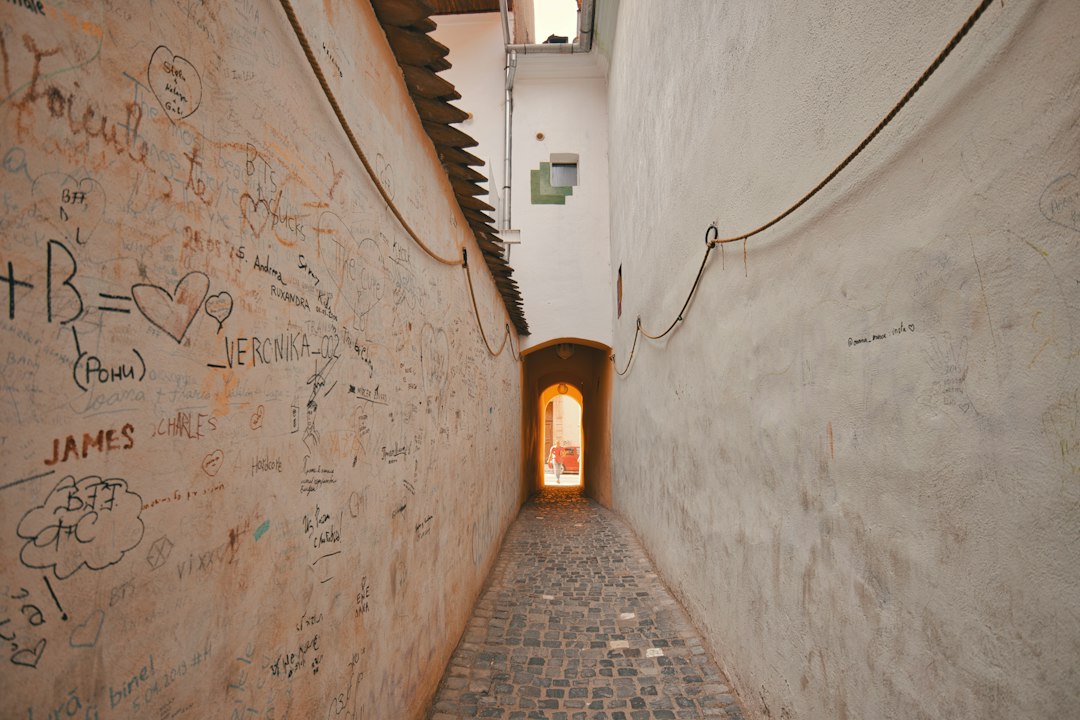
Narrow streets, often seen as relics of a bygone era, are quietly emerging as a critical component in the modern fight against urban heat. As cities worldwide grapple with the escalating impacts of climate change and the pervasive phenomenon of the urban heat island effect, a closer examination of traditional urban planning principles, particularly the humble narrow street, reveals potent solutions. Far from being mere aesthetic choices or traffic conduits, the architectural configuration of streets profoundly influences the thermal environment of a city. This article explores the multifaceted ways in which narrow streets contribute to urban cooling, examining the underlying scientific principles and the practical implications for city dwellers.
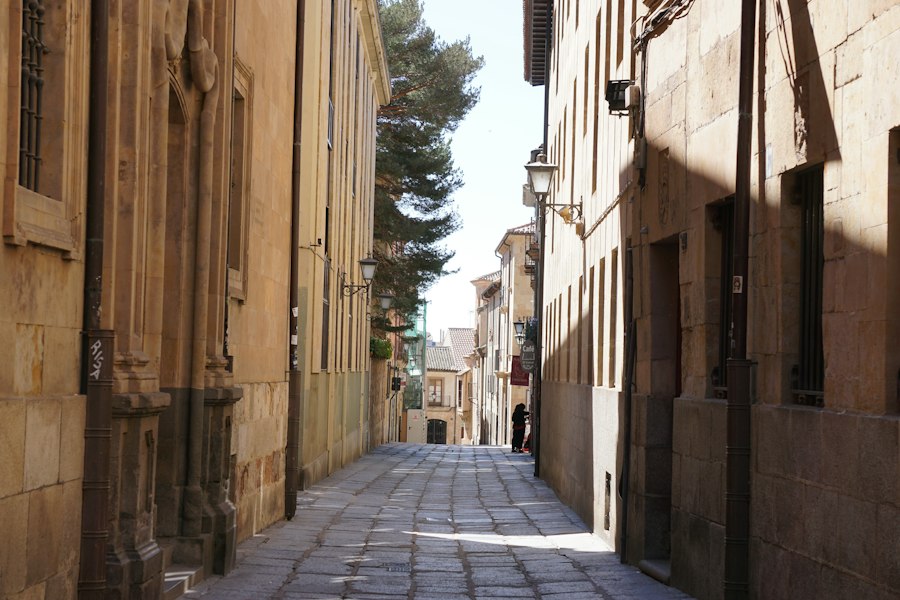
The most immediate and impactful benefit of narrow streets lies in their ability to generate shade. As the sun traverses the sky, the tall buildings that typically flank narrow urban corridors cast long shadows, effectively shielding the street surface and pedestrian areas from direct solar radiation. This phenomenon is not accidental; it is a direct consequence of the geometric relationship between building height and street width.
Geometric Principles of Shade and Street Width
The concept is rooted in basic trigonometry. The angle of the sun at any given time, combined with the height of surrounding buildings, dictates the extent and duration of shade. In a narrow street, the ratio of building height to street width is significantly higher than in wider avenues or open plazas. This means that even when the sun is at its zenith, the building facades create a significant overhang, projecting shadows onto the street below. Conversely, wider streets, especially those with shorter buildings, are more exposed to direct sunlight for longer periods, leading to greater solar heat absorption. Researchers have developed sophisticated models to quantify this effect, demonstrating a clear correlation between street width and the percentage of time a street is shaded. These models consider factors like latitude, time of day, and season to predict the thermal performance of different street typologies. The darker the shade, the less solar energy is absorbed by the asphalt, concrete, and building materials, directly reducing the surface temperature.
The Impact of Building Height and Facade Design
Beyond mere width, the height and design of buildings flanking narrow streets play a crucial role in maximizing shade. Taller buildings inherently cast longer shadows. Furthermore, the presence of overhangs, balconies, and recessed windows on these facades can further enhance the shading effect, creating microclimates of coolness. The materials used on building facades also matter. Lighter-colored, reflective materials can reduce the amount of solar radiation absorbed by the buildings themselves, indirectly benefiting the street environment by radiating less heat downwards. Conversely, dark, heat-absorbing materials on facades can exacerbate the heat buildup. Architects and urban planners are increasingly considering these facade design elements in conjunction with street width to optimize thermal performance. The interplay between building form and street geometry creates a sophisticated passive cooling system that requires no energy input.
Seasonal Variations in Shade Provision
It is important to note that the effectiveness of shade provided by narrow streets can vary with the seasons. During summer months, when the sun is higher in the sky, the shadows cast by buildings in narrow streets are often at their longest and deepest, offering maximum relief. In winter, when the sun is lower, the shadows may be shorter, allowing more sunlight to penetrate. However, even in winter, the reduced intensity of solar radiation and the presence of buildings can still provide some moderating effect compared to open, exposed areas. This seasonal variation in shade is an inherent characteristic of narrow street design and contributes to a more balanced urban climate throughout the year.
Narrow streets play a crucial role in maintaining cooler urban environments by promoting shade and reducing heat absorption from sunlight. This concept is explored in depth in the article “Fragile States: The Global Challenge,” which discusses how urban planning can mitigate the effects of climate change in densely populated areas. For more insights on the intersection of urban design and climate resilience, you can read the article here: Fragile States: The Global Challenge.
The Role of Airflow and Ventilation: Harnessing Natural Cooling
Beyond blocking sunlight, narrow streets also play a vital role in facilitating natural ventilation and air circulation within the urban fabric. The constricted spaces can channel prevailing winds, creating a cooling breeze that circulates through the city.
Canyon Effect and Wind Speed Amplification
The phenomenon of the “urban canyon effect” is central to understanding how narrow streets influence airflow. When wind encounters a street lined with tall buildings, it is forced to flow through the constricted space. This channeling effect can lead to an increase in wind speed, as the air is squeezed through a narrower passage. This amplified airflow can be highly beneficial for cooling, as it increases the rate of convective heat transfer from surfaces and occupants. The greater the height-to-width ratio of the street, the more pronounced this canyon effect tends to be. This natural ventilation helps to remove accumulated heat and pollutants, creating a more comfortable and healthier urban environment.
Evaporative Cooling Potential and Water Features
Narrow streets can also enhance evaporative cooling. The presence of moisture, whether from vegetation, fountains, or even residual humidity, can lead to a cooling effect as water evaporates into the air. In narrow streets, the limited exposure to direct sunlight means that water features or vegetated areas are more likely to remain moist for longer periods, maximizing their evaporative cooling potential. The enclosed nature of narrow streets can also help to trap this cooler, more humid air, spreading its benefits throughout the immediate vicinity. Imagine a shaded street with a small fountain; the cool mist rising from the water, combined with the shade, creates a powerful cooling sensation.
Minimizing Heat Trapping and Promoting Air Exchange
Conversely, wide streets and open spaces can sometimes act as heat traps, especially during hot, still weather. Heat absorbed by large expanses of pavement and buildings can be released slowly, leading to prolonged periods of elevated temperatures. Narrow streets, with their enhanced airflow, are less prone to this heat trapping. The constant circulation of air helps to prevent the stagnant accumulation of heat, promoting a more dynamic and cooler microclimate. This continuous air exchange is crucial for dissipating heat that is generated by human activities, traffic, and building systems.
Material Properties and Thermal Inertia: The Unsung Heroes of Cool Streets
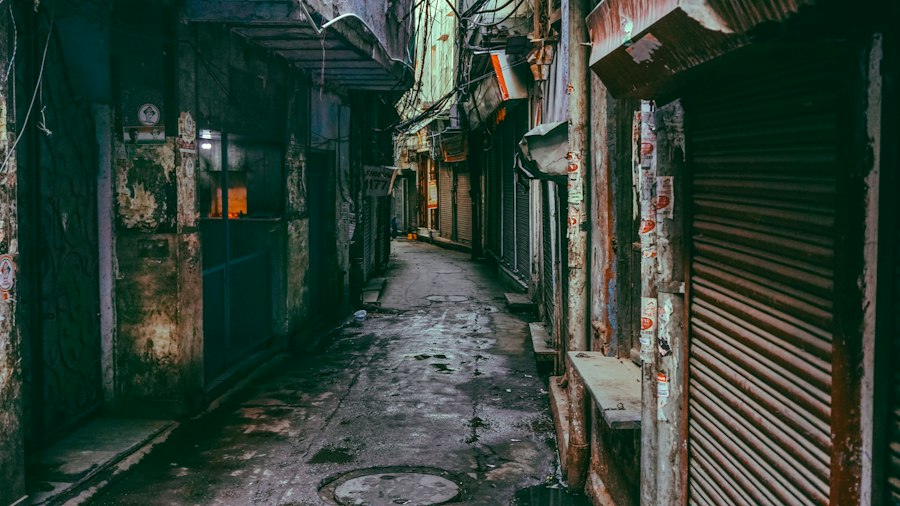
The choice of materials used in the construction of narrow streets and their surrounding buildings significantly influences their thermal performance. Certain materials are inherently better at reflecting heat, while others can store and release it more gradually.
Albedo and Reflectivity of Street Surfaces
The albedo, or reflectivity, of street surfaces is a critical factor in determining how much solar radiation is absorbed. Darker surfaces, such as asphalt, have a low albedo and absorb a significant amount of heat, contributing to higher surface temperatures. Lighter-colored materials, such as concrete, light-colored pavers, or specialized reflective coatings, have a higher albedo and reflect more sunlight back into the atmosphere, thus absorbing less heat. In narrow streets, where large areas of pavement are exposed to sunlight, the selection of high-albedo materials can have a substantial impact on overall cooling. While aesthetic considerations often come into play, there is a growing understanding of the significant thermal benefits of prioritizing high-albedo materials in urban design.
Thermal Mass and Heat Storage
Thermal mass refers to a material’s ability to absorb, store, and release heat. Materials with high thermal mass, such as concrete, brick, and stone, can absorb heat during the day and release it slowly at night. In narrow streets, this property can be beneficial. During hot days, the thermal mass of the surrounding buildings and pavement can absorb some of the incoming solar heat, moderating the temperature. At night, as temperatures drop, this stored heat is released, preventing the city from cooling down too rapidly and thus reducing the diurnal temperature range. This can lead to more comfortable overnight temperatures, reducing the reliance on air conditioning.
Emissivity and Radiative Cooling
Emissivity is the ability of a material to radiate thermal energy. All objects with a temperature above absolute zero emit thermal radiation. Materials with high emissivity radiate heat more effectively. At night, especially in clear conditions, surfaces with high emissivity can cool down more rapidly by radiating heat to the cooler night sky. This phenomenon, known as radiative cooling, can contribute to lowering urban temperatures. While the primary benefit of narrow streets is often related to shade and airflow, the radiative properties of the materials used within them also play a role in the overall thermal balance.
The Biophilic Connection: Integrating Nature into Narrow Streets
While the architectural features of narrow streets are paramount, their ability to foster a connection with nature, or biophilia, further enhances their cooling potential. Integrating greenery and water features can amplify the benefits of shade and airflow.
Vegetation and Transpiration: A Natural Air Conditioner
Plants play a crucial role in urban cooling through transpiration, the process by which they release water vapor into the atmosphere. This process has a significant cooling effect, similar to evaporative cooling. In narrow streets, trees and other vegetation can provide additional shade and moisture. Strategically planted street trees can extend the shaded areas, while also contributing to air quality improvement. Vertical gardens on building facades and green roofs can also contribute to cooling the microclimate by absorbing sunlight and releasing moisture. The presence of greenery transforms the hardscape of the street into a more dynamic and living environment.
Water Features and Microclimate Enhancement
As mentioned earlier, water features can significantly enhance evaporative cooling. Small fountains, misters, or even strategically placed planters that retain water can create localized cooling zones within narrow streets. The visual and auditory appeal of water also contributes to a more pleasant urban experience, making these spaces more attractive for pedestrians. The enclosed nature of narrow streets can help to concentrate the cooling effect of these water features, making them particularly effective in mitigating heat.
Creating a More Livable and Resilient Urban Fabric
The integration of nature into narrow streets not only provides direct cooling benefits but also contributes to the overall livability and resilience of the urban environment. Green spaces can reduce stress, improve mental well-being, and provide habitats for urban wildlife. By creating cooler, more comfortable, and more aesthetically pleasing urban spaces, narrow streets with integrated greenery can encourage more walking and cycling, further reducing reliance on carbon-emitting transportation. This holistic approach to urban design fosters a more sustainable and enjoyable city for all.
Narrow streets have been shown to play a significant role in keeping cities cool by promoting shade and reducing heat absorption from buildings and pavement. This concept is particularly relevant in urban planning, where the design of streets can influence local climate conditions. For a deeper understanding of how strategic development can impact urban environments, you might find it interesting to explore this article on Mexico’s industrial zone plan, which discusses various aspects of city planning and development. You can read more about it here.
Policy and Planning Implications: Reimagining Urban Design for Cooler Cities
| Metric | Value | Unit | Description |
|---|---|---|---|
| Average Street Width | 5 | meters | Typical width of narrow streets contributing to shading |
| Surface Temperature Reduction | 3-5 | °C | Temperature decrease on streets due to shading from narrow street design |
| Shade Coverage | 70-90 | % | Percentage of street area shaded during peak sun hours |
| Wind Speed Reduction | 10-20 | % | Reduction in wind speed due to narrow street canyon effect |
| Albedo Effect | 0.15-0.25 | Coefficient | Reflectivity of street surfaces influencing heat absorption |
| Air Temperature Difference | 1-2 | °C | Difference in air temperature between narrow and wide streets |
| Urban Heat Island Mitigation | Up to 2 | °C | Contribution of narrow streets to reducing urban heat island effect |
The recognition of narrow streets as a tool for urban cooling has significant implications for urban planning and policy. City leaders and urban designers are increasingly being encouraged to consider these principles in new developments and in the retrofitting of existing urban areas.
Zoning Regulations and Street Design Standards
Updating zoning regulations and street design standards to prioritize narrower street widths, where appropriate, is a crucial step. This involves a careful balance, as extremely narrow streets can pose challenges for emergency services and certain types of transportation. However, within residential areas or pedestrian-focused districts, narrower streets can offer significant advantages. Encouraging building setbacks and façade designs that maximize shade, as well as mandating the use of high-albedo and low-emissivity materials, are also important policy considerations.
Incentivizing Green Infrastructure and Water Features
Policies that incentivize the integration of green infrastructure, such as street trees, green roofs, and vertical gardens, are vital. This could include tax breaks, grants, or streamlined permitting processes for projects that incorporate these elements. Similarly, policies that encourage the incorporation of water features in public spaces, and particularly within streetscapes, can contribute to evaporative cooling and enhance the overall urban microclimate.
Retrofitting Existing Urban Areas: A Path to Resilience
While new developments offer the opportunity to implement these principles from the outset, the retrofitting of existing urban areas is equally important. Strategies such as widening sidewalks and planting more street trees in existing streets can help to improve shade and airflow. Exploring innovative solutions, such as permeable paving materials that reduce heat absorption and allow for water infiltration, can also contribute to cooling. The retrofitting process requires careful planning and community engagement to ensure that changes are both effective and well-received by residents.
In conclusion, the humble narrow street, when thoughtfully designed and integrated into the urban fabric, offers a powerful and often overlooked solution to the pressing challenge of urban heat. By harnessing the science of shade, promoting natural airflow, and strategically employing material properties and greenery, cities can transform their streets into cool, resilient, and more livable spaces. As urban populations continue to grow and climate change intensifies, embracing the lessons of traditional urban planning, particularly the enduring wisdom of narrow streets, will be critical in creating a cooler, more sustainable future for our cities. This is not simply about aesthetics; it is about building cities that are better equipped to withstand the heat and provide a higher quality of life for their inhabitants. The future of urban cooling may very well lie in the deliberate narrowing of our streets.

How Ancient Cities Stayed Cool Without Air Conditioning
FAQs
What are narrow streets?
Narrow streets are roadways that are designed with limited width, typically allowing for only one or two lanes of traffic. These streets are often found in older cities and are characterized by their close proximity of buildings on either side.
How do narrow streets help keep cities cool?
Narrow streets provide shade and reduce the amount of direct sunlight that reaches the ground. This helps to lower the overall temperature in urban areas by decreasing the heat absorbed by buildings and pavement, as well as reducing the urban heat island effect.
Do narrow streets impact air circulation in cities?
Yes, narrow streets can impact air circulation in cities by creating wind tunnels that help to channel and disperse heat. The confined space of narrow streets can also help to trap cooler air, creating a more comfortable microclimate within the city.
Are there any downsides to having narrow streets in cities?
While narrow streets can help keep cities cool, they may also pose challenges for traffic flow and emergency vehicle access. Additionally, narrow streets can limit space for pedestrians and cyclists, potentially leading to safety concerns in highly congested areas.
How can cities optimize the benefits of narrow streets for cooling purposes?
Cities can optimize the benefits of narrow streets for cooling purposes by incorporating green infrastructure, such as trees and vegetation, along these roadways. Additionally, implementing urban design strategies that prioritize pedestrian and cyclist-friendly environments can help to enhance the cooling effects of narrow streets.