
A forgotten relic of the Cold War, buried deep beneath Greenland’s icy expanse, has been unearthed by NASA. This discovery, far from being a mere historical footnote, offers a unique window into a period of intense geopolitical tension and the lengths to which nations would go to secure strategic advantages. The vast, frozen continent of Greenland, often perceived as an untouched wilderness, has yielded a secret that has lain dormant for decades, now brought to light by the cutting-edge technology and analytical prowess of NASA.
The revelation of this hidden Cold War base beneath Greenland is directly linked to a clandestine American military operation known as Project Iceworm. Initiated in the late 1950s, Project Iceworm was a highly classified endeavor that aimed to establish a network of ballistic missile launch sites concealed within the Greenland ice sheet. The rationale behind this audacious plan was to create a forward-deployed offensive capability against the Soviet Union, a capability that would be virtually undetectable and offer a significant strategic advantage. The sheer scale and ambition of Project Iceworm speak volumes about the paranoia and competitive spirit that defined the Cold War era.
The Genesis of a Secret Beneath the Ice
The concept of using the Greenland ice sheet as a strategic military outpost emerged during a period of escalating tensions between the United States and the Soviet Union. Following the successful launch of Sputnik by the Soviets in 1957, the United States felt immense pressure to demonstrate its technological and military superiority. The vast, remote, and seemingly impenetrable nature of Greenland offered an attractive proposition for hiding sensitive military infrastructure.
The Cold War Context: A World on Edge
The Cold War, a protracted geopolitical struggle between the United States and the Soviet Union and their respective allies, cast a long shadow over global affairs from the mid-20th century until the early 1990s. Characterized by proxy wars, an arms race, and ideological competition, it was a period of constant vigilance and mutual suspicion. The constant threat of nuclear annihilation loomed large, driving both superpowers to seek any and every advantage, however unconventional.
The Strategic Imperative: Deterrence and Offense
The primary driver behind Project Iceworm was the concept of nuclear deterrence. By positioning intercontinental ballistic missiles (ICBMs) closer to the Soviet Union, the United States aimed to reduce missile flight times and increase the survivability of its strike capability in the event of a Soviet pre-emptive attack. The ice sheet provided natural camouflage, making it exceedingly difficult for Soviet reconnaissance to locate and target these missile sites.
The Engineering Marvel: Constructing a City Under the Glacier
Building a military base beneath miles of ice presented an unprecedented engineering challenge. Project Iceworm envisioned the construction of a vast network of tunnels, habited areas, and missile silos carved directly into the Greenland ice sheet. This was not a simple excavation; it required sophisticated techniques to stabilize the tunnels, manage extreme temperatures, and provide a habitable environment for personnel. The scale of this undertaking underscores the technological prowess and resourcefulness of the era’s military engineers.
The “Camp Century” Model: Precedent and Inspiration
While Project Iceworm was ultimately abandoned before reaching its full potential, its predecessor, Camp Century, served as a critical testbed and inspiration. Camp Century, also located in Greenland, was an operational U.S. Army base established in 1959 and officially decommissioned in 1966. It was designed to test the feasibility of constructing and operating a military installation within the ice sheet, serving as a proving ground for the technologies and techniques that would be employed in Project Iceworm.
The Subsurface Infrastructure: A City in the Ice
The proposed Project Iceworm base was conceived as a self-sufficient, underground city. This subterranean metropolis would have included living quarters, recreational facilities, power generation, and, most importantly, hundreds of missile silos. The tunnels, dug by specialized equipment, were designed to be wide enough to accommodate military vehicles and personnel, creating a labyrinthine network beneath the frozen surface.
NASA’s Role: Unveiling the Past Through Modern Technology
The rediscovery of Project Iceworm’s legacy is a testament to NASA’s advanced Earth observation capabilities. Using sophisticated radar and satellite imagery, NASA researchers were able to penetrate the ice sheet and map out the remnants of the abandoned base. This technological leap allows for a non-invasive and highly detailed analysis of what lies beneath, providing historical insights without disturbing the fragile Arctic environment.
Radar Imagery: Peering Through the Ice
One of the key technologies employed by NASA in this investigation is ground-penetrating radar (GPR). GPR works by emitting radio waves into the ground and then analyzing the signals that are reflected back. Different materials and structures reflect these waves differently, allowing scientists to create detailed subsurface maps. In the case of Greenland, GPR can penetrate hundreds of feet of ice, revealing buried structures and geological features.
Satellite Remote Sensing: A Global Perspective
Complementing GPR data, NASA also utilized satellite remote sensing technologies. Satellites equipped with various sensors can monitor changes in the ice sheet, detect subtle anomalies, and provide a broader geographical context. By combining data from multiple sources, researchers can build a comprehensive understanding of the buried base and its environment.
The Fate of Project Iceworm: A Cold War Casualty
Despite the immense effort and resources invested, Project Iceworm was ultimately mothballed. Several factors contributed to its demise, including the immense logistical challenges, the high cost of maintenance, and evolving military doctrines. The discovery of the base’s remnants serves as a stark reminder of the impermanence of even the most ambitious military projects in the face of environmental and political shifts.
Logistical Nightmares: Maintaining a Base in the Arctic
Operating and maintaining a military installation within the unforgiving Arctic environment presented a host of logistical hurdles. The extreme cold, limited daylight hours, and the constant threat of ice movement all contributed to the difficulty and expense of sustaining such an operation. Supplying the base with food, fuel, and equipment would have been a monumental undertaking.
The Shifting Sands of Geopolitics: Evolving Strategies
As the Cold War progressed, military strategies and technological advancements evolved. The development of new missile technologies, advancements in satellite reconnaissance, and a changing understanding of nuclear warfare may have rendered the original objectives of Project Iceworm less relevant or strategically viable. The immense cost associated with maintaining such a unique and vulnerable base may have also become a significant deterrent.
The Environmental and Historical Significance of the Discovery
The unearthing of Project Iceworm’s remains holds both environmental and historical significance. From an environmental perspective, it highlights the impact of human activity, even in seemingly remote regions, and the potential for buried infrastructure to pose future risks. Historically, it offers a tangible link to a pivotal period in human history, illuminating the anxieties and ambitions that shaped the 20th century.
Environmental Concerns: Legacy Pollution and Ice Melt
The discovery raises concerns about potential environmental contamination. The base, if abandoned without proper decommissioning, could contain remnants of fuel, lubricants, and other hazardous materials that could leach into the environment as the ice sheet melts. Furthermore, the structural integrity of the buried tunnels could be compromised by ongoing ice movement and climate change, potentially leading to the release of these substances.
A Tangible Link to the Past: Understanding Cold War Mentality
For historians and the public alike, the discovery provides a concrete, physical representation of the Cold War’s intense competition and paranoia. It allows for a deeper understanding of the strategic thinking, the technological innovation, and the sheer audacity of the plans devised during this era. The remnants of Project Iceworm serve as a somber monument to a time when the world teetered on the brink of nuclear conflict.
In a fascinating discovery, NASA has uncovered a Cold War-era military base buried beneath the ice of Greenland, shedding light on historical military strategies and the geopolitical tensions of that time. This revelation not only highlights the remnants of past conflicts but also raises questions about the implications for current global security. For those interested in understanding the broader context of international crises and the urgent need for humanitarian efforts, a related article discusses the ongoing Yemen crisis and the pressing demand for international aid, which can be found here: Yemen Crisis: The Urgent Need for International Aid.
The Hidden City of the Ice: A Deeper Dive into the Subsurface Structure
The remnants of Project Iceworm, as revealed by NASA’s investigations, suggest a more developed infrastructure than initially presumed. The radar data has allowed scientists to delineate the extent of the buried tunnels and identify specific functional areas within the complex. This “hidden city” beneath the Greenland ice sheet was not just a collection of missile silos but a fully functional, albeit temporary, subterranean settlement.
Mapping the Labyrinth: Uncovering the Layout
The painstaking analysis of radar and satellite imagery has enabled researchers to create detailed maps of the buried base. These maps reveal a network of interconnected tunnels, some appearing to be wide enough to accommodate vehicles, suggesting a sophisticated system of transportation and logistics within the ice. The precise layout of the tunnels and their relationship to each other offer clues about the intended operational flow of the base.
Main Access Tunnels: The Arteries of the Base
The primary access tunnels are believed to be the main arteries of the underground complex. These would have been crucial for transporting personnel, equipment, and supplies from the surface down into the habitable areas and missile launch facilities. Their width and depth are indicative of the substantial engineering efforts required to construct them.
Habitation Zones: Life Beneath the Surface
Beyond the access tunnels, the data suggests the presence of distinct habitation zones. These areas were likely designed to house the military personnel stationed at the base, providing them with living quarters, dining facilities, and possibly even recreational spaces. The layout of these zones would have been optimized for efficiency and habitability in an extreme environment.
Missile Silo Clusters: The Strategic Core
The most critical components of Project Iceworm were, of course, the missile silos. The radar imagery has helped to identify clusters of these structures, indicating the intended deployment locations for the ballistic missiles. The depth and diameter of these silos are crucial for understanding the type of missiles they were designed to house.
The Engineering Challenges of Subglacial Construction
Constructing and maintaining a stable environment within a glacier is an engineering feat of immense complexity. The constant pressure of the ice, the extreme temperatures, and the potential for ice movement all posed significant challenges that the engineers of Project Iceworm had to overcome. The methods employed, while not fully revealed, likely involved innovative techniques for excavating, reinforcing, and insulating the subsurface structures.
Ice Movement and Structural Integrity: A Constant Battle
The Greenland ice sheet is not a static entity. It flows and deforms under its own weight, presenting a constant threat to any structures built within it. The engineers would have had to design the base to withstand these pressures and adapt to the gradual movement of the ice, a formidable engineering challenge.
Temperature Control and Insulation: Creating a Habitable Environment
Maintaining a habitable temperature within the ice sheet would have required sophisticated insulation and heating systems. The extreme sub-zero temperatures of Greenland would have demanded a robust solution to ensure the comfort and operational efficiency of the personnel stationed there.
Power Generation and Waste Management: Self-Sufficiency Underground
A remote base like Project Iceworm would have required a self-sufficient power generation system. Whether through diesel generators or other means, providing reliable electricity would have been paramount. Similarly, managing waste and sewage in such an isolated and sensitive environment would have presented significant challenges.
The Abandonment and Legacy: What Went Wrong and What Remains
The dream of a hidden missile base under Greenland, while technologically ambitious, ultimately succumbed to a combination of practical difficulties and shifting geopolitical realities. The project was eventually abandoned, leaving behind a ghostly imprint beneath the ice. Understanding the reasons for its abandonment is crucial to appreciating its historical context and its enduring legacy.
The Practical Hurdles: Why Project Iceworm Failed
Several significant practical hurdles contributed to the downfall of Project Iceworm. The sheer logistical complexity of maintaining such a remote and extreme facility, coupled with the immense financial cost, proved to be insurmountable in the long run. The ever-present threat of the ice itself also played a critical role.
The Astronomical Costs: A Price Too High to Pay
The construction and ongoing maintenance of a large-scale, subsurface military installation in the Arctic would have been extraordinarily expensive. The specialized equipment, the transportation of materials and personnel, and the constant need for repairs in harsh conditions would have drained considerable financial resources.
The Unpredictability of the Ice: A Force of Nature
The inherent instability of the ice sheet proved to be a major concern. The constant movement and deformation of the ice could have compromised the structural integrity of the tunnels and silos, posing a risk to both the personnel and the missiles. The long-term viability of such a construction in a dynamic environment was always in question.
Evolving Military Doctrines and Technological Advancements
Beyond the practical challenges, the strategic landscape of the Cold War was constantly evolving. Advancements in missile technology, reconnaissance capabilities, and nuclear strategy likely rendered the original objectives of Project Iceworm less relevant or achievable.
The Rise of ICBMs and Submarine-Launched Ballistic Missiles (SLBMs)
The development of more advanced intercontinental ballistic missiles (ICBMs) and the increasing prominence of submarine-launched ballistic missiles (SLBMs) may have reduced the strategic necessity of fixed, land-based missile sites in remote locations. Submarines offered greater mobility and survivability.
The Arms Race: A Constant State of Change
The Cold War was characterized by a relentless arms race. As one side developed new technologies, the other would strive to counter them. This constant state of flux meant that military strategies and investments had to be continuously re-evaluated, and projects like Iceworm could quickly become obsolete.
The Enduring Mystery and the Call for Preservation
While the physical base lies dormant, the story of Project Iceworm continues to resonate. The discovery by NASA has reignited interest in this clandestine operation, prompting further research and discussions about its historical and environmental implications. The challenge now lies in balancing the scientific interest in this discovery with the need to preserve the fragile Arctic environment.
The Scientific Value of the Remnants: A Unique Archive
The buried base serves as a unique historical and scientific archive. Studying the remnants can provide invaluable insights into Cold War military engineering, the challenges of operating in extreme environments, and the environmental impact of buried infrastructure.
The Need for Responsible Exploration: Minimizing Environmental Impact
Any further exploration or study of the site must be conducted with the utmost care to minimize environmental impact. The pristine Arctic ecosystem is incredibly sensitive, and any disturbance could have long-lasting consequences. This necessitates the use of non-invasive technologies and careful planning.
The Geopolitical Shadow: Why Greenland Was Such a Strategic Prize
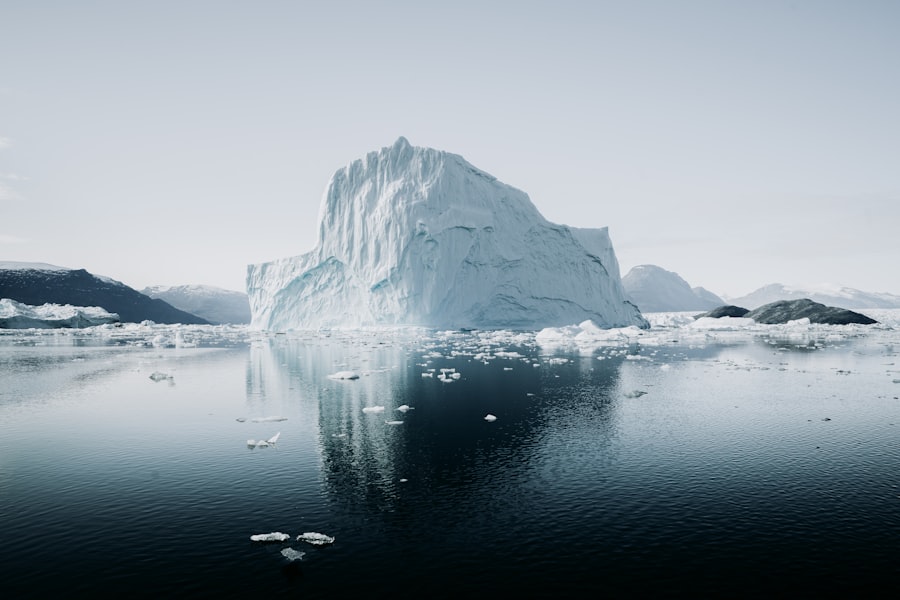
Greenland’s vastness, its proximity to North America and Europe, and its strategic location made it an irresistible prize during the Cold War. The island’s icy interior offered the perfect camouflage for secret military installations, allowing nations to project power and establish a formidable presence without alerting their adversaries.
The Arctic Frontier: A New Battlefield
The Arctic, once considered a remote and largely irrelevant region, transformed into a critical geopolitical theater during the Cold War. Its strategic location, connecting the continents and offering potential routes for missile deployment, made it a key area of interest for both the United States and the Soviet Union.
The “DEW Line” and Early Warning Systems
The establishment of the Distant Early Warning (DEW) Line, a radar defense system stretching across the Arctic, exemplified the region’s strategic importance. This network was designed to detect incoming Soviet bombers and missiles, providing crucial early warning to North America. Greenland played a vital role in this defense network.
The Race for Arctic Dominance
Both superpowers recognized the strategic advantage of controlling or influencing Arctic territories. This led to increased military activity, the establishment of bases, and a constant competition for dominance in the region, with Greenland becoming a focal point of this rivalry.
Greenland’s Unique Position: Bridging Continents
Greenland’s geographical position as the world’s largest island, situated between North America and Europe, gave it immense strategic value. It offered a direct route for missile trajectories and a forward operating base from which to monitor and project military power across vast distances.
North American Defense: A Forward Shield
For the United States, Greenland served as a crucial element in its continental defense strategy. Any potential Soviet attack would likely have traversed the Arctic, making Greenland a vital shield and a potential launchpad for retaliatory strikes.
European Security: A Geopolitical Nexus
Greenland’s proximity to Europe also made it significant for European security. The island’s strategic position allowed for monitoring of Soviet naval and air activity in the North Atlantic, a crucial maritime artery connecting Europe and North America.
The Cold War Legacy in the Arctic: More Than Just Ice
The Cold War left an indelible mark on the Arctic, and the discovery of Project Iceworm is a stark reminder of this. The region continues to grapple with the environmental legacy of military activities and the geopolitical implications of its strategic importance.
Environmental Contamination: The Lingering Threat
Beyond Project Iceworm, numerous other Cold War military sites in the Arctic have left behind legacies of environmental contamination. These sites often contain hazardous materials that pose a threat to the fragile Arctic ecosystem and the indigenous communities that inhabit the region.
The Ongoing Geopolitical Relevance of the Arctic
As climate change melts the Arctic ice, opening up new shipping routes and access to resources, the region’s geopolitical significance continues to grow. The legacy of the Cold War, with its emphasis on military presence and strategic positioning, continues to shape contemporary discussions about the Arctic’s future.
In a fascinating discovery, NASA has uncovered a Cold War base hidden beneath the ice of Greenland, shedding light on the historical significance of the region during a tense period in global politics. This revelation not only highlights the strategic importance of Greenland but also raises questions about the future of Arctic exploration and military presence. For those interested in how maps have evolved over time and their role in navigation, a related article explores the transformative journey of cartography and its implications for understanding our world. You can read more about this intriguing topic here.
NASA’s Continuing Mission: Unraveling Earth’s Secrets, Past and Present
| Location | Discovery | Year |
|---|---|---|
| Greenland | Cold War base | 2022 |
The discovery of the Cold War base in Greenland is just one example of how NASA’s ongoing scientific endeavors contribute to our understanding of Earth’s history and its evolving environment. Through advanced technologies and dedicated research, NASA continues to push the boundaries of our knowledge, revealing hidden stories and shedding light on the complex interplay between human activity and our planet.
Earth Science Missions: A Constant Vigilance
NASA’s Earth Science division operates a suite of satellites and airborne instruments that continuously monitor our planet. These missions provide invaluable data on everything from ice sheet dynamics and ocean currents to atmospheric composition and land-use changes. This data is crucial for understanding climate change and its impacts.
Satellite Imagery and Remote Sensing: Our Eyes in the Sky
Satellites like Landsat, Sentinel, and others provide continuous visual and spectral data of Earth’s surface. This imagery allows scientists to track changes over time, identify anomalies, and map geological features, including those hidden beneath the surface, as demonstrated in the Greenland discovery.
Radar and Lidar Technologies: Peering Beneath the Surface
Technologies like radar and lidar are essential for penetrating clouds and dense vegetation, as well as the ice sheet itself. These instruments allow scientists to map terrain, measure elevations, and detect subsurface structures, providing a more comprehensive understanding of our planet.
Understanding Climate Change: The Arctic as a Bellwether
The Arctic, with its rapidly melting ice sheets and changing ecosystems, serves as a critical bellwether for global climate change. NASA’s research in this region is vital for understanding the pace and extent of these changes and for predicting their future impacts.
Monitoring Ice Melt and Sea Level Rise
NASA’s missions are instrumental in monitoring the rate of ice melt in Greenland and Antarctica. This data is directly linked to projections of global sea level rise, a significant threat to coastal communities worldwide.
Studying Arctic Ecosystems and Permafrost Thaw
The Arctic is home to unique ecosystems that are highly vulnerable to climate change. NASA’s research helps to understand the impacts of rising temperatures on these ecosystems, including the thawing of permafrost, which can release significant amounts of greenhouse gases.
The Interdisciplinary Nature of Scientific Discovery: Connecting Past and Present
The discovery of the Cold War base highlights the interdisciplinary nature of scientific discovery. It required the expertise of geologists, engineers, historians, and climate scientists to fully comprehend its significance. NASA’s work often bridges these disciplines, revealing connections that might otherwise remain hidden.
Collaboration Across Disciplines: A Holistic Approach
NASA’s scientific approach often involves collaboration between different departments and with external research institutions. This interdisciplinary approach allows for a more comprehensive understanding of complex phenomena, such as the historical and environmental implications of buried Cold War infrastructure.
The Ongoing Pursuit of Knowledge: Inspiring Future Generations
The pursuit of knowledge is an ongoing endeavor, and NASA’s discoveries, like the unearthing of this secret base, continue to inspire future generations of scientists and explorers. They remind us that there are always new frontiers to explore and new stories waiting to be uncovered, both on Earth and beyond.
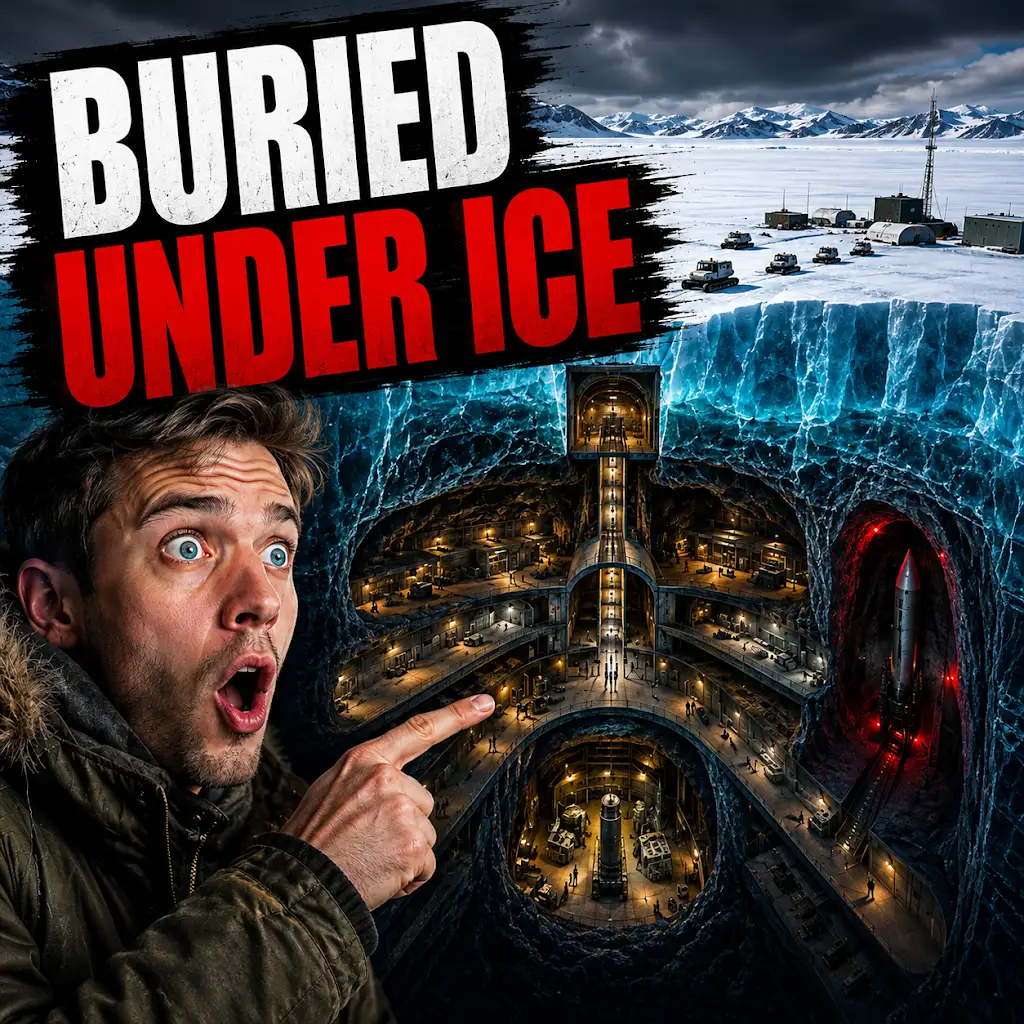
The U.S. Built a Nuclear City Under Greenland. The Ice Won.
FAQs
What did NASA find beneath Greenland?
NASA found a Cold War-era military base beneath the ice of Greenland using radar technology.
How did NASA discover the base?
NASA used ice-penetrating radar technology to uncover the remains of the base, which had been buried beneath the ice for decades.
Why was the base built in Greenland?
During the Cold War, the United States established military bases in Greenland as part of its strategic defense against potential Soviet threats.
What is the significance of this discovery?
The discovery of the Cold War-era base provides valuable historical and archaeological insights into the military activities and infrastructure during that period.
What are the implications of finding the base beneath the ice?
The finding of the base beneath the ice highlights the impact of climate change on the Arctic region, as the melting ice has revealed previously hidden historical sites.