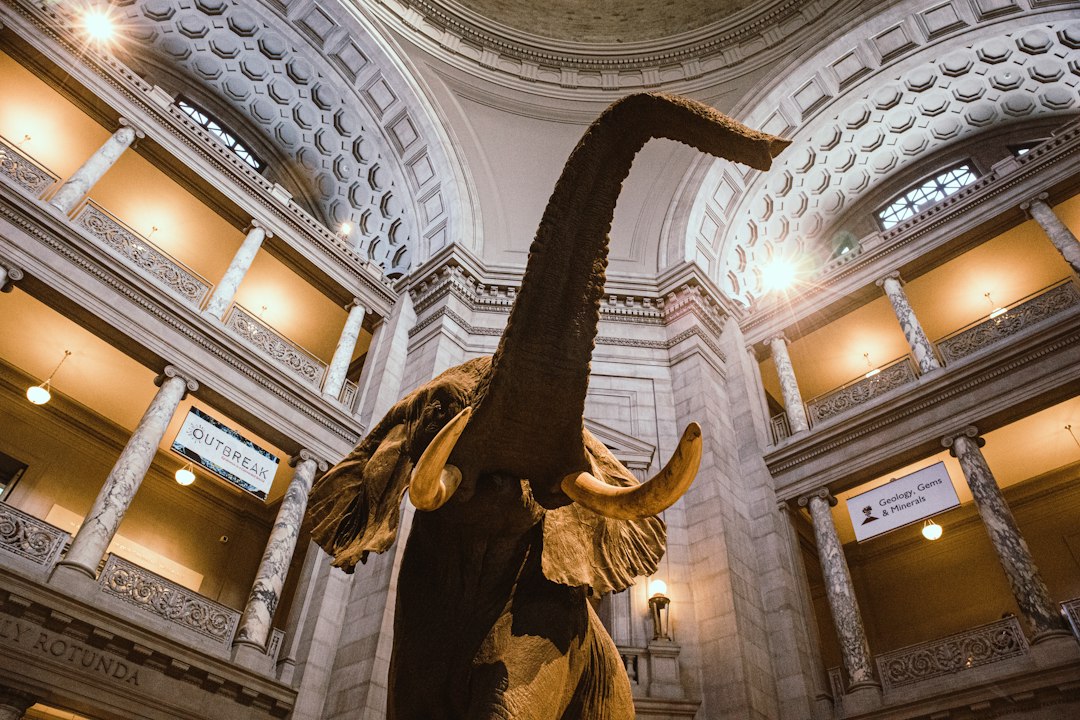
The National Museum of Natural History, a venerable institution dedicated to understanding the Earth and its diverse inhabitants, has embarked on a significant and ongoing journey: the advancement of its repatriation efforts. This commitment, rooted in evolving ethical considerations and a growing recognition of the importance of Indigenous rights and cultural heritage, represents a profound shift in how museums engage with the communities whose ancestral artifacts and human remains they hold. For decades, the museum, like many of its peers, held collections amassed through various means, often during periods when the sovereignty and cultural sensitivities of Indigenous peoples were not fully acknowledged or respected. Today, however, the institution is actively engaged in a comprehensive and multifaceted approach to returning these invaluable items to their rightful stewards, fostering a more equitable and collaborative relationship with Indigenous communities worldwide.
The museum’s renewed focus on repatriation is not a singular event but rather a sustained and evolving process. It involves meticulous research, respectful consultation, and the establishment of robust protocols designed to ensure that the return of cultural heritage is conducted with the utmost integrity and in accordance with the wishes of descendant communities. This endeavor is complex, touching upon legal frameworks, historical injustices, and the deeply spiritual significance that these objects hold for their original owners. The National Museum of Natural History’s proactive stance signals a broader trend within the museum world, where institutions are increasingly confronting their colonial past and working towards a more inclusive and responsible future.
Reevaluating Historical Collections and Provenance
The bedrock of any successful repatriation effort lies in a thorough and honest examination of how collections were formed. The National Museum of Natural History, acknowledging its historical context, has dedicated considerable resources to re-evaluating its vast holdings, meticulously tracing the provenance of objects and human remains. This is not merely an academic exercise; it is a crucial step in identifying items that may be subject to repatriation claims and in understanding the circumstances under which they entered the museum’s care.
Documenting Acquisition Histories
The museum’s curatorial staff and dedicated researchers are engaged in a painstaking process of reviewing acquisition records, field notes, expedition diaries, and correspondence. This often involves delving into archives that span over a century, seeking to understand the collectors, the methods of acquisition, and the documented relationships with Indigenous peoples at the time of collection. For many objects, especially those collected in the late 19th and early 20th centuries, the acquisition process may have been characterized by coercion, imbalance of power, or a lack of informed consent from the originating communities.
The complexity of this work cannot be overstated. Many records are incomplete or ambiguous, requiring careful interpretation and cross-referencing with external historical sources. The museum is committed to making these investigations as transparent as possible, sharing relevant findings with claimant communities and working collaboratively to fill in gaps in the historical record. This dedication to understanding the past is fundamental to building trust and ensuring that repatriation decisions are based on a comprehensive understanding of the historical context.
Identifying Culturally Significant Objects and Human Remains
A critical aspect of this re-evaluation is the identification of specific objects and human remains that hold profound cultural, spiritual, or ancestral significance for particular Indigenous groups. This goes beyond simple categorization by material or style; it requires an understanding of the objects’ roles in ceremonies, their connection to ancestral lines, and their importance in maintaining cultural continuity. Similarly, the museum is committed to identifying human remains and associated funerary objects that fall under the purview of repatriation legislation, such as the Native American Graves Protection and Repatriation Act (NAGPRA) in the United States.
The process of identification often involves extensive consultation with cultural experts, elders, and knowledge keepers from the relevant Indigenous communities. These individuals bring invaluable insights into the cultural context and significance of the objects and remains, guiding the museum’s understanding and informing its repatriation decisions. This collaborative approach ensures that the identification process is culturally sensitive and respectful, recognizing the deep emotional and spiritual connections that Indigenous peoples have with their heritage.
The ongoing discussions surrounding the repatriation of artifacts at the National Museum of Natural History highlight the importance of understanding cultural heritage and historical context. A related article that delves into the complexities of historical artifacts is “Decoding the Piri Reis Map: Uncovering the Truth,” which explores the significance of ancient maps and their implications for cultural identity. You can read more about this fascinating topic by visiting the article here: Decoding the Piri Reis Map.
Building Partnerships with Indigenous Communities
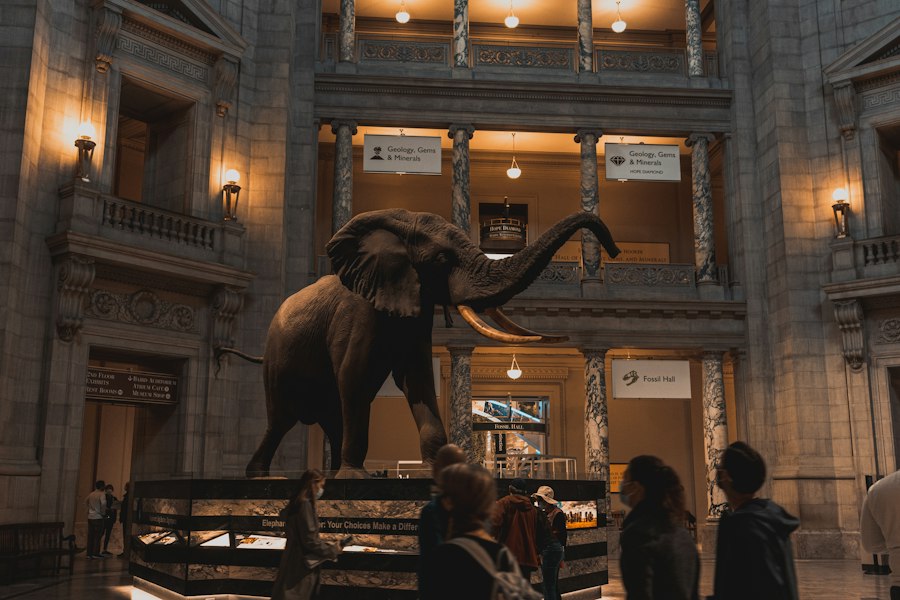
Repatriation is not a unilateral act of returning objects; it is fundamentally about establishing and nurturing respectful, collaborative relationships with Indigenous communities. The National Museum of Natural History recognizes that these communities are the rightful stewards of their cultural heritage, and their voices and priorities must be at the forefront of all repatriation endeavors.
Establishing Open Dialogue and Trust
The foundation of successful repatriation lies in fostering open dialogue and building trust between the museum and Indigenous communities. This involves moving beyond transactional interactions to cultivate genuine partnerships based on mutual respect and understanding. The museum actively seeks to engage with communities through regular consultations, workshops, and direct communication channels, creating an environment where concerns can be voiced and addressed collaboratively.
This commitment to open dialogue means actively listening to the historical grievances and contemporary needs of Indigenous peoples. It involves acknowledging the past harms that may have contributed to the presence of their heritage in museum collections and demonstrating a sincere commitment to rectifying these historical injustices. Building trust is an ongoing process, requiring consistent effort, transparency, and a willingness to adapt approaches based on community feedback.
Developing Collaborative Repatriation Protocols
In partnership with Indigenous communities, the National Museum of Natural History is developing and refining collaborative repatriation protocols. These protocols are designed to ensure that the repatriation process is guided by the principles and practices valued by the descendant communities. They outline the steps involved in identifying, documenting, consulting on, and ultimately returning cultural heritage, ensuring that the wishes of the community are paramount throughout.
These protocols often include provisions for community involvement at every stage, from the initial request for repatriation to the logistics of the return and any subsequent care or exhibition of the repatriated items by the community. The development of these protocols is a dynamic process, requiring ongoing dialogue and adaptation to the specific needs and cultural contexts of each community. The museum views these collaborations as essential for ensuring that repatriation is conducted in a manner that is both legally sound and culturally appropriate.
Implementing Meaningful Repatriation Processes
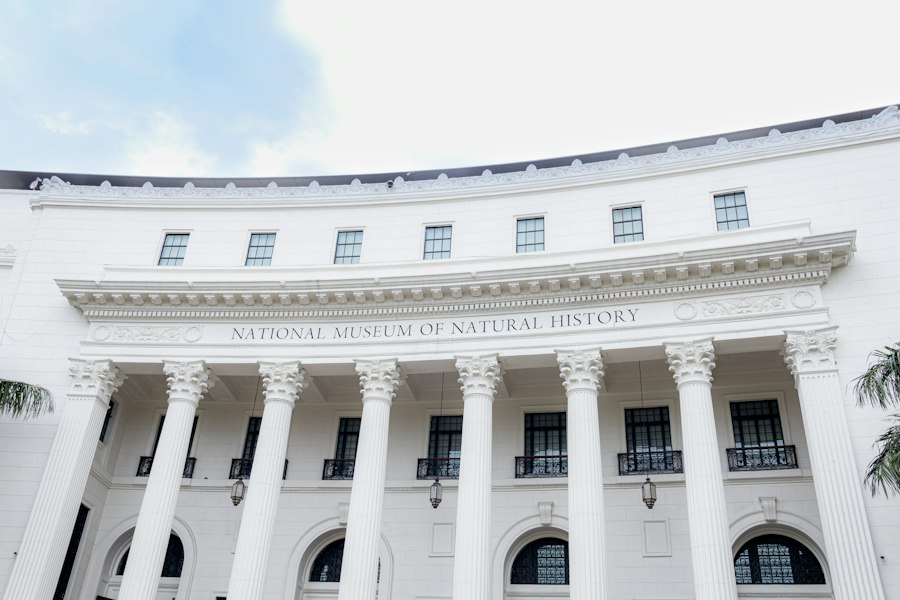
The National Museum of Natural History is actively implementing its commitment to repatriation through a variety of tangible actions and procedural advancements. This involves not only identifying and agreeing to return items but also ensuring that the process itself is conducted with respect, care, and efficiency.
The ongoing discussions surrounding the repatriation of artifacts at the National Museum of Natural History highlight broader themes of cultural heritage and geopolitical tensions. As institutions grapple with the ethical implications of holding items that may have been acquired under dubious circumstances, it becomes essential to understand the global context in which these debates are occurring. For a deeper insight into the complexities of navigating these international issues, you can read a related article that explores the intricacies of global tensions and their impact on cultural institutions here.
Streamlining Consultation and Documentation
To facilitate a more efficient and respectful repatriation process, the museum has invested in streamlining its consultation and documentation procedures. This includes developing clearer pathways for communities to submit repatriation requests and establishing dedicated staff to manage these inquiries. Comprehensive documentation of each repatriation case is maintained, detailing the object, its provenance, the community’s claim, and the agreed-upon resolution.
This streamlined approach aims to reduce unnecessary

The Sitting Bull DNA Test: What Did It Actually Prove?
FAQs
What is repatriation in the context of the National Museum of Natural History?
Repatriation at the National Museum of Natural History refers to the process of returning human remains, sacred objects, and cultural artifacts to their rightful communities, tribes, or countries of origin.
Why is repatriation important for the National Museum of Natural History?
Repatriation is important for the National Museum of Natural History as it acknowledges the historical injustices and colonial practices that led to the acquisition of many items in their collections. It also helps in fostering relationships with indigenous communities and respecting their cultural heritage.
How does the National Museum of Natural History determine which items to repatriate?
The National Museum of Natural History works closely with indigenous communities, experts, and stakeholders to identify items that are eligible for repatriation. This process often involves extensive research, consultations, and collaboration to ensure the rightful owners are identified.
What are some challenges faced by the National Museum of Natural History in the repatriation process?
Some challenges faced by the National Museum of Natural History in the repatriation process include incomplete historical records, lack of clear ownership documentation, differing cultural perspectives on repatriation, and limited resources for conducting thorough research.
How does the repatriation process benefit indigenous communities and the National Museum of Natural History?
The repatriation process benefits indigenous communities by restoring their cultural heritage, promoting healing from historical trauma, and strengthening their cultural identity. For the National Museum of Natural History, repatriation fosters trust, collaboration, and a more ethical approach to collections management.