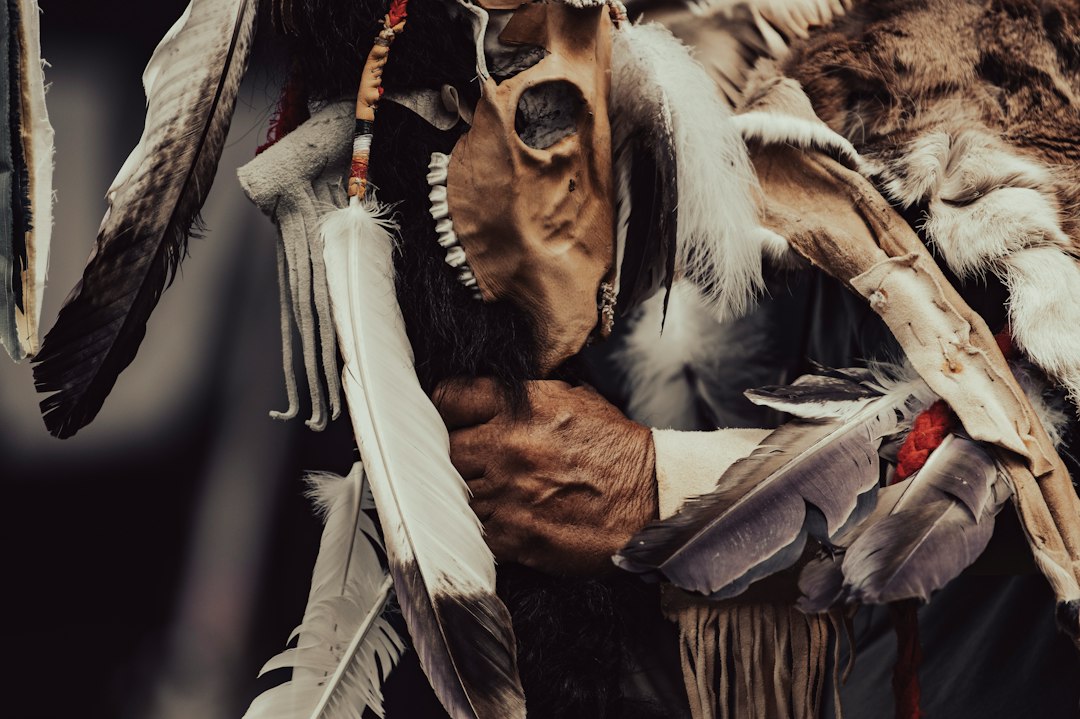
Unraveling the Ancestral Tapestry: A Guide to Native American DNA Test Results
The allure of understanding one’s ancestral roots has captivated individuals for generations. In recent years, direct-to-consumer DNA testing has surged in popularity, offering a seemingly straightforward path to discovering one’s genetic heritage. Among the most sought-after results are those pertaining to Native American ancestry. For many, this aspect of their genetic makeup represents a profound connection to a rich and complex history. However, interpreting these results requires a nuanced understanding of the science, the limitations of current testing technologies, and the intricate sociopolitical landscape of Native American identity. This comprehensive guide aims to demystify Native American DNA test results, empowering individuals to understand their heritage with accuracy and sensitivity.
For those interested in understanding the implications of Native American DNA test results, a related article that delves into broader socio-economic factors is available at this link: The Impact of Nearshoring on Inflation. This article explores how economic trends, such as nearshoring, can affect various communities, including Indigenous populations, and provides context that may enhance the understanding of the cultural and historical significance behind DNA test results.
The Science Behind the Ancestral Map
At its core, DNA testing for ancestry relies on analyzing variations in an individual’s genetic code, specifically focusing on autosomal DNA, Y-DNA, and mitochondrial DNA (mtDNA). Each of these DNA types offers a unique window into ancestral migration patterns and lineage.
Autosomal DNA: The Broad Brushstroke of Ancestry
Autosomal DNA is inherited from both parents and is present in all 23 pairs of chromosomes. It’s the most common type of DNA analyzed by ancestry testing companies, and it provides the broadest overview of an individual’s genetic heritage across all branches of their family tree, dating back approximately 500 to 1,000 years. When a company reports Native American ancestry, it’s primarily based on identifying segments of autosomal DNA that are statistically more common in populations indigenous to the Americas than in other global populations.
The process involves comparing an individual’s DNA to large reference populations, which are collections of DNA samples from people with documented ancestral origins. For Native American ancestry, these reference populations are carefully curated to represent the genetic diversity of indigenous groups across North, Central, and South America. When a significant portion of an individual’s autosomal DNA aligns with the genetic markers found in these Native American reference populations, the testing company will report a percentage of Native American ancestry.
It’s crucial to understand that these percentages are estimations. They are not definitive proof of membership in a specific tribe or nation, nor do they indicate the exact proportion of Native American blood. The algorithms used by testing companies are constantly being refined as more data becomes available, and reference populations can evolve. This means that results from different companies, or even repeated tests from the same company over time, might show slight variations.
Y-DNA and mtDNA: Tracing the Direct Lines
While autosomal DNA provides a broad ancestral picture, Y-DNA and mtDNA offer insights into specific ancestral lineages. Y-DNA is passed down from father to son, tracing a direct paternal line. Mitochondrial DNA, on the other hand, is inherited from the mother and traces a direct maternal line.
For Native American ancestry, Y-DNA and mtDNA can be particularly illuminating, as certain Y-DNA haplogroups and mtDNA haplogroups are strongly associated with indigenous populations of the Americas. For example, specific Y-DNA haplogroups like Q-M242 and mtDNA haplogroups like A, B, C, D, and X are prevalent among Native American populations.
However, the interpretation of Y-DNA and mtDNA results requires a deeper understanding of human migration patterns. Haplogroups represent large genetic groups that migrated out of Africa and spread across the globe over tens of thousands of years. While a Y-DNA or mtDNA haplogroup may be common among Native Americans, it might also be found in other populations that share ancient migratory routes. Therefore, identifying a Native American haplogroup doesn’t automatically confirm direct Native American ancestry in the recent past; it indicates a deep ancestral connection that could have occurred thousands of years ago.
Furthermore, Y-DNA testing is only applicable to individuals with a Y chromosome (assigned male at birth), and mtDNA testing traces only a single maternal line. This means that even if an individual has Native American ancestors on their paternal or maternal side, the Y-DNA and mtDNA results might not reflect that ancestry if it doesn’t fall on the direct paternal or maternal line being tested.
Navigating the Nuances of Reporting Percentages
The percentage of Native American ancestry reported by DNA testing companies is a valuable piece of information, but it’s essential to interpret it with a critical and informed perspective. These percentages are not absolute truths but rather probabilistic estimations based on complex algorithms and reference datasets.
The “Native American” Category: A Broad Classification
It’s important to recognize that “Native American” as reported by most commercial DNA testing companies is a broad classification. These companies typically do not have the granular data to distinguish between the vast array of distinct Indigenous nations, tribes, and ethnic groups that exist across the Americas. Instead, their algorithms are designed to identify genetic markers that are statistically prevalent in indigenous populations of the continents as a whole.
This means that a reported percentage of Native American ancestry might represent a genetic contribution from a multitude of different indigenous groups, rather than a specific, identifiable tribe. The genetic landscape of Native American populations is incredibly diverse, reflecting thousands of years of independent development, migration, and adaptation. Commercial DNA tests, by their nature, simplify this complexity into broader categories.
Reference Populations: The Foundation of the Estimate
The accuracy of any reported percentage hinges on the quality and comprehensiveness of the reference populations used by the DNA testing company. These reference populations are collections of DNA samples from individuals whose ancestral origins are well-documented and representative of specific ethnic or geographic groups.
For Native American ancestry, a robust reference dataset would ideally include genetic samples from a wide range of Indigenous nations across North, Central, and South America, representing their distinct genetic signatures. The more diverse and representative the reference populations, the more accurate the estimation of an individual’s Native American genetic components.
However, there are challenges. Historically, obtaining comprehensive and ethically sourced genetic data from all Indigenous communities has been difficult due to various socioeconomic, historical, and political factors. Consequently, some reference populations may be more extensive than others, potentially leading to variations in how well the test can identify ancestry from certain regions or groups.
What a Percentage Doesn’t Tell You
A reported percentage of Native American ancestry does not inherently confirm tribal affiliation or legal membership in a Native American nation. Tribal sovereignty and membership are complex legal and cultural constructs defined by each individual nation. These definitions often involve criteria beyond genetics, such as lineal descent from recognized tribal members, adherence to tribal laws and customs, and community involvement.
For instance, a person might have a significant percentage of Native American DNA but not meet the specific enrollment requirements of a particular tribe. Conversely, some individuals who identify strongly with their Native American heritage and have documented family connections might show a lower percentage of Native American DNA in their results. This can occur due to intermarriage over generations or limitations in the testing company’s reference populations.
Beyond the Percentage: Connecting with Tribal Identity
While DNA results offer a genetic roadmap, they are just one piece of the puzzle when it comes to understanding and embracing Native American heritage. For many, the true journey involves exploring the cultural, historical, and familial aspects of their ancestry.
The Importance of Genealogy and Family History
For individuals with Native American ancestry, genealogical research is often an indispensable complement to DNA testing. Tracing family history through historical documents, oral traditions, and community records can provide tangible evidence of lineage and connections to specific tribes or nations. This process can involve researching census records, birth and death certificates, marriage licenses, tribal rolls, and land records, among others.
Often, family stories passed down through generations offer invaluable clues about Native American ancestors. These narratives, even if anecdotal, can guide genealogical research and provide a deeper understanding of the cultural context surrounding an individual’s ancestral heritage. Connecting with older relatives who may hold a wealth of family knowledge can be particularly fruitful.
Tribal Sovereignty and Membership: A Distinct Pathway
It is paramount to understand that tribal membership and legal recognition as a member of a Native American nation are distinct from genetic ancestry identified through DNA testing. Each federally recognized tribe has its own set of criteria for membership, which are established and governed by the tribe itself. These criteria are rooted in principles of tribal sovereignty and self-determination.
Genetic testing can be a starting point for inquiry, but it is not a substitute for the formal enrollment process of a tribe. If an individual believes they have Native American ancestry and wishes to explore tribal membership, the first step is to identify the specific tribe or nation their ancestors belonged to. Once identified, they should consult the official website or enrollment office of that tribe to understand their specific membership requirements and application procedures.
Cultural Heritage and Lived Experience
Native American identity is also deeply intertwined with cultural heritage and lived experience. This encompasses language, traditions, ceremonies, art, storytelling, and a profound connection to the land. While DNA can point to an ancestral connection, it does not automatically confer knowledge or participation in these cultural practices.
For those who discover Native American ancestry, there are many avenues to explore cultural heritage. This can include learning about the history and traditions of relevant tribes, engaging with Native American communities and organizations, studying Indigenous languages, or supporting Native American artists and cultural initiatives. It’s important to approach this exploration with respect, humility, and a willingness to learn from Indigenous peoples themselves.
Understanding the complexities of Native American DNA test results can be quite enlightening, especially when considering the broader implications of ancestry and history. For those interested in exploring how ancient maps and historical narratives intersect with modern genetic findings, a fascinating read can be found in an article about the Piri Reis mystery. This piece delves into the enigmatic Queen Maud Land coastline and offers insights that may resonate with anyone curious about the connections between our past and present. You can check it out here.
Limitations and Ethical Considerations in DNA Testing
| Metric | Description | Typical Range/Value | Interpretation |
|---|---|---|---|
| Percentage of Native American Ancestry | Proportion of your DNA inherited from Native American ancestors | 0% – 100% | Higher percentages indicate stronger Native American heritage |
| Haplogroup (Maternal – mtDNA) | Genetic lineage traced through mitochondrial DNA passed from mother | Common Native American haplogroups: A, B, C, D, X | Presence suggests maternal Native American ancestry |
| Haplogroup (Paternal – Y-DNA) | Genetic lineage traced through Y chromosome passed from father | Common Native American haplogroups: Q, C | Presence suggests paternal Native American ancestry (males only) |
| Autosomal DNA Matches | Number and closeness of DNA matches with individuals of Native American descent | Varies by test and database size | More close matches increase confidence in Native American heritage |
| Regional Native American Ancestry Breakdown | Identification of specific Native American tribes or regions in your DNA | Varies; some tests specify tribes like Navajo, Cherokee, Sioux | Provides detailed insight into tribal affiliations |
| Confidence Score | Statistical confidence in the Native American ancestry estimate | Typically 0% – 100% | Higher scores indicate more reliable results |
While DNA testing offers remarkable insights, it’s crucial to acknowledge its inherent limitations and the ethical considerations surrounding its use, particularly when dealing with sensitive ancestral information like Native American heritage.
The “Native American” Label: A Simplification of Diversity
As previously mentioned, the broad classification of “Native American” by commercial DNA testing companies is a significant limitation. The genetic diversity among Indigenous populations of the Americas is immense, reflecting distinct migratory histories, adaptations, and cultural developments spanning millennia. Reducing this rich tapestry to a single overarching category inevitably masks these crucial distinctions.
For example, the genetic makeup of a Navajo individual will differ from that of a Mayan individual, and both will differ from that of an Inuit person. Commercial tests, aiming for broad appeal and standardized reporting, often do not have the granular resolution to differentiate these specific ancestral threads. This can lead to a sense of misrepresentation or an incomplete understanding of one’s true ancestral connections.
Reference Population Biases and Gaps
The accuracy of any ancestry estimate is heavily reliant on the quality and comprehensiveness of the reference populations used by the testing company. For Native American ancestry, challenges exist in creating perfectly representative reference datasets. Historically, many Indigenous communities have faced colonization, displacement, and assimilation, which have impacted genetic diversity and historical record-keeping.
This can lead to biases in reference populations, where certain groups may be overrepresented or underrepresented. If a significant ancestral lineage for an individual originates from a Native American group that is not well-represented in the company’s reference database, their ancestry may be misattributed to a more common or better-represented group, or it may not be detected at all.
The Ethics of Genetic Data and Indigenous Peoples
The use of genetic data, particularly concerning Indigenous populations, raises important ethical considerations. Historically, Indigenous communities have been subject to exploitative research practices. Therefore, obtaining informed consent, ensuring data privacy and security, and respecting the intellectual and cultural property rights of Indigenous peoples are paramount.
Many Indigenous nations are increasingly advocating for greater control over their genetic data and the research conducted on their communities. Some companies are working in partnership with Indigenous communities to develop more ethical and culturally appropriate testing methods and reference populations. However, it’s essential for consumers to be aware of these ongoing ethical debates and to choose testing companies that demonstrate a commitment to responsible data practices and respect for Indigenous sovereignty.
Moving Forward: A Holistic Approach to Ancestry
Ultimately, understanding Native American DNA test results is not about obtaining a definitive label but about embarking on a journey of discovery. It’s an invitation to delve deeper into one’s family history, cultural heritage, and the complex narratives of Indigenous peoples.
Integrating DNA with Genealogy and Oral Histories
The most enriching understanding of Native American heritage emerges when DNA results are integrated with traditional genealogical research and family oral histories. DNA can provide a starting point, a genetic nudge, but it is through the meticulous tracing of family trees, the exploration of historical documents, and the listening to the stories passed down through generations that a richer, more nuanced picture of ancestry emerges.
For example, a DNA test might indicate a percentage of Native American ancestry. This discovery can then inspire genealogical research to identify specific ancestors and their tribal affiliations. Family stories might then provide context for those ancestors’ lives, their experiences, and their contributions to the community, adding a vital human dimension to the genetic data.
Respectful Engagement with Indigenous Communities
For individuals who discover Native American ancestry, respectful engagement with Indigenous communities is crucial. This involves approaching the subject with humility, a genuine desire to learn, and an understanding of the importance of tribal sovereignty and self-determination. It means recognizing that Indigenous peoples are the authorities on their own histories, cultures, and identities.
This engagement can take many forms: attending cultural events, supporting Indigenous businesses and artists, learning about contemporary Indigenous issues, and, if appropriate and welcomed, connecting with individuals or organizations within the relevant tribal nations. It’s important to avoid cultural appropriation and to approach these interactions with respect and a commitment to genuine understanding.
Embracing a Multifaceted Identity
Modern identity is often multifaceted, a blend of various ancestral threads and lived experiences. For those with Native American DNA, this heritage is an integral part of their overall identity. It’s not about a singular defining characteristic but about embracing the richness and complexity that this ancestral connection brings.
The journey of understanding Native American DNA test results is an ongoing one. It requires patience, critical thinking, respect for the science and its limitations, and a deep appreciation for the enduring cultures and histories of Indigenous peoples. By adopting a holistic approach that combines genetic insights with genealogical research, cultural exploration, and respectful engagement, individuals can truly unravel the ancestral tapestry and gain a profound understanding of their heritage.
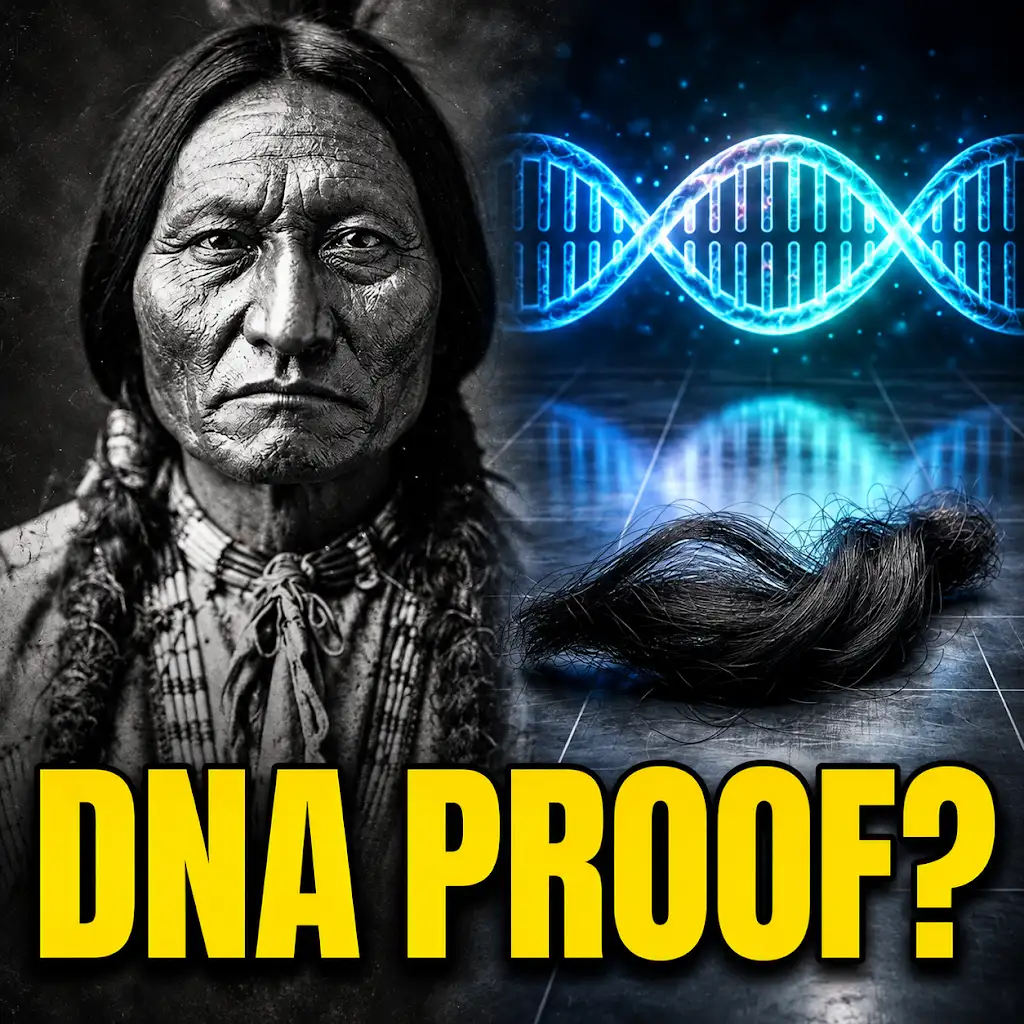
The Sitting Bull DNA Test: What Did It Actually Prove?
FAQs
What is a Native American DNA test?
A Native American DNA test is a genetic test that analyzes an individual’s DNA to determine their genetic ancestry and the presence of Native American heritage.
How accurate are Native American DNA test results?
Native American DNA test results can vary in accuracy depending on the testing company and the reference populations used for comparison. Generally, these tests can provide a rough estimate of Native American ancestry but may not be able to pinpoint specific tribes or percentages with high precision.
Can a DNA test prove Native American ancestry?
While a DNA test can indicate the presence of Native American ancestry in an individual’s genetic makeup, it cannot definitively prove tribal affiliation or enrollment in a specific Native American tribe. Additional genealogical research and documentation are often required to establish tribal connections.
What factors can influence Native American DNA test results?
Factors such as the size and diversity of the reference database, the specific markers analyzed, and the algorithms used for comparison can all influence Native American DNA test results. Additionally, genetic admixture and historical events like colonization and migration can impact the accuracy of these tests.
Are there limitations to Native American DNA testing?
Yes, there are limitations to Native American DNA testing, including the inability to identify specific tribal affiliations, the potential for false positives or false negatives, and the ethical considerations surrounding genetic testing within Indigenous communities. It is important to interpret these results with caution and in conjunction with other genealogical research.