
New Evidence Uncovers the Culinary World of Neanderthals
For millennia, the image of the Neanderthal has been largely one of brute strength and limited intellect, a creature barely a step removed from a wild animal, subsisting on raw meat and the spoils of aggressive hunting. This perception, however, is undergoing a dramatic revolution. Recent archaeological discoveries, coupled with advancements in scientific analysis, are painting a far more nuanced and sophisticated picture of Neanderthal diets, revealing a world of complex food preparation, diverse culinary practices, and a surprising adaptability to their environments. No longer are they mere scavengers; they are emerging as resourceful foragers and skilled cooks, their palates far more varied than previously imagined. This article delves into the latest evidence that is reshaping our understanding of what Neanderthals ate and how they ate it.
For decades, the prevailing scientific consensus on Neanderthal diets was heavily influenced by the archaeological record of large mammal bones found at Neanderthal sites. The sheer abundance of remains from animals like mammoths, woolly rhinoceroses, and giant deer led to the assumption that these hominins were primarily, if not exclusively, megafauna hunters. This narrative, while compelling in its simplicity, overlooked crucial details and a growing body of contradictory evidence.
Early Interpretations and the “Bone Pile” Paradigm
Early excavations often focused on identifying the presence of Neanderthals and their associated tools. The immense size of some of the animal carcasses suggested a reliance on powerful hunting strategies. It was easier to envision Neanderthals as powerful predators capable of bringing down these behemoths than to consider a more varied and opportunistic approach to sustenance. The sites were often interpreted as “bone piles,” testament to successful hunts.
The Rise of Isotope Analysis and Molecular Archaeology
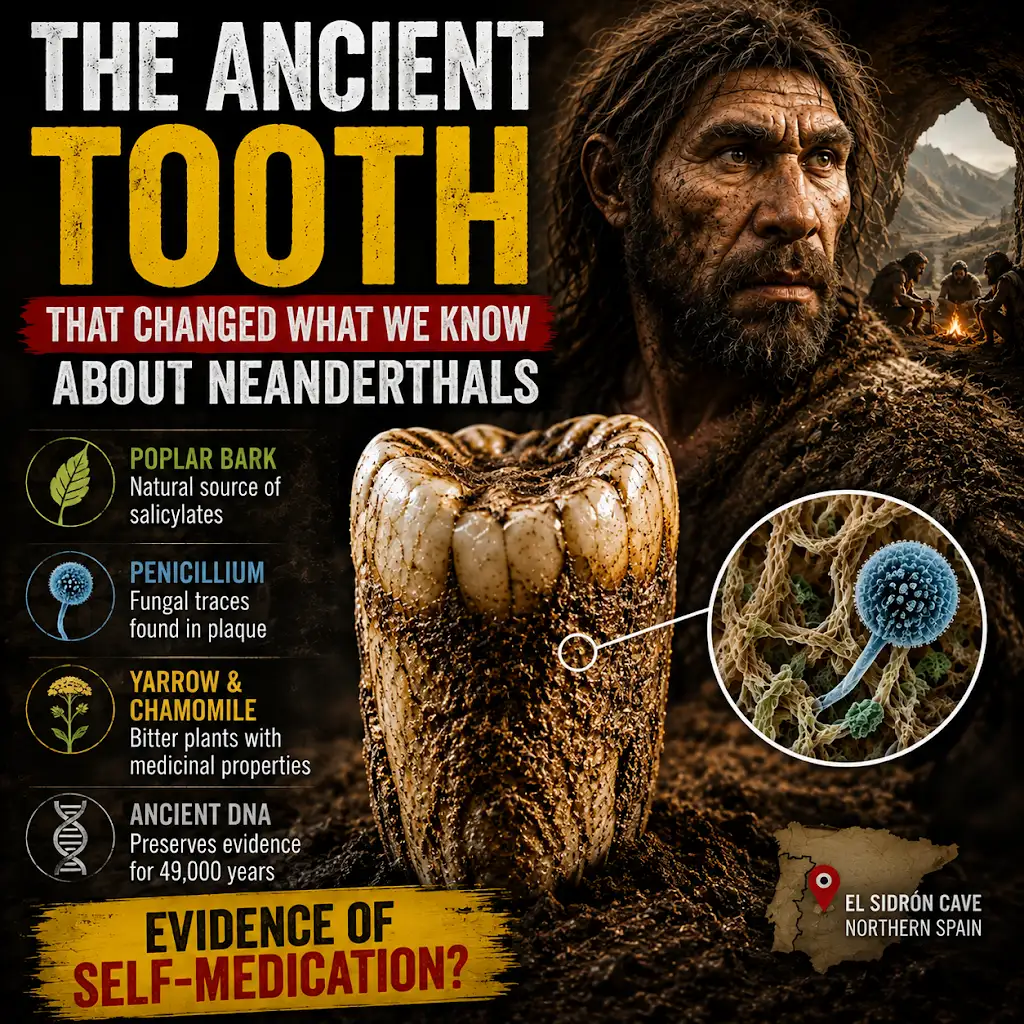
The advent of techniques like stable isotope analysis and paleoproteomics has been instrumental in this paradigm shift. Stable isotope analysis of Neanderthal fossilized remains (bones and teeth) can reveal the types of plants and animals they consumed by examining the ratios of different isotopes of elements like carbon and nitrogen. Paleoproteomics, the study of ancient proteins, has allowed scientists to identify specific food residues on tools and in dental calculus (calcified plaque on teeth), offering direct evidence of what Neanderthals chewed and digested.
Redefining “Carnivore”: A Spectrum of Consumption
The term “carnivore” has been used loosely in relation to Neanderthals. While meat was undoubtedly a significant component of their diet, recent evidence suggests it was not the sole focus, nor was it always acquired through aggressive hunting of large animals. The dietary spectrum appears to have been much broader, encompassing smaller game, aquatic resources, and a surprisingly substantial array of plant-based foods. This re-evaluation compels us to move beyond a simplistic binary of hunter-gatherer and to embrace a more nuanced understanding of their trophic level.
Recent discoveries regarding Neanderthal diets have shed light on their complex foraging strategies and nutritional choices. Researchers have found evidence suggesting that Neanderthals not only hunted large game but also gathered a variety of plant materials, indicating a more diverse diet than previously thought. For a deeper understanding of how ancient human behaviors relate to modern challenges, you might find this article on autonomous space defense intriguing: AI’s Role in Autonomous Space Defense.
The Plant Kingdom: A Culinary Revelation
Perhaps the most surprising revelation from recent research is the extent to which Neanderthals incorporated plant matter into their diets. Previously, the evidence for plant consumption was scarce, often dismissed as incidental or accidental. However, a wealth of new findings points to deliberate foraging, processing, and even cooking of plant-based foods.
Direct Evidence from Dental Calculus
The calcified plaque on Neanderthal teeth, once viewed as a mere dental ailment, has become a treasure trove of dietary information. Microscopic analysis of these calcifications has revealed not only meat residues but also the plant tissues of nuts, seeds, legumes, and even cooked tubers. This direct evidence from within their own bodies provides irrefutable proof of their plant consumption.
Seeds and Legumes: Tiny Powerhouses
The identification of charred seeds and legumes within dental calculus suggests that Neanderthals not only ate these nutritious items but also processed them, possibly by roasting or boiling. These small yet calorie-dense foods would have provided essential carbohydrates, proteins, and fiber, diversifying their nutrient intake and buffering against potential fluctuations in meat availability.
Tubers and Roots: Underground Delights
Evidence of cooked tubers and roots, often found in association with hearths, indicates a sophisticated understanding of how to make these underground staples digestible and palatable. The cooking process would have broken down complex starches and potentially detoxified certain compounds, making them a valuable and readily available food source.
Foraging Strategies: Beyond the Obvious
Neanderthals were not simply passive consumers of what they found. The diversity of plant species identified suggests a knowledge of their local environments, including seasonal availability and the nutritional properties of various plants. This implies a level of cognitive ability and planning that challenges earlier assumptions.
Seasonal Foraging and Biodiversity
Archaeological sites in different geographical regions and at different times of the year have yielded evidence of a varied plant palette. This suggests a keen awareness of seasonal cycles and the ability to exploit a wide range of plant resources as they became available, demonstrating a sophisticated understanding of ecological rhythms.
The Role of Fire in Plant Preparation
The presence of charred plant remains at hearth sites is crucial. It strongly suggests that Neanderthals understood the benefits of cooking plants. Fire would have made tough roots and tubers more palatable, easier to digest, and unlocked their nutritional potential. This demonstrates a deliberate act of food preparation, moving beyond simple consumption.
The Art of Cooking: Neanderthals and the Hearth
The widespread presence of hearths at Neanderthal sites is no longer solely attributed to warmth and light. Emerging evidence points to the significant role of fire in Neanderthal cuisine, transforming raw ingredients into more digestible and nutritious meals.
Hearths as Kitchens: More Than Just Warmth
Hearths were not merely places to gather around. Analysis of ash composition and the distribution of artifacts around these features suggests they were actively used for food preparation. This includes roasting meats, boiling tubers, and potentially baking plant-based foods.
Evidence of Grilling and Roasting
Charred bone fragments and the characteristic patterns of heat alteration on animal bones indicate that Neanderthals were grilling and roasting meat over open fires. This would have improved the palatability of meat, made it safer to consume by killing pathogens, and potentially rendered it more digestible.
Boiling and Stewing: Early Culinary Techniques
The discovery of charred residues in what appear to be rudimentary boiling vessels, or on stones that might have been used to heat water, suggests that Neanderthals may have also employed boiling techniques. This would have been particularly beneficial for processing tougher plant materials and for extracting nutrients from bones to create broths.
The Impact of Cooking on Nutrition and Digestibility
The application of heat to food has profound effects on its nutritional content and how easily it can be assimilated by the body. Cooking breaks down complex carbohydrates and proteins, making them more accessible for digestion and absorption. It also denatures toxins present in some raw foods and kills harmful bacteria, thereby reducing the risk of foodborne illnesses.
Enhanced Nutrient Bioavailability
By cooking their food, Neanderthals would have significantly increased the bioavailability of essential nutrients. For example, cooking can release trapped nutrients within plant cell walls, making them more readily available for absorption. Similarly, the rendering of fats in meat through cooking can make them more digestible.
Reduced Digestive Load
The human digestive system is not as efficient at processing raw food as it is at processing cooked food. By cooking their meals, Neanderthals would have reduced the energy expenditure required for digestion, freeing up valuable metabolic resources for other important bodily functions. This also implies a more efficient energy extraction from their food sources.
Beyond the Mammoth: A Diverse Protein Palette
While the importance of megafauna in the Neanderthal diet is being re-evaluated, the consumption of meat remains a central aspect. However, the “mammoth hunter” stereotype is giving way to a picture of a more varied protein intake, encompassing a wider range of animals and perhaps even aquatic resources.
Small Game and Opportunistic Hunting
Evidence suggests that Neanderthals were adept at hunting and trapping smaller animals, such as rabbits, birds, and rodents. These smaller prey items would have been more readily available and required less energy and risk to acquire than pursuing large, dangerous mammals.
Efficient Trapping and Snaring Techniques
The sophisticated stone tools and understanding of animal behavior implied by successful small game hunting suggest that Neanderthals employed effective trapping and snaring techniques. This would have provided a consistent and reliable source of protein without the need for large group hunts.
Utilizing the Entire Animal Carcass
When large animals were hunted or scavenged, Neanderthals likely utilized virtually every part of the carcass. Bones could be cracked open for marrow, sinews used for binding, and hides for clothing or shelter. This demonstrates a remarkable efficiency and resourcefulness, minimizing waste.
Aquatic Resources: An Emerging Frontier
There is growing evidence to suggest that Neanderthals also tapped into aquatic food sources. This includes fish, shellfish, and potentially even marine mammals in coastal regions.
Fishing and Shellfish Gathering
Archaeological sites near rivers and coastlines have yielded fish bones and discarded shells, indicating active participation in fishing and shellfish gathering. This would have provided access to nutrient-rich protein and fats, particularly in environments where large game was scarce.
Exploiting Marine Mammals
In some coastal areas, evidence suggests Neanderthals may have hunted or scavenged marine mammals. This would have been a challenging but highly rewarding endeavor, providing a significant source of calories and fat.
Recent discoveries regarding Neanderthal diets have shed light on their complex eating habits, revealing that they consumed a diverse range of foods, including meat and plant-based sources. This new evidence not only challenges previous assumptions about their lifestyle but also suggests a level of adaptability that was previously underestimated. For a broader perspective on ancient civilizations and their interactions with the environment, you may find it interesting to read this article on uncovering evidence of ancient advanced civilizations. Understanding these connections can provide deeper insights into the evolution of human diets and cultural practices.
Rethinking Neanderthal Intelligence: Culinary Prowess and Cognitive Abilities
| Food Evidence | Location | Date |
|---|---|---|
| Animal bones with cut marks | Various Neanderthal sites in Europe | Approximately 250,000 to 40,000 years ago |
| Charred plant remains | Shanidar Cave in Iraq | Around 50,000 years ago |
| Starch grains on grinding stones | Sites in Europe and the Middle East | Approximately 46,000 to 30,000 years ago |
The increasing evidence for complex food preparation, diverse diets, and sophisticated foraging strategies among Neanderthals has significant implications for our understanding of their cognitive abilities. It suggests a level of intelligence and planning that far exceeds previous assumptions.
Problem-Solving and Innovation in Food Acquisition
The ability to identify, procure, and process a wide range of food sources demonstrates significant problem-solving skills and a capacity for innovation. This includes understanding seasonal availability, developing effective hunting and gathering techniques, and utilizing tools for food processing.
Tool Use Beyond Hunting
While lithic (stone) tools are a hallmark of Neanderthal archaeology, their use extends beyond simple cutting and scraping. Evidence of tools used for grinding, pounding, and potentially even piercing or sifting suggests a more specialized set of culinary implements.
Social Learning and Knowledge Transmission
The successful transmission of complex foraging and preparation techniques across generations would have required significant social learning and communication. This implies a level of social organization and cognitive capacity for transmitting knowledge that is crucial for cultural development.
The “Gastronomy” of Neanderthals: A Glimpse into Their World
While it is impossible to fully reconstruct the sensory experience of Neanderthal meals, the accumulated evidence paints a picture of a far more deliberate and varied approach to sustenance than once thought. They were not simply surviving; they were actively engaging with their environment, utilizing its bounty with a degree of skill and ingenuity that continues to surprise us. The story of Neanderthal food is not just about what they ate, but also about who they were – intelligent, adaptable, and surprisingly sophisticated beings. The ongoing research promises to unveil even more fascinating chapters in this evolving narrative.
The Ancient Tooth That Changed What We Know About Neanderthals
FAQs
What is the evidence of Neanderthal food consumption?
The evidence of Neanderthal food consumption includes the remains of plants, animals, and tools used for hunting and processing food. This evidence provides insight into the Neanderthal diet and their hunting and gathering practices.
What types of food did Neanderthals eat?
Neanderthals are believed to have consumed a varied diet that included meat from large game animals such as mammoths, bison, and deer, as well as fish, birds, and plants. They also may have utilized a wide range of edible plants and herbs.
How did Neanderthals obtain their food?
Neanderthals obtained their food through hunting, scavenging, and gathering. They used tools such as spears, knives, and scrapers to hunt and process animals, and likely foraged for edible plants and fruits in their environment.
What does the evidence of Neanderthal food consumption tell us about their behavior?
The evidence of Neanderthal food consumption suggests that they were skilled hunters and gatherers who were able to adapt to a variety of environments and food sources. It also indicates that they had a complex understanding of their environment and the resources available to them.
How does the study of Neanderthal food consumption contribute to our understanding of human evolution?
Studying Neanderthal food consumption provides valuable insights into the dietary habits, social structures, and cognitive abilities of our ancient human relatives. It helps us understand how early humans adapted to different environments and how their diet may have influenced their physical and cultural evolution.