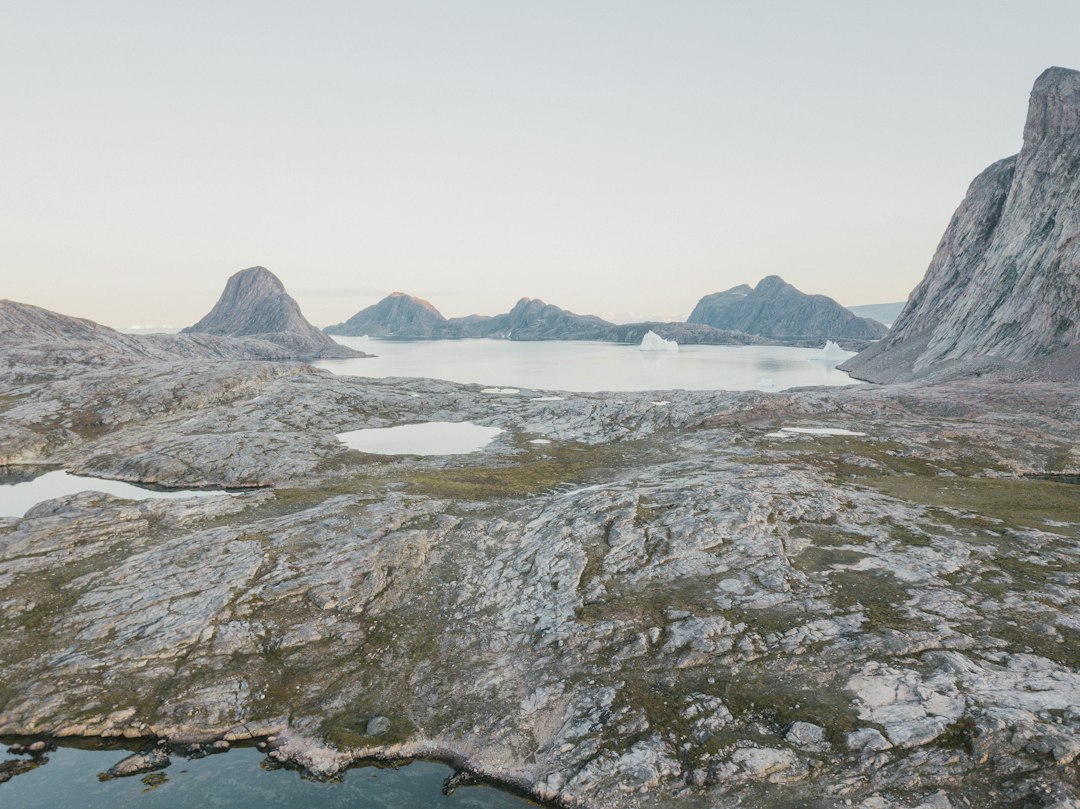
Adapting to a Harsh Land: The Foundations of Norse Agriculture in Greenland
The Norse settlement of Greenland, established around the late 10th century by Erik the Red, represented a remarkable feat of human resilience and adaptation. Faced with a challenging environment, characterized by short growing seasons, permafrost, and a scarcity of arable land, these settlers had to draw upon their ancestral farming knowledge while innovating to survive. Their agricultural practices were not merely an extension of what they knew from Scandinavia; they were a carefully calibrated response to the unique ecological demands of this subarctic island. The success, or indeed the eventual failure, of this grand experiment in settlement was intrinsically tied to the efficacy of their farming methods.
The Norse in Greenland were primarily farmers and herders, their economy heavily reliant on the produce of their lands and the livestock they managed. Unlike many other medieval European societies that possessed extensive communal lands and a more varied climate, the Greenlandic Norse were confined to relatively small, scattered farmsteads, known as vestrbygd (Western Settlement) and østbygd (Eastern Settlement). These settlements, though geographically distinct, shared similar agricultural challenges. The primary goal was to generate enough food to sustain their families, a surplus for trade, and fodder for their animals through the long, unforgiving winters. This necessitated a deep understanding of crop cycles, animal husbandry, and the management of scarce resources.
The very act of establishing farms required significant effort. Land had to be cleared of stones and vegetation, and in some areas, peat was harvested to supplement fuel and building materials. The soil, often thin and nutrient-poor, demanded careful tending. The settlers brought with them seeds and breeds of livestock that had proven resilient in Scandinavia, but their performance in Greenland was subject to the vagilations of the local climate. The strategies they employed were a testament to their pragmatism and their intimate knowledge of the land, however alien it might have initially appeared.
Norse farming methods in medieval Greenland have been a subject of interest for historians and archaeologists, shedding light on how these early settlers adapted to the harsh Arctic environment. For a broader understanding of how agricultural practices can evolve in response to changing economic conditions, you might find it interesting to explore the article on Mexico’s foreign direct investment, which discusses modern agricultural advancements and their implications. You can read more about it here: Mexico’s Foreign Direct Investment Surges to Record Levels.
Cultivating the Arctic Fringe: Crops and Their Growing Cycles

The crops cultivated by the Norse in Greenland were, by necessity, limited to those that could mature within the short, intense summer season. The long, cold winters meant that only a select few grains and vegetables could be reliably grown. The settlers had to be acutely aware of the timing of frosts, the duration of daylight hours, and the specific needs of each plant. Their agricultural calendar was dictated by the rhythm of the Arctic summer, a period of intense activity that had to yield enough to last through the darkness of winter.
The most important crops were barley and oats, hardy grains that formed the staple of the Norse diet. Barley, in particular, was prized for its relatively short growing season and its versatility. It could be ground into flour for bread and porridge, fermented into ale, or even used as animal feed. Oats, while perhaps slightly more demanding, also found a place in their fields, contributing to the overall food supply. The success of these grain crops was heavily dependent on the quality of the soil and the amount of sunlight received. Fields were typically located in sheltered valleys or on slopes that received ample sun, often near the coast where the sea moderrestrializing effect could moderate extreme temperatures.
Beyond grains, the Norse also managed to cultivate a limited range of vegetables. Root vegetables, such as turnips and possibly some varieties of cabbage, were likely grown. These crops offered vital nutrients and could be stored for extended periods, providing a crucial supplement to the grain-based diet. The cultivation of these vegetables would have required careful preparation of the soil, ensuring it was well-drained and adequately enriched. The limited availability of manure, due to the herding focus, would have presented a continuous challenge in maintaining soil fertility.
The Art of Seed Selection and Sowing
The process of selecting seeds and sowing them was a critical undertaking. The settlers would have preserved seeds from previous harvests, carefully choosing those that had performed best in the Greenlandic conditions. This informal yet effective form of selective breeding would have gradually favored strains of barley and oats that were more tolerant of cold and shorter growing periods. Sowing would have occurred as soon as the ground thawed sufficiently and the danger of hard frosts had passed, typically in late May or early June. The intensity of the Arctic summer meant that once the growing season began, it was a period of continuous, urgent work.
Harvesting and Storing for Winter Survival
Harvesting was a race against time. The farmers had to gather their crops before the autumn frosts set in, which could damage or destroy the yield. The grains were likely cut with sickles and scythes, then threshed and winnowed. Storage was paramount. Harvested grains would have been stored in dry, cool conditions, often in dedicated storehouses or within the farmsteads themselves, to protect them from moisture and pests. Root vegetables would also have been stored, perhaps in cellars or buried in pits to keep them from freezing. The successful preservation of these foodstuffs was the ultimate measure of the year’s agricultural success and directly dictated the community’s ability to survive the long, dark months of winter.
Livestock: The Backbone of Greenlandic Norse Farming

Livestock formed the cornerstone of the Norse economy in Greenland, providing essential resources beyond what could be cultivated in their limited fields. The animals not only offered a source of meat, milk, and wool, but their dung was also a vital, albeit scarce, fertilizer for their crops. The management of these herds in such a challenging environment required a sophisticated understanding of animal husbandry and a reliance on the natural grazing available.
The primary livestock animals were cattle, sheep, and goats. Cattle were the largest and most prized, providing milk, butter, cheese, and meat. They also represented a significant investment and a symbol of wealth. Sheep provided wool for clothing and insulation, as well as meat and milk. Goats were hardy and could survive on poorer pastures, making them a valuable addition to the livestock complement. Pigs were less common, likely due to the difficulty of feeding them through the winter, though evidence suggests they were present.
Grazing and Fodder: Harnessing Arctic Pastures
The availability of natural grazing land was a determining factor in the size of herds that could be supported. The Norse established their farms in areas with relatively good pastures, often near fjords or in sheltered valleys. However, the growing season for grass was short, and the quality of the vegetation could vary significantly from year to year. During the summer months, the animals could graze freely, but as winter approached, the challenge of providing sufficient fodder became acute.
The Norse would have supplemented natural grazing by cutting and drying hay during the short summer. This hay was a critical resource, providing sustenance for the animals when pastures were covered in snow and ice. The quality and quantity of hay harvested were directly linked to the success of the agricultural year. In lean years, fodder shortages could have severe consequences for the herds, leading to starvation, reduced milk production, and a general weakening of the animals. The storage of this hay, in ricks or barns, was as important as the storage of grain for human consumption.
Animal Products and Their Significance
The products derived from these animals were indispensable. Milk was a primary source of nutrition, consumed fresh, churned into butter, or processed into cheese. Wool was essential for textile production, providing warmth and durability for clothing, blankets, and other necessities. Meat was a valuable protein source, particularly during winter when other food sources were scarce. The tanning of hides provided leather for footwear, tools, and other utilitarian items.
The importance of livestock extended beyond immediate sustenance. Animals represented capital, and their sale or slaughter was an economic decision. The ability to maintain a healthy and productive herd was a testament to the farmer’s skill and the overall health of the settlement.
Challenges and Innovations in Greenlandic Agriculture
The Norse farmers in Greenland faced an array of formidable challenges that tested their resilience and ingenuity. The environment itself was the primary antagonist, presenting limitations that were far more severe than those encountered in their Scandinavian homelands. Overcoming these hurdles required a constant process of adaptation and, at times, innovation.
The most significant challenge was the climate. Greenland’s subarctic location meant extremely short growing seasons, prolonged periods of freezing temperatures, and a high likelihood of late spring and early autumn frosts. The permafrost, while not an insurmountable barrier in the southernmost regions, presented difficulties in some areas for cultivation and construction. The limited daylight hours during the winter also impacted the morale and productivity of the settlers.
The Constant Threat of Climate and Weather
The fickle nature of the Arctic climate was a perpetual source of anxiety for the farmers. A particularly harsh winter could decimate livestock through starvation or exposure. A cold, wet summer could lead to crop failure or reduced yields. Droughts, though less common in Greenland than in many other regions, could also stress pastures and limit hay production. The settlers had to be prepared for unpredictable weather patterns, making meticulous planning and resource management essential. The lack of access to advanced weather forecasting meant that they were largely at the mercy of the elements, relying on accumulated experience and keen observation.
Soil Fertility and Resource Management
Maintaining soil fertility was another critical challenge. The thin, often stony soils of Greenland did not possess the inherent richness of those found in more temperate climates. The limited availability of manure, due to the need to conserve it for the winter feed of livestock, meant that soil enrichment was a constant concern. The Norse likely employed crop rotation, where possible, and the careful use of any available dung to maximize the productivity of their small plots of land. Peat, dug from bogs, was also used as a fuel, and its removal could, in some instances, provide a source of ash that might have been used to amend the soil, though this was likely a secondary benefit rather than a primary agricultural strategy.
The Impact of Isolation and Trade
The isolation of Greenlandic settlements presented its own set of challenges. While the Norse engaged in trade, particularly exporting walrus ivory and sealskins in exchange for iron, timber, and grain, this trade was subject to the vagaries of sea travel and the political stability of Europe. Reliance on imported grain, for example, meant that the settlers were vulnerable to disruptions in trade routes or economic downturns in Europe. While they aimed for self-sufficiency, the occasional import of grain or other foodstuffs could have been a critical buffer against local crop failures. However, the extent to which they relied on imported grain is a subject of ongoing debate among historians.
Norse farming methods in medieval Greenland were uniquely adapted to the harsh Arctic environment, allowing the settlers to cultivate crops and raise livestock despite the challenging conditions. For a deeper understanding of how different cultures adapt their agricultural practices, you might find it interesting to explore an article on China’s investment in Mexican factories, which highlights the importance of adapting to local environments for economic success. You can read more about this fascinating topic here.
Subsistence Strategies and Community Life
| Aspect | Description | Typical Practices | Challenges | Adaptations |
|---|---|---|---|---|
| Climate | Cold, sub-Arctic with short growing seasons | Limited crop cultivation during brief summers | Frost, short summers, unpredictable weather | Focus on hardy crops and livestock |
| Soil | Thin, rocky, and nutrient-poor soils | Use of manure to fertilize fields | Poor soil fertility limiting crop yields | Manuring and crop rotation where possible |
| Crops | Barley, rye, and some root vegetables | Small-scale cereal farming and garden plots | Low yields due to climate and soil | Selective planting of cold-tolerant varieties |
| Livestock | Cattle, sheep, goats, and horses | Pasture grazing during summer, shelter in winter | Limited grazing land and harsh winters | Seasonal movement and fodder storage |
| Farming Tools | Iron plows, sickles, and scythes | Manual tilling and harvesting | Labor-intensive with limited technology | Use of animal labor where possible |
| Settlement Patterns | Farmsteads clustered near fjords and sheltered areas | Small farms with mixed agriculture and animal husbandry | Isolation and limited arable land | Concentration near resources and trade routes |
The agricultural practices of the Norse in Greenland were intrinsically linked to their overall subsistence strategies and the social fabric of their communities. Farming and herding were not solitary pursuits but were integrated into the daily lives of families and the functioning of the settlements. The success of individual farms contributed to the collective well-being of the community, and mutual support was likely essential for survival.
The farmstead was the fundamental unit of production. Each family was responsible for managing their own land and livestock, but the larger community played a role in shared endeavors and mutual aid. The Eastern Settlement, with its larger population and more extensive farmland, was generally considered more prosperous and agriculturally secure than the Western Settlement, which was more exposed and had fewer resources.
The Role of the Farmstead Unit
The typical Norse farmstead in Greenland was a self-sufficient unit, designed to provide for the basic needs of its inhabitants. The main longhouse served as both living quarters and shelter for animals during the harshest parts of winter. Attached to this were smaller buildings for storage, workshops, and perhaps specialized animal enclosures. The careful management of resources within the farmstead – from seed preservation to fodder rationing – was the responsibility of the household, usually led by the farmer and his wife.
Community Cooperation and Shared Responsibilities
While individual farms were the primary economic entities, community cooperation was undoubtedly crucial. This would have manifested in various ways, such as shared labor during planting and harvesting seasons, collective defense against potential threats (though these were likely minimal in Greenland), and the sharing of knowledge and skills. The construction of churches and the organization of religious life also fostered a sense of community and provided a focal point for social interaction. The Church itself was a significant landowner and an integral part of the social and economic structure of the settlements.
Dietary Practices and Their Limitations
The diet of the Greenlandic Norse was heavily influenced by their agricultural output and the available natural resources. Grains, primarily barley, formed the staple, consumed as porridge, bread, or ale. Dairy products from cattle, sheep, and goats provided essential fats and proteins. Meat, from their own herds and from hunting (seals, whales, caribou), was also important. However, the limited variety of cultivated crops and the seasonal availability of certain resources meant that their diet was likely less varied than that of their European counterparts. The reliance on a few staple crops also made them vulnerable to any disruption in their production.
Norse farming methods in medieval Greenland were uniquely adapted to the harsh Arctic environment, showcasing the resilience and ingenuity of the settlers. These techniques included the use of turf houses and a reliance on livestock, which played a crucial role in their agricultural practices. For a deeper understanding of how environmental challenges can lead to societal changes, you might find the article on the threat of state collapse particularly insightful. It explores the broader implications of resource management and societal resilience, which can be related to the experiences of the Norse in Greenland. You can read more about it here.
The Decline and Legacy of Norse Greenlandic Agriculture
The Norse settlement of Greenland, which endured for nearly five centuries, eventually faced a decline that led to its disappearance by the late 15th century. While the precise reasons for this abandonment are complex and debated, the agricultural challenges inherent in the environment undoubtedly played a significant role. The legacy of their farming endeavors, however, is a testament to human adaptability and the profound impact of ecological factors on societal development.
The decline was likely a gradual process, influenced by a combination of factors, including climatic shifts (such as the Little Ice Age, which intensified the cold), increased isolation from Europe, and possibly a loss of traditional knowledge or an inability to adapt to changing conditions. The unsustainable exploitation of resources, coupled with the inherent limitations of agriculture in such a marginal environment, may have also contributed to their eventual demise.
The Role of Environmental Change in Decline
The Little Ice Age, which began around the 14th century, would have exacerbated the existing climatic challenges. Shorter growing seasons, more frequent crop failures, and increased difficulty in maintaining livestock through the winter would have put immense pressure on the settlements. The sea ice also became more extensive and persistent, making the vital sea routes to Europe more perilous and less predictable, thus increasing isolation. This climatic shift, layered upon the existing difficulties of Arctic farming, likely tipped the balance of sustainability.
The Interplay of Socio-Economic Factors
Beyond environmental pressures, socio-economic factors likely contributed to the decline. The diminishing trade with Europe, for instance, meant fewer opportunities to acquire essential goods like iron and timber, which were crucial for maintaining their tools and infrastructure. A decline in the quality of life, coupled with the ever-present struggle for subsistence, may have led to a gradual out-migration of some settlers. The internal dynamics of the settlements themselves, and any potential breakdown in community cohesion, could also have played a part.
Enduring Lessons from the Greenlandic Experiment
The story of Norse farming in Greenland offers invaluable lessons about human resilience, adaptation, and the delicate balance between society and environment. It demonstrates the remarkable ingenuity of people in making a life in seemingly inhospitable regions, utilizing every available resource and adapting their techniques to extreme conditions. Their agricultural practices, though ultimately unable to withstand the long-term pressures, represent a significant achievement in medieval subsistence farming. The archaeological evidence left behind, from field systems to farmstead ruins, continues to provide insights into the strategies employed by these intrepid settlers and the profound impact of their relationship with the land. Their legacy serves as a powerful reminder of the challenges and triumphs inherent in human attempts to cultivate and thrive in the face of nature’s formidable forces.
The Viking “Bison” Myth That Was Just Debunked
FAQs
What crops were grown by Norse farmers in medieval Greenland?
Norse farmers in medieval Greenland primarily grew barley, oats, and some vegetables such as turnips and cabbages. These crops were well-suited to the short growing season and harsh climate of Greenland.
How did Norse farmers in medieval Greenland fertilize their fields?
Norse farmers in medieval Greenland used a combination of animal manure, seaweed, and ash to fertilize their fields. These natural fertilizers helped improve soil fertility and crop yields in the challenging environment.
What farming techniques did Norse farmers in medieval Greenland use to deal with the cold climate?
Norse farmers in medieval Greenland employed techniques such as building turf walls to protect crops from the wind, creating sheltered growing areas, and using small stone enclosures called “viking gardens” to create microclimates for growing crops.
How did Norse farmers in medieval Greenland manage their livestock?
Norse farmers in medieval Greenland raised livestock such as sheep, goats, cattle, and pigs. They used a combination of grazing on natural vegetation and supplemental feeding to ensure their animals had enough food to survive the long winter months.
What challenges did Norse farmers in medieval Greenland face in terms of agriculture?
Norse farmers in medieval Greenland faced challenges such as a short growing season, unpredictable weather, limited arable land, and isolation from other settlements. These factors made farming in Greenland a difficult and precarious endeavor for the Norse settlers.