
Nuclear deterrence stands as a cornerstone of international security, a complex and often perilous strategy employed by states possessing nuclear weapons to dissuade potential aggressors. This doctrine, rooted in the concept of mutually assured destruction (MAD), posits that any use of nuclear weapons would invariably lead to an equally devastating retaliation, thus rendering a first strike an irrational act. Its development and continued existence have profoundly shaped global geopolitical landscapes since the mid-20th century, fostering both an eerie stability and a perpetual undercurrent of existential dread.
The principles of nuclear deterrence did not spring fully formed; they evolved from the ashes of Hiroshima and Nagasaki and the immediate post-World War II superpower rivalry.
Early Conceptualizations
Initially, the sheer destructive power demonstrated by the atomic bombs was enough to instil a sense of fear. However, as more nations acquired these capabilities, the need for a formulated strategy became apparent. Early strategists, such as Bernard Brodie, emphasized the defensive nature of atomic weapons, arguing they were primarily tools of dissuasion rather than instruments of battlefield advantage.
The Theory of Mutually Assured Destruction (MAD)
The Cold War era solidified the concept of MAD. This theory, as its acronym suggests, relies on the understanding that a full-scale nuclear attack by one superpower would inevitably lead to the annihilation of both. The development of intercontinental ballistic missiles (ICBMs) and submarine-launched ballistic missiles (SLBMs) contributed significantly to MAD’s credibility. These delivery systems ensured a robust second-strike capability, meaning that even if one nation absorbed a devastating first strike, it would retain the capacity to retaliate and inflict unacceptable damage upon the aggressor. This created a paradoxical stability, where peace was guaranteed by the very threat of unimaginable destruction. For the reader, imagine two individuals standing on precipices, each holding a switch connected to a device that would detonate the other’s precipice. Neither would dare press their switch, knowing the other would do the same.
Nuclear deterrence remains a critical topic in international relations, particularly in light of evolving geopolitical tensions. For a deeper understanding of the complexities surrounding this issue, you can explore the article titled “The Evolution of Nuclear Deterrence Strategies” available at this link. This article provides insights into how various nations have adapted their deterrence strategies over the years and the implications for global security.
The Pillars of Credibility
For nuclear deterrence to be effective, its threat must be believable. This credibility hinges on several critical factors, each a meticulous construction of strategic planning, technological might, and political will.
Second-Strike Capability
The bedrock of deterrence credibility is the assured ability to retaliate decisively after absorbing a first strike. This is not merely about possessing nuclear weapons, but about having a survivable and robust command and control system, diversified delivery platforms (the nuclear triad of bombers, ICBMs, and SLBMs), and the infrastructure to launch a response. Losing the ability to retaliate would effectively disarm a nuclear power in a deterrent sense, rendering its arsenal inert as a dissuasive force. The loss of a second-strike capability would be akin to one individual on the precipice losing their switch; the other would then face no deterrent.
Communications and Control (C2)
A reliable and secure command and control system is paramount. National leaders must have the absolute authority and the technical means to order a nuclear strike, even under extreme duress. Conversely, mechanisms must be in place to prevent accidental or unauthorized launches. This involves elaborate fail-safes, secure communication channels, and a clear chain of command, ensuring that nuclear weapons remain under strict political control.
Public Declarations and Posture
The articulation of nuclear doctrine and the observed posture of nuclear forces contribute significantly to deterrence. A clear “no first use” policy, for instance, signals a nation’s intent to only employ nuclear weapons in retaliation. Conversely, maintaining a flexible response doctrine, which allows for a wider range of nuclear options, can also contribute to deterrence by presenting a less predictable threat. These declarations are not just words; they are strategic signals in a high-stakes global conversation.
Conventional Force Backing
While nuclear weapons are the ultimate deterrent, a strong conventional military also plays a crucial role. A robust conventional defense can raise the threshold for conflict, making an attack less likely and reducing the immediate pressure to escalate to nuclear options. It provides a layer of defense beneath the nuclear umbrella, allowing for more strategic flexibility short of existential threats.
Challenges and Critiques

Despite its historical effectiveness in preventing large-scale wars between major powers, nuclear deterrence is not without its significant challenges and vehement criticisms.
The Risk of Accidental War
The constant readiness required for effective deterrence inherently carries the risk of accidental war. Technical malfunctions, miscalculations, false alarms, or human error could potentially trigger a nuclear exchange. The sheer scale and speed of a nuclear conflict leave little room for error or de-escalation once the process begins. This inherent fragility is a sword of Damocles hanging over humanity.
Proliferation and “Loose Nukes”
The spread of nuclear weapons to more states, known as proliferation, magnifies the risks associated with deterrence. A greater number of actors with nuclear capabilities increases the probability of regional conflicts escalating, and raises concerns about the security of these arsenals. The possibility of “loose nukes” – nuclear weapons falling into the wrong hands (non-state actors or rogue regimes) – presents a terrifying scenario due to the potential for catastrophic terrorism.
Moral and Ethical Dilemmas
The very existence of nuclear weapons, and the doctrine that justifies their existence, raises profound moral and ethical questions. The concept of intentionally targeting civilian populations, an inherent component of MAD, is widely condemned. The potential for irreversible environmental damage, a “nuclear winter,” following a large-scale exchange further underscores the apocalyptic implications of these weapons and challenges any ethical justification for their continued existence. The reader is encouraged to reflect on the moral tightrope walked by leaders who must contemplate and prepare for such an outcome.
Cost and Opportunity Cost
Maintaining a credible nuclear deterrent is immensely expensive. The development, production, maintenance, and modernization of nuclear arsenals consume vast resources that could otherwise be allocated to social programs, economic development, or addressing other global challenges such as climate change or poverty. The opportunity cost of nuclear deterrence is a perpetual debate in national budgets worldwide.
The Future of Deterrence
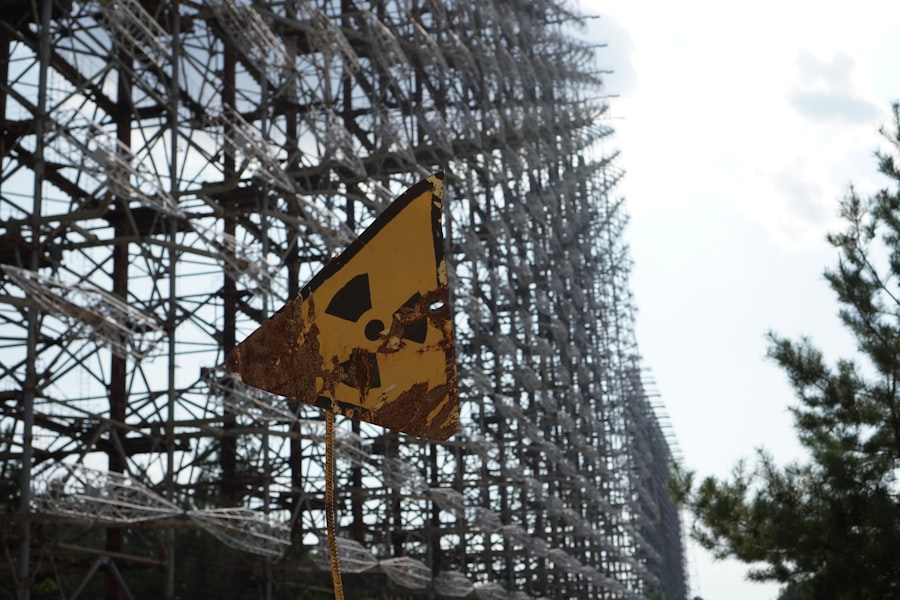
The landscape of nuclear deterrence is constantly evolving, influenced by technological advancements, geopolitical shifts, and emerging threats.
New Technologies and Cyber Warfare
Advances in conventional precision-guided munitions, hypersonic weapons, and cyber warfare pose new challenges to traditional deterrence models. The ability to disable an adversary’s nuclear command and control systems through cyber attacks, or to destroy missile silos with conventional strikes, could undermine second-strike capabilities and create new incentives for preemptive action. The intersection of these technologies with nuclear arsenals necessitates a re-evaluation of existing doctrines.
Arms Control and Disarmament Efforts
Despite the enduring reliance on deterrence by nuclear-armed states, there remains a persistent global push for arms control and disarmament. Treaties such as the Treaty on the Non-Proliferation of Nuclear Weapons (NPT) aim to prevent further proliferation while also committing nuclear powers to eventual disarmament. While progress has often been slow and fraught with challenges, these efforts represent a crucial pathway towards reducing the long-term risks associated with nuclear weapons.
Regional Deterrence Dynamics
While much of the deterrence theory initially focused on superpower confrontation, the dynamics of regional nuclear deterrence are increasingly important. The presence of nuclear weapons in South Asia, the Middle East, and other volatile regions introduces unique complexities, often involving conventional asymmetries and deeply rooted historical animosities. Understanding these localized dynamics is crucial for maintaining regional and global stability.
The Role of Diplomacy and Dialogue
Ultimately, while nuclear deterrence relies on the threat of force, diplomacy and sustained dialogue remain indispensable tools for managing nuclear risks. Open channels of communication, confidence-building measures, and engagement on strategic stability issues can help reduce misunderstandings, prevent escalation, and build trust among nuclear-armed states. The constant effort by diplomats to bridge divides and prevent miscalculations is a quiet, yet critical, component of global security in the nuclear age. For the reader to fully grasp this, imagine the entire nuclear apparatus as a complex, volatile pressure cooker. Diplomacy is the careful monitoring and adjustment of the valves, preventing a catastrophic rupture.
The doctrine of nuclear deterrence, for all its complexities and inherent dangers, has undeniably played a significant role in maintaining a precarious global peace for over seventy years. It is a strategy born of desperation and sustained by necessity, a testament to humanity’s capacity for both catastrophic destruction and the calculated avoidance thereof. As the world navigates new technological frontiers and evolving geopolitical realities, the challenge remains to manage this powerful and perilous tool with utmost caution and wisdom, striving always for a future where such deterrence is no longer deemed necessary.
FAQs
What is nuclear deterrence?
Nuclear deterrence is a military strategy aimed at preventing an enemy from attacking by threatening them with the use of nuclear weapons in retaliation. The idea is to discourage aggression by ensuring that any attack would result in unacceptable damage to the attacker.
How does nuclear deterrence work?
Nuclear deterrence works by maintaining a credible threat of retaliation. This typically involves having a secure and survivable nuclear arsenal that can respond to a nuclear attack, thereby deterring adversaries from initiating conflict due to fear of devastating consequences.
What are the main types of nuclear deterrence?
The two main types of nuclear deterrence are “deterrence by punishment,” which threatens a devastating retaliatory strike, and “deterrence by denial,” which aims to convince an adversary that an attack would fail or be ineffective. Most nuclear deterrence strategies focus on deterrence by punishment.
Which countries currently maintain nuclear deterrence policies?
Several countries maintain nuclear deterrence policies, including the United States, Russia, China, the United Kingdom, France, India, Pakistan, Israel (undeclared), and North Korea. These nations possess nuclear weapons and have strategies to deter potential adversaries.
What are some criticisms of nuclear deterrence?
Critics argue that nuclear deterrence is risky because it relies on the threat of mass destruction, which could lead to accidental war or escalation. Others contend it encourages arms races and does not eliminate the possibility of nuclear conflict, raising ethical and security concerns globally.