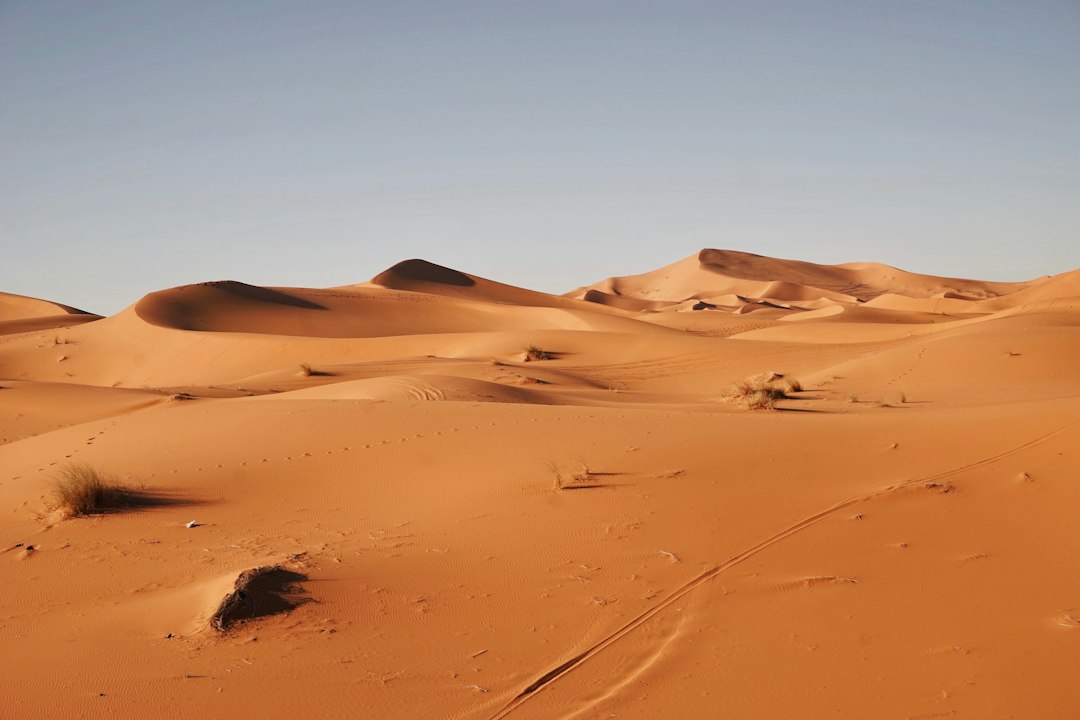
The vast, shimmering expanse of the ocean, a realm teeming with life and ancient mysteries, stood in stark contrast to the arid, sun-baked landscapes of the desert, a domain of resilience and stark beauty. Yet, under the inexorable march of geological time and the ever-shifting forces of nature, an unthinkable transformation was occurring. From the depths of the sea to the parched sands, landscapes were being rewritten, oceans were vanishing, and deserts were emerging in their wake. This was not a sudden cataclysm, but a slow, profound metamorphosis, a testament to the planet’s dynamic and often dramatic evolution.
The sheer scale of Earth’s oceans is a defining characteristic of our planet, covering over 70% of its surface. These vast bodies of water have been cradens of life for billions of years, shaping continents and influencing global climate. However, the story of Earth is also one of constant flux. Over immense geological timescales, the very configuration of our planet’s surface has undergone radical changes, and the ebb and flow of oceanic realms have been central to these dramatic shifts. The phenomenon of oceans receding, revealing landmasses previously submerged, is a testament to powerful geological forces at play, forces that have sculpted the very face of our world.
Plate Tectonics: The Earth’s Shifting Skin
The primary driver behind the grand drama of oceanic retreat lies in the theory of plate tectonics. The Earth’s outer shell, the lithosphere, is not a single, solid entity but is broken into numerous tectonic plates that float and move upon the semi-fluid asthenosphere beneath. These colossal plates are in perpetual motion, driven by convection currents within the Earth’s mantle. Where plates converge, one can be forced beneath another in a process called subduction, leading to the formation of deep ocean trenches. Alternatively, plates can pull apart, creating mid-ocean ridges where new crust is generated.
Subduction Zones: The Ocean’s Descent
In subduction zones, oceanic plates, denser and thinner than continental plates, are forced downwards into the Earth’s mantle. This process effectively removes vast quantities of oceanic crust from the surface, contributing to a net decrease in the overall volume of the oceans. As the oceanic plate descends, it carries with it the weight of the water above, and in some scenarios, this immense downward pull can influence global sea levels. The Mariana Trench, the deepest known part of the world’s oceans, is a dramatic example of such a subduction zone, a scar on the ocean floor where a colossal plate is being consumed.
Divergent Boundaries: The Birth of New Ocean Basins
Conversely, at divergent boundaries, plates are moving apart. This process, exemplified by the Mid-Atlantic Ridge, leads to the upwelling of magma and the formation of new oceanic crust. While this process might seem counterintuitive to oceanic retreat, the rate at which new ocean floor is created and old ocean floor is consumed plays a crucial role in regulating the volume of the oceans over geological time. If the rate of seafloor spreading were to significantly outpace the rate of subduction, the oceans could potentially expand. However, the complex interplay between these forces dictates the long-term sea-level variations.
Isostatic Adjustment: The Earth’s Balanced Act
Beyond the grand movements of tectonic plates, another significant factor contributing to oceanic transformation is isostatic adjustment. This is the process by which the Earth’s lithosphere and asthenosphere re-establish hydrostatic equilibrium after a change in load. Imagine a ship floating on water; if you add weight to the ship, it sinks lower. If you remove weight, it rises. The Earth’s crust behaves in a similar fashion.
Glacial Loading and Unloading: The Weight of Ice Ages
During periods of glaciation, massive ice sheets, kilometers thick, exert enormous pressure on the Earth’s crust. This weight causes the land beneath to subside. Conversely, when these ice sheets melt, as they have done at the end of each Ice Age, the removal of this immense weight allows the land to rebound, a process known as isostatic uplift. This uplift can lead to significant changes in relative sea level. Coastal areas that were once submerged may emerge as the land rises, effectively “pushing” the ocean further away. The landscapes of Scandinavia and parts of Canada are still rebounding from the last Ice Age, a clear demonstration of this ongoing process.
Sedimentation and Erosion: The Sculpting Hands of Nature
The accumulation of sediments in ocean basins and their subsequent erosion also play a role. Thick layers of sediment, deposited over millions of years, add considerable weight to the oceanic crust, causing it to subside. Conversely, the erosion of mountain ranges and their transport of sediment to the sea can also influence oceanic volume. While the impact of sedimentation is generally a slow and gradual process, its cumulative effect over geological epochs can contribute to significant shifts in the seafloor topography and, consequently, oceanic distribution.
The transformation of once-thriving seas into arid deserts is a fascinating topic that highlights the fragility of ecosystems and the impact of climate change. An insightful article that delves into this phenomenon is titled “Unearthing the Archaeology of Social Collapse,” which explores how environmental shifts have influenced human societies throughout history. You can read more about this intriguing subject by visiting the article here: Unearthing the Archaeology of Social Collapse.
The Arid Awakening: The Rise of Desert Landscapes
As oceans recede and landmasses emerge, a new environment begins to take shape: the desert. These are not merely barren wastelands but complex ecosystems characterized by extreme temperatures, scarce water resources, and unique adaptations for survival. The transformation from a marine to an arid environment is a profound ecological shift, creating landscapes that are both harsh and incredibly beautiful.
Climate Change: A Global Thermostat in Flux
The very climate that dictates the presence or absence of vast bodies of water is subject to immense change, both natural and, in more recent times, anthropogenic. Understanding the drivers of global climate is crucial to understanding the emergence of deserts.
Atmospheric Circulation Patterns: The Winds of Change
The distribution of heat and moisture across the globe is governed by complex atmospheric circulation patterns. These patterns, driven by differential heating of the Earth’s surface and the planet’s rotation, determine where rain falls and where deserts form. Shifts in these patterns, whether due to changes in solar radiation, volcanic activity, or oceanic currents, can lead to prolonged periods of drought in some regions and increased rainfall in others.
The Role of Ocean Currents: Thermohaline Circulation
Ocean currents, such as the Gulf Stream, play a vital role in distributing heat around the planet. The thermohaline circulation, a global conveyor belt driven by differences in temperature and salinity, is particularly influential. Changes in this system can drastically alter regional climates. For instance, a disruption in the thermohaline circulation could lead to cooling in some areas and warming in others, with significant implications for precipitation patterns and the potential for desertification.
Endemic Aridity: The Natural Dryness of Certain Regions
Even without the dramatic retreat of oceans, certain geographical locations are predisposed to arid conditions due to their specific climatic and geographical settings. These regions often lie in the rain shadows of mountain ranges or are situated in subtropical high-pressure zones where air is descending and drying out.
Rain Shadow Deserts: Mountains as Barriers to Moisture
Mountain ranges act as formidable barriers to moisture-laden winds. As winds carrying moisture are forced to rise over a mountain, they cool, and the water vapor condenses, forming clouds and precipitation on the windward side. By the time the air reaches the leeward side, it has lost most of its moisture, creating a dry, arid region known as a rain shadow desert. The Atacama Desert in Chile, for example, is largely a rain shadow desert, shielded from Pacific moisture by the Andes Mountains.
Subtropical High-Pressure Zones: The Descending, Drying Air
Around 30 degrees north and south latitude, the Earth’s atmosphere experiences persistent belts of high pressure. In these zones, air descends, warms, and dries out, inhibiting cloud formation and rainfall. This naturally creates some of the world’s largest deserts, such as the Sahara and the Arabian Desert. These are regions where aridity is a fundamental characteristic of the climate.
The Great Drying: Evidence in the Geological Record
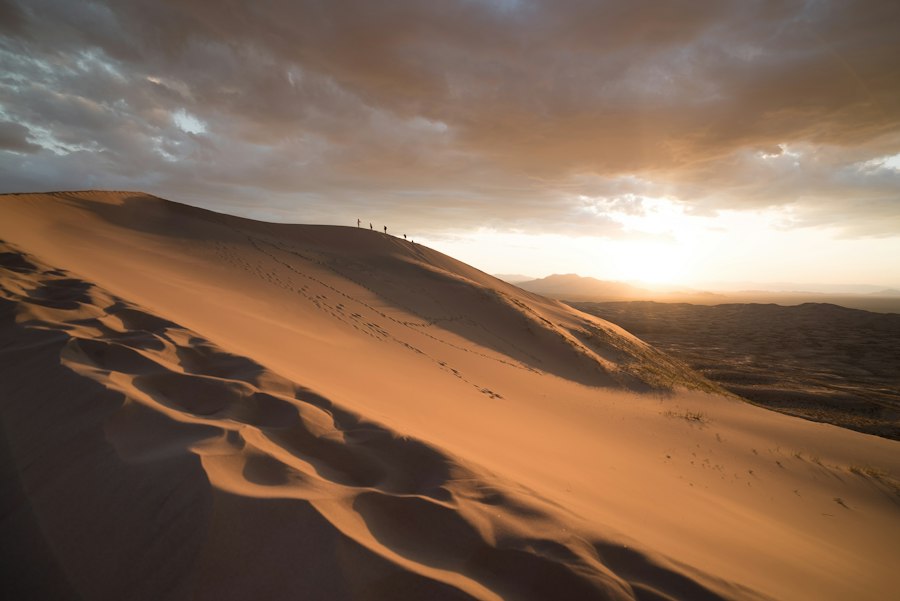
The transformation from ocean to desert is not a theoretical construct; it is etched into the very rock and sediment of our planet. Paleontological and geological evidence provides compelling proof of these ancient environmental shifts.
Fossilized Marine Life: Echoes from the Deep
The discovery of fossilized marine organisms in what are now arid, inland regions is a powerful testament to the past presence of oceans. The finding of ancient coral reefs, ammonites, or marine invertebrates in desert landscapes is akin to finding seashells in the middle of a vast grassland – it speaks of a profound, ancient change. These fossils are windows into bygone eras when these lands were submerged beneath the waves.
Ancient Seabeds and Evaporites: The Residue of Lost Seas
Geologists study ancient seabeds, characterized by specific types of sedimentary rock and the presence of minerals formed from evaporating seawater, known as evaporites. Deposits of salt, gypsum, and potash found far from any present-day ocean are direct indicators of past marine incursions. These geological formations are silent witnesses to the oceans’ retreat, leaving behind their saline residue as a reminder of what once was.
Sedimentological Clues: Tracing the Water’s Edge
The study of sediment layers, known as stratigraphy, can reveal the history of environmental changes. Sedimentary rocks deposited in marine environments, such as mudstones and limestones, gradually give way to terrestrial sediments, such as sandstones and conglomerates, as the sea recedes. The transition in grain size, composition, and the types of fossils found within these layers can be meticulously analyzed to reconstruct the timeline and extent of oceanic retreat and subsequent desertification.
Life on the Brink: Adaptation in Extreme Environments
The transition from a marine to a desert environment presents immense challenges for life. Organisms that once thrived in the abundant, stable conditions of the ocean must either adapt to the harsh realities of aridity or face extinction. This struggle for survival has led to some of the most remarkable examples of evolutionary ingenuity on Earth.
Marine Survivors: Relict Populations and Endemic Species
In some rare instances, remnants of marine life can persist in isolated pockets within newly formed deserts. These might be hypersaline lakes, ancient brine pools, or even subterranean water systems where conditions remain conducive to their survival. These relict populations are living fossils, offering insights into the past and highlighting the tenacity of life.
Saltwater Lakes: Oases of Ancient Life
Certain arid regions are dotted with hypersaline lakes, often the remnants of ancient seas or isolated basins where evaporation has concentrated salts. These extreme environments can support unique microbial communities and some specialized aquatic organisms, demonstrating that even in the harshest of conditions, life can find a foothold. The Dead Sea, while a unique geological formation, shares some characteristics with these ancient hypersaline environments that can arise after oceanic retreat.
Terrestrial Colonizers: The Pioneers of the Arid Realm
The vast majority of life in a desert ecosystem is composed of terrestrial species that have evolved remarkable adaptations to survive with minimal water and extreme temperatures. These are the true pioneers of the arid realm.
Xerophytes: Plants of the Dry Lands
Plants, in particular, have developed an astonishing array of strategies to cope with drought. Xerophytes, plants adapted to arid conditions, often possess deep root systems to access groundwater, thick, waxy cuticles to reduce water loss through transpiration, and reduced leaf surface area or the ability to shed leaves during dry periods. Succulents, with their water-storing tissues, are classic examples, as are drought-tolerant grasses and shrubs with specialized physiological mechanisms to conserve moisture.
Desert Fauna: Masters of Survival
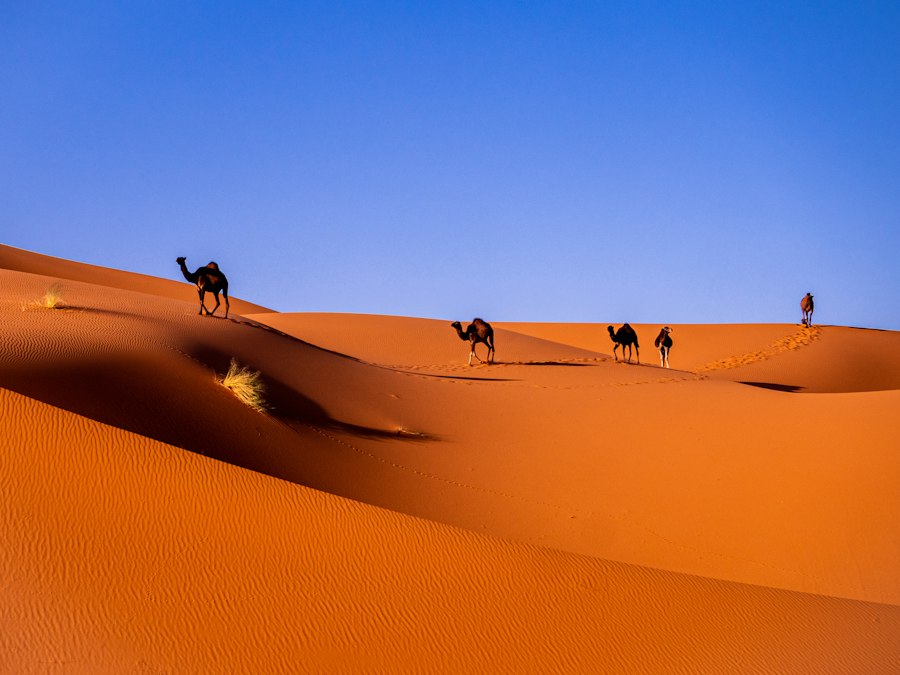
Animals in desert environments have also evolved ingenious adaptations. Many desert animals are nocturnal, avoiding the brutal heat of the day by being active at night. Others have developed highly efficient kidneys to excrete concentrated urine, minimizing water loss. Some animals obtain all the water they need from their food, while others can tolerate significant dehydration. Camels, with their ability to drink large quantities of water and store fat in their humps for energy and metabolic water, are iconic examples of desert survival. Reptiles, with their scaly skin that reduces water loss, are also well-suited to arid conditions.
The transformation of vast oceanic regions into arid deserts has long fascinated scientists and historians alike, as it raises questions about climate change and geological processes. A compelling exploration of this phenomenon can be found in an article that delves into the Piri Reis map, which offers insights into ancient maritime navigation and the shifting landscapes of our planet. For a deeper understanding of how these changes have been recorded throughout history, you can read more in this intriguing piece on the Piri Reis map.
The Unthinkable Transformation: A Cycle of Change
| Metric | Value | Details |
|---|---|---|
| Location | Aral Sea | Central Asia, between Kazakhstan and Uzbekistan |
| Original Surface Area | 68,000 km² | Before significant shrinkage in the 1960s |
| Current Surface Area | ~10,000 km² | As of early 2020s, varies seasonally |
| Volume Loss | ~90% | Since 1960s due to river diversion |
| Main Cause | River diversion for irrigation | Syr Darya and Amu Darya rivers diverted for agriculture |
| Environmental Impact | Desertification | Exposed seabed turned into desert with toxic dust storms |
| Economic Impact | Collapse of fishing industry | Loss of livelihoods for local communities |
| Restoration Efforts | Partial recovery | Dam construction and water management projects ongoing |
The story of oceans yielding to deserts is not merely a historical curiosity; it is a fundamental aspect of Earth’s ongoing evolution. It highlights the dynamic nature of our planet and the profound influence of geological and climatic forces over immense timescales. This transformation, seemingly unthinkable to us as short-lived observers, is a testament to the planet’s capacity for radical change.
The Future of Our Oceans and Deserts: A Continuing Narrative
While the immediate concerns of human civilization often revolve around more immediate environmental challenges, understanding these grand geological cycles provides crucial context. The Earth’s surface is a canvas constantly being repainted by the forces of nature. Whether it is the slow embrace of the desert or the relentless expansion of the ocean, these transformations are an integral part of Earth’s long and complex story.
Anthropogenic Influence: A New Chapter?
In the current era, human activities are introducing a new layer of complexity to these natural cycles. Climate change, driven by greenhouse gas emissions, is altering global temperatures and precipitation patterns, potentially accelerating desertification in some regions and altering oceanic currents. Understanding and mitigating these anthropogenic influences is crucial for the future of both our oceans and our terrestrial environments. The interconnectedness of these systems means that changes in one inevitably impact the other, underscoring the need for a holistic approach to environmental stewardship. The unthinkable transformation from ocean to desert serves as a powerful reminder of the immense forces that shape our planet, a force that continues to sculpt landscapes and redefine the very boundaries of life on Earth.
A Dam Brought the Aral Sea Back—But Only Part of It
FAQs
1. What caused the sea to turn into a desert?
The sea turned into a desert due to a combination of factors such as climate change, drought, and human activities like over-extraction of water.
2. How long did it take for the sea to become a desert?
The process of a sea turning into a desert can vary depending on the specific circumstances, but it can take several years to decades for a significant transformation to occur.
3. What impact does a sea turning into a desert have on the environment?
When a sea turns into a desert, it can have devastating effects on the local ecosystem, leading to loss of biodiversity, habitat destruction, and changes in weather patterns.
4. Can a desert that was once a sea ever be restored back to its original state?
Restoring a desert back to a sea is a complex and challenging process that may require significant resources and time. However, with proper conservation efforts and sustainable practices, it may be possible to restore some aspects of the original ecosystem.
5. Are there any measures that can be taken to prevent seas from turning into deserts?
To prevent seas from turning into deserts, it is important to address the root causes such as climate change, unsustainable water use, and habitat destruction. Implementing conservation measures, promoting sustainable practices, and raising awareness about the importance of preserving marine ecosystems can help mitigate the risk of seas turning into deserts.