The warm, earthy hues of ochre have been a constant presence in the human story, their vibrant reds, yellows, browns, and even purples painting a timeless chronicle of our ancestors’ ingenuity and cultural expression. For millennia, these naturally occurring mineral pigments, primarily composed of hydrated iron oxides, were not merely decorative substances but integral tools that shaped prehistoric societies. Their significance extended far beyond aesthetic appeal, playing crucial roles in rituals, communication, and even daily life. Understanding the prehistoric uses of ochre unlocks a deeper appreciation for the minds and motivations of those who came before us, revealing a rich tapestry of symbolic meaning and practical application woven with the very earth beneath their feet.
The Genesis of Color: Sourcing and Properties of Ochre
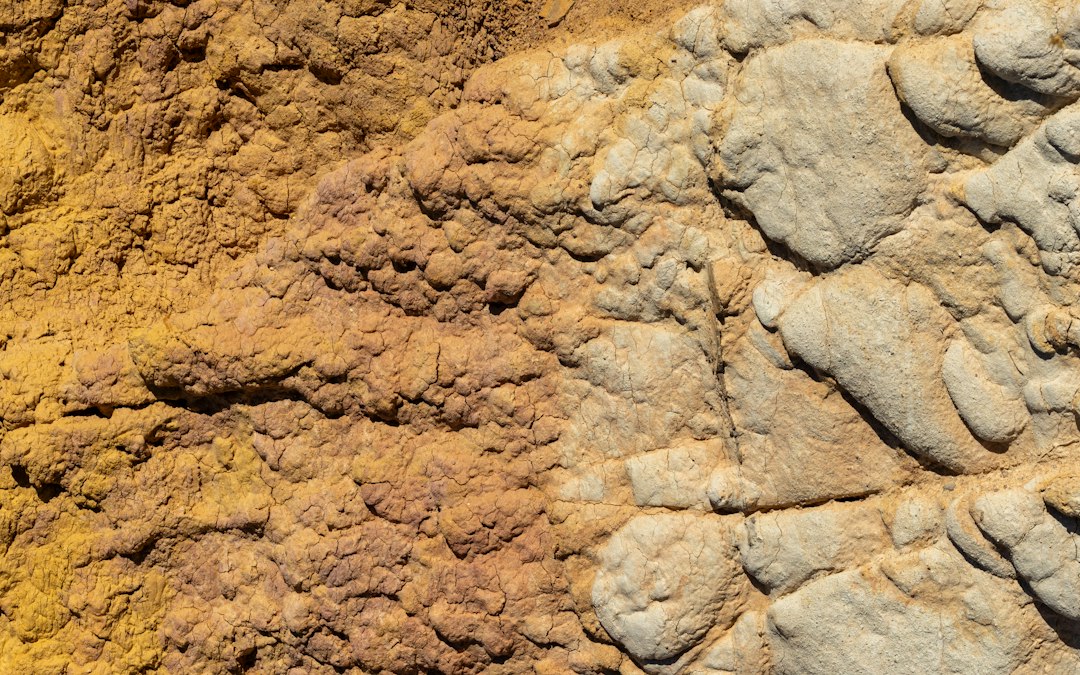
Ochre’s enduring appeal lies in its ubiquity and its remarkable range of colors, all derived from the same fundamental mineral components. These pigments are not synthesized but are found naturally in the earth, often deposited in sedimentary rock formations or as surface deposits. The distinctive shades of ochre are primarily determined by the specific mineral composition and the degree of hydration of the iron oxides. Hematite, for instance, is a common source of reds, while limonite, a hydrated iron oxide, yields yellows and browns. The earth’s geological processes, over vast stretches of time, meticulously crafted this palette, making it readily accessible to early humans.
Mineralogy and Pigment Formation
The iron oxides that form ochre are a testament to the planet’s geological history. Iron, a common element, undergoes oxidation and hydration over millennia. In the presence of water and oxygen, iron minerals transform, creating the varied hues we associate with ochre. The specific mineralogy dictates the final color. For example, pure hematite (Fe₂O₃) provides a deep red, often referred to as red ochre. Goethite (FeO(OH)), another hydrated iron oxide, is responsible for yellow and yellowish-brown shades, commonly known as yellow ochre. The presence of other minerals, such as clay or manganese oxides, can further influence the final color, leading to a spectrum of earthy tones. The ease with which these minerals could be extracted from the earth, often requiring little more than a sharp stone, made them an invaluable resource for prehistoric communities.
Extraction and Preparation Techniques
Prehistoric humans were adept at identifying and extracting ochre from its natural sources. They likely observed naturally occurring deposits, perhaps in exposed rock faces, riverbeds, or caves. The extraction process would have been relatively straightforward, involving the use of rudimentary tools like hand axes or sharp stones to break off pieces of ochre-rich rock. Once collected, the raw ochre would then undergo a preparation process to transform it into a usable pigment. This often involved grinding the mineral into a fine powder. Early methods likely involved rubbing the ochre between two stones, a process similar to grinding grain. The fineness of the powder was crucial for its application, allowing it to be mixed with binders or applied directly as a dry pigment. The specific preparation techniques may have varied regionally and over time, but the fundamental aim was to create a consistent and manageable coloring agent.
Mineral pigments, particularly ochre, have played a significant role in prehistoric art and culture, serving not only as a medium for artistic expression but also as a tool for ritualistic and practical applications. The use of ochre in cave paintings and burial sites highlights its importance in early human societies as a symbol of life, death, and the natural world. For a deeper understanding of how ochre and other natural resources have been utilized throughout history, you can explore the article on the implications of resource management in contemporary contexts at this link.
Ochre in Art and Adornment: The Dawn of Visual Communication
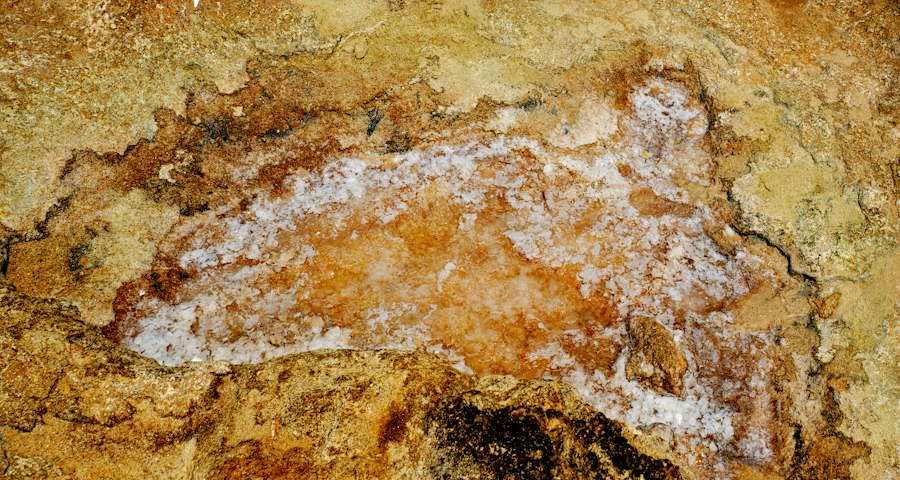
The most striking evidence of ochre’s prehistoric significance lies in its widespread use as a medium for artistic expression and personal adornment. From the cave walls of Europe to the rock shelters of Africa and Australia, ochre has been the primary pigment used to create some of the earliest known examples of human art. These paintings and engravings offer invaluable insights into the beliefs, experiences, and symbolic worlds of our distant ancestors. Beyond static imagery, ochre also played a vital role in modifying the human body, signaling social status, cultural identity, and spiritual beliefs.
Cave Paintings and Rock Art
The ability of ochre to create durable and vivid markings made it the pigment of choice for prehistoric artists. In caves across the globe, from Lascaux and Chauvet in France to the Serra da Capivara National Park in Brazil, ochre has been used to depict a stunning array of subjects. Animals, often rendered with remarkable realism and dynamism, feature prominently, suggesting a deep connection between humans and the natural world, perhaps reflecting hunting practices, spiritual reverence, or a desire to understand and control their environment. Human figures, though often more stylized, also appear, offering glimpses into social interactions, rituals, and mythologies. Hand stencils, created by placing a hand against a surface and blowing powdered ochre around it, are particularly poignant, serving as direct imprints of individuals and perhaps a form of personal signature or invocation. The longevity of these ochre-based artworks, surviving for tens of thousands of years, speaks to the careful selection of pigments and the durable surfaces upon which they were applied.
Body Decoration and Personal Adornment
The application of ochre to the human body was a widespread practice across prehistoric cultures. This form of adornment served a multitude of purposes, extending beyond mere aesthetics. Body painting could signify a person’s social status, age, gender, or tribal affiliation. It played a crucial role in ceremonies and rituals, imbuing participants with power, protection, or spiritual significance. The intensity and patterns of ochre application could communicate complex messages within a group, reinforcing social bonds and shared identity. Archaeological evidence, such as ochre stains on human remains or specialized tools for application, supports the widespread use of ochre for body decoration. In some cultures, ochre was also used to preserve bodies after death, further highlighting its perceived protective and transformative properties. The application of ochre to the skin transformed individuals, making them participants in a visual language that communicated essential aspects of their identity and their place within the social and spiritual landscape.
Symbolic Meanings and Cultural Significance
The use of ochre was deeply imbued with symbolic meaning, transcending its physical properties. The warm, earth-toned colors were often associated with blood, life, and vitality, given their resemblance to bodily fluids. This association likely contributed to ochre’s prominent role in rituals related to birth, death, and healing. The act of applying ochre could have been seen as a way to connect with the earth, with ancestral spirits, or with the vital forces of the natural world. In many cultures, red ochre, in particular, was considered a powerful pigment, capable of warding off evil spirits or bestowing good fortune. The specific symbolic meanings of ochre varied considerably between different prehistoric groups, reflecting the diverse cultural landscapes of human history. However, the consistent and widespread use of ochre across vast geographical regions and temporal periods suggests a fundamental human inclination to imbue this natural pigment with profound cultural and spiritual significance.
Beyond Decoration: Ochre in Practical Applications
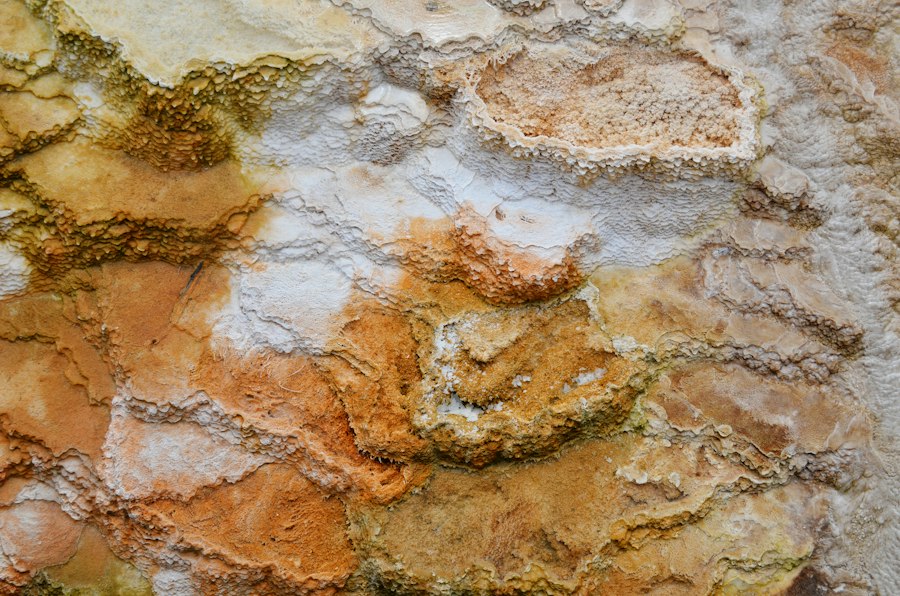
While the artistic and symbolic uses of ochre are the most visible, the pigment also served a range of practical functions that were essential for prehistoric survival and well-being. Its inherent properties made it a valuable component in everyday life, contributing to hygiene, tool-making, and even the preservation of food and materials. These utilitarian applications underscore the versatility of ochre and its integral role in the material culture of early humans.
Preservative and Protective Qualities
Ochre possesses natural antiseptic and insecticidal properties, making it a valuable substance for preservation. When applied to animal hides, it could help to tan and preserve the leather, preventing decay and making it more pliable for clothing and shelters. This practice would have been crucial for early humans who relied heavily on animal products for their survival. The pigment’s ability to repel insects would also have made it useful for protecting stored food or even as a rudimentary form of insect repellent for human skin. In addition, ochre’s earthy nature might have offered a degree of UV protection when applied to the skin, though this is more speculative. The inherent antimicrobial qualities of iron oxides may have also played a role in wound care, although direct evidence for this is scarce. Nonetheless, the preservative qualities of ochre likely contributed to its widespread adoption for a variety of practical purposes.
Use in Tool-Making and Craftsmanship
Ochre was not solely used for its color. Its granular nature, once ground, could have also served as an abrasive. In the process of shaping stone tools, for example, fine powders could have been used to smooth surfaces or to aid in polishing. Furthermore, ochre could have been incorporated as a filler or binder in composite materials. When mixed with animal fat or resins, it could have created a more durable substance for hafting tools, attaching stone points to wooden shafts, or for repairing broken implements. The color of the ochre itself might have been significant even in these practical applications, perhaps serving as a visual indicator of the quality or type of material used. The integration of ochre into the manufacturing processes of essential tools highlights its multifaceted utility in prehistoric life.
Hygiene and Medicinal Uses
The antiseptic properties of ochre have been speculated to have been employed in rudimentary hygiene practices. While direct archaeological evidence is limited, it is plausible that early humans utilized ochre to clean wounds or to create protective barriers against infection. Some ethnographic accounts from more recent indigenous cultures suggest the use of ochre in medicinal poultices or as a topical treatment for skin conditions. The belief in ochre’s ability to purify or protect might have extended to its use in personal hygiene, perhaps as a form of dry shampoo or to mask body odor. The association of ochre with life and vitality, as discussed earlier, could also have led to its use in healing rituals and as a perceived medicinal agent, even if its efficacy was primarily psychosomatic or due to its physical properties.
The Global Dissemination of Ochre: A Universal Human Trait
The remarkable consistency in the use of ochre across disparate geographical regions and throughout vast stretches of prehistoric time points to a shared human impulse. The ease of access, combined with its inherent versatility, made ochre a global phenomenon. From the earliest hominins to more recent hunter-gatherer societies, the procurement and utilization of ochre appear to be a universal aspect of the human experience, transcending cultural boundaries and shaping the development of early societies in profound ways.
Early Hominin Use and the Dawn of Symbolic Thought
Evidence for the earliest use of ochre dates back hundreds of thousands of years, predating the emergence of Homo sapiens. Sites in Africa, such as Blombos Cave and Pinnacle Point, have yielded artifacts stained with ochre, including engraved ochre pieces and pierced shell beads, suggesting that symbolic behavior and the use of color were present in much earlier hominin populations, possibly Homo erectus or even earlier species. This early adoption of ochre as a pigment and decorative material implies that the capacity for abstract thought and symbolic representation was developing at a much earlier stage in human evolution than previously thought. The deliberate collection and processing of ochre indicate a cognitive leap, moving beyond purely utilitarian needs to engage with the world through color and meaning.
Ochre Across Continents and Cultures
The footprint of ochre is found on every inhabited continent, a testament to its universal appeal and importance. In Australia, ochre has been a central element in Aboriginal culture for millennia, used in ceremonial body painting, storytelling, and rock art, with deep spiritual significance connecting people to their ancestral lands. In the Americas, indigenous peoples utilized ochre for similar purposes, as evidenced by the rich rock art traditions and burial practices found across the continent. European prehistoric sites, as mentioned, showcase the extensive use of ochre in cave art, while evidence from Asia and Africa further solidifies its global presence. This widespread adoption, despite geographical separation, suggests that the desire to interact with and manipulate color was an innate human characteristic, facilitated by the readily available and versatile properties of ochre.
Continuity and Evolution of Ochre Use
The use of ochre has not remained static; it has evolved and adapted over time, reflecting changing cultural needs and technological advancements. While early uses were often focused on basic pigment creation and application, later periods saw more sophisticated techniques in grinding, mixing, and application. The specific colors and patterns employed also developed, becoming more nuanced and culturally specific. Even with the advent of synthetic pigments, many traditional societies continued to utilize ochre, recognizing its cultural and spiritual importance, and its connection to the land. This enduring legacy demonstrates the deep-seated connection between humans, the earth, and the power of color, a connection forged in the prehistoric past and continuing to resonate today.
The use of mineral pigments, particularly ochre, in prehistoric times has fascinated researchers for decades, shedding light on early human creativity and cultural practices. These natural pigments were not only employed for artistic expression in cave paintings but also likely held symbolic significance in rituals and social interactions. For those interested in exploring more about ancient practices and their connections to human behavior, a related article discusses the intriguing field of archaeoacoustics, which examines how sound may have influenced prehistoric environments and experiences. You can read more about this fascinating topic in the article here.
The Enduring Legacy of Ochre: A Bridge to the Past
| Aspect | Description | Prehistoric Uses | Significance |
|---|---|---|---|
| Mineral Pigment | Ochre (Iron oxide-based pigment) | Used as red, yellow, and brown pigments | One of the earliest known pigments used by humans |
| Color Variants | Red ochre, yellow ochre, brown ochre | Applied in cave paintings, body decoration, and artifacts | Provided symbolic and aesthetic value |
| Dating | Evidence from 100,000+ years ago | Used by Homo sapiens and Neanderthals | Indicates early cognitive and cultural development |
| Applications | Body paint, rock art, burial rituals, adhesive mixing | Used in ceremonies and daily life | Reflects social and spiritual practices |
| Sources | Natural deposits of iron oxide minerals | Collected from soil and rocks near habitation sites | Accessible and abundant resource for prehistoric peoples |
The story of ochre is inextricably linked to the story of humanity. Its journey from a simple mineral in the earth to a complex symbol of culture, art, and survival offers a profound glimpse into the minds and lives of our prehistoric ancestors. The vibrant hues they coaxed from the earth speak to their ingenuity, their spiritual depth, and their fundamental need to express themselves and connect with the world around them. The enduring presence of ochre in archaeological records serves as a tangible link to our shared past, a reminder of the universal human drive to create, communicate, and imbue our lives with meaning through the vibrant palette of nature.
Ochre as a Window into Prehistoric Minds
The study of ochre provides archaeologists and anthropologists with an invaluable window into the cognitive abilities and social structures of prehistoric peoples. The deliberate collection, preparation, and application of ochre indicate sophisticated planning, knowledge of materials, and an understanding of symbolic representation. The variety of applications, from art to practical uses, demonstrates a complex adaptation to their environment and a rich internal world. By analyzing the distribution, composition, and context of ochre finds, researchers can infer migration patterns, trade networks, and the development of cultural traditions. It allows us to move beyond simply understanding what early humans did, to beginning to understand why they did it, and what it meant to them.
Modern Echoes of Ancient Practices
While synthetic pigments have largely replaced ochre in modern art and industry, its cultural significance endures. Many indigenous communities around the world continue to utilize ochre in traditional ceremonies and art forms, maintaining a connection to their ancestral practices and spiritual beliefs. The aesthetic appeal of ochre also continues to inspire contemporary artists, architects, and designers, who are drawn to its natural beauty and earthy tones. Furthermore, the scientific study of ochre continues to reveal new insights into prehistoric life, pushing the boundaries of our understanding of human evolution and the origins of symbolic behavior. The very act of engaging with ochre today, whether through art, culture, or scientific inquiry, allows us to connect with the deep history of human creativity and expression.
Preserving the Earth’s Pigmentary Heritage
The preservation of ochre-rich geological sites and archaeological contexts is crucial for safeguarding this invaluable aspect of human heritage. As landscapes change and human activities impact natural environments, it is essential to protect the sources of these ancient pigments and the sites where they were used. Continued research and responsible stewardship of archaeological discoveries are vital to ensuring that future generations can learn from and be inspired by the enduring legacy of ochre. Understanding and appreciating the prehistoric uses and cultural significance of ochre is not merely an academic exercise; it is an act of honoring our shared human journey and recognizing the profound impact that a simple earth pigment has had on shaping who we are today.
