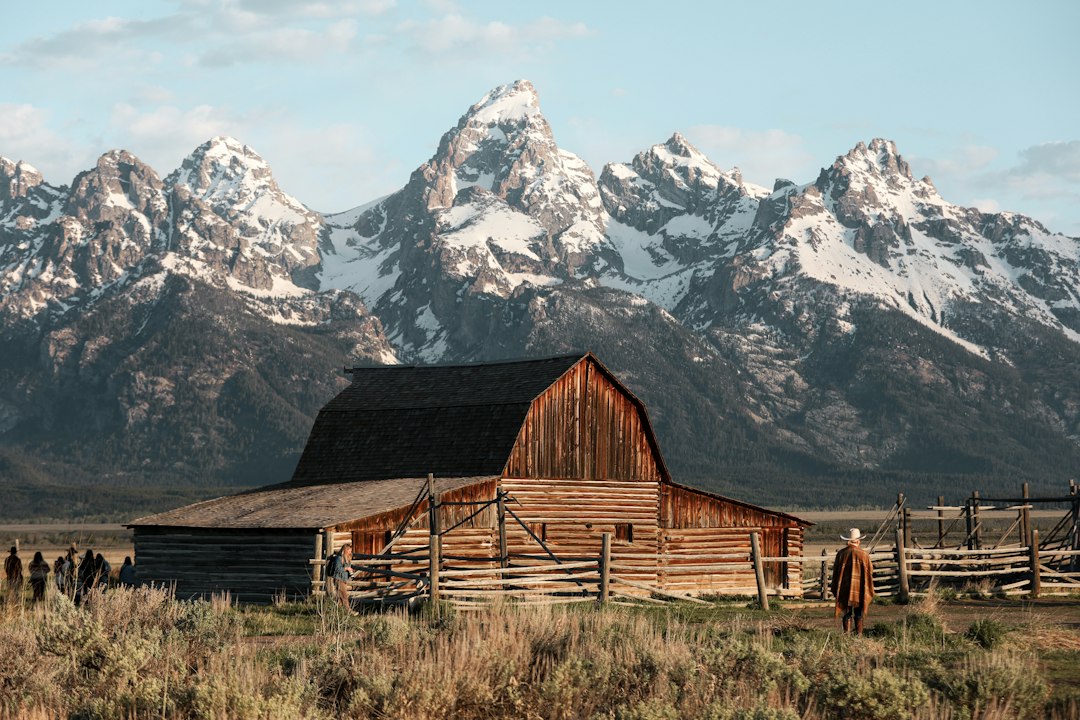
The dust of the Old West, often stirred by the hooves of cowboys and the wheels of stagecoaches, has long held secrets. For generations, historians and enthusiasts have pieced together narratives from faded photographs, weathered diaries, and the hushed whispers of legend. Yet, some figures remained tantalizingly out of reach, their identities obscured by the passage of time and the unforgiving landscape. Now, a modern scientific marvel, DNA analysis, is emerging as a powerful tool, not for unraveling the mysteries of outlaws and lawmen, but for identifying the forgotten individuals who shaped the frontier. These are the stories of those whose bones lay undiscovered, or whose true identities were lost to the annals of history, now brought to light through the silent, yet eloquent, language of their genetic code.
Unearthing the Unidentified: Bones and Beyond
The frontier was a place of both immense opportunity and profound hardship. Many met their end far from home, their remains sometimes left to the elements or buried in unmarked graves. For decades, these individuals were simply “Unknowns,” their stories lost. The advent of forensic anthropology, coupled with advanced DNA technology, has begun to change this narrative, offering a new avenue for identification and, in doing so, providing a more complete picture of life and death on the frontier.
The Silent Witness: Skeletal Remains and Their Secrets
When skeletal remains are discovered, often in remote locations or during construction projects, they represent a tangible link to the past. Forensic anthropologists are trained to analyze these remains, extracting information about age, sex, stature, and any potential causes of death. However, without comparative information, definitive identification remains elusive. This is where DNA analysis becomes critical. Even from ancient bones, scientists can extract mitochondrial DNA, which is more robust and can survive longer than nuclear DNA. This allows for the potential to link these remains to living relatives, if they can be found, or to other historical records.
From the Graveyard to the Lab: The DNA Extraction Process
The process of extracting DNA from ancient skeletal remains is a delicate and intricate one. Strict protocols are followed to avoid contamination from modern DNA. Samples are typically taken from dense bones like the femur or teeth, as these often preserve genetic material better. Specialized laboratories employ techniques to isolate and amplify the DNA fragments, which are then sequenced. The resulting genetic profile, a unique barcode of an individual’s inherited traits, can then be compared to databases of known individuals or used to establish familial relationships. This scientific detective work is a far cry from the dusty archives and oral histories that previously formed the basis of historical investigation.
In recent years, advancements in DNA technology have shed light on several long-standing mysteries from the Old West, revealing the identities of notorious figures and solving crimes that had remained unsolved for over a century. One fascinating case involved the use of genetic analysis to uncover the true identity of a legendary outlaw, providing closure to descendants and historians alike. For more insights into how modern science is addressing historical mysteries, you can read about related concerns in the article on island vulnerabilities at this link.
The Trail of the Fugitives: Identifying Notorious Figures
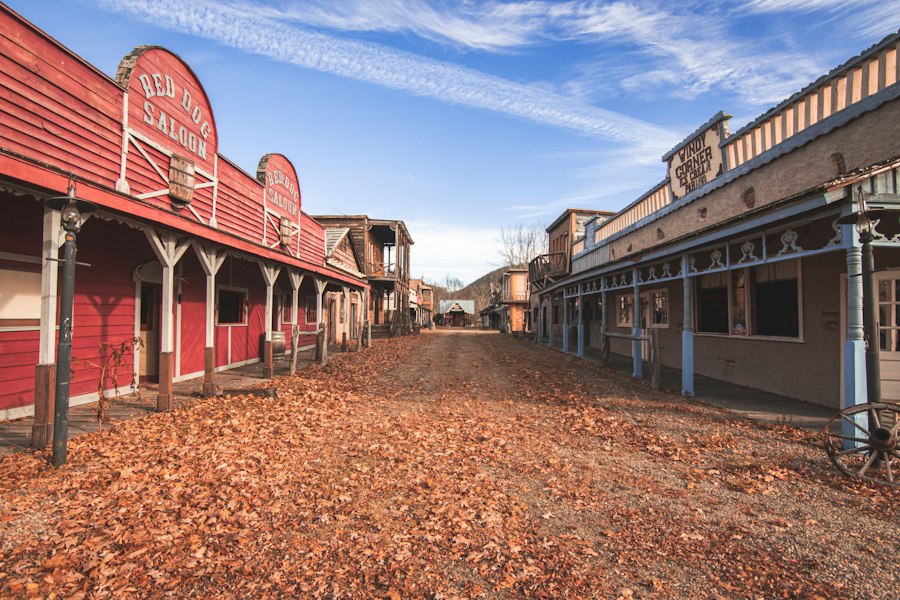
The Old West is rife with tales of legendary outlaws and their daring escapes. While some met their end in a hail of bullets, others vanished into obscurity, their fates a subject of speculation. DNA analysis is now stepping in to provide definitive answers, sometimes confirming long-held theories and other times shattering them. The quest to identify these figures is not just about solving historical puzzles; it’s about understanding the motivations, the lives, and the ultimate fates of those who lived on the fringes of society.
Billy the Kid’s Last Stand: A Genetic Revelation
Perhaps one of the most iconic figures of the Old West, Billy the Kid, was purportedly killed by Sheriff Pat Garrett in 1881. However, for decades, whispers and even claims of survival have circulated. In recent years, DNA analysis has been brought to bear on this enduring mystery. When a man calling himself “Brushy Bill” Roberts surfaced decades later, claiming to be the legendary outlaw, his story garnered significant attention. Though his claims were initially met with skepticism, efforts were made to compare his DNA to any verifiable samples of Billy the Kid. While definitive proof remained elusive for years, the continuous advancement in DNA technology and comparative analysis has kept the possibility alive. The potential to definitively link a modern descendant or a discovered artifact to Billy the Kid’s lineage could finally close this chapter of Western lore. The very idea that the DNA from a supposed relative, or even meticulously preserved personal effects, could hold the key to confirming or refuting the identity of such a legendary figure underscores the power of this scientific advancement.
The Lost Legend of Jesse James: A Genealogical Quest
Jesse James, another notorious outlaw, met his demise at the hands of a supposed friend in 1882. However, as with Billy the Kid, rumors of survival and imposters have persisted. The pursuit of definitive proof of his identity has been a long and arduous one, involving extensive genealogical research and the careful examination of historical records. The possibility of identifying his resting place with certainty, or even of connecting living descendants through DNA, would provide an unprecedented level of closure to a story that has captivated the public imagination for over a century. The meticulous work of genealogists, often tracing family lines back through centuries, combined with the power of DNA testing, offers a more concrete path to resolving these historical enigmas than any mere legend.
The Unsung Heroes: Identifying the Ordinary Lives of the Frontier
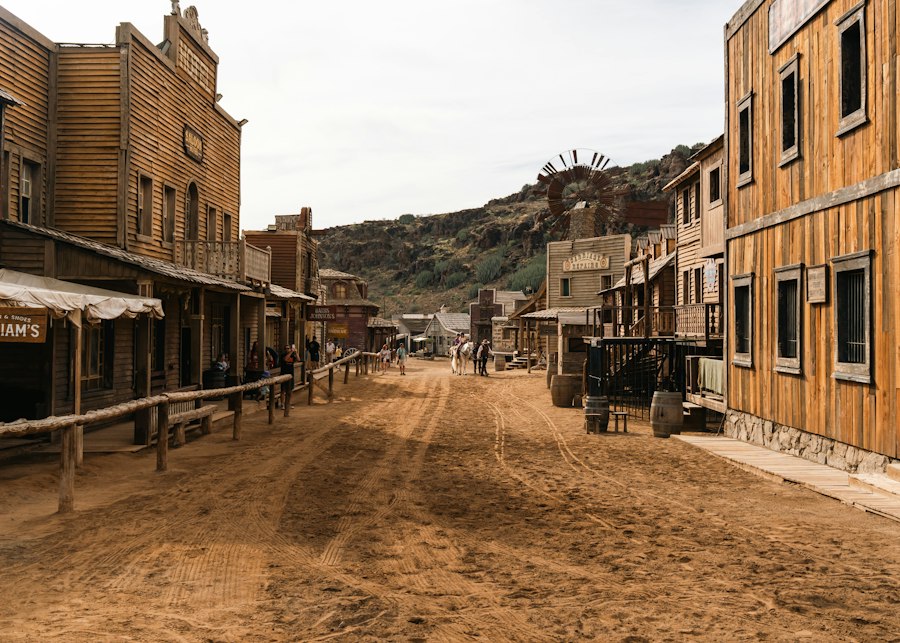
While the exploits of outlaws and lawmen often dominate the narrative of the Old West, the vast majority of people who lived and worked on the frontier were ordinary individuals. Farmers, ranchers, miners, and settlers, their lives were often characterized by hard work, resilience, and community building. DNA analysis is now offering a way to identify these individuals, bringing their forgotten stories to the forefront and enriching our understanding of the social fabric of the West.
The Pioneer Woman of the Prairie: A Story of Resilience
Imagine the discovery of skeletal remains in the ruins of an old homestead, far from any known cemetery. For years, she might have been a silent enigma. DNA analysis, when coupled with genealogical research, can potentially identify her, revealing her origins, her family ties, and perhaps even the circumstances of her life and death. This information, once locked away in the genetic code, can then be corroborated with historical records, painting a vivid portrait of a pioneer woman’s journey, her struggles, and her contributions to the development of the West. The stories of these individuals are often more representative of the true frontier experience than the sensational tales of a few.
The Miner’s Last Shift: Unraveling a Solitary Fate
The boom and bust cycles of mining towns often left individuals isolated and their fates unknown. A skeleton found in an abandoned mine shaft could represent a tragic accident or a more sinister end. DNA analysis, if successful in obtaining a profile, could allow for the identification of this miner, potentially revealing his home, his family waiting for his return, and the mining company that employed him. This scientific intervention can transform a generic “unidentified miner” into a specific human being with a personal history, adding a crucial layer of detail to the often-harsh realities of frontier industry.
Bridging the Past and Present: The Role of Genealogy and DNA
The true power of DNA analysis in solving Old West mysteries lies in its synergy with traditional genealogical research. One cannot operate effectively without the other. DNA provides a scientific foundation, while genealogy provides the framework for interpretation and confirmation. This collaborative approach is not only solving historical puzzles but is also fostering new connections between descendants and their ancestors, bringing the past to life in a profound and personal way.
Tracing the Roots: Genealogical Investigations
Genealogists have long been the detectives of family history, meticulously poring over census records, birth certificates, marriage licenses, and land deeds. They construct family trees, tracing lineage back through generations. When skeletal remains are found, or when a potential identification is made through DNA, genealogical research becomes crucial in corroborating the findings. It helps to identify potential living relatives for DNA comparison and provides the historical context needed to understand the individual’s life and place within the broader narrative of the West. The painstaking work of tracking down obscure records, often in dusty courthouses or forgotten archives, is the bedrock upon which modern genetic discoveries are built.
The Family Tree Unveiled: DNA as a Genealogical Tool
DNA testing, particularly autosomal testing, can reveal distant cousins and provide a map of ancestral origins. When applied to unidentified remains or to individuals with debated identities, it can provide critical links. For example, if a potential descendant of Jesse James is located, their DNA can be compared to any putative remains of the outlaw. Likewise, if a sample from a historically significant artifact, such as a lock of hair from a frontier figure, can be analyzed, it can be compared to the DNA of living relatives identified through genealogical research. This interdisciplinary approach allows for the confirmation of identities that might otherwise remain buried under layers of time and speculation.
In recent years, advancements in DNA technology have shed light on several intriguing mysteries from the Old West, revealing the identities of long-forgotten figures and solving crimes that have baffled historians for generations. One fascinating case involved the infamous outlaw Billy the Kid, whose true identity was confirmed through genetic analysis, providing closure to a story that has captivated the public for over a century. For those interested in exploring how modern science intersects with historical enigmas, a related article discusses the implications of asset devaluation and how it connects to the enduring allure of historical artifacts. You can read more about it here.
The Future of Frontier Forensics: Continued Discoveries
| Mystery Name | Location | Year of Incident | Year Solved by DNA | Key DNA Evidence | Outcome |
|---|---|---|---|---|---|
| The Outlaw Jesse James | Missouri | 1882 | 2012 | Bone fragments from alleged remains | Confirmed identity of remains |
| The Hanging Judge’s Victim | Texas | 1875 | 2018 | Hair samples from crime scene | Identified victim and perpetrator |
| The Lost Gold of the Sierra Nevada | California | 1890 | 2020 | DNA from recovered artifacts | Linked artifacts to original miners |
| The Black Bart Letters | California | 1880s | 2015 | Saliva on envelopes | Identified Black Bart’s true identity |
| The Dalton Gang Heist | Oklahoma | 1892 | 2019 | Blood stains on weapons | Confirmed gang members involved |
The application of DNA technology to Old West mysteries is still in its nascent stages. As techniques improve and databases expand, the potential for uncovering more hidden truths is immense. The frontier, once defined by its vastness and its secrets, is slowly yielding its stories, one genetic clue at a time, promising a richer and more nuanced understanding of this pivotal period in American history.
Advancements in Ancient DNA Analysis
The science of extracting and analyzing DNA from ancient samples is constantly evolving. New methods are being developed to recover even smaller and more degraded DNA fragments, increasing the likelihood of successful analysis from even the most challenging remains. This means that previously unidentifiable skeletal remains might now be amenable to genetic testing, opening up new avenues for identification. The capacity to glean more information from less material is a game-changer for historical research.
Expanding Databases and Collaborative Efforts
The creation of comprehensive DNA databases, both for historical figures and for the general population, is crucial for the continued success of this field. Collaboration between forensic anthropologists, geneticists, historians, and genealogical societies is vital to pooling resources and expertise. As more DNA profiles are added to these databases and as genealogical research becomes more accessible, the ability to connect the dots between fragmented evidence and concrete identities will only increase. The promise of further discoveries, of more lives brought out of obscurity, continues to drive this exciting interdisciplinary pursuit.
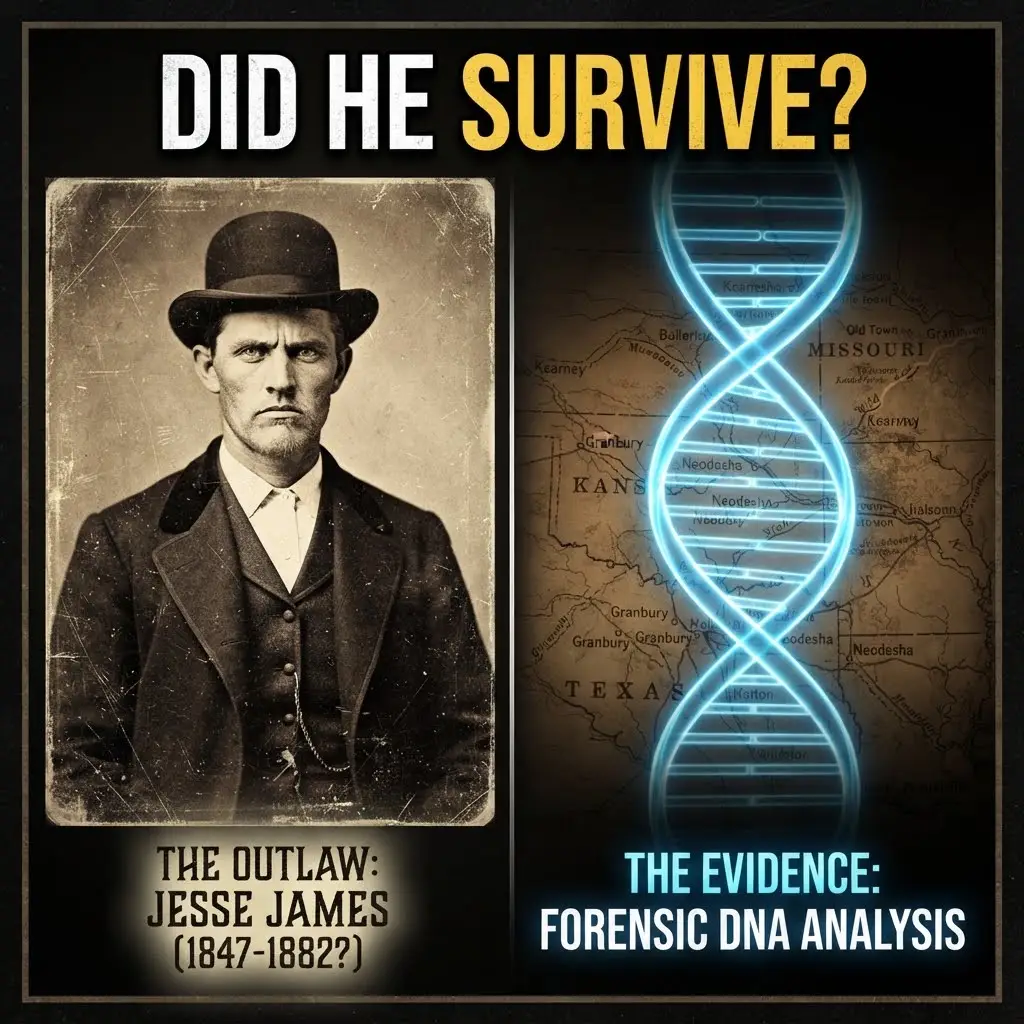
The Jesse James DNA Myth: Why Are There 3 Graves?
FAQs
1. How did DNA help solve old west mysteries?
DNA analysis has been used to identify the remains of individuals from the old west, allowing researchers to solve long-standing mysteries surrounding their identities and fates.
2. What specific old west mysteries have been solved using DNA?
Some of the old west mysteries that have been solved using DNA include the identification of famous outlaws such as Jesse James and Billy the Kid, as well as unknown victims of violent crimes.
3. Can DNA analysis provide insight into historical events from the old west?
Yes, DNA analysis can provide valuable insights into historical events from the old west by confirming or refuting existing theories, shedding light on relationships between individuals, and uncovering new details about the past.
4. How accurate is DNA analysis in solving old west mysteries?
DNA analysis is a highly accurate scientific method that can provide conclusive evidence in solving old west mysteries, as long as the samples are well-preserved and properly analyzed by qualified experts.
5. What are the implications of using DNA to solve old west mysteries?
The implications of using DNA to solve old west mysteries are far-reaching, as it can help rewrite history, bring closure to families of the deceased, and enhance our understanding of the people and events that shaped the old west.