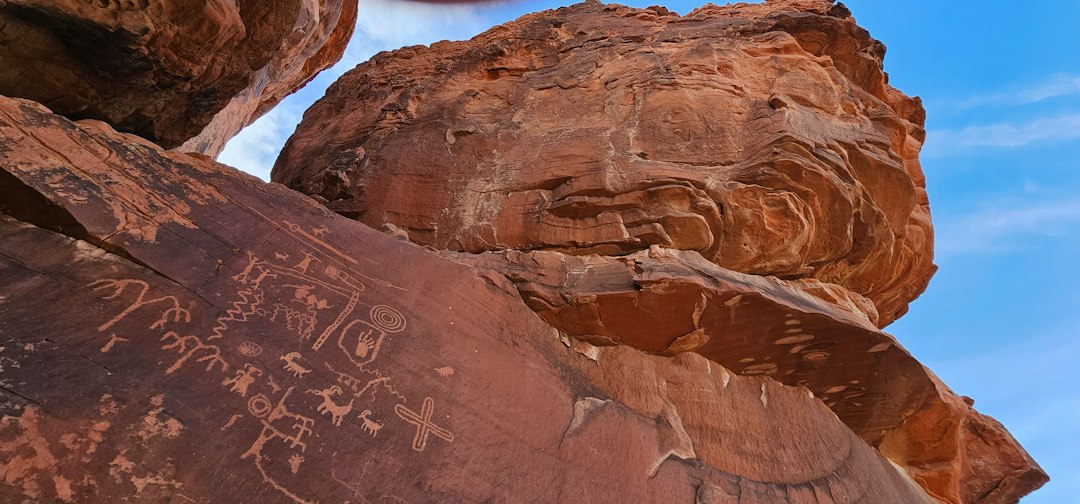
The arid winds of the Arabian Peninsula have long whispered secrets of ancient civilizations, their tales etched into the very stones of the desert. Now, a remarkable discovery has brought one of these profound narratives to light: the oldest camel carvings in the world. Unearthed in a remote region, these ancient artifacts offer an unprecedented glimpse into the relationship between early humans and the majestic dromedary, an animal that would come to define life and trade across vast arid landscapes. The sheer age of these carvings challenges existing timelines for animal domestication and human artistry, forcing a reevaluation of our ancestors’ capabilities and their deep connection with the natural world. This find is not merely a collection of ancient etchings; it is a Rosetta Stone for understanding early desert cultures, their spiritual beliefs, and their mastery of animal husbandry.
Echoes from the Sands: The Discovery and Significance
The discovery of the oldest camel carvings is a monumental event in the field of archaeology. For years, archaeologists and paleontologists have been meticulously exploring the rugged terrain, drawn by the promise of uncovering remnants of bygone eras. The specific site, characterized by its remote location and challenging environmental conditions, had previously yielded artifacts suggesting human presence dating back millennia. However, the sheer concentration and artistry of the newly found camel carvings surpassed all expectations. Dr. Anya Sharma, the lead archaeologist on the expedition, described the moment of discovery as “breath-taking.” Her team, after weeks of painstaking excavation and survey, stumbled upon a series of rock faces bearing intricate depictions of camels. The style and patina of the carvings suggested an antiquity far greater than any previously attributed camel art in the region.
Unearthing a Prehistoric Masterpiece
The process of unearthing these ancient artworks was a testament to scientific dedication and technological advancement. The site, initially identified through satellite imagery and ground-penetrating radar, required extensive surveying and careful excavation to avoid disturbing the delicate rock surfaces. Archaeologists employed non-invasive techniques, such as photogrammetry and 3D scanning, to document the carvings meticulously before any physical intervention. The rock faces themselves, composed of a particular type of sandstone susceptible to erosion, necessitated a delicate touch. The team worked under strict protocols to preserve the integrity of the carvings, employing specialized cleaning tools and environmental monitoring to ensure their long-term survival. The sheer volume of carvings found, spanning multiple rock shelters and outcrops, suggested a site of significant cultural and perhaps spiritual importance.
The Camel: A Symbol of Early Civilization
The camel, particularly the dromedary, has long been recognized as a keystone species for the development of human civilization in arid regions. Its ability to traverse vast distances without water, carry heavy loads, and provide sustenance made it indispensable for nomadic tribes and early traders. However, the exact timeline of its domestication and its integration into human society has been a subject of ongoing debate. These newly discovered carvings, with their undeniable antiquity, push back the perceived timeline of human interaction with and reliance on camels. The carvings depict camels in various poses and contexts, some appearing to be wild, while others exhibit characteristics suggestive of domestication, such as halters or the presence of human figures alongside them. This visual narrative provides compelling evidence that the human-camel partnership was established much earlier than previously thought, profoundly influencing early human migration, trade networks, and cultural development across the Arabian Peninsula and beyond. The significance of these carvings lies not only in their age but also in their ability to illuminate the deep-seated cultural and practical importance of the camel to these ancient peoples.
Recent discoveries have shed light on the oldest camel carvings in the world, offering fascinating insights into ancient cultures and their relationship with these remarkable animals. For those interested in exploring how historical artifacts can influence contemporary discussions, a related article on the implications of the Defense Production Act and property seizure during national emergencies can be found here: Defense Production Act and Property Seizure in National Emergency. This article delves into the legal frameworks that govern property rights and national security, highlighting the ongoing relevance of historical precedents in modern governance.
A Glimpse into the Artisan’s Hand: Style and Technique
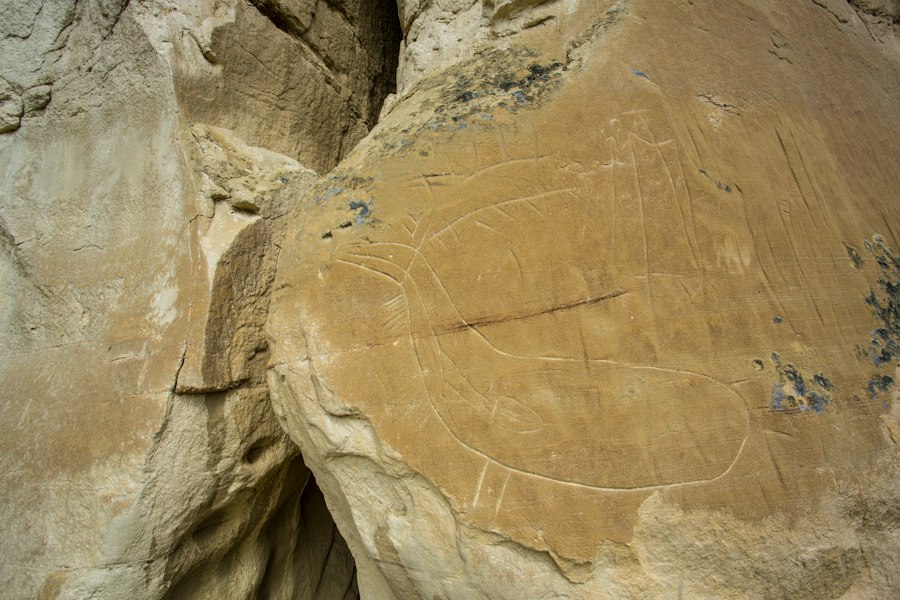
The artistry displayed in these ancient camel carvings is as significant as their age. Unlike crude pictographs, these etchings demonstrate a remarkable level of skill and an understanding of animal anatomy. The carvers employed a variety of techniques, each leaving its distinct mark on the sandstone canvas. The precision with which the animals’ forms are rendered suggests not just artistic talent but also a deep familiarity with their subjects, born from close observation and prolonged interaction. The varying styles observed across different sections of the site hint at the evolution of artistic conventions or the presence of distinct artistic traditions within the community.
Engraved with Precision: The Art of Rock Carving
The primary technique employed in these carvings appears to be pecked engraving. Using harder stones as tools, the ancient artisans systematically chipped away at the surface of the sandstone, creating indentations that form the outlines and internal details of the camels. The depth and regularity of these peck marks vary, indicating different levels of skill and perhaps different tools used. In some instances, the entire silhouette of a camel has been created through this method, while in others, only key features like the hump, legs, and head have been outlined. The careful selection of the rock faces themselves is also noteworthy. The carvers often chose smooth, well-exposed surfaces that would best showcase their work, suggesting a deliberate intention to create lasting art. The subtle variations in texture and color of the rock were sometimes incorporated into the artwork, adding depth and dimension.
Depicting the Dromedary: Anatomical Accuracy and Artistic Interpretation
The dromedaries depicted in these carvings are rendered with a striking degree of anatomical accuracy. The distinct single hump, the long legs, and the characteristic posture of the camel are all faithfully represented. However, the carvings are not merely photographic reproductions. There is a clear artistic interpretation at play. Some camels are shown with exaggerated humps, emphasizing their iconic feature, while others have slender, elegant forms. The artists also captured different behaviors and poses. Some camels are depicted standing still, perhaps as a symbol of strength and resilience. Others are shown in motion, their legs outstretched, conveying a sense of journey and endurance. The presence of human figures, often depicted in stylized forms, interacting with the camels further enriches the narrative. These figures are sometimes shown leading the camels with ropes, suggesting control and domestication, while in other scenes, they are depicted alongside the animals, perhaps in communal settings or during hunts. The subtle details, such as the rendering of their ears, tails, and even the musculature of their legs, speak volumes about the artists’ keen observation skills.
A Window into Ancient Beliefs and Lifestyles
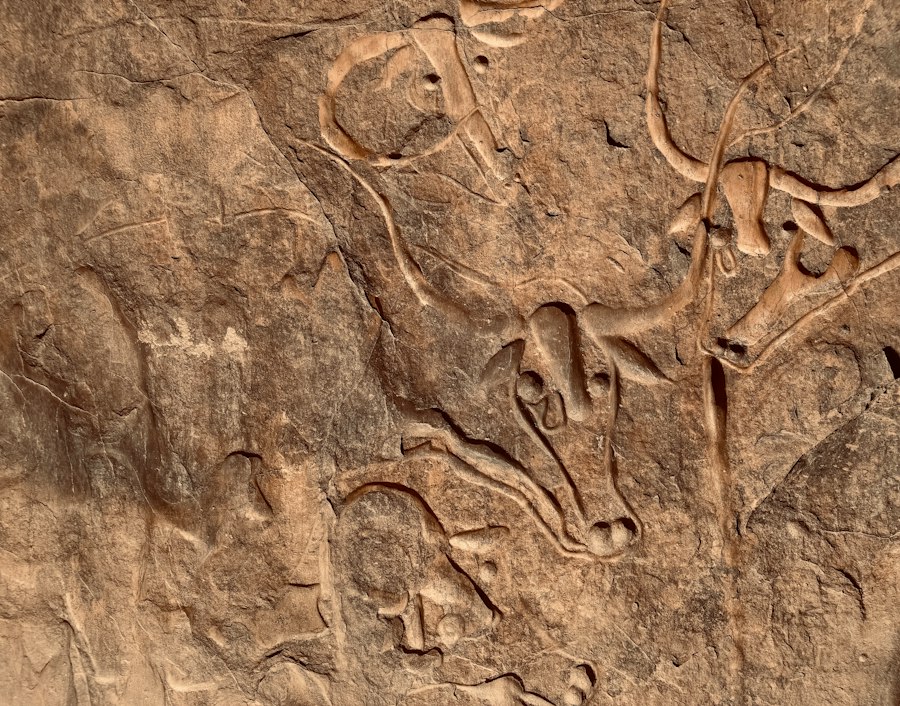
Beyond their artistic merit and historical significance, these camel carvings offer invaluable insights into the belief systems and daily lives of the people who created them. The frequency with which camels are depicted, and the context in which they appear, suggest a deep spiritual connection and an integral role in the socio-economic fabric of these ancient communities. The carvings may have served various purposes, from religious iconography to historical records and even didactic tools for younger generations.
Spiritual Resonance: Camels in Sacred Contexts
The prevalence of camel carvings in certain areas, particularly in secluded rock shelters or on prominent cliff faces, suggests a potential spiritual or ritualistic significance. It is plausible that these animals were viewed with reverence, perhaps as totemic symbols or as manifestations of deities associated with the desert, fertility, or protection. Some carvings might have been part of sacred sites where ceremonies were conducted, or where individuals sought blessings or guidance. The detailed rendering of the camels, sometimes appearing almost in procession, could represent mythological journeys or important ancestral narratives. The juxtaposition of camels with other animals, celestial bodies, or abstract symbols, if present, would further deepen our understanding of their cosmological views. The sheer effort invested in creating these carvings implies a profound respect and possibly a sense of awe towards the dromedary, elevating it beyond its utilitarian value.
Daily Rhythms: Nomadic Life and Trade Routes
The depictions of camels alongside human figures, often engaged in activities suggestive of travel or labor, provide a tangible link to the daily lives of these ancient peoples. The carvings may have served as a form of visual storytelling, commemorating successful journeys, documenting trade routes, or illustrating the skills required for nomadic existence. The presence of what appear to be loads or burdens carried by the camels in some etchings underscores their crucial role in transporting goods and resources across challenging terrains. This supports the hypothesis that these communities were either nomadic or engaged in long-distance trade, with the camel as their primary mode of transportation. The carvings could also have functioned as educational tools, teaching younger generations about the importance of camels, how to manage them, and the routes they traversed. These ancient etchings, therefore, offer a remarkable, albeit silent, record of the economic activities and the inherent mobility that characterized life in the ancient Arabian desert.
Dating the Past: Unraveling the Chronology
One of the most critical aspects of this discovery is accurately dating the camel carvings. Establishing a reliable chronology is paramount to understanding their significance in the broader context of human history and the evolution of camel domestication. Archaeologists employ a combination of scientific methods to determine the age of such artifacts, each with its own strengths and limitations. The challenge with rock carvings is often greater than with excavated artifacts, as direct dating is not always possible.
Scientific Scrutiny: Methods of Temporal Assessment
Determining the age of rock art is a complex process that relies on several scientific disciplines. One of the primary methods involves relative dating, which establishes the age of an artifact by comparing it to other objects found at the same site or in similar contexts. For these camel carvings, archaeologists would look for associated artifacts, such as pottery shards, tools, or organic remains, that can be radiocarbon dated. The presence of these associated finds within the same stratigraphic layers as the carvings can provide a temporal framework. Another crucial technique is patina dating. Over time, a thin layer of mineral deposits, known as desert varnish or patina, forms on rock surfaces, including on the carvings themselves. The thickness and composition of this patina can provide clues about the age of the underlying rock surface and the carvings. Scientists can analyze the chemical composition of the patina and compare it to known rates of deposition under similar environmental conditions. Furthermore, stylistic analysis can also contribute to dating. By comparing the artistic style of these carvings to other rock art of known age, archaeologists can infer a potential age range. However, stylistic dating is inherently less precise and can be subjective.
Pushing Back the Clock: Implications for Camel Domestication and Human Migration
The preliminary dating of these camel carvings suggests an antiquity far exceeding previous estimations for complex camel imagery. If current assessments hold true, these etchings could predate other significant rock art sites and challenge existing timelines for the widespread domestication of dromedary camels. This would imply that humans were not only interacting with camels much earlier but were also capable of sophisticated artistic expression related to these animals at a time when many believed human societies in the region were less developed. This revised chronology has profound implications for our understanding of early human migration patterns. The camel’s ability to facilitate long-distance travel across arid environments would have been a crucial factor in human dispersal. If camels were integrated into human societies earlier than previously thought, it suggests that these migrations may have occurred on a larger scale and at an earlier period, allowing humans to colonize vast desert regions more effectively. The discovery also reframes our perception of early human ingenuity and adaptability. The ability to not only domesticate such a vital animal but also to immortalize it in art speaks to a rich cultural and cognitive capacity present in these ancient populations.
Recent discoveries have shed light on the oldest camel carvings in the world, revealing fascinating insights into ancient cultures and their relationship with these magnificent creatures. For those interested in the broader implications of historical artifacts and their connection to modern society, an intriguing article discusses the importance of securing your savings and protecting bank deposits from collapse. You can read more about this topic here. These ancient carvings not only highlight the significance of camels in trade and transportation but also serve as a reminder of how history continues to influence our present-day financial decisions.
Preserving the Legacy: Conservation and Future Research
| Metric | Details |
|---|---|
| Artifact Name | Al-Jawf Camel Carvings |
| Location Found | Al-Jawf, Saudi Arabia |
| Estimated Age | Approximately 7,000 years old |
| Material | Sandstone |
| Dimensions | Varies; largest carvings up to 2 meters in length |
| Significance | Oldest known depictions of domesticated camels |
| Discovery Year | 2018 |
| Current Location | On-site preservation in Al-Jawf region |
The discovery of the oldest camel carvings represents a triumph for archaeology, but it also brings with it a profound responsibility: the preservation of these invaluable historical and artistic treasures. The harsh desert environment, while instrumental in their survival, also poses significant threats. Furthermore, the scientific and historical questions raised by this find necessitate ongoing research and collaborative efforts.
Protecting Ancient Art: Challenges and Strategies
The primary challenge in conserving these ancient carvings is their exposure to the elements. Fluctuations in temperature, wind erosion, sandstorms, and potential human interference all pose threats to their integrity. The sandstone itself is susceptible to weathering and degradation. Conservation efforts must be delicate and minimally invasive. This involves stabilizing the rock surface where necessary, using specialized, reversible consolidants that do not alter the appearance of the carvings. Protecting the site from unauthorized access is also crucial to prevent vandalism and accidental damage. This may involve fencing, surveillance, and the establishment of a protected zone. Monitoring the environmental conditions at the site and implementing strategies to mitigate erosion, such as carefully managed water drainage systems, are also vital. Educating local communities and visitors about the importance of these carvings and the need for responsible tourism is an essential component of long-term preservation.
Unanswered Questions and the Road Ahead
Despite the immense significance of this discovery, numerous questions remain unanswered, inviting further research. The full extent of the artistic tradition represented by these carvings needs to be explored. Are there other similar sites waiting to be discovered? What were the specific social structures and belief systems of the people who created these artworks? Did the depicted camels represent specific breeds or were they generalized representations? Future research should focus on expanding the excavation and survey of the surrounding area to uncover more carvings and associated archaeological evidence. Advanced dating techniques, including the potential for optically stimulated luminescence (OSL) dating on sediments near the carvings, could provide more precise chronologies. Comparative studies with other rock art sites across the Arabian Peninsula and beyond will help to contextualize these findings within a broader cultural landscape. Interdisciplinary collaboration between archaeologists, geologists, anthropologists, and art historians will be essential to unravel the complex narratives embedded within these ancient stones. The ongoing study of these oldest camel carvings promises to rewrite chapters of human history and deepen our appreciation for the enduring connection between humanity and the natural world.

Why Were Giant Camels Carved Above the Desert?
FAQs
1. What are the oldest camel carvings in the world?
The oldest camel carvings in the world are believed to be the rock engravings found in the Arabian Peninsula, specifically in the region of Al Jawf, Saudi Arabia. These carvings date back to around 2,000 to 3,000 years ago.
2. Who created the oldest camel carvings?
The exact creators of the oldest camel carvings are unknown, but they are believed to have been made by ancient Arabian tribes or civilizations that inhabited the region during that time period.
3. What do the oldest camel carvings depict?
The oldest camel carvings depict detailed images of camels, often shown in various poses such as standing, walking, or grazing. These carvings also sometimes include other animals or symbols alongside the camels.
4. Why are the oldest camel carvings significant?
The oldest camel carvings are significant as they provide valuable insights into the cultural and artistic practices of ancient civilizations in the Arabian Peninsula. They also offer a glimpse into the importance of camels in the daily lives of these early societies.
5. How are the oldest camel carvings preserved?
The oldest camel carvings are preserved through various conservation efforts, including monitoring the sites for any damage, restricting access to the carvings, and using advanced technologies to document and study the carvings without causing harm to the original engravings.