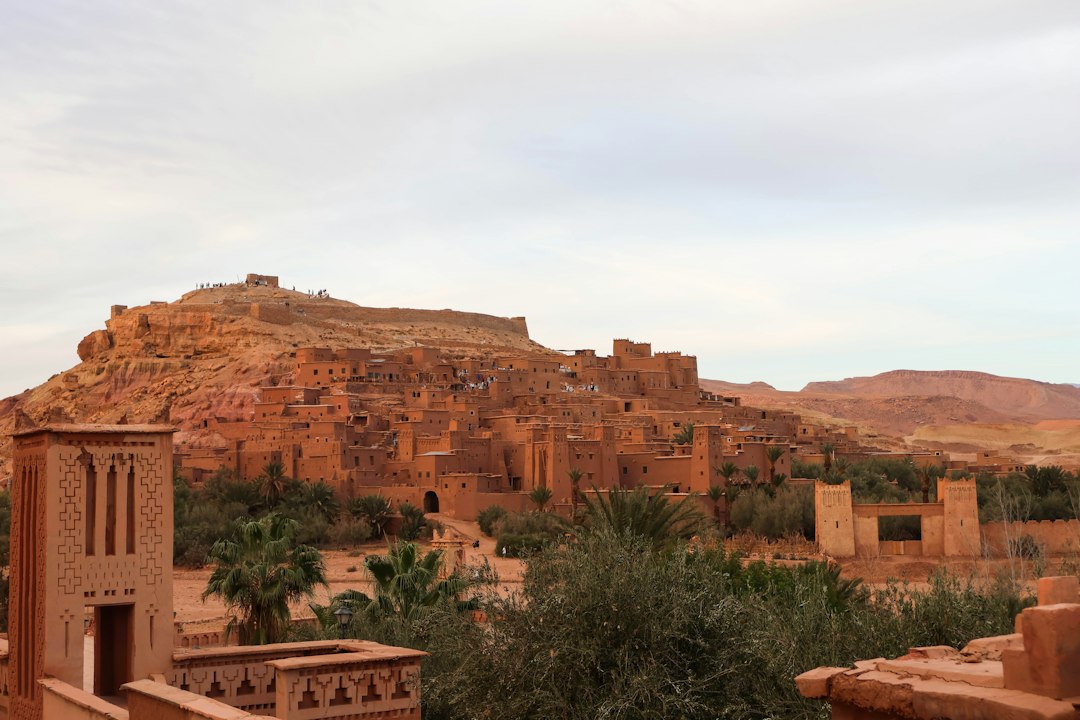
The arid winds of North Africa whisper tales of ancient peoples, of resilience etched into stone, and of a defensive ingenuity that predates written history. While Rome’s legions and the caliphates’ armies often dominate historical narratives of the region, a far older and more enduring legacy lies in the formidable fortifications built by the indigenous Berber peoples. These structures, often referred to as ghoulas or ksour, are not mere ruins; they are the oldest defensive systems in North Africa, a testament to centuries of human adaptation, strategic thinking, and an intimate understanding of their challenging environment. From towering citadels perched precariously on mountaintops to intricate village complexes designed for communal survival, these ancient Berber fortifications represent a crucial chapter in the story of human civilization.
The Enduring Sentinel: Understanding Berber Fortifications
The term “fortification” in the context of North Africa conjures images of grand Roman forts or imposing Arab castles. However, the Berber fortifications predate these by millennia, evolving from simple defensive enclosures to sophisticated architectural marvels. These structures were not solely built for military campaigns in the traditional sense, but rather as bastions against raiders, protectors of vital resources like water and granaries, and as the very heart of sedentary Berber communities. Their longevity is a direct result of their integration with the landscape, the use of readily available materials, and a deep-seated cultural understanding of defense. The word “fortification” itself often carries a connotation of active warfare, but for the Berbers, these structures served a broader purpose of ensuring the survival and prosperity of their people in a region prone to both environmental extremes and human conflict. Their defensive strategies were often as much about deterring attacks as they were about withstanding them, incorporating elements of passive defense and communal preparedness.
Defining the Berber Defensive Landscape
The scope of “Berber fortifications” is broad, encompassing a diverse array of structures spread across a vast geographical area, from the Atlantic coast of Morocco to the fringes of the Sahara Desert in Libya. These are not monolithic constructs but rather organic developments shaped by local conditions, tribal traditions, and the prevailing threats of their time. The common thread is their indigenous origin, their function as defensive strongholds, and their deep roots in Berber culture. Understanding these fortifications requires acknowledging the sheer diversity of their forms and their adaptation to specific environmental and social contexts. This diversity is itself a reflection of the Berber peoples’ ability to innovate and to integrate their defensive needs with their daily lives.
The Materials of Survival: Construction and Engineering
The remarkable durability of these ancient structures owes much to the ingenious use of local resources. Mudbrick, stone, and timber formed the building blocks of these defensive marvels, materials that were readily available and expertly manipulated by Berber builders. The techniques employed were often simple yet highly effective, leveraging the thermal properties of earth-based materials to provide insulation against the extreme temperatures of the North African climate. The construction methods were not merely utilitarian; they were also deeply intertwined with the social fabric of the communities, often involving communal labor and a shared sense of responsibility for the collective defense. The choice of materials also dictated the aesthetic and structural integrity of the fortifications, with techniques like the use of straw in mudbrick for reinforcement being commonplace.
The oldest defensive system in North Africa, known for its remarkable architecture and strategic significance, has been a subject of extensive research and discussion among historians and archaeologists. This ancient fortification not only showcases the ingenuity of early civilizations but also reflects the socio-political dynamics of the region. For a deeper understanding of how ancient power sources influenced such defensive structures, you can explore the related article on this topic at Unraveling the Debate on Ancient Power Sources.
Echoes of Antiquity: Early Forms of Berber Defense
The earliest forms of Berber defense were less about imposing edifices and more about strategic positioning and the creation of protected communal spaces. These early structures laid the groundwork for the more complex fortifications that would emerge in later centuries, demonstrating an evolving understanding of security and community needs. The simplicity of these early defenses belies their effectiveness, highlighting a pragmatic approach to protection that prioritized essential survival over elaborate displays of military might.
The Humble Beginnings: Enclosures and Settlements
Before the advent of grander fortifications, Berber communities often relied on natural defenses combined with simple enclosures to protect their livestock and settlements. Caves, rock overhangs, and defensible hills provided natural protection, augmented by rudimentary walls of dry-stone or wattle-and-daub. These early settlements were often nomadic or semi-nomadic, and their defensive needs were dictated by the immediate threats and the mobility of their lifestyle. The focus was on creating a secure perimeter that could offer a degree of protection without hindering the ability to relocate when necessary. These early forms of defense demonstrate a deep understanding of the local geography and an ability to adapt to its limitations.
The Rise of the Granary Fortifications: Protecting Sustenance
One of the most significant early developments in Berber defensive architecture was the emergence of fortified granaries. These structures were not residential but were specifically designed to safeguard precious grain stores from raids. Often built in strategically advantageous locations, such as cliff faces or on elevated ground, these granaries were frequently isolated and well-defended, ensuring the survival of the community through lean times and periods of conflict. Their construction often involved thick walls, limited access points, and sophisticated methods for ventilation and pest control. The protection of food resources was paramount for sedentary agricultural communities, and these fortified granaries represent a crucial step in the evolution of Berber defensive systems, moving beyond simple enclosures to protect vital assets.
The Ksar: A Village Transformed into a Fortress

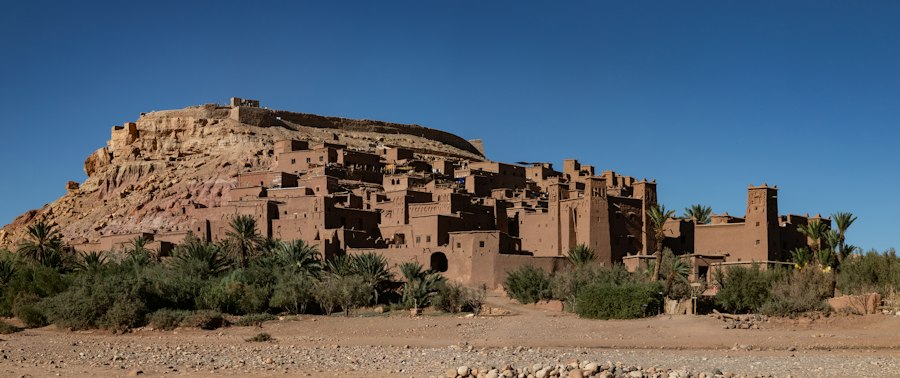
The ksar (plural: ksour) is perhaps the most iconic and widespread example of ancient Berber defensive systems in North Africa. These fortified villages represent a remarkable fusion of domestic life and defense, where entire communities lived within formidable walls. The evolution of the ksar reflects a growing need for sustained protection and a sophisticated approach to communal living in often challenging environments. The ksar was not just a defensive structure; it was a living, breathing entity, a microcosm of Berber society where every individual played a role in its security and sustenance.
Strategic Design: Location and Layout
The siting of a ksar was a critical decision, often dictated by defensive considerations. Many are found perched on hilltops, along escarpments, or on islands within rivers, offering natural advantages against attackers. The layout of a ksar is typically characterized by a dense arrangement of dwellings, often several stories high, built around a central courtyard or communal space. Narrow, winding alleyways served to disorient attackers and channeled them into kill zones. The external walls were solid and imposing, with minimal openings, while watchtowers and fortified gateways provided vital points of observation and defense. The internal organization of the ksar often mirrored the social structure of the community, with families residing in close proximity and sharing communal resources and responsibilities.
Communal Living and Collective Defense
Life within a ksar was inherently communal, fostering a strong sense of solidarity and shared responsibility for defense. Granaries, wells, and communal gathering spaces were centrally located and heavily protected. The inhabitants were trained from a young age in the use of defensive tactics, and the entire village would mobilize to repel an attack. The architecture itself facilitated this collective defense, with rooftops often connected, allowing defenders to move swiftly and silently across the ksar. The communal nature of the ksar was not just about defense; it was a fundamental aspect of Berber social organization, emphasizing mutual support and shared destiny.
The Agadir: Guardians of the Oasis and the Desert Frontier
Distinct from the dense village-style ksar, the agadir (plural: aghadir) represents another significant type of Berber fortification, particularly prevalent in the pre-Saharan regions of Morocco. These structures were primarily designed to protect vital agricultural resources, especially date palm groves and water sources, and served as collective storehouses for the produce of the oasis. Agadirs are often characterized by their imposing, tower-like architecture, built from stone and mudbrick, and strategically placed to command access to the precious resources they guarded. Their function was deeply tied to the economic survival of the communities in these harsh desert environments.
The Oasis Citadel: Protecting Lifeblood
Agadirs are often found in close proximity to oases, reflecting their primary role in safeguarding the agricultural bounty that sustained Berber life in the desert. The date palm was a cornerstone of the desert economy, providing food, building materials, and shade, and the agadir ensured that this vital resource was protected from potential raiders. Water sources, the ultimate lifeblood of the desert, were also integral to the agadir’s defensive perimeter. Their construction often involved multiple levels, with living quarters for guardians, communal storage rooms, and defensive ramparts. The agadir served as a tangible symbol of the community’s control over its resources and its ability to thrive in an unforgiving landscape.
Architectural Distinctiveness: Towers and Fortified Stores
The architectural style of the agadir is distinct, often featuring imposing, multi-story towers that project an image of strength and impregnability. The use of thick walls, crenellations, and strategically placed arrow slits provided effective defense against attackers. The interior layout typically included communal storehouses for grain, dates, and other agricultural produce, as well as living quarters for the families responsible for guarding the structure. The construction often involved a highly organized labor force, drawing on the collective efforts of the entire community. The agadir’s verticality and robust construction were designed to withstand not only human threats but also the harsh environmental conditions of the desert, including sandstorms and extreme temperatures.
The oldest defensive system in North Africa, known for its remarkable historical significance, has drawn attention from historians and archaeologists alike. This ancient fortification showcases the ingenuity of early civilizations in protecting their territories. For those interested in understanding how historical systems can inform modern strategies, a related article discusses the importance of being prepared for unexpected challenges. You can read more about this topic in the article on financial preparedness for US citizens, which can be found here.
The Legacy of Resilience: Enduring Berber Fortifications Today
| Defensive System | Location | Estimated Age | Purpose | Key Features | Historical Significance |
|---|---|---|---|---|---|
| Libyan Desert Wall | Libyan Desert, Libya | Approx. 4,000 years old (Bronze Age) | Protection against invasions and raids | Stone wall, several kilometers long, built with large stones | One of the oldest known defensive structures in North Africa, indicating early organized defense strategies |
| Ancient Carthaginian Fortifications | Carthage, Tunisia | Approx. 2,500 years old (circa 6th century BCE) | Defense of the city-state against rival powers | Thick stone walls, towers, and gates | Key in protecting Carthage during Punic Wars, showcasing advanced military architecture |
| Roman Limes Tripolitanus | Tripolitania region, Libya | Approx. 1,800 years old (2nd-3rd century CE) | Border defense of Roman Empire | Fortresses, watchtowers, and walls | Helped secure Roman territories in North Africa from desert tribes |
The ancient Berber fortifications of North Africa are far more than historical relics; they are living testaments to the enduring spirit and ingenuity of the Berber people. Though their primary defensive function has largely diminished in the modern era, these structures continue to hold immense cultural, historical, and architectural significance. Many have been preserved, restored, and transformed into museums, cultural centers, or even unique accommodations, allowing visitors to experience a tangible connection to the past. Their continued existence speaks to the deep respect and pride that Berber communities

They Found a 4,000-Year-Old Defense Line in Morocco
FAQs
1. What is the oldest defensive system in North Africa?
The oldest defensive system in North Africa is the Phoenician Wall of Carthage, which dates back to the 9th century BC.
2. How long is the Phoenician Wall of Carthage?
The Phoenician Wall of Carthage is approximately 36 kilometers long, making it one of the longest defensive walls in the ancient world.
3. What was the purpose of the Phoenician Wall of Carthage?
The Phoenician Wall of Carthage was built to protect the ancient city of Carthage from invasions and attacks by enemies, such as the Greeks and Romans.
4. How was the Phoenician Wall of Carthage constructed?
The Phoenician Wall of Carthage was constructed using large stones and earthworks, with watchtowers and gates strategically placed along its length for defense.
5. Is the Phoenician Wall of Carthage still standing today?
While parts of the Phoenician Wall of Carthage have been destroyed over time, some sections of the wall still remain standing today, serving as a reminder of the ancient defensive system in North Africa.