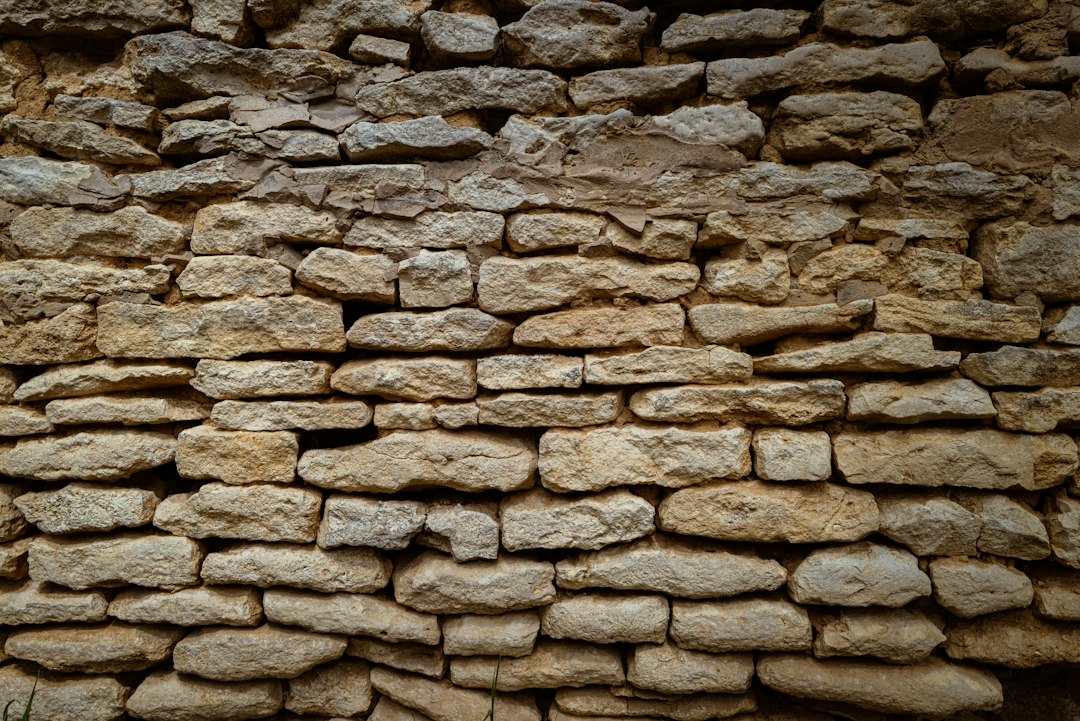
The discovery of the Oued Beht 2010 to 1747 BC Wall marks a significant turning point in our understanding of ancient North African civilizations. This monumental construction, unearthed through meticulous archaeological excavation, pushes back the timeline of sophisticated defensive architecture and urban planning in the region by centuries. Far from being a simple barrier, the wall speaks volumes about the social, economic, and political structures of the people who built it, offering a tantalizing glimpse into a period previously shrouded in mystery. The sheer scale and engineering prowess displayed in its construction are a testament to an advanced society, challenging long-held assumptions about the development of complex societies in this part of the world. The strategic placement of the wall, the materials used, and the potential defensive capabilities all point to a society that was not only capable of organized labor on an unprecedented scale but also possessed a deep understanding of their environment and the threats they faced.
The Genesis of a Colossal Endeavor
The initial discovery of the Oued Beht Wall was not a sudden revelation but a gradual unfolding, a painstaking process that began with scattered surface finds and evolved into the excavation of a truly awe-inspiring structure. The arid landscape of the Oued Beht region, while often harsh, proved to be a remarkably well-preserved archive of the past. Decades of academic interest in the area, driven by tantalizing but inconclusive evidence of ancient settlements, culminated in a series of systematic surveys. These surveys, employing advanced remote sensing technologies alongside traditional ground-truthing, began to reveal anomalies in the terrain that suggested man-made structures of considerable size.
Unearthing the First Clues
The earliest indications of the Oued Beht Wall’s existence emerged in the early 2000s. Local inhabitants and early archaeological expeditions reported finding unusual concentrations of worked stone and pottery shards in specific areas along the Oued Beht. These surface finds, while intriguing, were often dispersed and lacked the context to suggest a unified, large-scale construction. However, the consistent nature of the lithic material and the distinctive ceramic styles hinted at a significant ancient presence. It was the meticulous mapping of these scattered artifacts, combined with an uncanny knack for identifying subtle topographic variations that suggested buried structures, that laid the groundwork for the subsequent, more ambitious investigations. The sheer volume of stone fragments, many bearing clear signs of intentional shaping, could not be easily dismissed as natural geological formations.
The Strategic Sweep of Survey Technologies
The game-changer in the Oued Beht project was the integration of modern geophysical survey techniques. Ground-penetrating radar (GPR) and magnetometry, in particular, proved instrumental. These technologies allowed archaeologists to “see” beneath the surface without disturbing the archaeological record. Anomalies detected by GPR, appearing as distinct subsurface features, correlated strongly with the areas where surface artifacts were most concentrated. Magnetometry, sensitive to variations in the Earth’s magnetic field caused by buried materials like fired clay and iron-rich soils often associated with ancient hearths and construction, further refined the potential locations of buried structures. These surveys generated preliminary maps, highlighting a linear pattern of subsurface features that strongly suggested the presence of a substantial wall. The precision of these methods allowed researchers to target their excavations with unprecedented efficiency, avoiding the wasteful digging of unproductive areas.
The archaeological findings at Oued Beht, dating back to 2010, have drawn attention to the ancient wall constructed between 1747 BC and its significance in understanding early urban development. For those interested in exploring how historical sites contribute to modern technological hubs, a related article discusses the evolution of urban centers and innovation in Guadalajara, Mexico, often referred to as Mexico’s Silicon Valley. You can read more about this fascinating connection in the article found here: Guadalajara: Mexico’s Silicon Valley.
Engineering an Ancient Bastion
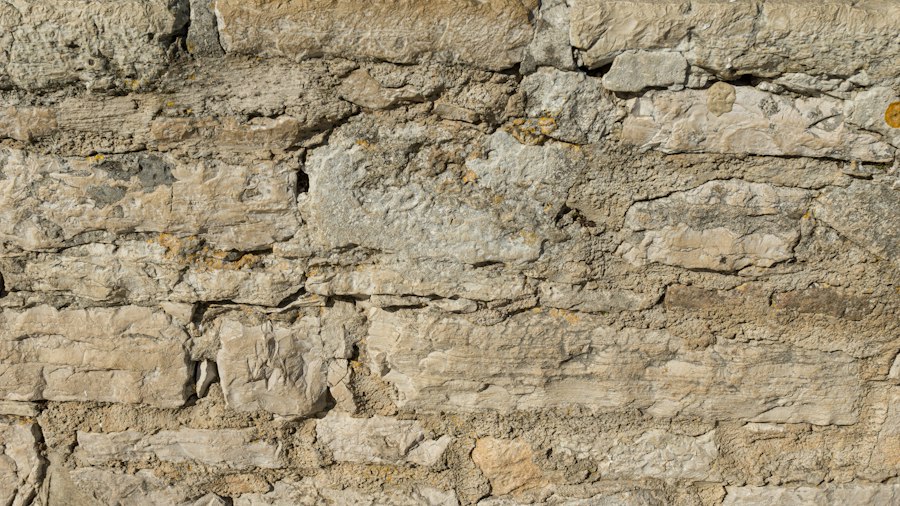
The Oued Beht Wall is not merely a pile of stones; it is a marvel of ancient engineering. Its construction involved sophisticated techniques, careful material selection, and a deep understanding of structural integrity. The scale of the project suggests a highly organized society capable of mobilizing and managing a significant workforce over an extended period. The materials themselves, sourced from the surrounding environment, were expertly processed and employed to create a durable and formidable defensive structure.
The Foundation of Fortitude
The bedrock of the Oued Beht Wall’s resilience lies in its foundational construction. Excavations revealed that the wall was not simply built upon the surface but was deeply embedded into the bedrock or a compacted layer of natural soil. This process would have involved clearing the ground to a considerable depth, creating a stable and level base upon which to build. In many sections, a layer of large, carefully selected stones, often of irregular shapes but fitted together with remarkable precision, formed the initial course. This “footing” layer was crucial for distributing the immense weight of the superstructure and preventing subsidence or shifting over time, especially in a region that might experience seismic activity or seasonal moisture variations. The sheer effort required to excavate and prepare these foundations points to a planned, systematic approach to construction, rather than an ad-hoc build.
Stratified Strength: The Wall’s Composition
The primary building material of the Oued Beht Wall is a locally quarried sandstone, a testament to the builders’ intimate knowledge of their landscape. However, it was not simply piled up. The wall is characterized by a sophisticated stratified construction. Two parallel faces, built from carefully dressed and interlocking stones, form the outer and inner surfaces. These faces were then meticulously filled with a dense core of smaller stones, rubble, and a binding agent that appears to have been a form of lime-based mortar. The mortar, where preserved, shows evidence of careful preparation and application, suggesting a knowledge of rudimentary cementing techniques. The interlocking nature of the facing stones, often employing sophisticated joinery and even rudimentary dowels in some of the more critical sections, created a cohesive and incredibly strong structure. This layered approach maximized the wall’s resistance to impact and erosion.
The discovery of the Oued Beht wall, dating back to 1747 BC, offers fascinating insights into ancient civilizations and their architectural prowess. This remarkable structure not only highlights the engineering skills of the time but also serves as a backdrop for understanding the economic systems that may have existed. For a deeper exploration of how ancient currencies like gold and silver influenced trade and societal structures, you can read more in this related article on the currency crisis showdown. By examining these connections, we gain a richer perspective on the historical context surrounding the Oued Beht wall. For further details, visit this article.
The Art of the Mason: Skill and Precision
The precision with which the stones were shaped and placed is a highlight of the Oued Beht Wall. Evidence of specialized tools, such as stone hammers, chisels, and possibly even abrasive sand for finishing, has been found at associated workshop sites. The facing stones are often squared or rectangular, with deliberately smoothed surfaces. In some areas, particularly at strategic points like corners or potential gate locations, the stones exhibit more complex shaping, including beveled edges and carefully angled fits, designed to enhance structural stability and defensive capability. The absence of significant mortar in the primary interlocking masonry, common in later periods, suggests a reliance on precise stone fitting and sheer mass for its structural integrity. This level of craftsmanship points to a class of skilled masons who were highly trained and dedicated to their craft.
Unveiling the Purpose: Defense and Dominion
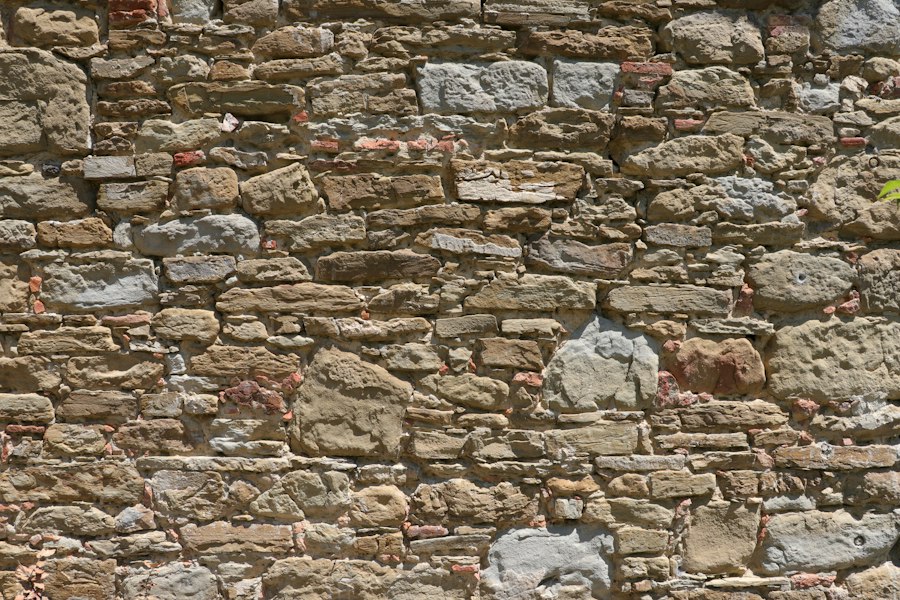
The imposing presence of the Oued Beht Wall strongly suggests a primary defensive function. Its sheer scale, strategic placement, and robust construction speak of a society keenly aware of external threats and determined to protect its people and resources. However, the wall’s purpose may have extended beyond simple military fortification, potentially serving as a symbol of power and a means of controlling movement and trade.
A Shield Against the Horizon
The location of the Oued Beht Wall is a key indicator of its defensive role. It strategically overlooks the fertile lands and likely ancient trade routes of the Oued Beht valley, providing an elevated vantage point for observation and a formidable barrier against intrusion from the more arid plains beyond. The wall’s orientation and the presence of what appear to be watchtowers or bastions at regular intervals suggest a systematic approach to territorial defense. The thickness of the wall, in places exceeding several meters, would have been a significant challenge for any attacking force equipped with Bronze Age weaponry. The absence of extensive defensive ditches on the exterior, however, suggests that the wall itself was considered the primary deterrent and obstacle.
Gates to Power: Control and Commerce
While primarily a defensive structure, the Oued Beht Wall also likely played a role in controlling access
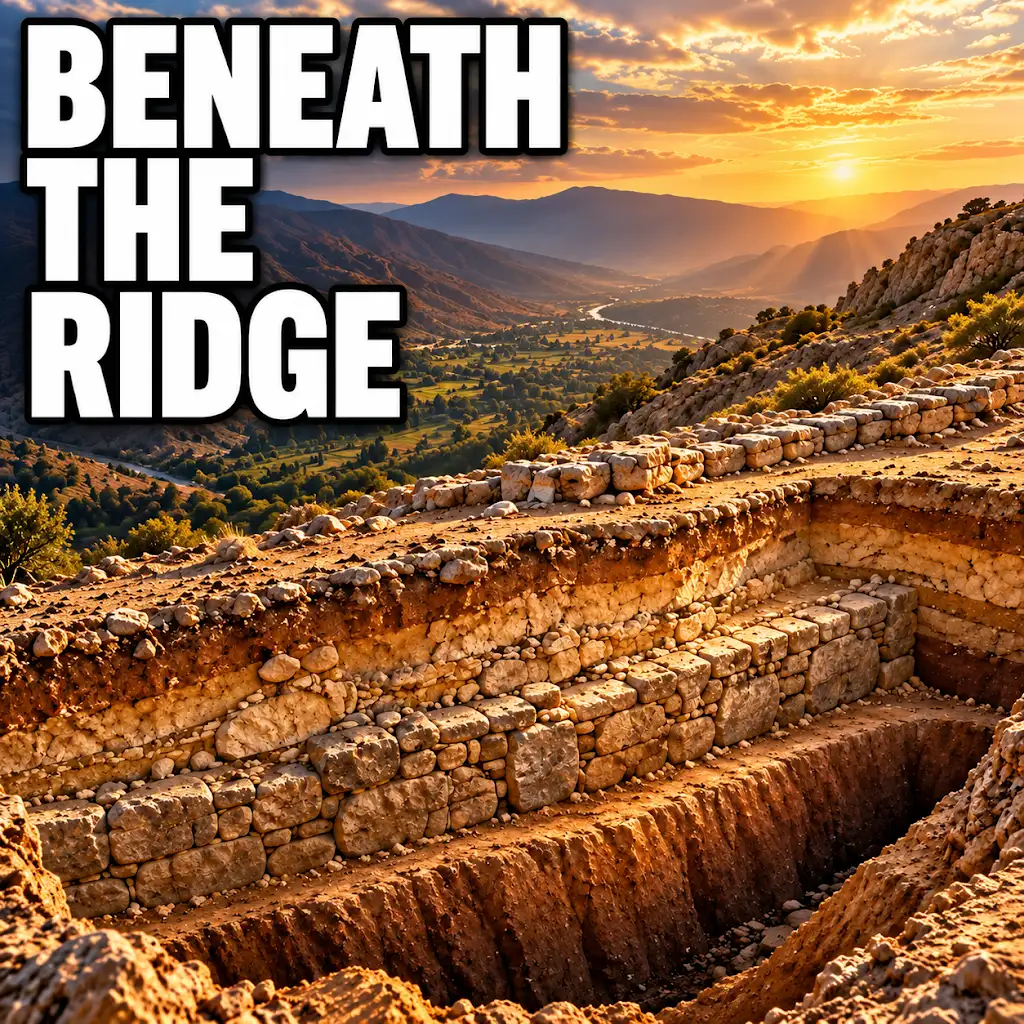
They Found a 4,000-Year-Old Defense Line in Morocco
FAQs
1. When was the Oued Beht 2010 to 1747 BC wall constructed?
The Oued Beht wall was constructed between the years 2010 BC and 1747 BC.
2. What is the significance of the Oued Beht wall?
The Oued Beht wall is significant as it served as a defensive structure to protect the ancient settlement from external threats.
3. How long is the Oued Beht wall?
The Oued Beht wall is approximately 2 kilometers long, showcasing the extensive effort put into its construction.
4. Who built the Oued Beht wall?
The Oued Beht wall was built by the inhabitants of the ancient settlement, demonstrating their engineering skills and strategic planning.
5. What materials were used in the construction of the Oued Beht wall?
The Oued Beht wall was constructed using local stones and mud bricks, showcasing the resourcefulness of the builders with the materials available to them at that time.