Unearthing the Secrets of Oued Beht’s Bell-Shaped Pits
The arid landscapes of Morocco, particularly those along the Oued Beht river valley, have long held whispers of ancient human ingenuity. Archaeological investigations in this region have begun to unveil a remarkable form of prehistoric innovation: the Oued Beht bell-shaped storage pits. These subterranean structures, dating back thousands of years, offer a fascinating glimpse into the resourcefulness and organizational capabilities of early North African communities. More than just simple holes in the ground, these pits represent a sophisticated adaptation to the challenges of food security and long-term storage in a challenging environment. Their unique design, coupled with their widespread distribution, suggests a shared knowledge and cultural practice that transcended individual settlements. As excavations continue and analytical techniques advance, the Oued Beht bell-shaped pits are poised to revolutionize our understanding of early agrarian societies in the Maghreb.
The significance of these pits extends beyond their immediate function of storage. They speak to a deep understanding of local geology, materials science, and even basic principles of thermoregulation. The very shape of the pits, tapering downwards and widening at the base, is not accidental. This design inherently provides a stable environment, protecting stored goods from temperature fluctuations and pests, a crucial advantage in a region subject to extremes of heat and cold. The meticulous construction and the evidence of their reuse over generations further underscore the importance these communities placed on these subterranean granaries. Examining the contents, or lack thereof, within these pits, alongside associated artifacts, provides crucial clues about the diet, agricultural practices, and social organization of the people who created them. The Oued Beht bell-shaped storage pits are, therefore, not merely archaeological curiosities but vital windows into a forgotten past.
The Oued Beht bell-shaped storage pits are a fascinating aspect of ancient agricultural practices, showcasing the innovative methods used by early civilizations to manage resources. For a deeper understanding of the historical context surrounding such archaeological findings, you might find it insightful to read the article on the geopolitical challenges and opportunities in the Middle East, which discusses how historical developments have shaped the region’s current landscape. You can access the article here: Navigating Middle East Geopolitics: Challenges and Opportunities.
The Archaeology of Oued Beht: Unearthing a Prehistoric Landscape
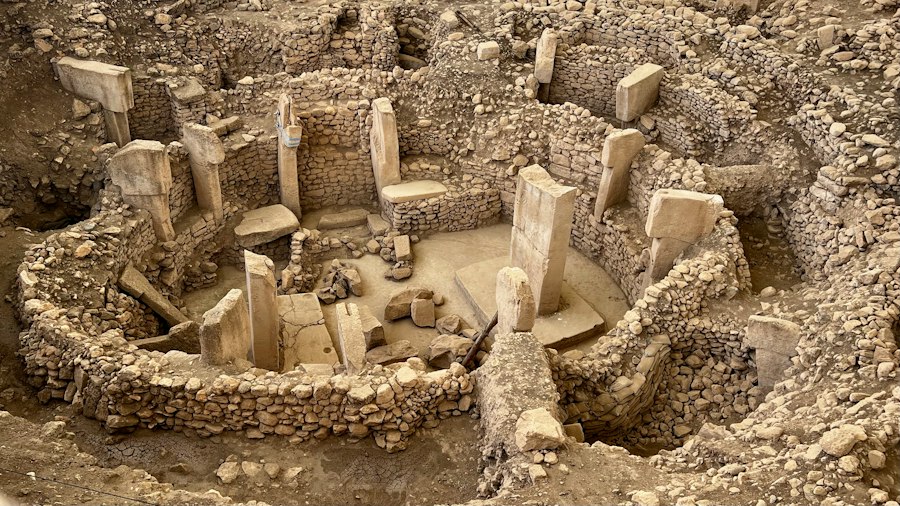
The archaeological narrative of the Oued Beht region is one of slow, persistent revelation. For decades, scattered surface finds hinted at the presence of early human activity, but it was through systematic surveys and targeted excavations that the true richness of the prehistoric landscape began to emerge. The Oued Beht, a seasonal river, has historically served as a lifeline, attracting human settlement due to its access to water and fertile alluvial deposits. Early archaeologists in the region focused on identifying settlement patterns and dating key periods of occupation. However, the distinctive bell-shaped pits, often partially obscured by erosion or centuries of sediment accumulation, remained a less understood feature for a considerable time. It was only with more advanced excavation techniques, employing meticulous stratigraphic recording and the use of geophysical survey methods in some areas, that the scale and complexity of these storage systems became apparent.
Early Explorations and the Dawn of Discovery
The initial forays into the archaeology of the Oued Beht were driven by a general interest in North African prehistory. Scholars like Henri Lhote and others conducted extensive surveys across the Moroccan landscape, documenting rock art, megalithic structures, and surface scatters of lithic artifacts. While these early efforts laid the groundwork for future research, the specific focus on subterranean features like storage pits was less pronounced. The focus was often on more visible, monumental evidence of past human presence. The notion of complex, hidden infrastructure like specialized storage facilities was not yet a primary area of investigation for many early researchers. However, the sheer volume of material found in certain areas, particularly stone tools and pottery shards, suggested sustained occupation and therefore a need for robust resource management strategies. The presence of these scattered artifacts, often clustered in specific locations along the river terraces, acted as breadcrumbs, leading subsequent generations of archaeologists to look for the underlying evidence of settlement infrastructure.
The Emergence of Bell-Shaped Pits in Research
The gradual recognition of the Oued Beht’s bell-shaped pits as a significant archaeological phenomenon is a testament to evolving research methodologies and a growing appreciation for the nuanced aspects of prehistoric life. As excavations became more detailed, particularly in the latter half of the 20th century and into the 21st, archaeologists began to systematically document and analyze these distinctive subterranean features. The characteristic profile of these pits – a constricted opening leading to a wider, bulbous base – became a recognizable hallmark of sites in the Oued Beht valley. Researchers started to correlate their presence with specific archaeological layers and artifact assemblages, allowing for their dating and contextualization within broader chronological frameworks. The realization that these were not random geological formations but deliberate human constructions capable of serving a vital function began to shape research priorities. This shift in focus allowed for a deeper understanding of the technological and social implications of these ancient storage systems.
The Architectural Ingenuity: Design and Construction of the Pits
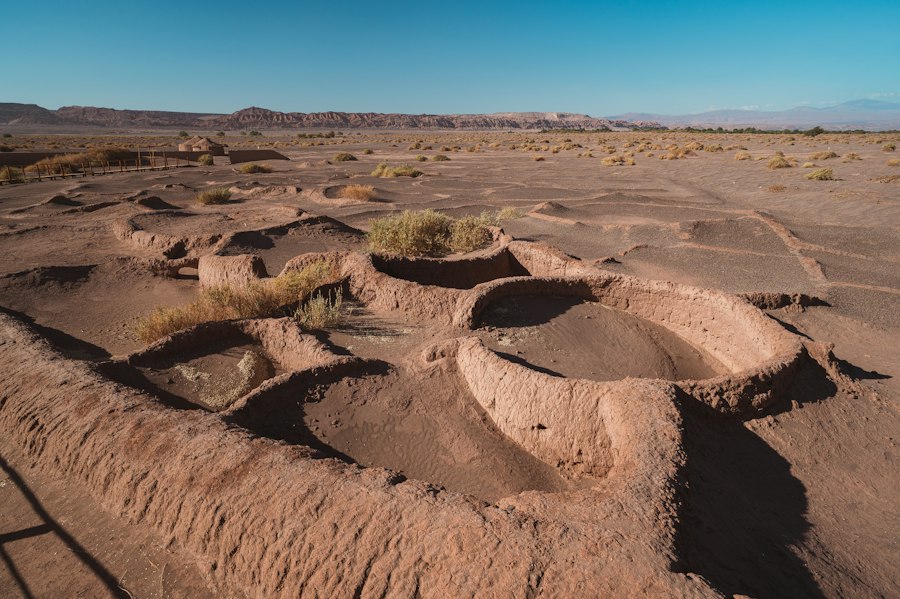
The Oued Beht bell-shaped storage pits are not merely crude excavations; they represent a deliberate and ingenious application of engineering principles by their creators. The very form of these pits is intrinsically linked to their function, demonstrating an understanding of physics and material properties that allowed for efficient and effective long-term storage of vital resources. The choice of location, the method of excavation, and the potential for lining or reinforcing these structures all speak to a sophisticated level of planning and execution. The “bell” shape itself is the most striking feature, and its purpose is multifaceted, offering advantages in stability, accessibility, and preservation. Analyzing the construction techniques provides insights into the tools available to these ancient communities and their ability to adapt them for large-scale earthmoving and structural development.
The Signature Bell Shape: Form Follows Function
The defining characteristic of these storage pits is their inverted bell-like profile. The opening at the surface is typically narrow, often only a meter or so in diameter, allowing for easier covering and protection. From this constricted neck, the pit expands downwards, reaching a maximum diameter at its base, which can be significantly wider than the opening. This widening at the bottom serves several crucial purposes. Firstly, it creates a larger volume of storage space within the pit than a simple cylindrical excavation of the same depth and surface opening would allow. Secondly, the wider base provides greater stability to the pit walls, reducing the risk of collapse, especially in the often unconsolidated soils found in river valleys. The tapering shape also helps to create a more stable internal microclimate. The narrower opening minimizes the exchange of air with the outside environment, while the larger volume at the base can buffer temperature fluctuations. This natural insulation would have been vital for preserving perishable goods like grains, seeds, and possibly dried fruits or vegetables, protecting them from spoilage due to heat, cold, and humidity.
Excavation Techniques and Material Management
The creation of these bell-shaped pits would have required significant labor and a coordinated effort. Archaeological evidence suggests that the pits were dug directly into the soil, likely using sharpened wooden or bone tools, and possibly stone implements for breaking up harder layers. The excavated soil would have been removed and likely used to create mounds around the pit openings, which could have served as additional insulation or as a way to mark the location of the stored resources. In some instances, the pit walls may have been smoothed or even plastered with clay to create a more impermeable surface, further enhancing their protective qualities. The selection of pit locations would also have been strategic, likely choosing areas with well-drained soil and away from the immediate flood plains of the Oued Beht to avoid inundation. The careful consideration given to excavation, material removal, and potentially even wall treatment highlights the advanced understanding of environmental factors and engineering principles possessed by these ancient peoples. The sheer scale of effort involved in digging multiple such pits within a settlement area points towards a well-organized society with specialized roles for labor.
The Contents and Context: What Was Stored and Why?
The primary purpose of the Oued Beht bell-shaped storage pits was undoubtedly the safeguarding of essential resources for the community. While the direct evidence of stored contents is often ephemeral, the archaeological context surrounding these pits, coupled with comparative ethnographic and experimental data, allows for educated inferences about their function. The nature of what was stored would have been dictated by the agricultural practices, hunting, and gathering strategies of the time. Understanding these potential contents is key to appreciating the economic and social significance of these subterranean structures. The presence or absence of certain artifacts within or around the pits can also provide vital clues about how they were used and maintained.
Grains, Seeds, and the Foundations of Subsistence
The most probable primary contents of the Oued Beht bell-shaped storage pits were agricultural products, particularly grains and seeds. Archaeological evidence from across North Africa and the wider Mediterranean region indicates that cereal cultivation, such as wheat and barley, was a cornerstone of early agrarian economies. The Oued Beht valley, with its alluvial soils, would have been conducive to such farming. Storing harvested grains in these pits would have provided a crucial buffer against periods of scarcity, such as between harvests, during droughts, or in times of crop failure. The protected environment of the pits would have helped to prevent spoilage from pests like rodents and insects, as well as from moisture and extreme temperatures, ensuring a more reliable food supply throughout the year. Beyond grains, other plant-based resources like legumes, nuts, and seeds from wild plants that were gathered and stored would also have been potential occupants of these subterranean granaries. The careful curation of these seeds was vital for future planting seasons.
Beyond Agriculture: Other Potential Stored Goods
While grains likely formed the bulk of what was stored, the bell-shaped pits may have also served for the preservation of other valuable commodities. Evidence from similar prehistoric storage systems suggests that dried fruits, vegetables, and even roots could have been stored in these cool, dry environments. The Oued Beht region, with its diverse flora, would have offered a variety of edible plants that could be preserved through drying for later consumption. Furthermore, the pits might have been used for storing more specialized items. For instance, if certain materials were scarce or required protection from the elements, such as precious tools, processed animal hides, or even ritualistic objects, they might have found a temporary or long-term home within these secure subterranean spaces. The presence of ash or charcoal within some pits could indicate that they were also used for storing fuel, or perhaps as a means of pest deterrence through the deposition of smoky materials. The adaptable nature of the pits likely meant they served multiple purposes within the community’s resource management strategies.
Archaeological Evidence and Interpretations
The archaeological interpretation of the Oued Beht bell-shaped pits relies heavily on the associated finds. Often, the pits are found within or adjacent to settlement areas, indicated by hearths, dwellings, and a concentration of pottery, lithic tools, and animal bones. Residue analysis of the pit walls, although challenging due to the passage of time, can sometimes reveal traces of stored organic materials, such as phytoliths (microscopic silica structures from plants) or starch grains. The presence of specific types of pottery, often characterized by storage vessels, found in proximity to the pits, further reinforces their role in food management. The careful excavation of these sites has also revealed evidence of how the pits were sealed, sometimes with layers of packed earth, stones, or even wooden lids, underscoring the importance of protecting their contents. The density of these pits within certain areas suggests a communal approach to storage, perhaps indicating shared resource management or communal granaries, rather than purely individual family stores. This communal aspect is a significant insight into the social organization of these prehistoric communities.
The study of Oued Beht bell-shaped storage pits offers fascinating insights into ancient agricultural practices and storage techniques. These pits, which were used to preserve grains and other foodstuffs, reflect the ingenuity of early societies in managing their resources. For those interested in the broader context of ancient civilizations and their navigational skills, a related article explores how ancient mariners skillfully navigated the seas using unique wayfinding methods. You can read more about this intriguing topic in the article navigating the seas.
The Social and Economic Significance: A Pillar of Prehistoric Life
| Metric | Value | Unit | Description |
|---|---|---|---|
| Location | Oued Beht | – | Geographical site of the storage pits |
| Shape | Bell-shaped | – | Design characteristic of the storage pits |
| Average Depth | 2.5 | meters | Typical depth of the storage pits |
| Average Diameter (Top) | 1.8 | meters | Diameter at the opening of the pit |
| Average Diameter (Bottom) | 0.8 | meters | Diameter at the base of the pit |
| Volume Capacity | 2.5 | cubic meters | Estimated storage volume of each pit |
| Material | Earth and stone | – | Primary construction materials |
| Estimated Age | Neolithic period | – | Approximate time period of use |
| Primary Use | Grain storage | – | Function of the storage pits |
The Oued Beht bell-shaped storage pits were far more than mere utilitarian features; they were integral to the social and economic fabric of the communities that constructed them. Their existence implies a level of social organization, labor coordination, and long-term planning that speaks to the sophistication of these prehistoric societies. The ability to store surplus resources would have been a critical factor in ensuring survival, fostering population growth, and enabling specialized activities beyond immediate subsistence. The very presence and maintenance of these pits would have had a profound impact on the daily lives and the broader societal structure of the Oued Beht inhabitants.
Food Security and Resilience in a Challenging Environment
The most immediate and profound impact of the bell-shaped storage pits was the enhancement of food security. In an environment subject to unpredictable rainfall and potential droughts, the ability to store surplus food from abundant seasons provided a crucial safety net. This resilience against environmental fluctuations would have significantly reduced the risk of famine and starvation, allowing communities to thrive rather than merely survive. Reliable access to stored food would have also provided the stability necessary for population growth. Families could support more children, and the overall population size could increase without being constantly constrained by immediate food availability. This enhanced food security allowed for a more predictable and sustainable lifestyle, freeing up time and energy for other activities.
Fostering Specialization and Social Stratification
The presence of surplus food, secured through effective storage, is a fundamental prerequisite for the development of specialized roles within a society. When basic subsistence needs are reliably met, individuals can dedicate their time and skills to pursuits other than immediate food acquisition. This could lead to the emergence of craftspeople, toolmakers, ritual specialists, and leaders. The Oued Beht bell-shaped pits, by enabling the accumulation of surplus, would have directly facilitated this process of specialization. This, in turn, could have contributed to the development of social stratification. Individuals or groups who controlled or managed the storage systems, or who produced the surplus food, might have gained social prestige or economic power, leading to a more complex social hierarchy. The labor required to construct and maintain these pits would also have necessitated a degree of organization and possibly the emergence of individuals or groups responsible for directing and executing such large-scale projects.
Communal Effort and Social Cohesion
The construction and management of numerous storage pits within a settlement area would almost certainly have involved significant communal effort. This collaborative undertaking would have fostered social cohesion and strengthened interdependencies within the community. Working together towards a common goal, such as ensuring the collective food supply, would have reinforced social bonds and a sense of shared identity. The careful planning and coordinated labor required to dig, maintain, and access these pits suggest a level of social organization and cooperation that went beyond individual households. The shared responsibility for these vital resources could have played a crucial role in the stability and functioning of these prehistoric societies, fostering a sense of collective well-being and mutual reliance. The careful curation and distribution of stored goods would have been a critical aspect of social interaction and resource management, potentially forming the basis of communal feasting or the provision of aid to those in need.
The study of Oued Beht bell-shaped storage pits offers intriguing insights into ancient agricultural practices and landscape management. These pits, which are believed to have been used for storing grains, reflect the sophisticated methods employed by past civilizations to adapt to their environment. For a deeper understanding of how such historical practices relate to modern geological changes, you might find it interesting to explore the article on isostatic rebound and Antarctic topography, which discusses how shifting landscapes can impact our understanding of ancient human activities. You can read more about it here.
Future Research and Unanswered Questions
Despite the significant advances in understanding the Oued Beht bell-shaped storage pits, many questions remain, offering fertile ground for future archaeological research. The ongoing exploration of the Oued Beht valley and the application of new analytical techniques promise to shed further light on the nuances of these ancient structures and the societies that created them. From refining dating methods to exploring the full range of their uses and the social implications, the potential for new discoveries is immense. The Oued Beht pits are not static artifacts; they are dynamic sources of information that continue to yield insights as our scientific capabilities evolve.
Refining Chronology and Dating Techniques
While considerable progress has been made in dating the Oued Beht bell-shaped storage pits, further refinement of their chronological framework is a key area for future research. Radiocarbon dating of organic residues found within the pits, or of associated artifacts, can provide more precise age estimates. Advanced techniques such as optically stimulated luminescence (OSL) dating of sediments directly associated with the pit construction or infill can offer complementary dating information, especially in cases where organic material is scarce. Establishing a more granular chronology will allow researchers to better understand the duration of use of these pits, whether they were contemporaneous across different sites, and if their construction and use evolved over time. This more precise dating will also aid in correlating the pit phases with broader regional and continental prehistory, providing a richer context for their development and decline.
Exploring the Full Spectrum of Uses and Contents
While grains and seeds are considered the primary contents, future research should aim to explore the full spectrum of what may have been stored in these pits. Advanced analytical techniques, such as lipid residue analysis and DNA analysis, applied to sediment samples from the pits, could potentially identify a wider range of organic materials, including animal products, plant fibers, or even processed goods. Investigating whether the pits were used for storing non-food items, such as tools, raw materials, or even ritual objects, is another avenue for exploration. Experimental archaeology, involving the reconstruction and use of replica pits, could also provide valuable insights into the effectiveness of different storage strategies and the preservation potential of various materials within such structures. Understanding the full range of their function will paint a more complete picture of their importance in the daily lives of these ancient communities.
Comparative Studies and Wider Implications
Comparing the Oued Beht bell-shaped storage pits with similar features found in other regions of North Africa and the Mediterranean is crucial for understanding broader patterns of innovation and adaptation. Such comparative studies can help to identify regional variations in design and construction, as well as common underlying principles. Understanding whether these pits represent a localized innovation or part of a wider cultural tradition can shed light on migration patterns, trade networks, and the diffusion of knowledge among prehistoric populations. Furthermore, continued research into the social and economic implications of these pits can contribute to our understanding of the transition to settled agricultural life, the development of complex societies, and the human capacity for innovation in response to environmental challenges across the globe. The Oued Beht pits, therefore, offer not just a local story, but potential chapters in a much larger human history.

They Found a 4,000-Year-Old Defense Line in Morocco
FAQs
What are Oued Beht bell shaped storage pits?
Oued Beht bell shaped storage pits are ancient underground structures found in the Sahara Desert, used by ancient civilizations to store food and water.
How were Oued Beht bell shaped storage pits constructed?
Oued Beht bell shaped storage pits were constructed by digging a deep hole in the ground, then lining the walls with stones or bricks to create a bell-shaped structure. A capstone was placed on top to seal the pit.
What was the purpose of Oued Beht bell shaped storage pits?
The purpose of Oued Beht bell shaped storage pits was to store food, water, and other supplies in a cool and dry environment, helping ancient civilizations to preserve their resources for longer periods of time.
Where are Oued Beht bell shaped storage pits typically found?
Oued Beht bell shaped storage pits are typically found in the Sahara Desert region, particularly in areas where ancient civilizations once thrived, such as present-day Algeria and Libya.
What is the significance of Oued Beht bell shaped storage pits in archaeology?
Oued Beht bell shaped storage pits are significant in archaeology as they provide insights into the storage practices and daily life of ancient civilizations in the Sahara Desert, shedding light on their resource management and adaptation to harsh desert environments.