Unearthing the Sands of Time: An Introduction to Oued Beht’s Stratigraphic Significance
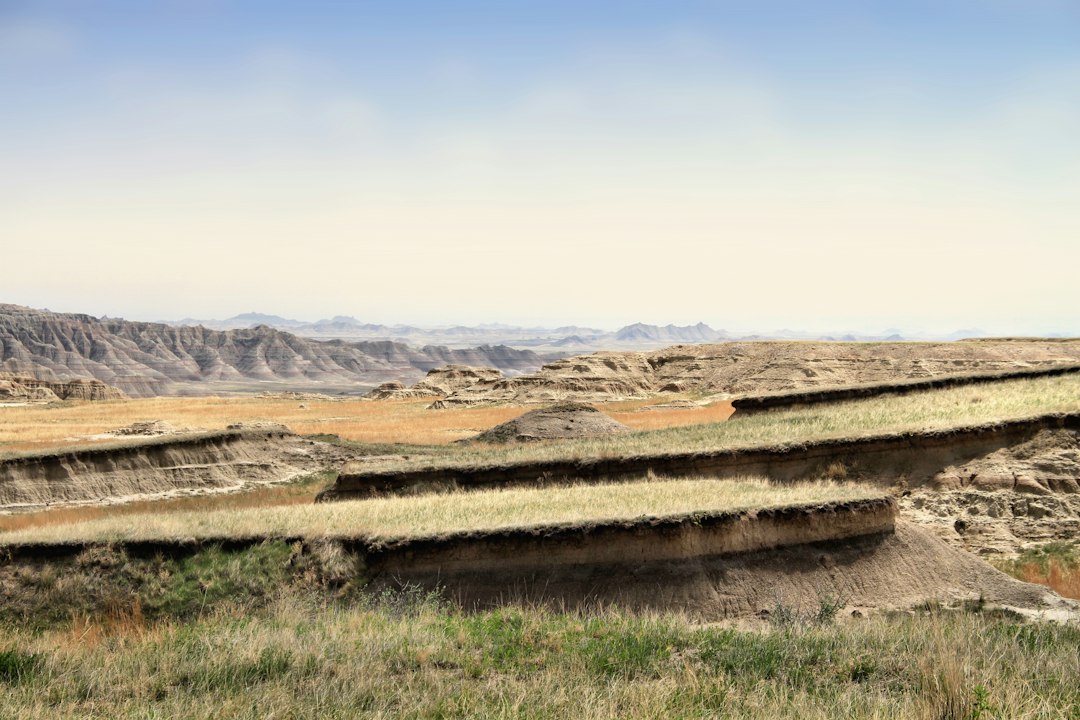
The Oued Beht, a seasonal riverbed snaking through the arid landscapes of Morocco, holds within its embrace a remarkable archive of human history. More than just a geological feature, its sedimentary layers are a testament to millennia of occupation, migration, and cultural evolution. Understanding the stratigraphy of Oued Beht is not merely an academic exercise; it is a crucial endeavor that unlocks a deeper comprehension of North Africa’s ancient past, offering insights into the lives of prehistoric peoples, their resource utilization, and their adaptation to changing environments. This article delves into the intricate stratigraphic record of Oued Beht, highlighting how the depositional processes, coupled with human activities, have sculpted these ancient archaeological layers into a narrative waiting to be deciphered. The intricate interplay of natural sedimentation and human impact creates a complex yet invaluable mosaic, where each stratum tells a story of a specific period, offering glimpses into the technological advancements, subsistence strategies, and social structures of the communities that once thrived along its banks. The very nature of an oued, with its periodic fluvial activity, contributes to the rapid burial of archaeological material, preserving it from the ravages of surface erosion and providing a relatively undisturbed sequence for study.
The exploration of Oued Beht’s stratigraphy is a meticulous process, demanding a multidisciplinary approach. Archaeologists, geologists, and paleoenvironmentalists collaborate to interpret the subtle clues embedded within the soil profiles. From the macroscopic features of large depositional units to the microscopic analysis of pollen grains and artifact inclusions, every detail contributes to reconstructing the past. The sheer depth of the stratigraphic sequence at Oued Beht suggests a long and continuous, or at least recurrent, period of human presence, spanning across significant technological and environmental shifts. This makes it a prime location for investigating long-term trends in human behavior and adaptation, particularly in the context of Saharan and Mediterranean interactions. The presence of distinct lithic industries, faunal remains, and hearth structures within different layers provides tangible evidence of human activity, while the surrounding geological matrix offers context for understanding the environmental conditions under which these activities took place. The relative dating of these layers, often achieved through radiocarbon dating of organic materials or by correlating distinct artifact assemblages with established chronologies, allows for the construction of a temporal framework, placing the archaeological discoveries within their proper historical context.
The Geological Framework: Natural Deposition and Oued Dynamics
The foundation of Oued Beht’s archaeological richness lies in its inherent geological processes. The oued itself, as a dynamic fluvial system, is the primary architect of its sedimentary landscape. Its seasonal floods, though infrequent, are powerful agents of deposition, carrying with them vast quantities of silt, sand, and gravel. These fluvial deposits create distinct layers that can encapsulate and preserve archaeological materials. Understanding the nature of these sedimentary units—their grain size, sorting, and composition—is paramount for distinguishing between natural depositional events and layers that have been disturbed by human activity. The arid climate also plays a crucial role, contributing to aeolian deposition (wind-blown dust and sand) that can interstratify with fluvial deposits, further complicating the stratigraphic picture but also offering distinct environmental markers. The interplay between water and wind-driven sedimentation creates a complex stratigraphy, where distinct depositional environments are recorded within the vertical profile.
The geomorphology of the Oued Beht valley also influences the depositional patterns. Wider sections of the valley might experience slower water flow, leading to finer sediment deposition, potentially preserving more delicate artifacts. Conversely, narrower or steeper sections could witness more rapid deposition of coarser materials. Analyzing the lateral continuity and variations of these sedimentary units across the valley provides crucial insights into past hydrological regimes and their impact on settlement patterns. The presence of erosional surfaces within the stratigraphy can indicate periods of reduced deposition or even deflation, signifying environmental instability or shifts in the oued’s course. These erosional discontinuities act as significant markers, separating distinct depositional episodes and, by extension, potential periods of human occupation.
Pedological Signatures: Soil Formation and Human Interaction
Beyond the gross sedimentary layers, the pedological characteristics of the soils within Oued Beht offer a finer level of detail. Soil formation processes, influenced by climate, parent material, and biological activity, create distinct horizons. The presence of organic matter, changes in color, and the development of soil structure can all provide clues about the duration of surface stability and the paleoenvironmental conditions. Crucially, human activities can significantly alter these soil profiles. The creation of hearths, midden deposits (accumulations of domestic waste), and the disturbance of soil for construction or agricultural purposes all leave discernible traces. Identifying these anthropogenic horizons within the natural soil profiles is a key challenge and a significant area of research. The chemical composition of the soil can also reveal traces of human presence, such as increased phosphate levels in areas of intense occupation or the presence of specific mineral residues from ancient technologies.
The formation of specific soil types within the Oued Beht region is intrinsically linked to the broader geomorphological and climatic context. For instance, alluvial soils would be prevalent close to the historical or current course of the oued, characterized by their fine texture and nutrient richness. Further away, more xeric soils, adapted to arid conditions, might dominate. The presence of specific soil horizons, such as argillic or cambic horizons, can indicate prolonged periods of soil development, suggesting stable periods of occupation or environmental conditions that allowed for these processes to occur. Conversely, the absence or truncation of such horizons might point to rapid burial events or periods of significant erosion. Archaeologists carefully document the color, texture, structure, and presence of carbonates or other pedogenic features within each soil layer, using this information to reconstruct the depositional history and identify signs of human modification. The interpretation of these pedological signatures, when combined with artifact analysis, allows for a nuanced understanding of how past populations interacted with and modified their environment.
The stratigraphy of Oued Beht has garnered significant attention in archaeological studies, particularly in understanding the region’s historical context and cultural evolution. For those interested in exploring related themes of conflict and its impact on archaeological sites, the article on the ongoing struggles in Sudan provides valuable insights. You can read more about this complex situation and its implications for heritage preservation in the article available here: Sudan Conflict: A Continuing Struggle for Peace.
Unpacking the Archaeological Layers: Evidence of Human Presence
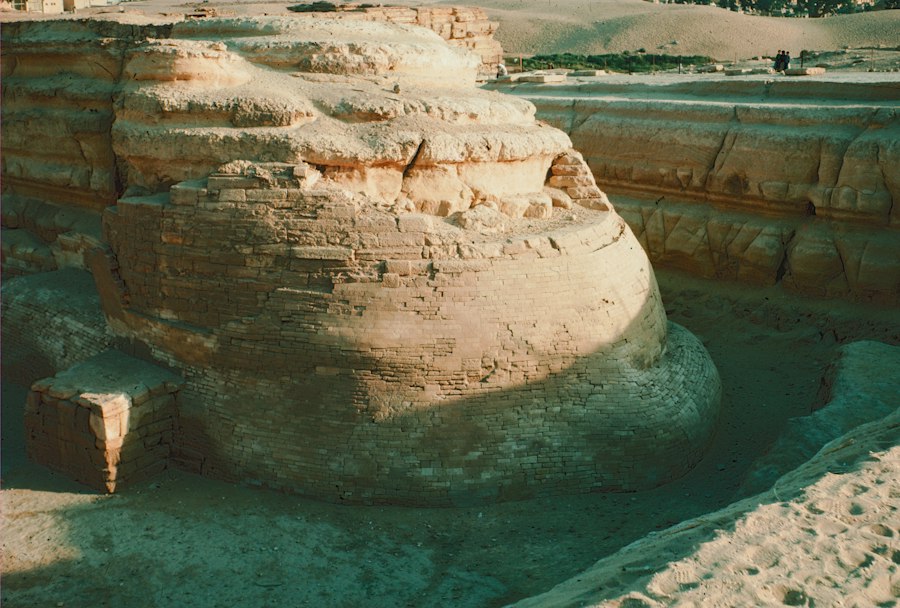
The primary objective of studying Oued Beht’s stratigraphy is to identify and interpret the archaeological materials embedded within. These materials act as direct markers of past human presence, providing tangible evidence of their lives, technologies, and behaviors. Artifacts, such as stone tools (lithics), pottery fragments, bone tools, and ornaments, are diagnostic of different cultural periods and technological stages. Their distribution within the stratigraphic sequence allows for the reconstruction of cultural chronologies and the tracking of technological change over time. Furthermore, the context in which these artifacts are found—whether in association with hearths, dwelling structures, or discard areas—provides crucial information about the activities that took place at specific sites. The meticulous recording of artifact types, quantities, and their precise stratigraphic location is fundamental to this interpretive process. The sheer volume and variety of artifacts recovered from Oued Beht often paint a vivid picture of diverse human activities, from subsistence practices to social rituals.
The presence of distinct lithic industries, characterized by specific tool types, manufacturing techniques, and raw material choices, is particularly informative. For example, the transition from Lower Paleolithic handaxes to Upper Paleolithic microliths, or the emergence of Neolithic polished stone tools, would be discernible within the stratigraphic layers. Similarly, the appearance and evolution of pottery styles, from simple undecorated wares to more sophisticated decorated ceramics, serve as chronological markers and indicators of cultural exchange and innovation. The careful excavation and documentation of these material remains, adhering to strict stratigraphic principles, are essential for building a reliable framework for understanding the human occupation of the Oued Beht region. The spatial distribution of artifacts within a given layer can also reveal activity areas, suggesting where certain tasks were performed, such as tool production, food processing, or ceremonial activities.
Lithic Assemblages: Tracing Technological Evolution
The stone tool industry is often the most robust and chronologically sensitive element of archaeological assemblages in arid environments like Oued Beht. The analysis of lithic artifacts, including cores, flakes, debitage, and finished tools, provides a detailed record of technological development and adaptation. Different periods are characterized by distinct toolkits and manufacturing traditions. For instance, Acheulean handaxes, characterized by their bifacial shaping and symmetry, would indicate a much earlier period of occupation than the finely crafted microliths of the Upper Paleolithic. The study of raw material sourcing for lithic production can also offer insights into trade networks and the extent of human mobility. The careful examination of flake scars, retouching patterns, and the overall morphology of tools allows archaeologists to classify them into established typologies and to potentially identify novel forms.
The presence of specific types of cores, such as Levallois cores, can also be indicative of particular technological traditions and the cognitive abilities of the toolmakers. The analysis of debitage, the waste material produced during the manufacturing process, can provide quantitative data on the intensity of tool production at a site and the preferred techniques employed. Furthermore, the study of wear patterns on lithic artifacts, often examined under microscopic magnification, can reveal their function, such as cutting, scraping, or piercing. The stratigraphic context of these lithic assemblages is paramount; the association of a particular tool type with a specific sediment layer, often dated by other means, allows for the chronological ordering of technological innovations and the mapping of their diffusion across the landscape. The Oued Beht stratigraphy, by preserving these lithic sequences, offers a unique opportunity to study the long-term trajectory of human technological ingenuity in this vital North African corridor.
Ceramic Traditions: Cultural Identity and Exchange
Where applicable, the study of pottery adds another crucial dimension to understanding the archaeological layers of Oued Beht. The development and dissemination of ceramic technologies are significant milestones in human history, often associated with settled lifestyles, agriculture, and increased social complexity. The presence of pottery in the stratigraphic record indicates a later period of occupation compared to sites yielding only lithic artifacts. Different cultures and time periods are frequently distinguished by unique ceramic styles, including variations in clay composition, tempering materials, manufacturing techniques (e.g., coil-building, pinch-pot methods), firing temperatures, and decorative motifs. The analysis of pottery fragments, or sherds, can therefore serve as a powerful chronological marker and a means of identifying distinct cultural groups and their interactions.
The study of Oued Beht’s ceramic stratigraphy, if such evidence is present, would involve meticulous classification of sherds based on fabric, form, and decoration. For example, a layer might yield simple, undecorated earthenware, characteristic of early Neolithic periods, while a deeper or stratigraphically later layer could reveal more elaborately decorated wares, perhaps with incised or painted patterns, indicating further cultural development or external influences. The presence of exotic ceramic types within a particular layer can also point to trade or cultural exchange with neighboring regions. Analyzing the distribution of pottery across different excavation units within a site can further illuminate domestic activities, storage practices, and potential social differentiation. When combined with radiocarbon dating of associated organic materials or thermoluminescence dating of the pottery itself, ceramic stratigraphy provides a robust framework for establishing chronologies and understanding the cultural dynamics of the ancient Oued Beht communities.
Paleoenvironmental Reconstruction: Adapting to a Changing Landscape
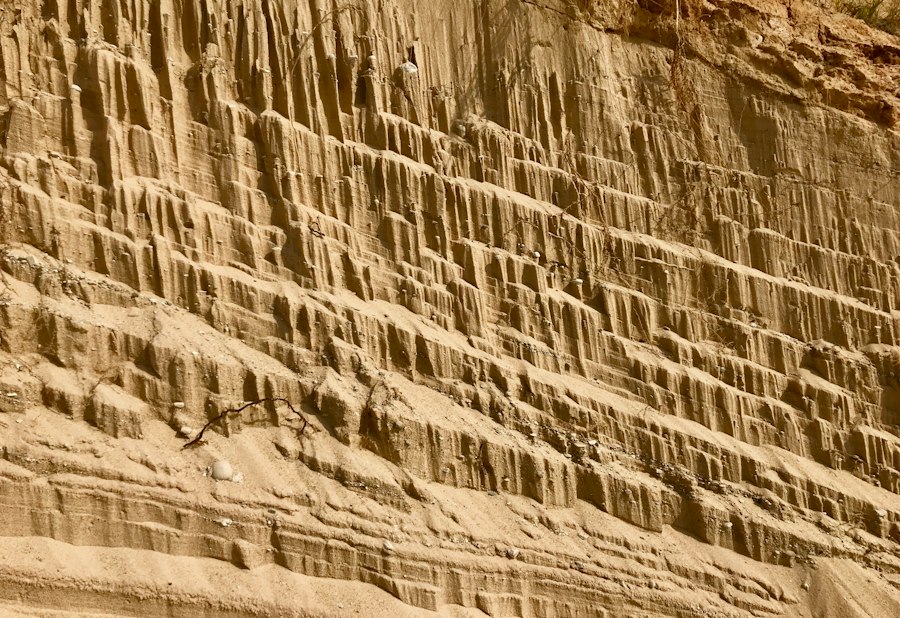
The sedimentary layers of Oued Beht are not solely repositories of human artifacts; they also contain invaluable information about the environmental conditions that prevailed during different periods of human occupation. By analyzing various environmental proxies preserved within the stratigraphy, archaeologists and paleoenvironmentalists can reconstruct past climates, vegetation patterns, and hydrological regimes. This information is crucial for understanding how ancient populations adapted to their surroundings, how they utilized available resources, and how environmental changes may have influenced their movements and societal development. The arid and semi-arid nature of the region means that even subtle shifts in rainfall patterns or the availability of water sources would have had a significant impact on human life.
The study of fossil pollen grains, for instance, trapped within fine-grained sediments, can reveal the types of plants that were growing in the vicinity of Oued Beht at different times. A dominance of grassland pollen might indicate a more mesic period, while an increase in xerophytic (drought-tolerant) plants would suggest drier conditions. Similarly, the analysis of faunal remains—bones of animals—can provide insights into the local ecosystem and the types of animals that were hunted or herded. Changes in the species composition of faunal assemblages over time can reflect shifts in climate and vegetation. The isotopic analysis of animal bones or fossilized shells can also provide information about past precipitation levels and the salinity of water sources.
Palynological Evidence: Plant Life and Climate Indicators
The microscopic world of pollen grains offers a remarkably detailed window into past vegetation and, by extension, past climate. As plants release pollen into the atmosphere, it can be carried by wind and water and eventually deposited in sedimentary environments. Within the Oued Beht’s stratigraphic sequence, preserved pollen grains act as direct indicators of the flora that existed at the time of deposition. Specialized palynologists extract these microscopic grains from sediment samples and identify them based on their characteristic shapes and surface sculpturing. A high concentration of tree pollen, for example, might suggest a more forested environment, while a prevalence of grasses and herbaceous plants would point towards more open landscapes.
Changes in pollen assemblages over time, as observed in different stratigraphic layers, can be interpreted as evidence of climatic shifts. An increase in pollen from drought-resistant species might signal a period of aridification, while a rise in pollens from moisture-loving plants could indicate increased rainfall. The presence of pollen from cultivated plants, such as cereals or legumes, would also provide direct evidence of agricultural practices. Furthermore, the analysis of non-pollen palynomorphs, such as fungal spores or charcoal particles, can offer additional clues about the environment. For instance, the presence of charcoal often signifies past fires, which can be natural or human-induced, and can provide insights into fire regimes and their impact on vegetation. The meticulous correlation of palynological data with other stratigraphic and archaeological evidence allows for the construction of robust paleoenvironmental reconstructions, offering crucial context for understanding human adaptations in the Oued Beht region.
Zooarchaeological Insights: Faunal Remains and Ecosystem Dynamics
The study of animal bones recovered from archaeological sites, known as zooarchaeology, provides a wealth of information about past human subsistence strategies, the composition of ancient ecosystems, and the impact of climate on animal populations. The Oued Beht’s stratigraphic layers often contain faunal remains, ranging from small rodent bones to large mammal skeletons, which have been preserved by the rapid burial processes. By identifying the species present, analyzing their age profiles (e.g., juvenile vs. adult), and examining butchery marks on the bones, archaeologists can reconstruct what animals were available in the environment and how humans interacted with them.
A faunal assemblage dominated by gazelles and wild ass might suggest a more open, savanna-like environment, while the presence of animals adapted to denser vegetation, such as wild pigs or certain species of deer, would indicate different ecological conditions. Changes in the relative abundance of different species across stratigraphic layers can thus serve as indicators of environmental change. For instance, a shift from grassland-dependent prey to more desert-adapted species could signal increasing aridity. Furthermore, the presence of domesticated animal bones, such as sheep, goats, or cattle, would indicate the transition to pastoralism or mixed farming economies. The analysis of butchery marks, evidence of marrow extraction, and the deliberate breaking of bones for access to nutritious content all reveal the technological skills and dietary practices of ancient peoples. When zooarchaeological data is integrated with stratigraphic information, it allows for the temporal ordering of these ecological and subsistence shifts, painting a dynamic picture of human-environment interactions within the Oued Beht region.
Chronological Frameworks: Dating the Past Layers
Establishing a precise chronological framework for the archaeological layers of Oued Beht is essential for understanding the sequence of human occupation, technological development, and environmental changes. The relative dating of layers, based on their stratigraphic position (deeper layers are generally older), is a fundamental starting point. However, absolute dating methods provide crucial numerical ages for these layers and the materials they contain, allowing for more accurate reconstructions of past events. The application of various dating techniques to samples from Oued Beht is critical for placing its archaeological record within the broader context of North African and global prehistory.
The presence of organic materials, such as charcoal from ancient hearths or bone fragments, makes radiocarbon dating a primary tool for establishing absolute ages. This technique measures the decay of the radioactive isotope carbon-14 to determine the time elapsed since an organism died. Other dating methods, such as thermoluminescence dating, can be applied to burnt flint artifacts or pottery to date the last time these materials were exposed to high temperatures. Optically stimulated luminescence (OSL) dating can be used to date the last time sediments were exposed to sunlight, providing ages for the depositional layers themselves. The consistent application and intercomparison of these dating methods are crucial for building a robust and reliable chronological framework for Oued Beht.
Radiocarbon Dating: Anchoring Key Periods
Radiocarbon dating, utilizing the decay of Carbon-14, is a cornerstone of chronological reconstruction for many archaeological sites, and Oued Beht is no exception. Samples of organic material, such as charcoal from ancient hearths, charred seeds, or bone collagen, are carefully collected from distinct stratigraphic layers. These samples are then sent to specialized laboratories for analysis. The principle behind radiocarbon dating is that living organisms absorb Carbon-14 from the atmosphere, and upon death, this isotope begins to decay at a known rate. By measuring the amount of remaining Carbon-14 in a sample, scientists can calculate how long ago the organism died, thereby providing an age for the archaeological context in which the sample was found.
The reliability of radiocarbon dates can be influenced by various factors, including contamination of the sample with older or younger carbon, and fluctuations in atmospheric Carbon-14 levels over time. Therefore, multiple samples from the same layer or from stratigraphically related layers are often dated to ensure accuracy and to establish a consistent chronology. When radiocarbon dates are obtained from multiple well-defined stratigraphic units within Oued Beht, they allow for the establishment of a chronological sequence, linking specific artifact assemblages and environmental indicators to particular time periods. This provides an invaluable framework for understanding the duration and tempo of human occupation, the timing of technological innovations, and the pace of environmental change within the region. The Oued Beht stratigraphy, when analyzed in conjunction with a robust radiocarbon chronology, can reveal the deep history of human presence, stretching back tens of thousands of years.
Luminescence Dating Techniques: Dating Sediments and Burnt Materials
Beyond radiocarbon dating, luminescence dating techniques offer complementary and often crucial methods for dating archaeological contexts within Oued Beht, particularly when suitable organic materials for radiocarbon analysis are scarce. Two prominent luminescence dating methods, thermoluminescence (TL) and optically stimulated luminescence (OSL), are particularly relevant. Thermoluminescence dating is primarily used for materials that have been heated to high temperatures, such as burnt flint artifacts or pottery sherds. When these materials are heated, the luminescence signal stored within their crystalline structure is reset. Over time, as they are buried and exposed to natural background radiation, a new luminescence signal accumulates. By measuring the amount of luminescence emitted when the sample is reheated in a laboratory, and knowing the environmental dose rate, an age for the burning event can be determined.
Optically stimulated luminescence (OSL) dating, on the other hand, is used to date sediments that have been exposed to sunlight. When sedimentary grains, such as quartz or feldspar, are buried, they accumulate trapped electrons due to natural radioactivity. This trapped charge can be released by exposure to light. In the laboratory, the sediment sample is exposed to a specific wavelength of light, and the resulting luminescence is measured. This measurement, combined with the environmental dose rate, allows for the calculation of the time elapsed since the sediment grains were last exposed to sunlight, effectively dating the depositional event. For Oued Beht’s stratigraphy, OSL dating can provide ages for the natural sedimentary layers themselves, even in the absence of human artifacts or organic matter. This can be invaluable for establishing the overall geological timeline of the oued and for understanding the periods of sediment accumulation and stability, providing a crucial background against which the archaeological evidence can be placed. The application of both TL and OSL dating to Oued Beht’s stratigraphy allows for a more comprehensive and accurate chronological understanding of its past.
Recent studies in Oued Beht stratigraphy have shed light on the archaeological significance of the region, revealing layers of human activity that date back thousands of years. These findings contribute to our understanding of ancient civilizations and their interactions with the environment. For those interested in geological processes and their implications for archaeology, a related article discusses seismic profiling in the Antarctic ice cap, which offers insights into climate change and its historical impact on human societies. You can read more about it in this fascinating article.
Implications for Understanding North African Prehistory
| Stratigraphic Layer | Approximate Age (Years BP) | Archaeological Findings | Material Culture | Significance |
|---|---|---|---|---|
| Layer 1 (Topsoil) | 0 – 500 | Modern artifacts, pottery shards | Contemporary ceramics, metal tools | Recent human activity and settlement |
| Layer 2 | 500 – 5,000 | Neolithic tools, animal bones | Polished stone tools, early pottery | Early agricultural communities |
| Layer 3 | 5,000 – 15,000 | Epipaleolithic lithic assemblages | Microlithic tools, bone implements | Hunter-gatherer groups adapting to climate change |
| Layer 4 (Basal) | 15,000 – 30,000 | Middle Paleolithic artifacts | Mousterian stone tools | Neanderthal occupation evidence |
The stratigraphic investigations at Oued Beht hold profound implications for our understanding of North African prehistory. The region’s location, bridging the Sahara, the Mediterranean, and Sub-Saharan Africa, has historically made it a crossroads for human migration, cultural exchange, and adaptation to diverse environmental pressures. The detailed stratigraphic record of Oued Beht provides a localized yet significant lens through which to examine these broader historical processes. By meticulously reconstructing the sequence of human occupation, technological advancements, and paleoenvironmental changes, researchers can shed light on the resilience and ingenuity of ancient populations in a dynamic and often challenging landscape.
The comparative analysis of Oued Beht’s stratigraphic sequences with those from other regions in North Africa can help identify patterns of innovation, diffusion of technologies, and shifts in settlement strategies. For instance, understanding when and how specific lithic industries or ceramic traditions appeared in Oued Beht can inform discussions about their origins and spread across the wider North African landscape. Furthermore, by correlating periods of significant environmental change with shifts in human behavior and settlement patterns, researchers can gain critical insights into the complex interplay between humans and their environment throughout prehistory. The Oued Beht stratigraphy, therefore, is not just a localized archaeological puzzle; it is a vital piece of a much larger mosaic that helps to illuminate the deep history of human presence and evolution in North Africa.
The long-term perspective offered by the stratigraphic record of Oued Beht allows for the investigation of macro-trends in human history. This includes tracing the transition from mobile hunter-gatherer lifestyles to more sedentary forms of existence, the development and spread of early agriculture, and the impact of climate change on human societies over millennia. The careful excavation and interpretation of these ancient archaeological layers provide tangible evidence that can challenge or refine existing hypotheses about human migration routes, cultural interactions, and the development of complex societies in the North African context. The Oued Beht region, with its rich and layered past, serves as an indispensable laboratory for unraveling these complex narratives, offering a unique opportunity to witness the unfolding story of human adaptation and innovation in a critical geographical nexus. Its stratigraphic significance lies not only in the artifacts it contains but also in its capacity to illuminate the deep connections between human endeavors and the ever-changing natural world.
They Found a 4,000-Year-Old Defense Line in Morocco
FAQs
What is the significance of Oued Beht in stratigraphy archaeology?
Oued Beht is a key site for stratigraphy archaeology as it provides a unique opportunity to study the layers of sediment and artifacts that have accumulated over time, offering insights into the region’s history and cultural development.
What time period does the Oued Beht stratigraphy cover?
The Oued Beht stratigraphy covers a wide range of time periods, from the prehistoric era to more recent historical periods, allowing researchers to track changes in human activity and environmental conditions over thousands of years.
What types of artifacts have been discovered in the Oued Beht stratigraphy?
Artifacts discovered in the Oued Beht stratigraphy include tools, pottery, jewelry, and other objects that provide clues about the daily lives, technologies, and beliefs of the people who inhabited the region throughout history.
How does stratigraphy help archaeologists interpret the Oued Beht site?
Stratigraphy helps archaeologists interpret the Oued Beht site by allowing them to analyze the layers of sediment and artifacts in chronological order, reconstructing the sequence of events and cultural changes that occurred at the site over time.
What are some challenges faced by archaeologists working on the Oued Beht stratigraphy site?
Some challenges faced by archaeologists working on the Oued Beht stratigraphy site include preserving delicate artifacts, dealing with complex layering of sediment, and interpreting the significance of different cultural materials found in the excavation.