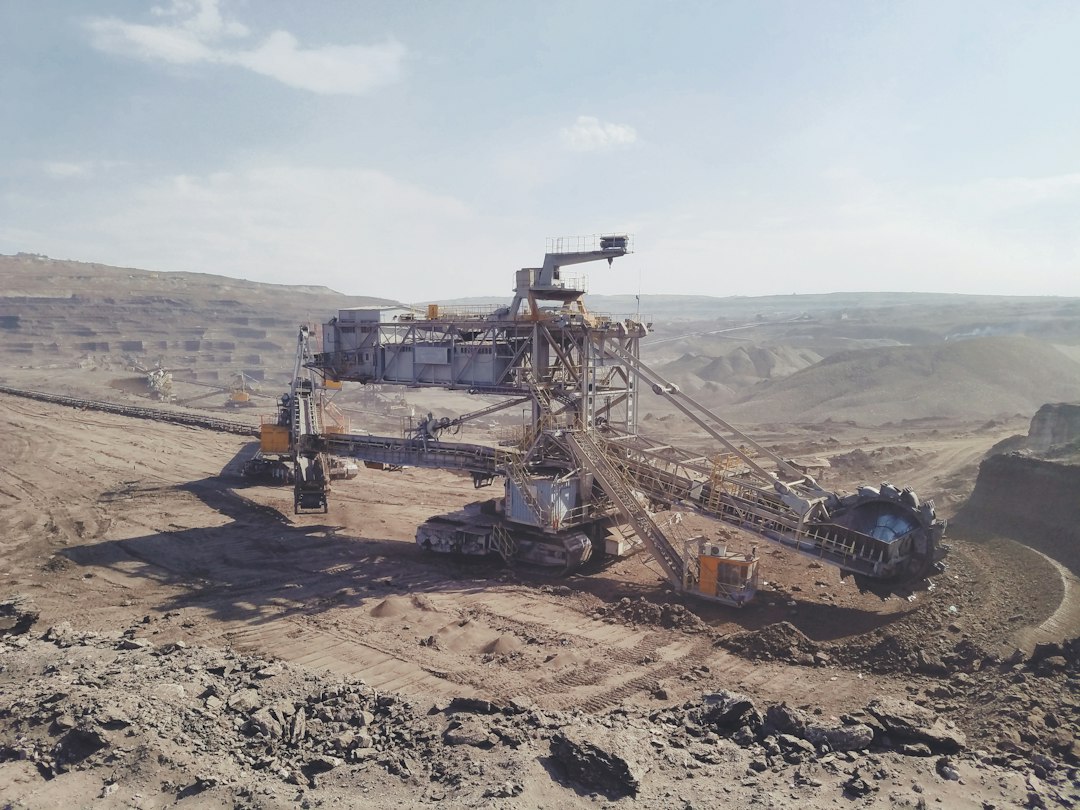
The relentless pursuit of knowledge and resources beneath the Earth’s crust presents a formidable array of engineering hurdles. Deep Earth drilling, a discipline pushing the boundaries of human ingenuity, grapples with conditions that can best be described as extreme. From the immense pressures and searing temperatures to the unpredictable geological formations and the sheer logistical complexities, venturing deep underground is an endeavor fraught with challenges that demand constant innovation and unwavering resilience.
The deeper one drills, the more hostile the environment becomes. The Earth’s interior is a furnace, and the colossal weight of the overlying rock generates pressures that can crush conventional drilling equipment with ease. These are not mere inconveniences; they are fundamental thermodynamic and mechanical barriers that dictate the very design and operation of drilling systems.
The Crushing Embrace: Understanding Hydrostatic and Lithostatic Pressure
As boreholes penetrate deeper, the surrounding rock exerts increasing hydrostatic and lithostatic pressure. Hydrostatic pressure is the pressure exerted by the fluid within the pores of the rock, while lithostatic pressure is the direct weight of the overlying rock mass. These pressures can exceed tens or even hundreds of megapascals, far beyond the structural integrity of most materials at the surface. Imagine a skyscraper being squeezed from all sides by an unseen force; this is the reality faced by drill bits and casings.
Mitigating the Squeeze: Advanced Casing Design and Cementation
To combat these immense forces, engineers employ sophisticated casing designs. Steel casings, often made from high-strength alloys, are cemented into the borehole to provide structural support and prevent the wellbore from collapsing. The cement itself plays a crucial role, not only in reinforcing the casing but also in sealing off different geological zones, preventing the ingress of unwanted fluids and maintaining wellbore stability. The precise composition and placement of cement are critical, requiring careful consideration of temperature, pressure, and the chemical properties of the surrounding rock. Specialized cementing techniques, such as dual-string cementing, are employed in extreme environments to ensure a robust and reliable seal.
The Inferno Below: Confronting Extreme Temperatures
Temperatures increase significantly with depth, a phenomenon known as the geothermal gradient. In some regions, this gradient can be as high as 40°C per kilometer, meaning that at depths of several kilometers, temperatures can easily surpass 200°C, and in some ultra-deep drilling projects, can even reach several hundred degrees Celsius. These temperatures pose a severe threat to the materials used in drilling equipment, leading to thermal expansion, reduced mechanical strength, and accelerated degradation of lubricants and seals.
Cooling the Core: Advanced Drilling Fluids and Heat-Resistant Materials
To manage these scorching temperatures, advanced drilling fluids are developed. These fluids not only lubricate and cool the drill bit but also transport cuttings to the surface. They are engineered to withstand high temperatures without degrading, maintaining their viscosity and rheological properties. Furthermore, the selection of materials for drill bits, drill pipe, and other downhole components is paramount. High-temperature alloys, ceramics, and specialized composites are utilized to ensure that equipment can function reliably under these extreme thermal conditions. Even downhole electronics and sensors require specialized shielding and cooling systems to survive.
Deep Earth drilling presents a myriad of engineering challenges, from extreme temperatures and pressures to the need for advanced materials and technologies. A related article that explores the complexities of resource extraction and the innovative strategies nations are employing in their quest for new frontiers is available at this link: The New Space Race: Nations’ Moon Grab Tactics. This piece delves into how the lessons learned from deep Earth drilling can inform approaches to lunar exploration and resource utilization.
The Unpredictable Canvas: Geological Complexities and Formation Instability
The Earth’s crust is not a uniform blanket; it is a dynamic and heterogeneous mosaic of rock types, fault lines, and fluid-filled pore spaces. These geological complexities present a moving target for drillers, introducing a host of unpredictable challenges.
Shifting Sands and Unstable Walls: Formation Instability Issues
One of the most persistent challenges is formation instability. This can manifest as borehole collapse, where the walls of the borehole cave in, or as washouts, where softer rock formations erode rapidly. These events can lead to stuck pipe, lost circulation (where drilling fluid escapes into the formation), and significant delays, increasing operational costs and posing safety risks. The presence of reactive clays, fractured rock masses, and zones of high pore pressure can all contribute to instability.
Mapping the Depths: Advanced Logging and Real-time Monitoring
To address formation instability, engineers rely on sophisticated geological surveying and real-time monitoring. Seismic surveys and resistivity logs provide valuable insights into the subsurface structure before drilling commences. During drilling, logging tools are deployed to measure rock properties, pore pressure, and stress conditions. This data is analyzed in real-time, allowing for adjustments to drilling parameters, such as mud weight and rate of penetration, to maintain borehole stability. Advanced drilling techniques, like managed pressure drilling (MPD), actively control the pressure within the wellbore, creating a more stable environment.
The Unwelcome Guests: Navigating High-Pressure, High-Temperature (HPHT) Zones
Certain geological formations are characterized by exceptionally high pressures and temperatures, often referred to as High-Pressure, High-Temperature (HPHT) zones. These environments are particularly hazardous due to the potential for uncontrolled blowouts – the sudden, rapid influx of oil and gas from the formation into the wellbore. Blowouts are catastrophic events that can lead to significant environmental damage, loss of life, and immense financial losses.
Safeguarding the Well: Robust Blowout Preventers and Well Control Strategies
The primary defense against blowouts is the deployment of robust blowout preventers (BOPs). These are massive, complex mechanical devices installed on the wellhead, capable of sealing off the wellbore in the event of an uncontrolled flow. They are designed to withstand extreme pressures and are rigorously tested and maintained. Furthermore, comprehensive well control strategies are implemented. These involve carefully calculating the required mud weight to balance formation pressures, continuously monitoring well parameters, and having trained personnel ready to respond to any signs of impending trouble. The development of advanced control systems and fail-safe mechanisms for BOPs is an ongoing area of research and development.
The Mechanical Menace: Equipment Reliability and Downhole Tool Performance
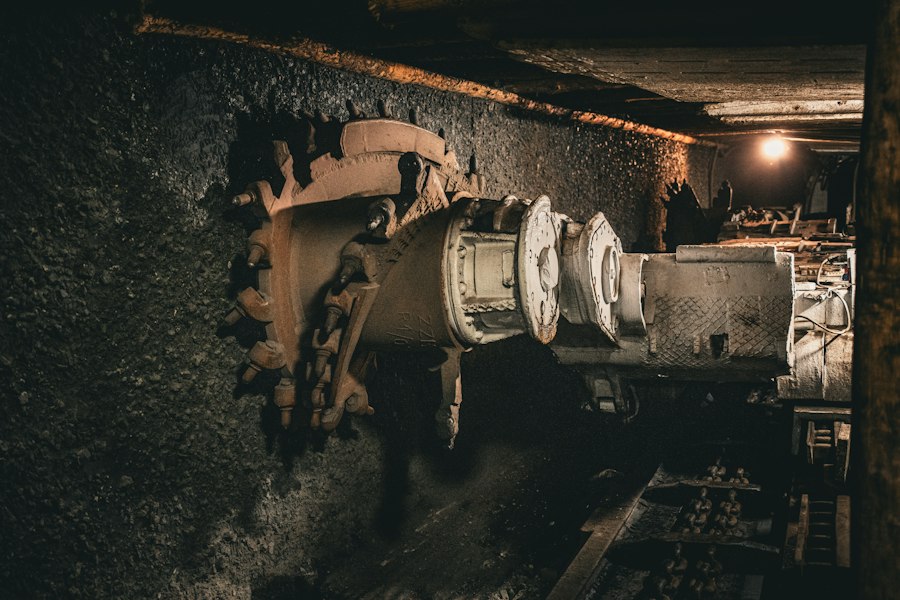
The harsh conditions encountered in deep Earth drilling place immense stress on drilling equipment. The constant vibration, abrasive wear, and extreme temperatures can lead to premature failure of even the most robust components. Ensuring the reliability and optimal performance of downhole tools is a constant battle.
The Grind and Grit: Abrasion and Wear on Drill Bits and Tools
Drill bits, the cutting tools at the end of the drill string, are subjected to extreme abrasion from hard rock formations. Over time, the cutting elements on the bit wear down, reducing drilling efficiency and requiring frequent trips to replace the bit. Similarly, drill pipe, pumps, and other circulating components are constantly exposed to abrasive drilling fluids and rock cuttings.
Sharpening the Edge: Advanced Bit Technology and Wear-Resistant Materials
Significant advancements have been made in drill bit technology to combat abrasion. Diamond-impregnated bits, roller cone bits with advanced cutting structures, and specialized coatings are employed to enhance wear resistance and extend bit life. For drill pipe and other components, the use of high-strength steels and wear-resistant alloys, coupled with specialized coatings, helps to mitigate the effects of abrasion. Regular inspection and maintenance of all downhole equipment are critical to identifying and addressing wear before it leads to catastrophic failure.
The Heat of Battle: Thermal Degradation of Lubricants and Seals
High temperatures can severely degrade lubricants and seals, leading to increased friction, potential equipment seizure, and leakage. Traditional lubricants can break down at elevated temperatures, losing their viscosity and lubricating properties. Rubber seals can become brittle or melt, compromising the integrity of the wellbore.
Sealing the Deal: High-Temperature Lubricants and Advanced Sealing Technologies
The development of specialized high-temperature lubricants, often synthetic or semi-synthetic formulations, is crucial for deep drilling operations. These lubricants are designed to maintain their performance characteristics at temperatures exceeding hundreds of degrees Celsius. Similarly, advanced sealing technologies are employed, utilizing materials like PEEK (polyether ether ketone) and specialized elastomers that can withstand extreme temperatures and pressures without degradation. The precise engineering of seal designs and the use of multiple redundant sealing systems provide an additional layer of protection.
The Logistical Labyrinth: Operations and Supply Chain Management
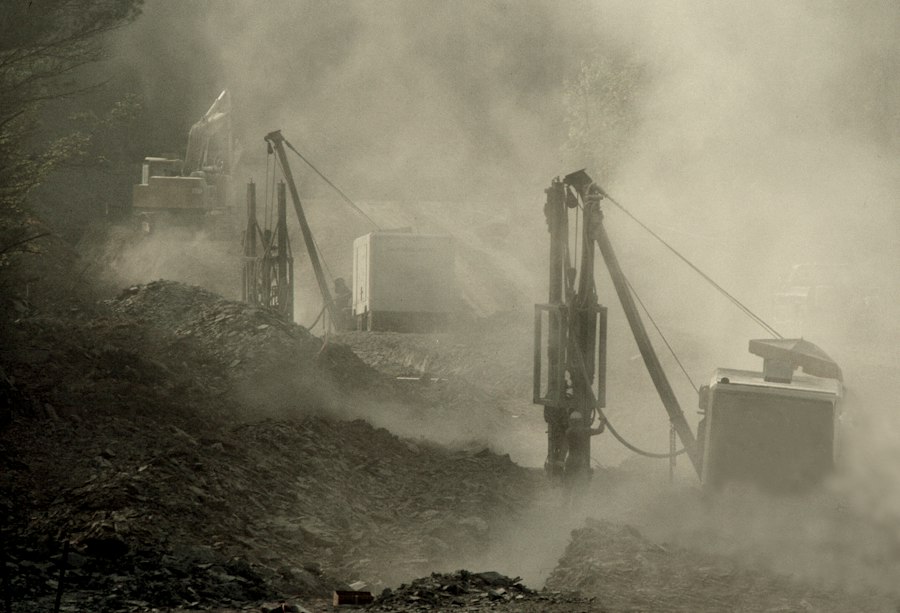
Deep Earth drilling is not just about the technical challenges of reaching the target depth; it is also a monumental logistical undertaking. Establishing and maintaining operations in remote or challenging locations, managing complex supply chains, and ensuring the safety and well-being of personnel all contribute to the difficulty of these projects.
Reaching the Remote: Site Access and Infrastructure Development
Many deep drilling projects are located in remote or geologically challenging terrains, such as offshore locations, deserts, or mountainous regions. Establishing access to these sites requires significant investment in infrastructure, including roads, helipads, and potentially pipelines for transporting materials and personnel. Building and maintaining this infrastructure in harsh environments adds significant complexity and cost to projects.
Bridging the Gaps: Innovative Transportation and Modular Construction
To overcome these challenges, companies employ innovative transportation solutions, including specialized offshore vessels, heavy-lift helicopters, and robust overland transport vehicles. Modular construction techniques are also increasingly used, where pre-fabricated components are assembled on-site, reducing the need for extensive on-site fabrication and minimizing logistical demands.
The Constant Flow: Supply Chain Resilience and Inventory Management
Deep drilling operations are highly dependent on a continuous and reliable supply of equipment, materials, and specialized personnel. The remoteness of many sites, coupled with the potential for unforeseen operational issues, can disrupt supply chains. Ensuring the resilience of these chains and maintaining adequate inventory levels are critical to avoiding costly downtime.
Ensuring the Flow: Strategic Sourcing and Contingency Planning
Strategic sourcing from multiple suppliers and establishing robust relationships with logistics providers are essential for supply chain resilience. Comprehensive contingency plans are developed to address potential disruptions, including identifying alternative suppliers, securing backup transportation options, and maintaining strategic stockpiles of critical components. Advanced inventory management systems and real-time tracking of supplies further enhance operational efficiency.
Deep Earth drilling presents numerous engineering challenges, from extreme temperatures and pressures to the need for advanced materials and technologies. These obstacles require innovative solutions and a thorough understanding of geophysical conditions. For a broader perspective on the implications of government-controlled assets in relation to scientific exploration, you can read a related article that discusses the complexities of resource management and technological advancements in various fields. This article can be found here.
Pushing the Envelope: Innovation and the Future of Deep Earth Drilling
| Engineering Challenge | Description | Impact on Drilling | Mitigation Strategies |
|---|---|---|---|
| Extreme Temperature | Temperatures can exceed 200°C at depths beyond 5 km | Equipment failure, reduced drill bit life | Use of high-temperature resistant materials and cooling systems |
| High Pressure | Pressures can reach up to 1000 MPa in deep formations | Wellbore instability, risk of blowouts | Advanced pressure control systems and reinforced casing |
| Hard Rock Formations | Drilling through dense, abrasive rock layers | Slow drilling rates, increased wear on drill bits | Use of diamond or polycrystalline diamond compact (PDC) drill bits |
| Wellbore Stability | Maintaining integrity of the borehole in fractured or weak formations | Collapse or deformation of the wellbore | Proper mud weight management and casing design |
| Data Transmission | Real-time monitoring of downhole conditions is difficult | Delayed response to drilling issues | Use of wired drill pipe and advanced telemetry systems |
| Corrosion and Wear | Exposure to corrosive fluids and abrasive materials | Equipment degradation and failure | Use of corrosion-resistant alloys and protective coatings |
| Logistics and Cost | Transporting and operating heavy drilling rigs in remote areas | Increased operational complexity and expenses | Modular rig designs and optimized supply chain management |
The challenges of deep Earth drilling are not static; they are constantly evolving as we push further into the Earth’s interior. This relentless pursuit of deeper and more challenging targets necessitates a continuous cycle of innovation and adaptation.
The Drive for Deeper: Ultra-Deep Drilling Projects
Projects aiming for ultra-deep drilling, penetrating tens of kilometers into the Earth’s crust, present a new frontier of challenges. These projects push the limits of material science, engineering design, and operational capabilities. The scientific knowledge gained from such endeavors, concerning the Earth’s composition, seismic activity, and energy potential, is invaluable.
Forging Ahead: Next-Generation Technologies and Materials
The future of ultra-deep drilling hinges on the development of next-generation technologies. This includes breakthroughs in materials science, such as the development of even stronger and more temperature-resistant alloys and composites. Innovations in drilling mechanics, such as advanced directional drilling and automated drilling systems, will be crucial for precision and efficiency. Furthermore, the development of more sophisticated downhole sensors and real-time data analytics will enable a deeper understanding of the subsurface and more proactive problem-solving.
The Quest for Energy and Knowledge: Geothermal and Scientific Exploration
Beyond resource extraction, deep Earth drilling plays a vital role in scientific exploration and the development of sustainable energy solutions. Geothermal energy, harnessing the Earth’s internal heat, holds immense potential as a clean and renewable energy source. However, accessing and effectively utilizing this energy requires overcoming the same deep drilling challenges. Scientific drilling projects, aimed at understanding geological processes, the Earth’s interior structure, and the origins of life, also rely on pushing the boundaries of drilling technology.
Illuminating the Unknown: Collaboration and Interdisciplinary Approaches
Overcoming the multifaceted challenges of deep Earth drilling is not a solitary pursuit. It requires a collaborative spirit and interdisciplinary approaches. Engineers, geologists, material scientists, and computer scientists must work in tandem, sharing knowledge and expertise. Continued investment in research and development, coupled with a willingness to embrace new technologies and methodologies, will be essential for unlocking the secrets and resources that lie hidden within the deep Earth. The journey is arduous, but the rewards – in terms of scientific discovery, energy security, and a deeper understanding of our planet – are immeasurable.

They Drilled 12 KM Into Earth — Then Everything Changed
FAQs
What are the engineering challenges of deep Earth drilling?
Deep Earth drilling faces challenges such as high temperatures, high pressures, abrasive materials, and the need for specialized equipment.
How do engineers address the high temperatures in deep Earth drilling?
Engineers use advanced materials and cooling systems to protect drilling equipment from the extreme heat encountered deep within the Earth.
What measures are taken to handle the high pressures during deep Earth drilling?
Specialized drilling techniques and equipment are used to withstand the immense pressures found at great depths, ensuring the safety and efficiency of the drilling process.
How do engineers combat the abrasive materials encountered in deep Earth drilling?
Engineers develop durable drill bits and cutting tools made from hard materials like diamonds to effectively drill through abrasive substances such as rocks and minerals.
Why is specialized equipment necessary for deep Earth drilling?
Specialized equipment is required for deep Earth drilling to withstand the extreme conditions, ensure precision in drilling operations, and maximize the efficiency of extracting valuable resources from deep within the Earth.