The vast tapestry of human history is intricately woven with threads of migration, adaptation, and survival. Among the earliest and most enduring chapters of this narrative is the life of the Paleolithic hunter-gatherer, a journey defined by perpetual movement across landscapes that were both bountiful and perilous. For hundreds of thousands of years, human ancestors navigated the Earth not as settled farmers or urban dwellers, but as nomads, their lives dictated by the rhythms of nature, the availability of resources, and the constant pursuit of sustenance. This was a life on the move, a testament to resilience, ingenuity, and a profound understanding of the natural world.
Echoes of the Ancestors: The Paleolithic Context
The Paleolithic era, spanning from the emergence of the first stone tools around 2.6 million years ago to the advent of agriculture roughly 10,000 years ago, represents the longest stretch of human prehistory. It was a time of dramatic climatic fluctuations, from glacial periods to interglacial warmth, shaping the environments that early humans inhabited. During this epoch, our ancestors, Homo erectus, Neanderthals, and eventually Homo sapiens, were exclusively hunter-gatherers. Their existence was intrinsically tied to the land, their movements dictated by the seasonal availability of edible plants, the migration patterns of game animals, and the proximity of fresh water sources. There were no permanent settlements, no fences, and no concept of land ownership. The entire world was their larder and their domain, requiring a deep, intuitive knowledge of its workings. This was not a life of leisure, but one of constant, active engagement with the environment, a relationship forged through generations of direct experience and transmitted knowledge.
Defining the Hunter-Gatherer Lifestyle
The term “hunter-gatherer” itself encapsulates the two primary means by which these ancient peoples acquired their food. Hunting involved the pursuit and procurement of wild animals, ranging from small game like birds and rodents to larger mammals such as deer, bison, and even mammoths. This often required sophisticated hunting techniques, including the use of projectile weapons like spears and later, bows and arrows, as well as cooperative strategies to corner or drive prey into traps or off cliffs. Gathering, on the other hand, encompassed the collection of a diverse array of plant-based foods. This included fruits, berries, nuts, seeds, roots, tubers, and edible leaves. The success of gathering depended heavily on an intimate understanding of local flora, including their seasonality, edibility, and medicinal properties. Women often played a central role in gathering, their knowledge of plants vital to the survival of the group.
The Imperative of Mobility
The nomadic existence of Paleolithic hunter-gatherers was not a choice driven by wanderlust but a fundamental necessity. The ecological carrying capacity of any given area was limited. Once local resources were depleted, whether it was the game animals that had been hunted or the fruits and nuts that had been gathered, the group had no alternative but to move on to new territories where resources were more abundant. This seasonal migration was a predictable cycle, dictated by the availability of food sources. For instance, groups might follow the migratory routes of herds of reindeer or caribou during their annual movements, or they might move to lower elevations in winter to escape the harsh conditions of higher altitudes and access different plant and animal life. This constant movement ensured that resources could regenerate, preventing overexploitation and maintaining the long-term sustainability of their lifestyle.
The journey of Paleolithic hunter-gatherers is a fascinating exploration of human adaptability and survival in a constantly changing environment. Their nomadic lifestyle, driven by the search for food and resources, laid the foundation for the development of complex societies. For a deeper understanding of how early human behaviors, such as those exhibited by hunter-gatherers, can inform our perspective on modern governance and societal structures, you can read the article on the rise of failed government states at this link.
The Rhythms of Nature: Subsistence and Survival
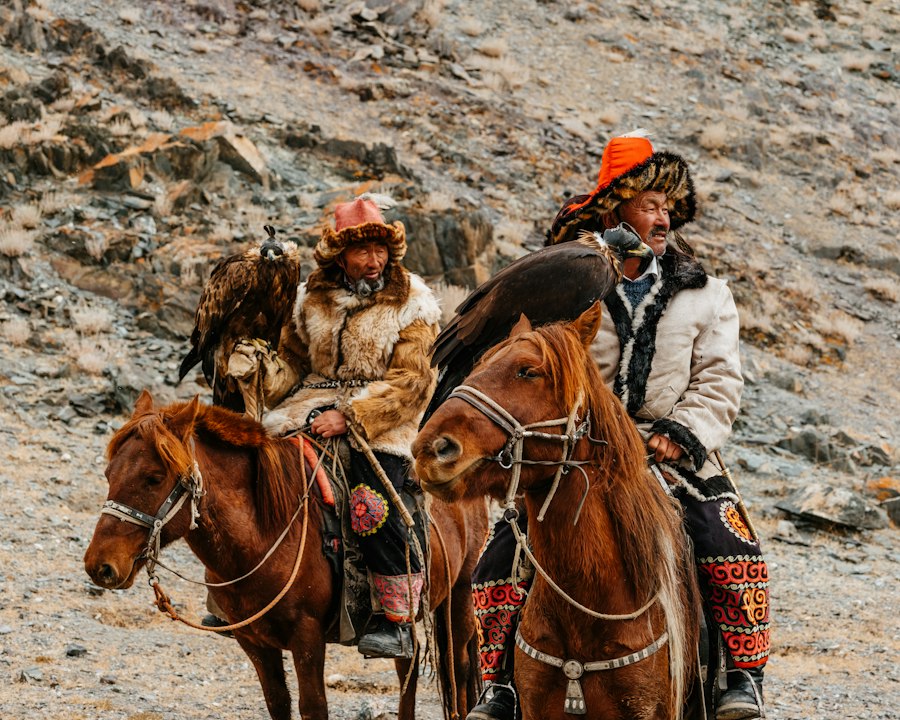
Life for Paleolithic nomads was a delicate dance with the natural world, a constant negotiation with the elements and the availability of food. Their survival hinged on an acute understanding of ecological cycles, animal behavior, and plant life. This deep connection to the environment was not merely practical; it was woven into their cultural fabric, shaping their beliefs, their social structures, and their very identities. Their existence was a testament to their adaptability, their resourcefulness, and their profound knowledge of the world around them.
Tracking the Seasons and the Herds
The cyclical nature of the seasons was the ultimate clock for Paleolithic hunter-gatherers. Each season brought its own set of challenges and opportunities, dictating the movement patterns of both animals and plants. During warmer months, lush vegetation would support larger populations of herbivores, making hunting more successful. Rivers would teem with fish, and diverse fruits and berries would ripen. As autumn approached, the focus would shift to the gathering of nuts and seeds, essential for storing food for the lean winter months. Winter itself was often the most challenging period, with reduced food availability and harsh weather conditions. This often necessitated seeking shelter in caves or constructing temporary dwellings and relying on stored provisions. Following the migratory paths of large game animals, such as mammoths, bison, or reindeer, was a crucial survival strategy. These herds represented a concentrated source of protein, fat, and hides, vital for sustenance and clothing. Hunters would develop an intimate knowledge of these migration routes, predicting when and where the herds would be, and coordinating their movements accordingly.
A Diverse and Varied Diet
The diet of Paleolithic hunter-gatherers was remarkably diverse and varied, a stark contrast to the more specialized diets of later agricultural societies. This dietary breadth was a crucial buffer against the uncertainties of food procurement. While meat formed a significant part of their diet, it was not the sole component. Gathering provided a rich array of plant-based foods that supplemented their nutritional needs. Fruits, berries, and edible flowers offered vitamins and carbohydrates. Nuts and seeds provided protein, healthy fats, and essential minerals. Roots and tubers, dug from the ground, were a valuable source of complex carbohydrates, especially when cooked. Different groups would have had access to different resources depending on their geographical location and the prevailing climate. For instance, coastal groups might have relied heavily on seafood, while inland groups might have focused on terrestrial game and plant life. This dietary flexibility allowed them to thrive in a wide range of environments.
The Art of Resource Management
Despite their constant movement, Paleolithic hunter-gatherers were remarkably adept at resource management. Their nomadic lifestyle inherently prevented overexploitation. By moving on after depleting the immediate resources of an area, they allowed the ecosystem to recover. They understood the concept of sustainability, not through abstract principles, but through the practical realities of their survival. They would often utilize every part of an animal, from the meat for food to the bones and antlers for tools and weapons, and the hides for clothing and shelter. Similarly, plant resources were harvested with care, ensuring that seeds were dispersed and that roots were not all removed, allowing for future regrowth. This was a reciprocal relationship with nature, a deep respect for its bounty that ensured its continued provision.
The Mobile Dwelling: Shelter on the Go
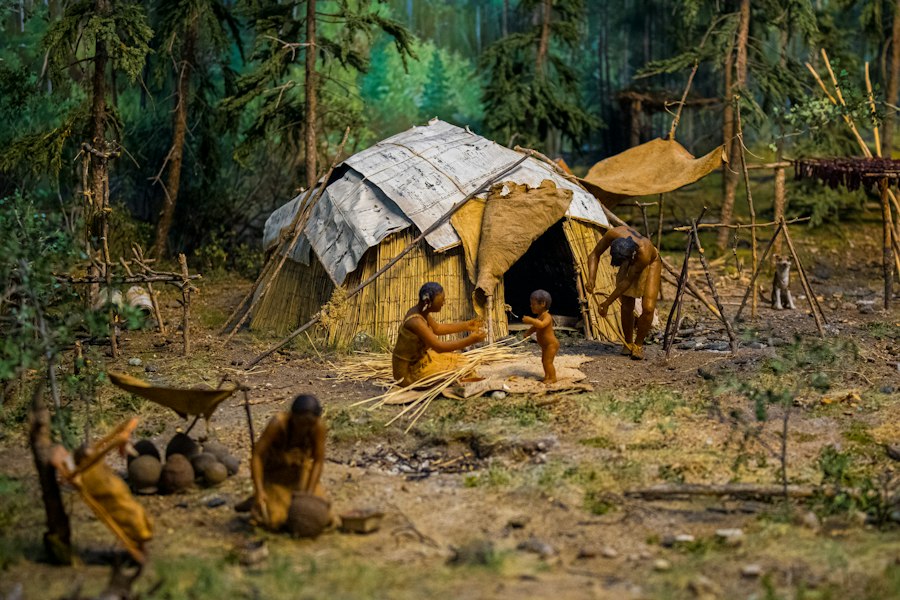
For people whose lives were defined by constant movement, their homes had to be as adaptable as their lifestyles. Paleolithic nomads were masters of creating temporary shelters, utilizing natural features and readily available materials to provide protection from the elements and a safe haven for their communities. These dwellings were not static structures but extensions of their nomadic journey, designed for ease of construction and deconstruction.
Utilizing Natural Shelters
Caves and rock shelters were the earliest and perhaps most prized forms of natural accommodation. Their inherent protection from wind, rain, and extreme temperatures made them ideal for long-term or seasonal occupation. Archaeological evidence, such as hearths, stone tools, and fossilized remains, found within these natural shelters, speaks to their importance in the lives of Paleolithic peoples. These locations often offered strategic advantages, providing elevated vantage points for spotting game or overlooking potential threats. The presence of water sources nearby further enhanced their desirability. However, the availability of suitable caves was geographically limited, and not all groups had consistent access to these natural fortresses, necessitating the development of alternative shelter solutions.
Crafting Temporary Dwellings
When natural shelters were unavailable or insufficient, Paleolithic nomads possessed the ingenuity to construct their own temporary abodes. These could range from simple windbreaks made of branches and animal hides to more elaborate hut-like structures. The construction methods varied depending on the available materials and the needs of the group. In forested regions, shelters might have been built using readily available wood for frames, covered with leaves, branches, and animal skins. In more open environments, such as the mammoth-steppe, structures might have been constructed using large bones of extinct megafauna, such as mammoth ribs, as a framework, then covered with hides and sod. These dwellings were designed for efficiency, allowing for relatively quick erection and dismantling when it was time to move on. The emphasis was on functionality and adaptability to diverse environmental conditions, providing warmth in colder climates and shade in warmer ones.
The Hearth: A Symbol of Community
At the heart of any Paleolithic dwelling, whether natural or constructed, was the hearth. More than just a source of heat and light, the hearth was a focal point for social interaction, food preparation, and the transmission of knowledge. Around the flickering flames, stories were told, skills were taught, and community bonds were strengthened. The careful management of fire was a critical aspect of Paleolithic life, requiring knowledge of fuel sources and the ability to maintain a flame. The hearth provided a safe and controlled environment for cooking food, making it more digestible and safer to consume. It also offered protection from predators and a psychological anchor in the often-unpredictable natural world. The discovery of numerous hearth sites within ancient campsites provides invaluable insights into the daily lives and social dynamics of these nomadic peoples.
The Fabric of Society: Social Structures and Cooperation
While the image of the lone hunter is often prevalent, Paleolithic hunter-gatherer life was fundamentally a communal endeavor. Survival depended on cooperation, shared knowledge, and the formation of social bonds that allowed for collective action and mutual support. These nomadic bands were not monolithic entities but dynamic groups, their structures adapted to the challenges of their mobile existence.
The Small, Mobile Band
The fundamental social unit of Paleolithic hunter-gatherers was the small, mobile band, typically consisting of perhaps 25 to 50 individuals. This size was optimal for nomadic life, balancing the need for sufficient numbers to undertake challenging hunts and gather large quantities of food, with the requirement for mobility and the ability to avoid depleting local resources. These bands were often comprised of extended family groups, fostering strong kinship ties. The composition of these bands could be fluid, with individuals or smaller family units occasionally moving between different bands, facilitating the exchange of ideas and genetic material. This flexibility allowed for adaptation to changing circumstances and maintained a degree of social and genetic diversity.
Cooperation in Hunting and Gathering
The success of Paleolithic survival was heavily reliant on cooperation. Hunting large game, for example, often required the coordinated efforts of multiple individuals. Strategies were devised to flush out prey, corner it, and bring it down, a task that demanded precise communication, shared understanding of animal behavior, and trust among participants. Similarly, gathering resources, particularly in larger quantities, could be more efficient when undertaken by groups. While individual gathering of smaller items like berries might have been common, the harvesting of roots or nuts from a particularly abundant patch would likely have involved cooperative efforts, ensuring maximum yield and efficient transport back to the camp. This interdependence fostered a strong sense of collective responsibility and shared destiny.
The Role of Knowledge Transmission
In a society without written language, the transmission of knowledge was a vital aspect of social continuity. Elders played a crucial role, passing down generations of accumulated wisdom regarding plant identification, animal behavior, tracking techniques, tool-making, fire management, and the intricate lore of the natural world. This knowledge was conveyed through observation, imitation, storytelling, and direct participation. Children learned by watching and doing, absorbing the skills and understanding necessary for survival from a young age. This oral tradition ensured that essential survival skills and cultural practices were preserved and passed on to future generations, a crucial element in their enduring success.
The fascinating journey of Paleolithic hunter-gatherers reveals much about early human adaptation and survival strategies. As these nomadic groups traversed vast landscapes in search of food and shelter, they developed intricate social structures and tools that laid the foundation for future civilizations. For a deeper understanding of how exploration and competition have shaped human history, you might find it interesting to read about the modern implications of exploration in the article on Russia’s role in the new moon race. This connection between ancient nomadic journeys and contemporary exploration highlights the enduring human spirit of discovery.
The Legacy of the Nomadic Journey: Echoes in the Present
| Metric | Estimated Value | Notes |
|---|---|---|
| Average Daily Travel Distance | 10-15 km | Varied by terrain and resource availability |
| Group Size | 20-50 individuals | Small bands for mobility and resource management |
| Duration of Nomadic Journeys | Weeks to months | Dependent on seasonal resource cycles |
| Primary Food Sources | Wild game, edible plants, nuts, and berries | Diet varied by region and season |
| Tool Types Used | Stone tools, bone implements, wooden spears | Essential for hunting and gathering |
| Water Source Frequency | Daily or every 1-2 days | Critical for survival during travel |
| Seasonal Movement Patterns | Following animal migrations and plant cycles | Ensured sustainable resource use |
The Paleolithic hunter-gatherer existence, spanning millennia, represents the foundational chapter of human civilization. Their nomadic journey, though seemingly ancient and distant, has left an indelible mark on our species, influencing our biology, our psychology, and even our modern societies. Understanding their way of life offers profound insights into the resilience of the human spirit and the enduring power of adaptation.
Shaping Human Biology and Psychology
The rigorous demands of a nomadic hunter-gatherer lifestyle shaped the very biology of our ancestors. Their bodies were honed by constant movement, developing strong musculature, efficient cardiovascular systems, and keen senses. The need for constant vigilance and quick decision-making likely influenced the development of our complex cognitive abilities, problem-solving skills, and capacity for abstract thought. The emphasis on cooperation and social bonding fostered the evolution of empathy, altruism, and complex social behaviors, laying the groundwork for the sophisticated social structures that would later emerge.
Enduring Patterns of Behavior
While modern life is vastly different from that of our Paleolithic ancestors, certain behavioral patterns may still echo their nomadic past. The human tendency to explore, to seek novelty, and to be drawn to open spaces could be seen as vestiges of our ancestral need to seek out new territories and resources. The deep-seated appreciation for nature, often expressed through recreation and a desire for connection with the wild, might also stem from this ancient, intimate relationship with the natural world. Even the concept of “home” for many today retains a fluidity, a sense of belonging that is not solely tied to a fixed geographical location but to community and shared experience.
The Roots of Innovation
The Paleolithic era was a period of remarkable innovation, driven by the constant need to adapt and survive. The development of sophisticated stone tools, the mastery of fire, and the creation of early forms of art and symbolic expression all emerged from this mobile, resourceful existence. These innovations were not born in isolation but were often the product of trial and error, of observation and adaptation within a dynamic environment. The hunter-gatherer journey was a continuous process of learning and refinement, pushing the boundaries of what was possible and setting the stage for the future trajectory of human development. Their legacy is not merely one of survival, but of the very foundation of human ingenuity and our capacity to thrive against the odds.

20,000 Years Ago | The Coldest Journey in Human History
FAQs
What tools did Paleolithic hunter-gatherers use during their nomadic journey?
Paleolithic hunter-gatherers used tools made of stone, bone, and wood such as spears, knives, scrapers, and axes to hunt animals, gather plants, and build shelters during their nomadic journey.
How did Paleolithic hunter-gatherers find food while on their nomadic journey?
Paleolithic hunter-gatherers found food by hunting animals such as mammoths, deer, and bison, as well as gathering wild plants, fruits, nuts, and seeds along their nomadic journey.
Why did Paleolithic hunter-gatherers lead a nomadic lifestyle?
Paleolithic hunter-gatherers led a nomadic lifestyle to follow the migration patterns of animals, locate new sources of food and water, and avoid overexploiting local resources in a particular area.
How did Paleolithic hunter-gatherers adapt to different environments during their nomadic journey?
Paleolithic hunter-gatherers adapted to different environments by using their knowledge of local plants and animals, creating temporary shelters, and developing survival skills to thrive in diverse landscapes such as forests, grasslands, and deserts.
What role did social structures play in Paleolithic hunter-gatherer nomadic groups?
Social structures in Paleolithic hunter-gatherer nomadic groups were essential for cooperation in hunting, gathering, and sharing resources among members, as well as for maintaining cultural traditions, resolving conflicts, and ensuring group survival during their journey.