The silent chronicles etched in stone and bone whisper tales of our earliest ancestors, their journeys a testament to resilience and an insatiable drive to explore. Among the most compelling chapters of this ancient narrative are the migrations that spanned continents, and a growing body of research is now illuminating the crucial, often overlooked, role of mountain passes in these monumental movements. These formidable natural gateways, once perceived as insurmountable barriers, are increasingly recognized as vital arteries through which Paleolithic peoples navigated diverse landscapes, adapting and thriving in environments that would challenge even modern trekkers. The exploration of these ancient mountain routes is not merely an academic exercise; it offers profound insights into the cognitive abilities, social structures, and environmental adaptations of Homo sapiens and their hominin predecessors.
Whispers from the Peaks: Deciphering Early Human Journeys
The vastness of human prehistory is punctuated by migrations that shaped the very distribution of our species across the globe. For decades, archaeological focus often gravitated towards coastal plains, river valleys, and open grasslands, environments that readily yield evidence of settlement and resource exploitation. However, the intrinsic limitations of these environments, coupled with the relentless pressure of population growth and resource scarcity, would have inevitably propelled early humans towards less hospitable, yet potentially resource-rich, territories. Mountains, with their steep gradients, unpredictable weather, and challenging terrain, were not necessarily avoided but were instead navigated, albeit with ingenuity and careful planning. The discovery and analysis of stone tools, skeletal remains, and ancient campsites in high-altitude regions are gradually piecing together a more comprehensive picture of these intrepid migrations.
The Allure of the High Ground: Why Mountains Became Pathways
The initial perception of mountains as mere obstacles to human expansion has been steadily eroded by mounting evidence. Several compelling factors likely contributed to the utilization of mountainous terrain as migratory routes. Firstly, the potential for unique and valuable resources cannot be overstated. Mountain environments, despite their perceived harshness, offer distinct flora and fauna. High-altitude meadows could have provided seasonal grazing grounds for game animals that early humans hunted. The presence of specific mineral deposits, such as flint or obsidian, which are crucial for tool production, may have been concentrated in mountainous regions, drawing early toolmakers into these areas.
Furthermore, mountains could have served as natural highways, offering distinct advantages for long-distance travel. Rather than navigating dense forests or expansive deserts, well-worn game trails or natural contours within mountain ranges might have provided more predictable and efficient pathways. These routes could have offered elevated vantage points, allowing for better observation of the surrounding landscape, potential threats, and distant game herds. The psychological aspect of such journeys is also worth considering. The drive for exploration, perhaps fueled by curiosity or the need to escape deteriorating conditions elsewhere, would have undoubtedly played a significant role.
Cartographers of the Stone Age: Tools and Techniques for Navigating Altitude
The successful passage through mountainous terrain by Paleolithic peoples would have necessitated a sophisticated understanding of their environment and the development of specific skills and technologies. The archaeological record, though often fragmented in these challenging contexts, provides tantalizing clues. The discovery of stone tools, particularly projectile points and axes, in high-altitude locations suggests that these people were not simply passing through but were actively engaging with these environments. These tools would have been essential for hunting the game found in these regions, processing resources, and potentially for shelter construction.
Beyond the tools themselves, the understanding of seasonal cycles, weather patterns, and the availability of water sources would have been paramount. Early humans possessed an intimate knowledge of the natural world, likely passed down through generations. This knowledge would have included identifying safe crossing points for rivers and ravines, recognizing edible plants, and understanding the behavior of mountain-dwelling animals. The organization of migratory groups, likely involving small, cohesive bands, would have facilitated the sharing of such knowledge and the collective effort required to overcome the challenges of high-altitude travel.
Recent studies on Paleolithic migration routes have shed light on how early humans navigated challenging terrains, particularly through mountain passes. These findings are crucial for understanding the movement patterns of our ancestors as they adapted to various environments. For a deeper exploration of ancient history and the complexities surrounding early human societies, you can read more in the article titled “Uncovering the Deceptions of Ancient Rulers” available at this link.
Glacial Giants and the Exodus: Following the Ice Age Arteries
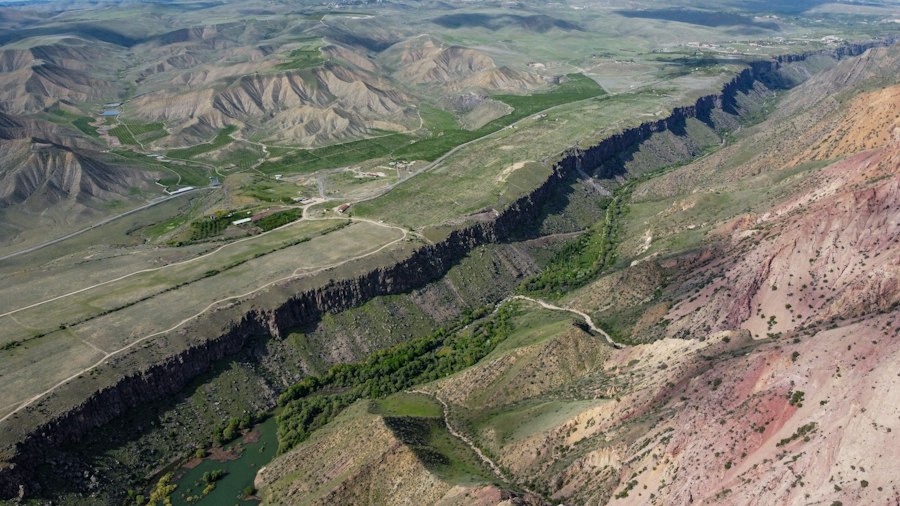
The dramatic shifts in climate during the Pleistocene epoch, particularly the cycles of glaciation and interglacial periods, profoundly influenced human migration patterns. The formation and retreat of massive ice sheets profoundly altered landscapes, creating both barriers and new pathways. During glacial maxima, vast ice sheets would have rendered many lowland areas impassable, forcing early humans to seek alternative routes, often through higher elevations. Conversely, as glaciers retreated, they exposed new territories and created meltwater rivers that could have served as migratory corridors.
The Unveiling of Periglacial Pathways: Post-Glacial Reoccupation
As the last glacial period waned, the vast expanses of ice began to recede, initiating a period of significant environmental change. This deglaciation process was not instantaneous but occurred over millennia, marked by fluctuating temperatures and the gradual colonization of newly exposed land. For early human populations, this period presented both challenges and opportunities. The retreating ice left behind a stark, often unstable landscape, but it also opened up vast new territories that had been previously inaccessible.
These post-glacial periods saw the reoccupation of regions that had been covered by ice, and the expansion into new geographical areas. Many of these newly accessible lands were situated at higher elevations, once locked away by ice. The exploration and settlement of these areas would have involved navigating the rugged terrain left behind by glacial activity. Ancient river valleys carved by meltwater, now forming the arteries of these post-glacial landscapes, would have been crucial for sustained movement and settlement. The archaeological evidence from these periglacial zones, areas formerly bordering ice sheets, is crucial for understanding the subsequent waves of human migration and adaptation.
Following the Mammoth’s Footsteps: Game Trails as Human Highways
The migratory routes of large game animals have long been recognized as significant factors in early human movements. These animals, often following predictable seasonal routes to find food and water, inadvertently carved out paths that early humans could exploit. In mountainous regions, these game trails were particularly important. Herds of mammoths, bison, and other megafauna would have navigated the contours of the land, seeking out grazing areas and water sources. These established pathways, often following the gentler slopes and natural clearings, provided a less arduous route for human travelers.
The archaeological evidence supporting this hypothesis is found in the clustering of Paleolithic sites along known migratory routes of extinct megafauna. The presence of hunting camps situated at strategic points along mountain passes, where game would have been funneled, further strengthens this connection. Early humans, as skilled hunters, would have possessed an intimate understanding of animal behavior and migration patterns. Their ability to anticipate the movements of their prey would have directly influenced their own migratory strategies, leading them to follow these natural highways through the mountains.
Navigating the Giants: The Engineering and Logistics of Ancient Mountain Travel
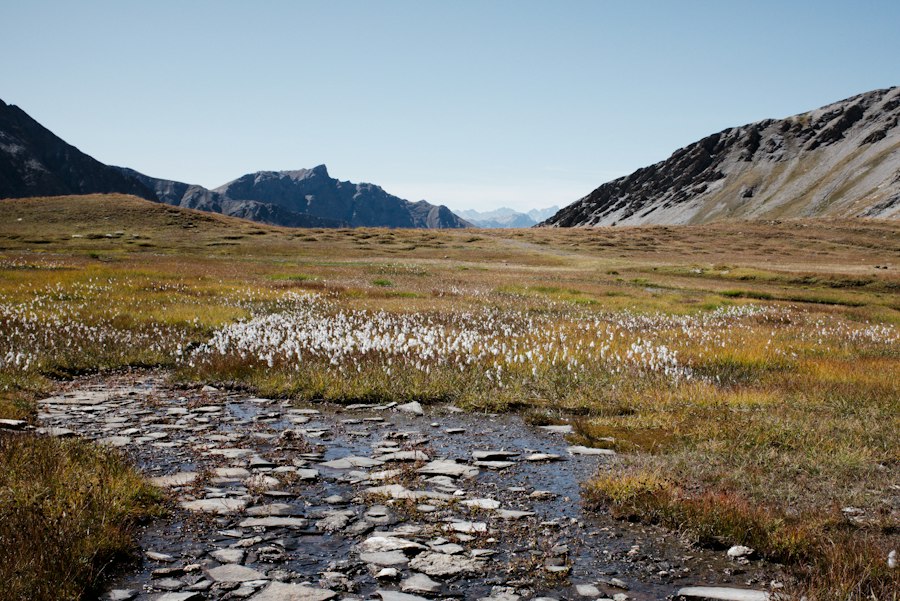
The successful traversal of mountain ranges by Paleolithic peoples was not a matter of chance but a testament to their capacity for planning, resourcefulness, and the development of rudimentary logistical strategies. These journeys were not undertaken lightly, and the logistical challenges would have been considerable, requiring foresight, coordination, and an intimate understanding of the environment.
The Art of the Ascent: Tools for Steep Terrain and Shelter
Navigating steep inclines and crossing treacherous mountain terrain would have demanded specific tools and techniques. While direct evidence of specialized climbing gear from the Paleolithic is scarce, indirect evidence suggests a high degree of adaptation. The types of stone tools found in mountainous regions can offer clues. For instance, the presence of well-crafted handaxes and scrapers would have been essential for tasks such as preparing hides for clothing and shelter, and for processing food resources found in higher altitudes.
The need for shelter from the elements in mountainous environments would have been paramount. Early humans likely utilized natural shelters such as caves and rock overhangs, which are common features in many mountainous regions. The archaeological discovery of hearths and tool assemblages within these natural shelters provides direct evidence of their use. In the absence of natural shelters, evidence of rudimentary construction, perhaps using branches and animal hides, may exist in the form of postholes or concentrations of organic material. The selection of suitable campsites would have been a critical logistical decision, prioritizing proximity to water, shelter, and defensible positions.
Sustaining the Journey: Resource Management in High-Altitude Environments
The ability to sustain oneself and one’s group during long-distance travel through mountainous regions would have relied on effective resource management. This encompassed not only the acquisition of food and water but also the procurement of materials for tools and shelter. Early humans would have possessed a deep understanding of the seasonal availability of edible plants, fruits, and nuts in different altitudinal zones. They would have also been skilled in hunting the diverse array of fauna that inhabited these environments, from small game to larger herbivores.
Water sources, crucial for survival, would have been a primary consideration when planning migratory routes. Early humans would have likely followed river valleys and sought out natural springs, caves that collect water, or snowmelt. The ability to process and store food, perhaps through drying or smoking, would have been vital for ensuring sustenance during periods of scarcity or when traversing areas with limited immediate resources. The social structure of these migratory groups would have played a key role in resource sharing and collective survival, fostering a spirit of cooperation and mutual dependence.
Echoes in the Valleys: Paleolithic Habitation in High Mountain Precincts
The discovery of Paleolithic sites in high mountain areas is a compelling testament to the adaptability and ingenuity of early humans. These finds challenge the notion that such environments were merely temporary transit zones and suggest that they were, at times, actively inhabited. The presence of archaeological evidence in these seemingly inhospitable locations provides crucial insights into the lives of our ancient ancestors and their relationship with the natural world.
The Revelation of High-Altitude Campsites: Beyond Temporary Stays
The identification of Paleolithic campsites within mountain ranges is a significant development in understanding early human migration. These sites are not simply ephemeral traces of a fleeting passage but often reveal evidence of repeated occupation or prolonged stays. The presence of hearths, indicating sustained fire use for cooking, warmth, and protection, is a key indicator. Alongside hearths, the discovery of significant concentrations of stone tools, including unfinished items and waste flakes, suggests that these locations were not just resting points but also active workshops where tools were manufactured and repaired.
Furthermore, the recovery of faunal remains, often indicating the systematic butchery of animals, points to successful hunting expeditions. The analysis of these remains can reveal the types of animals hunted, the age and sex of the animals, and the methods used for processing them. The spatial distribution of artifacts within these campsites can also offer clues about daily activities, such as food preparation areas, tool-making zones, and sleeping areas. The presence of such organized activity within a high-altitude context underscores the significant role these mountains played in the lives of Paleolithic peoples.
Adaptation to Extremes: Diet and Lifestyle in the Alpine Paleolithic
The diet and lifestyle of Paleolithic peoples inhabiting mountainous regions would have been shaped by the unique ecological conditions of their environment. While coastal and lowland populations might have relied heavily on marine resources or readily available plant matter, mountain dwellers would have needed to exploit a different suite of food sources. The faunal remains found at high-altitude sites often include species adapted to mountainous terrain, such as ibex, chamois, and mountain goats, along with larger herbivores like wild cattle and horses that would have ventured into higher pastures seasonally.
The plant kingdom would also have provided essential sustenance. Foragers would have identified and utilized alpine plants, berries, and roots that were available during warmer months. The ability to process and preserve these resources would have been crucial for surviving the harsh winter months. The social organization of these groups might have also differed, potentially involving smaller, more mobile bands that could effectively exploit dispersed resources. The challenges of high-altitude living likely fostered strong community bonds and a reliance on shared knowledge and skills for survival.
Recent studies have shed light on the complex migration routes of Paleolithic humans, particularly through challenging mountain passes that shaped their movement patterns. These ancient pathways not only facilitated the spread of early human populations but also influenced their cultural exchanges and adaptations. For a deeper understanding of how navigation and management of routes have evolved over time, you might find this article on space traffic management intriguing, as it draws parallels between ancient and modern navigation challenges.
Unlocking the Past: Future Directions in Paleolithic Mountain Pass Research
| Mountain Pass | Region | Estimated Time Period | Migration Direction | Key Findings | Distance Covered (km) |
|---|---|---|---|---|---|
| Bering Land Bridge | Alaska to Siberia | 20,000 – 15,000 years ago | Asia to North America | Evidence of early human migration into Americas | 85 |
| Karakoram Pass | Himalayas (Pakistan-China) | 40,000 – 30,000 years ago | South Asia to Central Asia | Stone tools and campsites discovered along route | 50 |
| Zagros Mountains Pass | Iran/Iraq | 45,000 – 35,000 years ago | Levant to Mesopotamia | Early human fossils and artifacts found | 60 |
| Caucasus Pass | Between Black and Caspian Seas | 35,000 – 25,000 years ago | Eastern Europe to Western Asia | Genetic markers indicate population movement | 40 |
| Alps Passes (e.g., Brenner Pass) | Central Europe | 30,000 – 20,000 years ago | Southern Europe to Northern Europe | Flint tools and cave art evidence | 55 |
The study of Paleolithic migration routes through ancient mountain passes is a rapidly evolving field, with new technologies and interdisciplinary approaches promising to unlock even deeper insights into our ancestral past. The challenges are significant, but the potential rewards – a more complete understanding of human origins, adaptation, and the very fabric of our dispersal across the globe – are immense.
Technological Advancements: Tools for Discovery and Analysis
The application of cutting-edge technologies is revolutionizing the way archaeologists and paleoanthropologists investigate ancient mountain passes. Remote sensing techniques, such as LiDAR (Light Detection and Ranging), can penetrate dense forest cover and reveal subtle topographic features, identifying potential ancient pathways and hidden archaeological sites that might otherwise remain undiscovered. Drones equipped with high-resolution cameras and multispectral sensors can provide detailed aerial imagery, aiding in landscape analysis and the identification of potential areas of interest.
Isotope analysis, particularly of ancient human remains and faunal bones, is providing unprecedented insights into diet, migration patterns, and mobility. By examining the ratios of different isotopes of elements like carbon, oxygen, and strontium, researchers can reconstruct the geographic origins of individuals and the types of environments they inhabited. Paleogenetic studies, analyzing ancient DNA, are also offering direct evidence of population movements, genetic mixing, and the evolutionary history of early humans and their contemporaries. These technological advancements, when combined with traditional archaeological methods, are creating a powerful synergy for deciphering the complex narratives of Paleolithic migration.
Interdisciplinary Collaboration: A Holistic View of Ancient Journeys
The intricate nature of Paleolithic migration through mountain passes necessitates a truly interdisciplinary approach. Collaboration between archaeologists, paleoanthropologists, geologists, climatologists, botanists, and zoologists is essential for a comprehensive understanding of these ancient journeys. Geologists can provide crucial context regarding the past topography, glaciation events, and the formation of mountain landscapes. Climatologists can reconstruct past climatic conditions, helping to understand the environmental pressures and opportunities that influenced migration.
Botanists and zoologists can identify the flora and fauna that existed in these regions during the Paleolithic, shedding light on the resources available to early humans. This collaborative framework allows researchers to move beyond isolated artifact discoveries and to piece together a holistic picture of the ecological, climatic, and social factors that shaped human movements. By integrating knowledge from diverse fields, researchers can gain a more nuanced understanding of the challenges, strategies, and ultimate successes of our ancient ancestors as they navigated the world’s most formidable natural barriers. The ongoing exploration of these ancient mountain passes promises to continue reshaping our understanding of human history, revealing the remarkable resilience and exploratory spirit that defines our species.

20,000 Years Ago | The Coldest Journey in Human History
FAQs
What are paleolithic migration routes through mountain passes?
Paleolithic migration routes through mountain passes refer to the paths that early humans took as they migrated through mountainous regions during the Paleolithic era, which lasted from about 2.6 million years ago to around 10,000 years ago.
Why did early humans use mountain passes for migration?
Early humans used mountain passes for migration because these natural corridors provided relatively easier access through the rugged terrain of mountains, allowing them to move from one region to another in search of resources such as food, water, and shelter.
Which mountain passes were commonly used by paleolithic migrants?
Some of the commonly used mountain passes by paleolithic migrants include the Bering Land Bridge between Asia and North America, the Pyrenees passes between France and Spain, the Zagros passes in Iran, and the Khyber Pass in Pakistan.
How did paleolithic migrants adapt to the challenges of mountain passes?
Paleolithic migrants adapted to the challenges of mountain passes by developing specialized tools for climbing, hunting, and gathering, as well as by forming social groups to collaborate in navigating the difficult terrain and harsh conditions of the mountains.
What impact did paleolithic migration through mountain passes have on human evolution?
Paleolithic migration through mountain passes played a significant role in human evolution by facilitating the spread of early human populations to different parts of the world, leading to genetic diversity, cultural exchange, and the development of new technologies and adaptations to diverse environments.