The whisper of wind across vast, open plains, the crackle of a distant fire, and the shared gaze of watchful eyes – these were the constants for Paleolithic tribes. Survival, a daily, hourly, and minute-by-minute endeavor, hinged on their ability to harness the bounty of their environment. Among the most critical elements of this survival was the preservation of meat and fat. These energy-dense resources, hard-won from the hunt, were not merely sustenance for the present but crucial reserves against lean times, against the unforgiving cycles of scarcity that defined their existence. Understanding how these early humans managed to store and utilize these vital provisions offers a profound glimpse into their ingenuity, their deep understanding of natural processes, and the foundational strategies that paved the way for human societal development.
The Crucial Role of Meat and Fat in the Paleolithic Diet
For Paleolithic peoples, meat and fat were the cornerstones of their diet, providing the essential calories, proteins, and micronutrients necessary for survival in a physically demanding world. The human body, with its relatively large brain and capacity for endurance, demands a consistent and substantial energy intake. While plant-based foods were undoubtedly part of their diet, they often lacked the concentrated energy density and crucial fatty acids that meat and fat provided. The ability to successfully hunt large game, from woolly mammoths and bison to deer and smaller mammals, represented a significant nutritional windfall. Fat, in particular, was highly prized. It offered a concentrated source of energy, acted as a carrier for fat-soluble vitamins (A, D, E, and K), and provided essential fatty acids that the body could not synthesize on its own. The insulative properties of fat also played a role in survival in colder climates, and its presence within tissues meant that even leaner cuts of meat offered a more complete nutritional profile.
Energy Demands of a Hunter-Gatherer Lifestyle
The daily lives of Paleolithic individuals were characterized by constant physical exertion. Hunting large game required immense strength, endurance, and strategic planning. Tracking prey over vast distances, engaging in physically demanding pursuits, and then processing the kill all demanded a high caloric intake. Furthermore, these were not sedentary populations; they moved across landscapes, often following migratory animal herds, which further increased their energy expenditure. Gathering plant resources, preparing tools, and maintaining shelter also contributed to the overall energy burden. Without a reliable and energy-rich food source like meat and fat, sustained physical activity and the cognitive demands of their complex social lives would have been impossible. The fat stored within animal tissues was a readily available and portable energy reserve, allowing for sustained effort and aiding in survival during periods when hunting success was low.
Nutritional Powerhouses: Protein, Vitamins, and Minerals
Beyond sheer calories, meat and fat offered a rich array of essential nutrients. Protein, the building block of muscles, enzymes, and hormones, was abundant in meat. This was crucial for tissue repair, growth, and maintaining a robust immune system. The B vitamins, vital for energy metabolism, were also readily available in animal products. Moreover, organs like the liver were exceptionally rich in preformed vitamin A, crucial for vision and immune function, and heme iron, essential for oxygen transport and preventing anemia. Fat provided the aforementioned fat-soluble vitamins and essential fatty acids like omega-3 and omega-6, which are critical for brain development and function, as well as for regulating inflammation. The ability to access and preserve these nutrient-dense foods was therefore fundamental to maintaining health, preventing disease, and ensuring the reproductive success of the tribe.
Paleolithic tribes developed various methods to preserve meat and fat, ensuring their survival during harsh conditions and food scarcity. Techniques such as drying, smoking, and salting were commonly employed to extend the shelf life of these vital resources. For a deeper understanding of how ancient practices can inform modern approaches to sustainability and food preservation, you can explore the article titled “Lessons from Ancient Climate Crisis: A Historical Perspective” at this link.
Early Methods of Meat and Fat Preservation

The Paleolithic era, spanning millions of years, witnessed the gradual development of sophisticated techniques for preserving meat and fat. These methods, though seemingly rudimentary by modern standards, were remarkably effective and born out of a deep, empirical understanding of the natural world and the principles of food spoilage. The primary goal was to inhibit the growth of microorganisms – bacteria, yeasts, and molds – that would rapidly decompose fresh meat and fat, rendering it inedible and potentially dangerous. These early techniques leveraged the properties of the environment and natural resources available to them.
Drying: The Sun and Wind as Allies
Drying was arguably one of the most fundamental and widely employed methods of meat and fat preservation. By removing moisture, the primary medium for microbial growth, dried meat could be stored for extended periods. Paleolithic peoples likely utilized a combination of natural drying agents: the sun and the wind. Thin strips of meat, cut from the carcass, would have been spread out in areas exposed to direct sunlight and desiccating winds. This process would have been particularly effective in arid or semi-arid regions. The careful selection of cuts, favoring leaner portions for drying to avoid excessive fat rendering that could lead to rancidity, would have been a crucial aspect of this technique. The longer the drying process, the more shelf-stable the meat became. This preserved meat could then be rehydrated or eaten as is, providing a concentrated and portable source of protein.
Smoking: Harnessing the Power of Fire
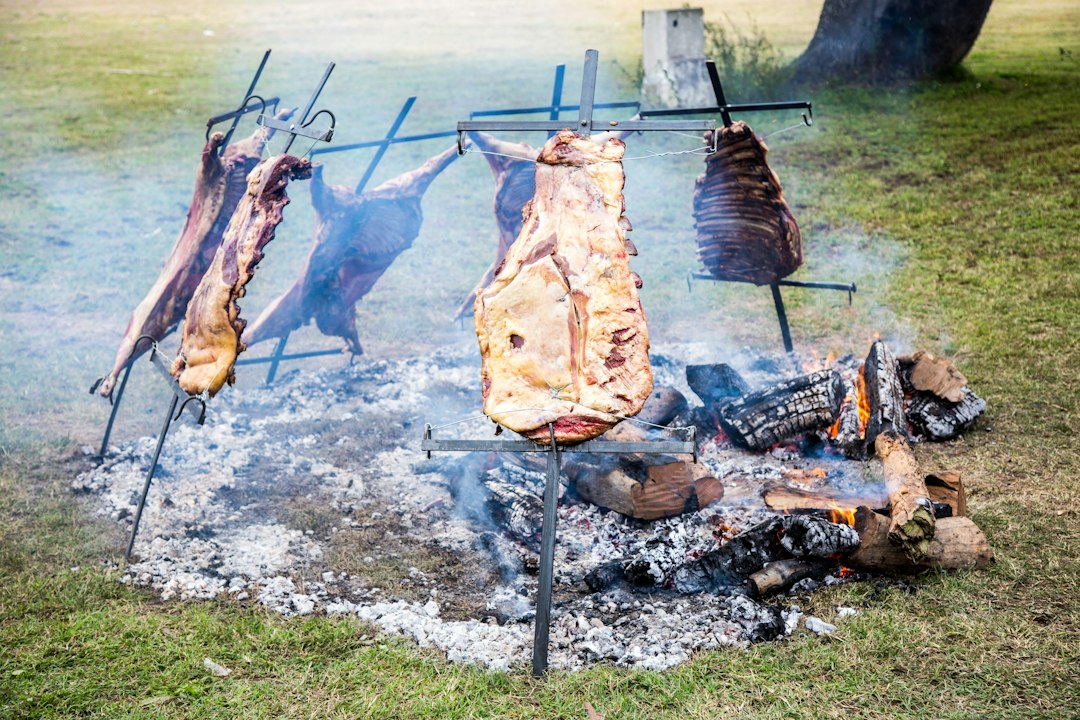
The mastery of fire was a watershed moment in human history, and its application extended far beyond warmth and cooking. Smoking meat emerged as another vital preservation technique, offering several advantages over simple drying. The smoke from burning wood, particularly hardwoods, contains antimicrobial and antioxidant compounds. These compounds not only inhibited bacterial growth but also contributed a desirable flavor profile and helped to stabilize the fat, preventing rancidity. Paleolithic peoples likely suspended meat over smoldering fires, allowing the smoke to permeate the flesh. Different types of wood would have yielded different smoke compositions and flavors, suggesting a nuanced understanding of the process. This method not only preserved the meat but also rendered it more palatable and digestible, making it an incredibly valuable tool for long-term food security.
Salting: A Limited but Potentially Important Method
While salt was not as universally available as sun, wind, or wood, some Paleolithic communities, particularly those in coastal regions or near salt licks, may have utilized salt for preservation. Salt works by drawing moisture out of the meat through osmosis, creating an environment that is inhospitable to most bacteria. It also denatures proteins, further inhibiting microbial activity. However, the widespread use of salt for preservation during the deep Paleolithic is debated due to its potential scarcity in many inland environments. If available, it would likely have been used sparingly, perhaps as a surface treatment or in conjunction with drying. The archaeological evidence for extensive salting in this period is less robust compared to drying and smoking, but its potential contribution, especially in specific locales, cannot be entirely discounted.
Processing and Storing Fat for Longevity

Fat, a concentrated source of energy and essential nutrients, was as valuable as meat, if not more so, for long-term survival. Its preservation presented different challenges and opportunities. Unlike lean muscle tissue, fat is prone to becoming rancid due to oxidation. Paleolithic peoples developed ingenious methods to mitigate this and to store this precious resource effectively.
Rendering Fat: Extracting the Liquid Gold
Rendering fat involves heating animal fat to separate the pure fat (lard or tallow) from the connective tissues and water. This process, likely discovered through observation of carcasses left near fires, would have yielded a stable, liquid fat that could be stored and used for cooking, as a fuel source, or even as a skin moisturizer. The fat would be collected from rendered tissues and then stored in containers, perhaps made from animal bladders or stomachs, or buried in cool, dry places to slow down spoilage. This liquid fat was a highly versatile product, providing essential calories and acting as a carrier for fat-soluble vitamins.
Burying Fat: Utilizing the Earth’s Cool Embrace
In many cultures, burying food items in the ground has been a time-honored method of preservation. For Paleolithic tribes, burying animal fat, especially rendered fat or fat-rich organs, would have served to keep it cool and protected from air and light, thereby slowing down the process of oxidation and rancidity. The earth’s stable temperature, particularly in deeper layers, offered a natural form of refrigeration. The fat might have been placed in animal bladders or sealed containers before being buried. This method would have been most effective in regions with cooler soil temperatures and could have provided a store of energy for extended periods, particularly during winter months when fresh meat was scarce.
Utilizing Fat as Fuel and for Other Purposes
Beyond direct consumption, preserved fat held immense value as a fuel source. Rendered fat, when used in oil lamps made from hollowed-out stones or shells and filled with a wick made from plant fibers or animal sinew, provided crucial light after sunset. This extended the usable hours of the day, allowing for activities such as tool making, social interaction, and continued processing of food. The illumination provided by fat-burning lamps would have been indispensable for survival in caves and during long winter nights. Furthermore, animal fat was likely used for waterproofing hides, creating lubricants, and potentially even as an ingredient in early forms of medicine or cosmetics, demonstrating its multifaceted importance in Paleolithic life.
Adapting to Diverse Environments and Climates
The effectiveness of Paleolithic meat and fat preservation techniques was intrinsically linked to the specific environmental conditions and climates in which these tribes lived. Survival in the frigid landscapes of the Pleistocene required different strategies than those employed in more temperate or arid regions. These adaptations highlight the remarkable resourcefulness and keen observational skills of early humans.
Cold Climate Strategies: Freezing and Snow Burial
In regions experiencing prolonged periods of extreme cold, natural freezing became a powerful preservation tool. Carcasses, or portions thereof, could be left exposed to the elements, allowing the meat to freeze solid. This effectively halted bacterial growth, preserving the meat for later consumption. Furthermore, tribes might have employed methods of burying meat in snowdrifts or using snow as an insulating layer to keep meat frozen. This natural refrigeration was an invaluable asset in surviving harsh winters. The discovery that frozen meat, when thawed and cooked, remained safe to eat was a significant breakthrough in their ability to buffer against seasonal food shortages.
Arid and Semi-Arid Environments: Dehydration and Wind Drying
In drier climates, the primary challenge was the intense heat and the rapid evaporation of moisture, which could paradoxically lead to surface drying but internal spoilage if not managed correctly. Here, the sun and wind were harnessed for rapid dehydration. Thin strips of meat were exposed to direct sunlight and strong winds to quickly draw out moisture from the entire piece. This method, often combined with a degree of smoke from carefully managed fires, was crucial for creating shelf-stable dried products. The effectiveness of these techniques depended on understanding wind patterns and solar intensity to optimize the drying process and prevent spoilage before complete dehydration.
Coastal and Riverine Regions: Utilizing Abundant Fish and Marine Mammals
Tribes living near coasts or major river systems had access to a different but equally vital source of preserved food: fish and marine mammals. While fish are more perishable than large land mammals, techniques like smoking and drying were readily applicable. The fat content of fish, particularly species like salmon, provided essential oils. For marine mammals, the blubber offered a rich source of fat that could be rendered and stored. Coastal communities likely developed specialized fishing and hunting techniques that allowed for the regular harvesting of these resources, and their preservation methods would have been finely tuned to the specific types of marine life available. The ability to preserve these aquatic resources was critical for populations whose land-based hunting opportunities might have been more limited.
Paleolithic tribes developed various methods to preserve meat and fat, ensuring they had sufficient resources during lean seasons. Techniques such as drying, smoking, and using natural preservatives allowed them to extend the shelf life of their food. For a deeper understanding of how ancient practices have influenced modern preservation methods, you can explore this insightful article on technological advancements in food preservation. It highlights the evolution of techniques that have roots in our prehistoric past, which can be found here.
Societal Implications and Legacy of Preservation
| Preservation Method | Description | Purpose | Effectiveness |
|---|---|---|---|
| Drying | Meat and fat were cut into thin strips and dried in the sun or near fire. | Remove moisture to inhibit bacterial growth. | Moderate; extended shelf life for weeks to months depending on conditions. |
| Smoking | Meat was exposed to smoke from wood fires. | Preserve meat by drying and adding antimicrobial compounds from smoke. | High; could preserve meat for several weeks. |
| Cold Storage | Storing meat in cold environments such as caves, snow, or ice. | Slow down bacterial growth and decomposition. | Variable; effective as long as cold conditions persisted. |
| Fat Rendering | Melting fat to create tallow which was stored in containers. | Preserve fat for cooking and energy storage. | High; rendered fat is stable and can last months. |
| Burial | Meat buried underground or in cool earth pits. | Keep meat cool and away from scavengers. | Moderate; effectiveness depends on soil temperature and conditions. |
The mastery of meat and fat preservation was not merely a culinary or survival skill; it had profound implications for the social organization, territoriality, and overall development of Paleolithic societies. The ability to store food resources allowed for greater stability, population growth, and the development of more complex social structures.
Food Security and Reduced Nomadic Pressure
The capacity to preserve meat and fat provided a buffer against the vagaries of the hunt and the changing seasons. This food security reduced the constant pressure to be on the move in search of immediate sustenance. Tribes could potentially stay in favored hunting grounds for longer periods, or establish more semi-permanent settlements. This stability allowed for the development of more robust social bonds, the nurturing of younger generations, and the accumulation of knowledge and skills. It also allowed for more deliberate planning and cooperation during hunts, as the threat of immediate starvation was lessened.
Resource Management and Territoriality
The successful preservation and storage of food resources naturally led to a greater sense of ownership and territoriality. Areas rich in game or with favorable conditions for preservation would have become valuable to specific groups. This likely contributed to the development of territorial boundaries and the need for communication and negotiation, or indeed conflict, between different tribes over access to these vital resources. The concept of a “larder” or stored provisions, even if rudimentary, represented a significant shift from a purely immediate-use economy.
Laying the Foundation for Future Innovations
The practical knowledge gained from Paleolithic food preservation techniques formed the bedrock for subsequent human innovations. The principles of drying, smoking, and utilizing natural cooling were refined and adapted over millennia. These early successes paved the way for the development of more sophisticated preservation methods with the advent of agriculture, such as pickling, fermenting, and eventually canning and refrigeration. The fundamental understanding of how to control spoilage and extend the shelf-life of perishable goods, first established by our Paleolithic ancestors, remains a cornerstone of human civilization and food systems today. Their ingenuity in preserving meat and fat was not just about surviving the day, but about building a future for their kind.

Life 20,000 Years Ago: How Humans Survived the Ice Age
FAQs
How did Paleolithic tribes preserve meat and fat?
Paleolithic tribes preserved meat and fat through various methods such as smoking, drying, and curing. Smoking involved hanging meat over a fire to dry and absorb the smoke, while drying involved air-drying the meat in the sun or wind. Curing involved using salt or other natural preservatives to prevent spoilage.
Why did Paleolithic tribes need to preserve meat and fat?
Paleolithic tribes needed to preserve meat and fat to ensure a stable food supply during times of scarcity, such as winter or periods of low hunting success. By preserving meat and fat, they could store food for longer periods and have access to nutrition when fresh food was not readily available.
What tools did Paleolithic tribes use for preserving meat and fat?
Paleolithic tribes used various tools for preserving meat and fat, including drying racks made from branches or animal hides, containers made from animal skins or stomachs for storing fat, and natural preservatives like salt or spices for curing meat.
Did Paleolithic tribes have specific techniques for preserving different types of meat?
Yes, Paleolithic tribes had specific techniques for preserving different types of meat. For example, they might smoke fish to preserve it, dry strips of meat to make jerky, or cure fatty cuts of meat to prevent spoilage. Each type of meat required a different preservation method based on its fat content and texture.
How long could preserved meat and fat last for Paleolithic tribes?
Preserved meat and fat could last for extended periods for Paleolithic tribes, sometimes several months to a year depending on the preservation method used. Properly preserved meat and fat provided a valuable source of nutrition and energy during times when fresh food was scarce.