Paleontological research methods involving frozen animal remains offer a unique window into past life, providing preservation levels rarely found in other fossil contexts. These icy repositories, ranging from ancient glacial ice to permafrost, can preserve soft tissues, internal organs, and even DNA, allowing for analyses that go far beyond the skeletal remains typically recovered. The study of these frozen specimens is a multidisciplinary endeavor, requiring a blend of field techniques, laboratory analyses, and a deep understanding of the taphonomic processes that operate in extreme cold environments.
Unearthing the Frozen Past: Field Discovery and Excavation
The successful recovery of frozen animal remains begins with their discovery and careful excavation. These specimens are often found in remote and challenging environments, necessitating specialized logistical planning and equipment. Understanding the geological and environmental context of the discovery is paramount, as it provides crucial clues about the age of the specimen and the conditions under which it became preserved.
Locating Cryopreserved Organisms
The search for frozen animal remains often relies on a combination of serendipity and informed exploration. Geologists and paleontologists working in polar regions, high-altitude glaciers, or areas with permafrost may stumble upon these remarkable finds during routine surveys or specific expeditions. Remote sensing technologies, such as ground-penetrating radar, can sometimes be employed to detect anomalies beneath the ice or frozen ground that might indicate the presence of buried organic material. However, visual inspection remains a primary method, especially in areas where erosion has exposed previously buried specimens. Local knowledge from indigenous communities can also be invaluable, as they may possess generations of understanding about the local landscape and its hidden treasures.
The Delicate Art of Excavation
Once a frozen specimen is identified, the excavation process demands extreme care to prevent damage. Unlike dry fossil excavations, where air drying is a concern, the primary threat to frozen remains is thawing. Excavations are typically conducted during periods of naturally cold temperatures, often in winter months. If excavation must occur in warmer conditions, or if a specimen is partially exposed and vulnerable to melting, temporary shelters or refrigeration units may be employed on-site. Tools used are often designed for working with ice and frozen soil, such as insulated shovels, ice saws, and even specialized hot-air tools used with extreme caution to selectively melt ice away from the specimen. The goal is to extract the specimen with as much of its surrounding matrix as possible, preserving its original orientation and any associated sedimentary layers. This matrix can contain valuable information about the burial environment.
Documentation and Environmental Context
Meticulous documentation is a cornerstone of any paleontological excavation, and it is particularly critical for frozen remains. Detailed notes, photographs, and video recordings are made of the specimen in situ, documenting its position, orientation, and the surrounding geological and environmental features. This includes recording the stratigraphy of the ice or frozen soil, noting the presence of any other fossils, plant material, or sedimentary structures. Environmental parameters such as temperature, humidity, and ice crystal formation are also observed and recorded. This comprehensive contextual information is vital for later interpretation of the specimen’s life and death, as well as its subsequent preservation. The goal is to reconstruct the conditions of deposition and burial as accurately as possible, providing a baseline for all subsequent laboratory analyses.
Paleontological research methods have significantly evolved, particularly with the study of frozen animal remains that provide invaluable insights into prehistoric life. A related article that explores the implications of such research is titled “Prehistoric Human Migration to Antarctica,” which discusses how the analysis of ancient remains can shed light on human adaptation and migration patterns in extreme environments. For more information, you can read the article here: Prehistoric Human Migration to Antarctica.
Preserving the Icy Archives: Laboratory Handling and Storage
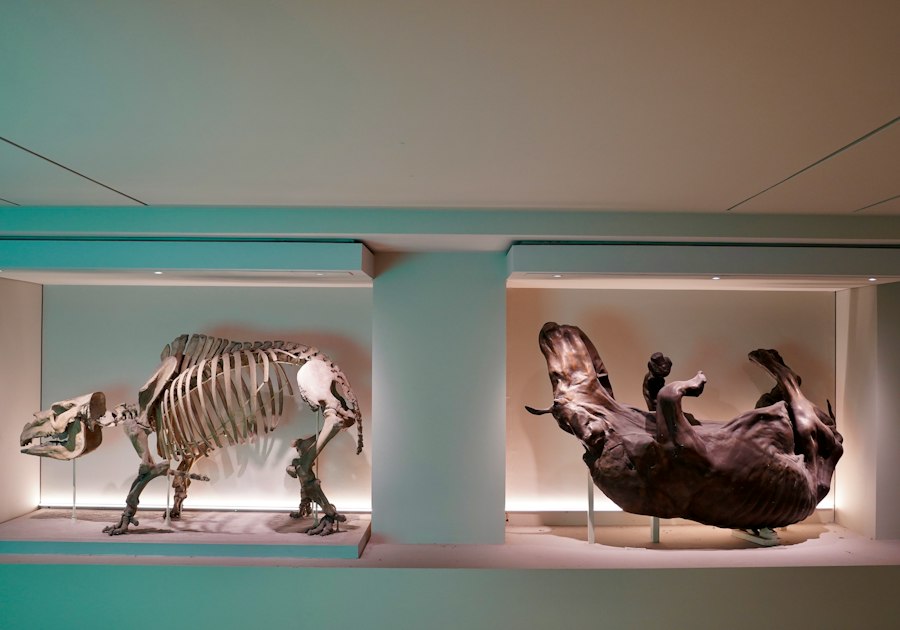
The journey from the field to the laboratory presents a new set of challenges in preserving the integrity of frozen animal remains. Maintaining a cold environment is paramount, and specialized techniques are employed to prevent degradation and prepare specimens for various analytical procedures.
Maintaining the Cold Chain
The most critical aspect of laboratory handling is maintaining the “cold chain.” This means ensuring that the specimen remains frozen from the moment it is excavated until it is prepared for analysis. Upon arrival at the laboratory, specimens are immediately transferred to freezers. The temperature of these freezers is carefully controlled, typically at or below -20°C (-4°F) to mimic natural permafrost or ice conditions. For particularly fragile specimens or those requiring long-term storage, ultra-low temperature freezers operating at -80°C (-112°F) or even colder may be used. Any exposure to warmer temperatures can lead to thawing, dehydration, and the growth of ice crystals, which can damage cellular structures and compromise the preservation of soft tissues and biomolecules. Packaging materials are chosen for their insulating properties and their ability to prevent moisture exchange.
De-icing and Cleaning Procedures
Before detailed study, frozen specimens often require de-icing and cleaning. This process must be performed with extreme care to avoid damaging delicate tissues. Slow thawing is preferred, often achieved by allowing the specimen to gradually warm up in a controlled, cold environment, such as a refrigerated room. Direct application of heat is strictly avoided. Cleaning typically involves the removal of adhering ice and sediment. This can be done with brushes, dental picks, and sometimes by carefully controlled sublimation in a vacuum chamber. Sublimation, the process of ice turning directly into vapor, can be an effective way to remove ice without introducing liquid water, which could cause further damage. Throughout the cleaning process, constant monitoring is maintained to assess the condition of the tissues and to adjust techniques as needed.
Cataloging and Initial Assessment
Once a specimen is cleaned and thawed (or partially thawed for certain analyses), it is cataloged. This involves assigning a unique identifier, assigning it to its collection, and recording all relevant information from the field documentation. An initial assessment of the specimen’s preservation state is made, noting the condition of external features, the extent of tissue preservation, and the presence of any obvious pathologies or signs of decomposition prior to freezing. This assessment guides the subsequent research plan and helps prioritize which analytical techniques will be most appropriate and informative for the given specimen. High-resolution photography and 3D scanning are often employed at this stage to create a permanent digital record of the specimen’s morphology.
Unlocking Biological Secrets: Analytical Techniques for Frozen Remains

The exceptional preservation of frozen animal remains allows for a suite of advanced analytical techniques that are often impossible with other fossil types. These methods can reveal detailed information about the animal’s physiology, diet, genetics, and the environment in which it lived.
Histology and Microscopic Examination
Histology, the study of the microscopic structure of tissues, is a powerful tool for analyzing frozen remains. Thin sections of preserved tissues can be prepared and examined under a microscope to reveal cellular detail, tissue organization, and the presence of any pathological conditions. Unlike tissues preserved in chemical fixatives, frozen tissues can sometimes retain remarkably intact cellular structures. This allows for the identification of cell types, the presence of organelles, and even the fine structure of organs. Specialized staining techniques can be used to highlight specific cellular components, providing insights into the metabolic state of the animal at the time of its death. This level of detail is often lost in older, more degraded fossil specimens.
Molecular Paleontology: DNA and Proteins
One of the most exciting applications of studying frozen remains is the possibility of recovering ancient DNA (aDNA) and proteins. DNA degrades over time, but the extremely cold and anoxic conditions of permafrost and ice can significantly slow this process. Researchers can extract DNA from bone, soft tissues, or even hair samples. This aDNA can then be sequenced to determine the species, evolutionary relationships, population genetics, and potentially even traits like sex and pigmentation. Similarly, ancient proteins, which are more resistant to degradation than DNA, can be extracted and analyzed. Proteomics can provide information about the animal’s diet, metabolism, and even the molecular mechanisms of its adaptation to its environment. The discovery of intact hemoglobin in mammoths, for example, has provided insights into their oxygen transport capabilities.
Isotopic Analysis for Diet and Environment
Stable isotope analysis is another invaluable technique applied to frozen remains. By analyzing the ratios of different isotopes of elements like carbon, nitrogen, oxygen, and strontium in tissues such as bone collagen, dentin, or hair, researchers can reconstruct an animal’s diet and movements. For instance, carbon and nitrogen isotopes can reveal the types of plants or prey consumed, indicating trophic level and the specific ecosystems the animal inhabited. Oxygen and hydrogen isotopes in preserved tissues can provide information about the water sources the animal drank from, offering clues about regional climate and precipitation patterns. Strontium isotopes in teeth and bones can track an animal’s migration patterns by reflecting the geological composition of the areas it visited.
Paleopathology and Cause of Death Investigations
Frozen animal remains can offer direct evidence of diseases and injuries sustained by ancient animals. Paleopathologists examine the bones, teeth, and soft tissues for signs of infection, inflammation, trauma, and degenerative diseases. For example, signs of arthritis, bone fractures, or even the presence of ancient parasites can be identified. In some cases, the remarkable preservation of soft tissues allows for the investigation of the cause of death. If the animal was trapped in ice or mud, the stomach contents might be preserved, revealing the last meal. Signs of predation or injury might be directly visible on the body. This provides a unique opportunity to study the health and disease ecology of extinct populations.
Reconstructing Past Ecosystems: Taphonomy and Paleoclimatology
The study of frozen remains extends beyond the individual specimen to provide crucial insights into the broader environmental context of past worlds. Understanding how these animals became preserved and what their existence tells us about ancient climates and ecosystems is a key aspect of this research.
Taphonomic Processes in Cold Environments
Taphonomy is the study of the processes that affect an organism from its death until its discovery as a fossil. In frozen environments, taphonomic processes are significantly different from those in warmer, more biodiverse settings. Freezing arrests decomposition by bacteria and scavenging animals, the primary agents of decay in many other environments. However, other processes become dominant. Ice lensing, the formation of ice crystals within sediments or tissues, can cause physical damage and fragmentation. Freeze-thaw cycles can also lead to the destruction of delicate structures. Desiccation, particularly in exposed specimens, can cause shrinkage and cracking. Understanding these specific taphonomic pathways is crucial for interpreting the condition of frozen remains and for distinguishing between natural decay and post-mortem damage.
Paleoclimatic Reconstruction from Frozen Fossils
Frozen animal remains are invaluable archives of past climate. The very fact of their preservation indicates a period of sustained cold. The type of ice or permafrost in which they are found can provide direct evidence of past temperatures and conditions. For example, the presence of well-preserved megafauna in Pleistocene permafrost deposits unequivocally points to a glacial period. Furthermore, the associated flora and fauna found with the animal remains can offer further climatic proxies. The analysis of plant remains, pollen, and insect fossils entombed with the animal can help reconstruct the vegetation and insect communities, which are directly influenced by climate. The isotopic analysis of the animal’s tissues, as mentioned previously, also contributes significantly to paleoclimatic reconstructions, providing direct insights into the water sources and atmospheric conditions the animal experienced.
Understanding Past Biodiversity and Biogeography
Frozen specimens provide snapshots of past biodiversity and biogeography, especially from periods like the Pleistocene epoch when many large mammals roamed the Earth. The discovery of species in geographical locations where they are not currently found, or in associations that differ from modern ecosystems, helps us understand past distribution patterns and ecological relationships. For instance, the discovery of woolly mammoths in Siberia and North America, along with steppe bison and woolly rhinoceros, paints a picture of a vast, cold-adapted grassland ecosystem, the “Mammoth Steppe,” that once spanned the Northern Hemisphere. Studying the genetic diversity within populations of these extinct animals can also reveal information about their dispersal, population dynamics, and their ability to adapt to changing environmental conditions.
Paleontological research methods have evolved significantly, particularly with the study of frozen animal remains that provide invaluable insights into prehistoric ecosystems. A fascinating article discusses how these ancient specimens help scientists uncover the secrets of Earth’s polar regions and their climatic history. For more information on this topic, you can read the article here. This research not only enhances our understanding of past life forms but also informs current conservation efforts in the face of climate change.
Ethical Considerations and Future Directions
| Research Method | Description | Common Metrics | Applications |
|---|---|---|---|
| Radiocarbon Dating | Measures the decay of carbon-14 in organic remains to estimate age. | Age range: up to ~50,000 years; Half-life of C-14: 5730 years; Sample size: mg to g | Dating frozen animal remains to establish timeline of preservation |
| DNA Analysis | Extraction and sequencing of ancient DNA from frozen tissues. | DNA fragment length: 50-200 base pairs; Contamination rate; Coverage depth | Studying genetic relationships and evolutionary history |
| Stable Isotope Analysis | Analyzes isotopic ratios (e.g., carbon, nitrogen) to infer diet and environment. | δ13C and δ15N values (‰); Sample mass: mg scale | Reconstructing paleoecology and animal diets |
| Computed Tomography (CT) Scanning | Non-destructive 3D imaging of frozen remains to study internal structures. | Resolution: micrometer to millimeter scale; Scan time; Voxel size | Analyzing bone morphology and soft tissue preservation |
| Microscopic Analysis | Examining tissue and cellular structures under light or electron microscopes. | Magnification: up to 1000x (light), >100,000x (electron); Sample prep time | Assessing preservation state and pathology |
As research into frozen animal remains continues to advance, so too do the ethical considerations and the potential for future discoveries. Balancing scientific curiosity with respect for the natural world and its past inhabitants is paramount.
Ownership, Indigenous Rights, and Repatriation
The discovery of ancient remains, particularly those of significant cultural or scientific value, raises complex questions of ownership, particularly when found on indigenous lands or within territories with strong indigenous connections to the land and its history. Ethical paleontological practice now emphasizes collaboration with indigenous communities, seeking their input on research, excavation, and the eventual disposition of remains. The concept of repatriation, returning specimens to their ancestral lands or cultural custodians, is also gaining prominence. This requires open dialogue, mutual respect, and a commitment to shared stewardship of paleontological heritage.
Conservation and Public Engagement
Ensuring the long-term conservation of these unique frozen archives is crucial. This involves maintaining appropriate storage conditions in laboratories and museums, and carefully managing access to specimens to prevent damage. Public engagement is also vital for fostering appreciation for paleontology and the importance of studying past life. Well-curated museum exhibits, educational programs, and accessible scientific publications can inspire future generations of scientists and the general public alike. Communicating the exciting discoveries and the scientific insights gleaned from frozen remains can help build support for continued research and conservation efforts.
Advancements in Non-Invasive Techniques and Artificial Intelligence
Future research into frozen animal remains will likely see a continued push towards non-invasive techniques. This could include further development of advanced imaging technologies that can probe specimens with minimal physical interaction, such as higher-resolution CT scans and advanced magnetic resonance imaging (MRI). The application of artificial intelligence (AI) is also poised to revolutionize the field. AI algorithms can be trained to identify subtle features in fossilized tissues, analyze vast genomic datasets more efficiently, and even reconstruct fragmented genetic material. These advancements promise to unlock even deeper insights into the lives and times of these extraordinary frozen inhabitants of Earth’s past, pushing the boundaries of our understanding of evolution, climate change, and the history of life on our planet.

Beneath the Ice: Surviving the Ice Age 20,000 Years Ago
FAQs
What are some common methods used in paleontological research on frozen animal remains?
Common methods used in paleontological research on frozen animal remains include radiocarbon dating, DNA analysis, stable isotope analysis, and CT scanning.
How does radiocarbon dating help in studying frozen animal remains?
Radiocarbon dating is used to determine the age of frozen animal remains by measuring the amount of carbon-14 present in the sample. This helps researchers establish a timeline for the animal’s existence.
What information can DNA analysis provide about frozen animal remains?
DNA analysis can provide valuable information about the genetic makeup of frozen animal remains, including species identification, genetic relationships, and population dynamics.
How does stable isotope analysis contribute to the study of frozen animal remains?
Stable isotope analysis can reveal information about the diet, habitat, and migration patterns of frozen animal remains, helping researchers reconstruct the animal’s behavior and environment.
Why is CT scanning used in paleontological research on frozen animal remains?
CT scanning is used to create detailed 3D images of frozen animal remains, allowing researchers to study the internal structures of the specimens without damaging them. This non-invasive method provides valuable insights into the anatomy and preservation of the animals.