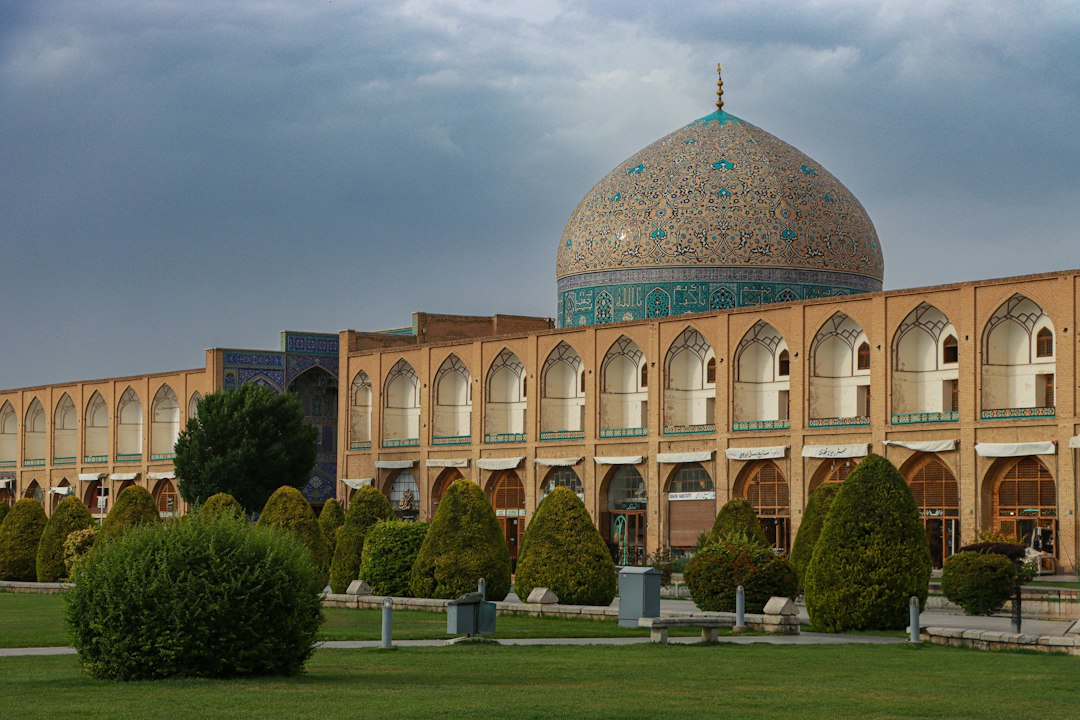
The sands of time, often thought to bury the glories of the past, instead serve to illuminate the enduring brilliance of Persian engineering. Across millennia, from the vast empire of the Achaemenids to the sophisticated courts of the Sassanians, Persian innovators not only met the challenges of their era but laid foundations that resonate with profound significance in our modern world. Their ingenuity, driven by a deep understanding of natural forces and a relentless pursuit of practical solutions, manifested in a spectrum of architectural, hydraulic, and infrastructural achievements that continue to inspire awe and emulation. These were not merely decorative structures; they were functional marvels, meticulously planned and executed, designed to enhance life, foster prosperity, and exert influence. The legacy of Persian engineering is not a relic of history, but a vibrant testament to human capacity for innovation, a continuous thread woven into the fabric of contemporary civilization.
The Unseen Architects of Water: Persian Hydraulic Mastery
The arid and semi-arid landscapes of Persia presented a formidable challenge, a constant test of ingenuity for its inhabitants. The ability to secure, manage, and distribute water was not merely a matter of convenience, but of survival and the foundation of agricultural prosperity and urban development. Persian engineers met this challenge with a sophistication that remains breathtakingly advanced, developing a suite of techniques and technologies that were unparalleled in their time and continue to inform modern water management strategies. Their understanding of gravity, subterranean flow, and efficient distribution systems allowed them to transform deserts into arable land and sustain burgeoning populations. The sheer scale and longevity of these projects speak volumes about the foresight and technical prowess of their creators.
The Marvel of the Qanat: Underground Waterways for Life
Perhaps the most iconic and enduring Persian hydraulic innovation is the qanat (or kariz). These subterranean aqueducts, stretching for miles beneath the earth, are a testament to an extraordinary understanding of hydrology and geology. The principle behind the qanat is elegant in its simplicity yet complex in its execution. A series of vertical shafts, known as wells or access shafts, were dug at regular intervals to tap into underground water tables. These shafts also served as ventilation points and facilitated maintenance. From the lowest point, where water was naturally flowing, a gently sloping tunnel was excavated, connecting all the shafts and guiding the water to the surface by gravity. The slope was meticulously calculated to ensure a steady flow without excessive erosion. The construction of qanats required immense precision, with engineers and laborers working in darkness, precisely controlling the gradient to prevent flooding or the water stagnating. The materials used, primarily compacted earth and sometimes stone lining, were chosen for their durability and impermeability. The qanat system not only provided a reliable source of fresh, cool water, free from surface evaporation and contamination, but also allowed for the irrigation of vast tracts of land, transforming arid regions into fertile oases. Many qanats, some dating back over two millennia, are still in use today, a living testament to their remarkable design and construction. Their ingenuity lies in their ability to harness gravity and subterranean flows, a concept that has seen resurgence in modern sustainable water management discussions.
Dam Building and Reservoir Systems: Controlling the Flow of Abundance
Beyond the qanat, Persian engineers were masters of surface water management, constructing impressive dams and reservoirs to harness the power of rivers. While not as universally widespread as the qanat, these structures played a crucial role in regulating water flow, preventing floods, and ensuring a consistent supply for irrigation, particularly in regions with significant river systems. The Sasanian period, in particular, saw the construction of remarkable dams, such as the Band-e Kaisar (Bridge of Caesar) near Susa, a Roman-influenced but Sasanian-built dam that is considered one of the earliest arch dams. These dams were not simply barriers; they were sophisticated hydrological instruments, designed to store water during periods of high flow and release it gradually during dry spells. The engineering challenges involved in constructing such large-scale structures with the available technology were immense, requiring a deep understanding of structural mechanics, material science, and hydrodynamics. The siting of these dams, the choice of materials, and the methods of construction all reflect a profound knowledge of the natural environment and a pragmatic approach to problem-solving. The legacy of these dams can be seen in the continued development of water storage and management techniques, where the fundamental principles of controlling and utilizing water resources remain paramount.
Watermills and Ice Houses: Harnessing Natural Forces for Daily Life
The ingenuity of Persian hydraulic engineering extended beyond irrigation and water supply to encompass innovative applications for daily life and industry. Watermills, harnessing the kinetic energy of flowing water, were employed for grinding grain, a vital process for sustaining populations. These mills, often integrated into canal systems or built alongside rivers, represent an early form of harnessing renewable energy. Their design and construction would have required careful consideration of water flow rates, wheel design, and the transmission of power to the grinding stones. Furthermore, the Persians developed sophisticated methods for preserving ice, even in the sweltering heat of summer. Yakhchals, ancient ice houses, are remarkable structures that utilized ingenious architectural design and natural principles to store ice collected during the winter months. These conical structures, often made of thick adobe or stone, were built with thick walls and domed roofs, creating an insulated environment. Windcatchers, a distinctive Persian architectural feature, would have channeled cool air into the yakhchal, aiding in the preservation of ice. The water that was used to form the ice would be directed from nearby qanats, and the resulting ice would then be stored for use in cooling drinks and food. This demonstrates a sophisticated understanding of thermodynamics and insulation principles, applied to a practical problem of food and beverage preservation.
Persian engineering marvels have long captivated historians and architects alike, showcasing the ingenuity and skill of ancient civilizations. One fascinating aspect of this topic is how these marvels are impacted by modern challenges, such as climate change. For a deeper understanding of the implications of rising sea levels on historical structures, you can read the article on this subject at The Threat of Rising Sea Levels. This article explores the vulnerabilities of ancient sites and the urgent need for preservation in the face of environmental changes.
The Pillars of Progress: Persian Architectural and Structural Innovations
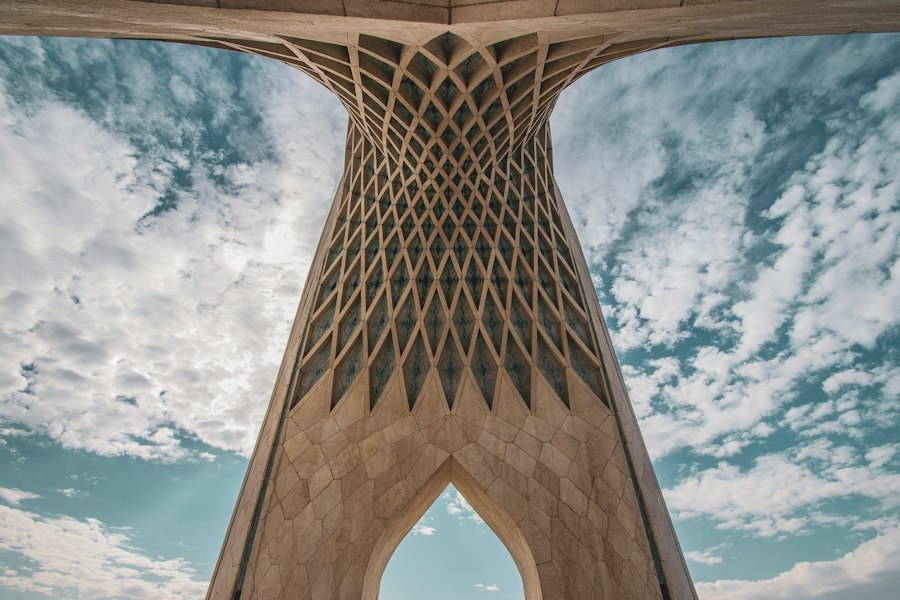
Persian civilization has long been synonymous with architectural grandeur, a testament to the sophisticated understanding of structural principles, material science, and aesthetic design. From monumental palaces to intricate bridges, Persian builders displayed an exceptional ability to construct enduring and functional structures that not only served their immediate purpose but also shaped the very landscape. Their innovations in load-bearing, span creation, and seismic resistance, while developed in an ancient context, echo in modern construction practices and stand as a testament to enduring engineering excellence. The careful selection of materials, coupled with a keen eye for stability and longevity, ensured that these structures would withstand the test of time and the elements.
The Art of the Arch and Dome: Spanning Space with Elegance
The mastery of the arch and dome is a hallmark of Persian architecture, a technique that allowed for the creation of vast, unobstructed interior spaces and impressive exterior forms. While the use of arches predates the Persians, their refinement and widespread application in bridges, aqueducts, and monumental buildings were particularly notable. The Sasanian period, in particular, saw the development of impressive parabolic arches and elaborate dome construction. The Ctesiphon arch, the massive vaulted hall of the Taq-e Kasra, remains one of the largest unreinforced brick arches in the world, a breathtaking display of structural integrity and ambition. Persian builders understood the principles of distributing weight and stress through the curved form of the arch and dome, allowing them to span wider areas than would have been possible with simple post-and-lintel construction. The dome, in particular, allowed for the creation of soaring, awe-inspiring spaces, often used for religious structures and royal audiences. The transition from the square base to the circular dome was often achieved through ingenious pendentives and squinches, demonstrating a deep understanding of geometric principles and structural transitions. These techniques laid the groundwork for much of subsequent architectural development in the region and beyond, influencing Byzantine and Islamic architecture profoundly.
Bridges and Viaducts: Connecting Lands and Sustaining Trade
The vastness of the Persian Empire necessitated the construction of robust and extensive infrastructure to connect its diverse territories and facilitate trade. Persian engineers rose to this challenge by building a network of impressive bridges and viaducts, many of which have survived for centuries. These structures were not merely functional crossings; they were often monumental works of engineering, designed to withstand the forces of nature and the rig of heavy traffic. The use of arches, as mentioned, was paramount in bridge construction, allowing for strong, resilient spans over rivers and ravines. The careful selection of materials, such as stone and brick, combined with meticulous construction techniques, ensured their durability. The Band-e Kaisar, mentioned earlier in the context of dams, also served as a significant bridge, showcasing the multi-functional nature of some Persian engineering projects. The construction of these bridges required not only an understanding of structural mechanics but also a keen awareness of hydrology and geomorphology to ensure stable foundations and resistance to erosion. The legacy of these bridges is evident in the continued reliance on similar arch and pier designs in modern bridge construction, highlighting the enduring effectiveness of these ancient principles.
Seismic Resistance: Buildings that Endure the Earth’s Tremors
The Persian plateau is a region prone to seismic activity, and its ancient builders were acutely aware of this threat. While explicit written records detailing seismic engineering principles are scarce, the remarkable survival of numerous ancient Persian structures, some dating back millennia, suggests a sophisticated understanding of earthquake-resistant construction. This likely involved a combination of factors, including the careful selection of building materials, the flexibility of construction techniques, and the strategic use of certain architectural forms. The widespread use of brick, which can deform without catastrophic failure, and the inherent flexibility of vaulted and domed structures, which can absorb and dissipate seismic energy, likely contributed to their resilience. Furthermore, the meticulous foundations and the way structures were integrated with the surrounding landscape may have played a role. The sheer number of ancient Persian buildings that have withstood earthquakes over centuries, in an area prone to significant seismic events, is a testament to the practical wisdom and empirical knowledge of their builders. This implicit understanding of seismic forces has gained renewed importance in modern structural engineering, as engineers strive to design buildings that can withstand the unpredictable power of earthquakes.
The Foundations of Communication: Roads and Transportation Networks
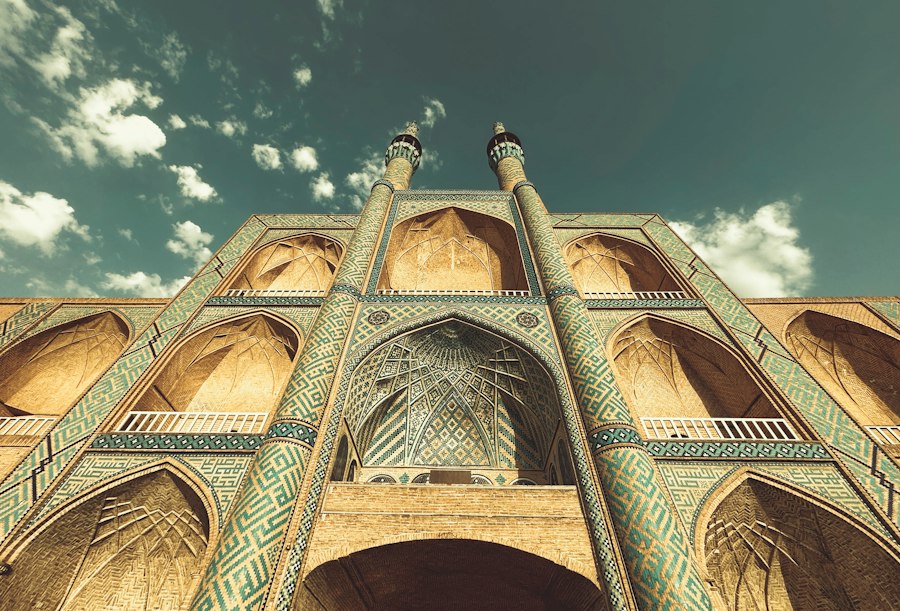
The efficient movement of people, goods, and information was crucial for the administration and prosperity of the vast Persian Empire. Recognizing this, Persian rulers invested heavily in the development of an extensive and sophisticated road network, a system that facilitated communication, trade, and military mobilization. These were not merely dirt paths; they were engineered routes, designed for durability, speed, and practicality, laying the groundwork for modern transportation systems. The foresight and planning involved in their construction speak to a sophisticated understanding of logistics and the importance of connectivity.
The Royal Road: The Arteries of an Empire
The Achaemenid Empire, in particular, is renowned for its construction of the Royal Road, a monumental network of paved highways that stretched across its vast territories. This road, stretching from Sardis in Anatolia to Susa, the administrative capital, was more than just a route; it was a vital artery of communication and governance. It was meticulously engineered, with paved surfaces, regular milestones, and relay stations (caravanserais) providing lodging and fresh horses for travelers and messengers. The Royal Road facilitated rapid communication through a highly organized postal system, allowing news and directives to travel across the empire with unprecedented speed. This allowed for efficient administration, rapid deployment of troops, and the smooth flow of trade. The construction of such a vast network, often through challenging terrain, required significant logistical planning, resource management, and engineering skill. The principles of creating a standardized, well-maintained, and efficiently serviced route have direct parallels with the development of modern highway systems and logistical networks.
Caravanserais: Oases of Rest and Commerce
Integral to the success of the Persian road network were the caravanserais, strategically located rest stops that served as vital hubs for travelers, merchants, and their animals. These fortified inns provided secure lodging, fresh water, food, and stabling, offering a safe haven in often challenging environments. The design of caravanserais often incorporated courtyards, providing a central open space for trade and social interaction, while the surrounding buildings offered private rooms and communal areas. Their construction was typically robust, designed to withstand the elements and provide security. These establishments were not merely passive resting places; they were active centers of commerce and cultural exchange, fostering the flow of goods and ideas across the empire. The concept of providing integrated services and secure infrastructure for long-distance travelers has direct echoes in the modern design of service stations, rest stops, and logistical hubs that underpin global transportation.
Technological Advancements: Tools, Metallurgy, and Beyond
Beyond grand structures and extensive networks, Persian ingenuity extended into the realm of applied technology, manifesting in advancements in metallurgy, toolmaking, and scientific instruments that contributed significantly to various fields. The pursuit of practical solutions often led to incremental yet impactful innovations that improved efficiency and opened new possibilities across industries and daily life. Their empirical approach to problem-solving and their ability to adapt and refine existing technologies laid the groundwork for future scientific and industrial progress.
Metallurgy and Metalworking: Forging a Stronger Future
Persian artisans and engineers were renowned for their mastery of metallurgy, excelling in the extraction, refinement, and shaping of metals. From the Bronze Age onward, Persia produced high-quality bronze and iron artifacts, including weaponry, tools, and decorative items. The development of advanced smelting techniques allowed for the production of stronger and more durable metals. The Sasanian period, in particular, saw a surge in sophisticated metalworking, with exquisite examples of gold, silver, and bronze craftsmanship, often featuring intricate designs and advanced casting techniques. The ability to produce consistent and high-quality metal was crucial for the development of tools used in agriculture, construction, and warfare, as well as for the creation of sophisticated scientific and astronomical instruments. The refinement of metalworking techniques contributed to the overall technological advancement of the era and influenced metallurgical practices in neighboring civilizations.
Early Scientific Instruments: Charting the Cosmos and Measuring the World
The intellectual curiosity and scientific inclination of Persian scholars and engineers led to the development of early scientific instruments that facilitated advancements in astronomy, mathematics, and surveying. Astrolabes, sophisticated instruments used for navigation, timekeeping, and astronomical observation, were developed and refined in the Persian world. These intricate devices, often made of metal, allowed astronomers to measure the altitude of celestial bodies, determine latitude, and predict astronomical events. Similarly, surveyors employed instruments to measure distances and angles, crucial for land management, construction, and military planning. The development of accurate measurement tools, whether for the heavens or the earth, reflects a commitment to empirical observation and a desire to quantify and understand the natural world. These early instruments represent a crucial step in the development of scientific inquiry and the eventual foundation of modern scientific methodology.
Persian engineering marvels have long captivated historians and architects alike, showcasing the ingenuity and skill of ancient builders. One fascinating aspect of this rich history is the intricate water management systems that supported vast agricultural lands in arid regions. For a deeper understanding of how historical events shape civilizations, you might find it interesting to explore this article on the Civil War, which discusses the complexities of societal structures and their evolution. Check it out here for insights that resonate with the themes of engineering and societal development.
The Enduring Legacy: Influence on Global Engineering and Architecture
| Engineering Marvel | Location | Period | Key Features | Significance |
|---|---|---|---|---|
| Qanat Water System | Persia (Iran) | Circa 1000 BCE | Underground aqueducts for irrigation and water supply | Enabled agriculture in arid regions, sustainable water management |
| Persepolis | Near Shiraz, Iran | 6th century BCE | Grand palatial complex with advanced stone masonry | Symbol of Achaemenid Empire’s power and architectural innovation |
| Shushtar Historical Hydraulic System | Shushtar, Iran | 5th century BCE | Complex irrigation system with dams, canals, and mills | World Heritage site demonstrating ancient water engineering |
| Windcatchers (Badgir) | Yazd, Iran | Ancient to present | Natural ventilation towers for cooling buildings | Early example of sustainable climate control architecture |
| Bridge of Tis | Sistan and Baluchestan, Iran | 1st century CE | Stone arch bridge spanning the Tis River | One of the oldest surviving bridges in Iran |
The impact of Persian engineering marvels extends far beyond the geographical boundaries of ancient Persia, leaving an indelible mark on architectural styles, engineering principles, and technological advancements across the globe. The sophisticated understanding of structural mechanics, hydraulic systems, and urban planning exhibited by Persian innovators influenced the development of civilizations throughout the Middle East, Central Asia, and even Europe. Their pragmatic approach to problem-solving, their embrace of innovative materials, and their enduring aesthetic sensibility continue to inspire and inform contemporary engineering and architectural practices.
Cross-Cultural Exchange and Diffusion of Knowledge
The vastness of the Persian Empire facilitated a rich exchange of ideas and technologies with neighboring civilizations. As Persian engineers and architects traveled and worked across different regions, they carried with them their knowledge and techniques, which were then adapted and integrated into local building traditions. Conversely, Persian innovations also incorporated elements from other cultures, demonstrating a dynamic and collaborative approach to technological development. The influence of Persian architectural elements, such as the pointed arch and the dome, can be seen in Byzantine, Islamic, and even Romanesque architecture. The qanat system, for example, was adopted and adapted in various arid regions beyond Persia. This diffusion of knowledge highlights the interconnectedness of ancient civilizations and the lasting impact of Persian ingenuity on a global scale.
Modern Echoes in Sustainable Design and Urban Planning
In the contemporary world, the principles embedded in Persian engineering marvels are finding renewed relevance, particularly in the pursuit of sustainable design and efficient urban planning. The qanat system, with its reliance on gravity and minimal energy input, offers valuable lessons for modern water management strategies, especially in water-scarce regions. The traditional Persian emphasis on passive cooling techniques, evident in structures like yakhchals and windcatchers, is inspiring contemporary architects to develop more energy-efficient and environmentally conscious building designs. Furthermore, the well-planned road networks and the concept of integrated settlements, as exemplified by ancient Persian cities, provide a framework for thinking about modern urban development, transportation, and the creation of functional and livable spaces. The enduring wisdom of Persian engineers, honed over millennia of practical application, continues to offer valuable insights for addressing the challenges of the 21st century.
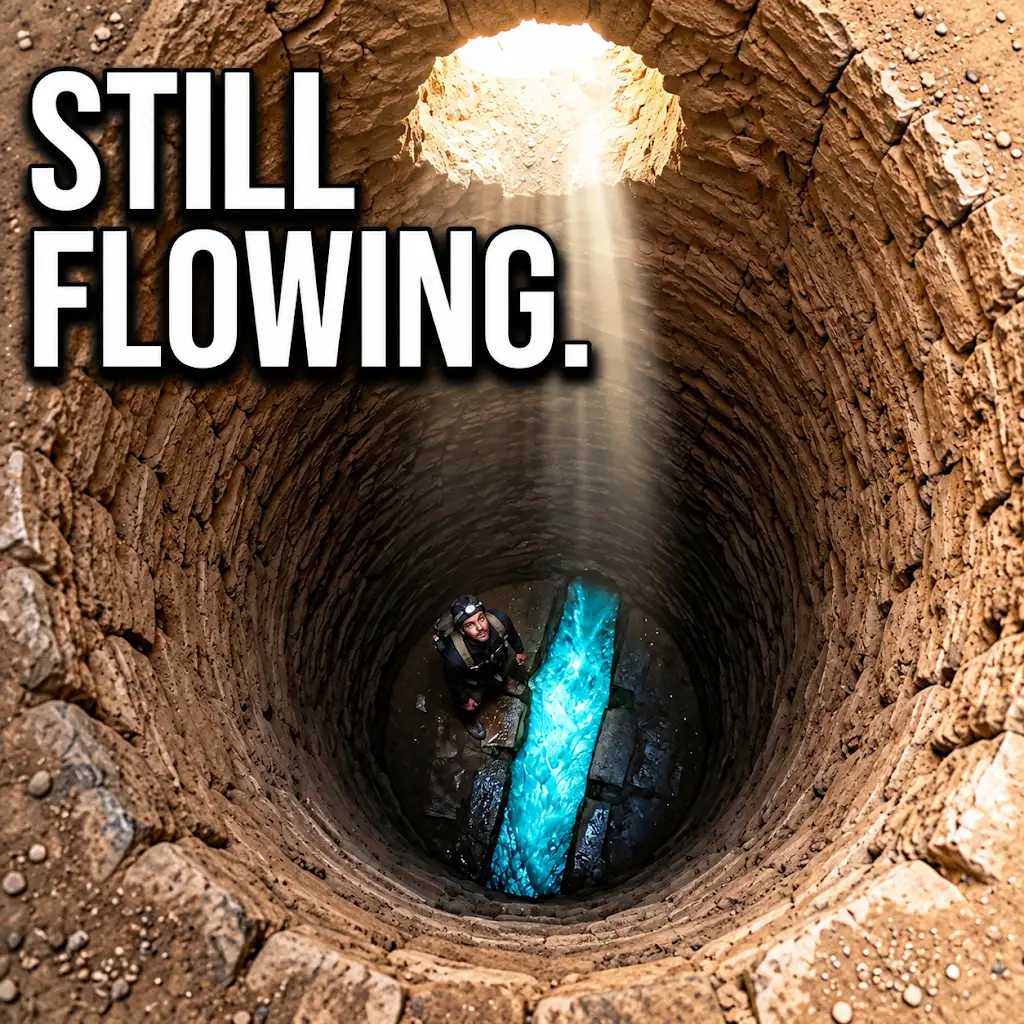
They Dug Water Tunnels Under the Desert… And They Still Flow
FAQs
What are some examples of Persian engineering marvels?
Some examples of Persian engineering marvels include the ancient city of Persepolis, the Qanat water management system, the Windcatchers of Yazd, the Si-o-se Pol bridge in Isfahan, and the Naqsh-e Jahan Square.
How did the Qanat system contribute to Persian engineering achievements?
The Qanat system, an underground water management system, allowed Persians to efficiently transport water over long distances, enabling agriculture in arid regions and sustaining cities in the desert for centuries.
What is unique about the Windcatchers of Yazd?
The Windcatchers of Yazd are ancient Persian ventilation systems that capture even the slightest breeze and direct it into buildings, providing natural cooling and ventilation in the hot desert climate of central Iran.
How did Persian engineers construct the Si-o-se Pol bridge in Isfahan?
The Si-o-se Pol bridge in Isfahan was constructed using a unique combination of multi-arched design and advanced engineering techniques, allowing it to withstand floods and provide a stunning architectural masterpiece over the Zayandeh River.
What is the significance of Naqsh-e Jahan Square in Persian history?
Naqsh-e Jahan Square, also known as Imam Square, is a UNESCO World Heritage Site in Isfahan that showcases Persian architectural and engineering prowess, featuring stunning mosques, palaces, and bazaars that reflect the grandeur of the Safavid dynasty.