
The parched plains and arid mountain slopes of Iran have long been home to a remarkable feat of ancient engineering, a testament to human ingenuity in the face of environmental challenges. For millennia, the Persian qanat system has served as a lifeline, channeling precious water from distant aquifers to sustain agriculture, support urban life, and foster thriving communities in regions where surface water is scarce or non-existent. More than just aqueducts, qanats are intricate underground networks, meticulously constructed and maintained, that represent a sophisticated understanding of hydrology, geology, and resource management. Their enduring legacy continues to inform and inspire contemporary approaches to water scarcity, standing as a monumental achievement of pre-industrial civilization.
The Genesis of the Qanat: Necessity as the Mother of Invention
The development of the qanat system is intrinsically linked to the challenging geography and climate of the Iranian plateau. This vast, high-altitude landmass is characterized by limited rainfall, high evaporation rates, and a pronounced lack of perennial rivers, particularly in its interior basins. Surface water sources, where they exist, are often ephemeral or heavily reliant on seasonal snowmelt from surrounding mountain ranges. Ancient peoples living in these areas, seeking to cultivate crops and establish settlements, faced an immediate and persistent need for a reliable water supply. The qanat emerged as the ingenious solution to this fundamental problem.
Understanding the Hydrological Landscape
The success of the qanat is rooted in its deep understanding of the underlying hydrological conditions. Qanat builders recognized the presence of underground aquifers – layers of porous rock or sediment saturated with water – that are replenished by rainwater and snowmelt percolating down from higher elevations, often in mountainous areas. These aquifers are typically located at depths that make direct access via wells prohibitively expensive and labor-intensive for the scale of irrigation required. The qanat’s genius lies in its ability to tap into these subterranean reservoirs without the need for pumps or lifting mechanisms, relying instead on the simple yet powerful force of gravity.
Early Innovations and the Spread of the Technology
While the exact origins of the qanat are debated, evidence suggests its development began in ancient Persia, possibly as early as the 3rd millennium BCE, with significant advancements occurring during the Achaemenid Empire (c. 550–330 BCE). Early forms might have been simple hand-dug ditches or shallow wells. However, the evolution into the sophisticated underground network we recognize today involved a complex interplay of observation, experimentation, and the gradual refinement of construction techniques. As the technology proved its worth, it spread throughout the Iranian plateau and beyond, influencing water management systems in neighboring regions and even reaching as far as North Africa and the Indian subcontinent. The knowledge and skills associated with qanat construction were passed down through generations, becoming a specialized craft essential to the survival and prosperity of many communities.
The Persian qanat system, an ingenious method of underground water management, has been crucial in sustaining agriculture and settlements in arid regions. For those interested in exploring ancient engineering marvels, a related article discusses the impressive construction techniques used in Baalbek, Lebanon, where massive stones were quarried and transported for monumental structures. You can read more about this fascinating topic in the article titled “The Mystery of Baalbek’s Massive Stones” at this link.
The Anatomy of a Qanat: A Symphony of Underground Engineering

The construction of a qanat is a monumental undertaking, requiring meticulous planning, precise execution, and a deep understanding of the earth’s strata. Each qanat is essentially a gently sloping underground tunnel that connects a water source (the “mother well” or source well) to a point of delivery, often an agricultural field or settlement. This seemingly simple concept is realized through a series of interconnected components, each playing a vital role in the system’s function and longevity.
The Mother Well: Tapping into the Aquifer
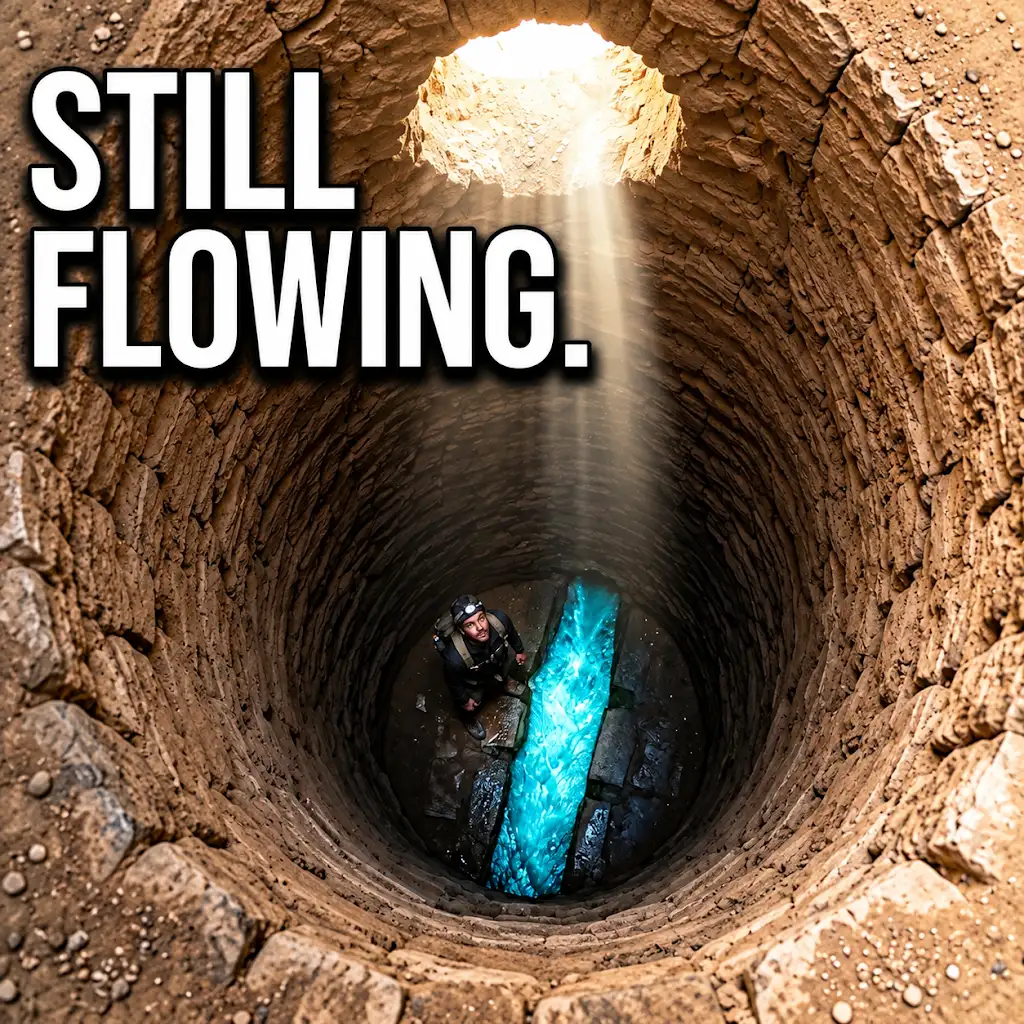
The genesis of every qanat lies in the mother well, also known as the “chah-e madar” in Persian. This is the deepest and widest vertical shaft, strategically located at the point where the underground aquifer is most accessible. The construction of the mother well is the most challenging and dangerous phase of qanat building. Excavation proceeds downwards, often through a variety of soil types, rock layers, and potentially unstable ground. The depth of the mother well can vary significantly, from a few meters to over a hundred meters, depending on the depth of the water table. The diameter is typically large enough to allow for construction and maintenance access.
The Tunnels: The Flowing Veins
From the mother well, a long, gently sloping horizontal tunnel, known as the “gallary” or “kalaj,” is excavated towards the surface. This tunnel is the primary conduit for water flow. Its slope is crucial: too steep, and the water will flow too quickly, causing erosion and potential collapse; too shallow, and the water will stagnate or fail to reach its destination. The gradient is carefully calculated, typically ranging from 1:1000 to 1:2000, ensuring a steady and controlled flow. The height and width of the tunnel are designed to accommodate the expected water volume and allow for maintenance access, usually around 1.5 meters high and 1 meter wide. The excavated soil and rock are brought to the surface via vertical shafts.
Access Shafts: Ventilation and Maintenance Pathways
Interspersed along the length of the main tunnel are a series of vertical access shafts, known as “chah-ha” or “chah-e gozar.” These shafts serve multiple critical purposes. Firstly, they provide ventilation, allowing fresh air to circulate within the dark, confined tunnels, making construction and subsequent maintenance safer for workers. Secondly, and perhaps more importantly, they are essential for maintenance. Over time, qanats can become clogged with sediment, debris, or experience structural damage. The access shafts allow workers to descend into the tunnel, remove obstructions, and carry out repairs. The spacing of these shafts is determined by the terrain and the need for efficient access, typically ranging from 30 to 100 meters apart. The excavated material from these shafts is piled up around the opening, often forming a distinctive mound.
The Distribution Network: Bringing Water to Life
At the end of the main tunnel, the qanat emerges at the surface, often at a lower elevation than the source well. This is where the water is brought to the point of use. In agricultural settings, the qanat’s outflow is typically directed into a system of surface channels and distribution ditches that irrigate fields. In settlements, the water might feed into reservoirs or cisterns for domestic use and public fountains. The careful management and equitable distribution of this vital resource were often overseen by a “mirab,” a water master who regulated the flow and ensured fair allocation among users.
The Art of Construction: A Testament to Human Labor and Skill

Building a qanat was not a simple task; it was a highly skilled craft that demanded immense physical labor, meticulous planning, and generations of accumulated knowledge. The entire process relied on human power, basic tools, and an intimate understanding of the earth’s composition.
Site Selection and Surveying
The initial phase involved selecting the optimal location for the mother well, which required a thorough understanding of local geology and hydrology. Surveyors would identify areas where the water table was high enough to sustain a continuous flow. They then meticulously mapped out the proposed route of the qanat, accounting for the topography to ensure the necessary downward gradient. This surveying was done using rudimentary but effective methods, often involving sighting devices and a keen eye for the landscape.
Excavation Techniques and Tools
The heart of qanat construction was the manual excavation of the underground tunnels and shafts. Workers, often in teams, would dig with pickaxes, shovels, and simple drills. The excavated earth was transported to the surface in baskets or buckets, a back-breaking and time-consuming process. In harder rock formations, more specialized tools like chisels and hammers were employed. The construction often occurred in sections, with workers digging from both ends of a tunnel and meeting in the middle. Safety was a paramount concern, with workers using ropes and rudimentary scaffolding.
Structural Integrity and Reinforcement
Maintaining the structural integrity of the qanat tunnels was crucial for their longevity. In areas with unstable soil or rock, builders would reinforce the tunnel walls and ceilings with stone, brick, or baked clay rings. These reinforcements helped prevent collapses and ensured the tunnel remained open for the passage of water. The quality of construction was a significant factor in a qanat’s lifespan. A well-built qanat could remain functional for centuries, while poorly constructed ones might fail prematurely.
Maintaining the Flow: The Ongoing Labor of Qanat Keepers
The construction of a qanat was not a one-time event; it required continuous maintenance to ensure its continued operation. A dedicated group of skilled individuals, known as “qanat keepers” or “mu’allim qanat,” were responsible for regular inspections, cleaning out sediment and debris, and repairing any damage. This ongoing labor was as essential as the initial construction. Blockages could quickly reduce or stop the water flow, impacting agriculture and the survival of communities. Therefore, the role of the qanat keeper was highly respected and vital to the well-being of the entire society.
The Socio-Economic Impact: Water as the Lifeblood of Civilization
The qanat system was far more than just an engineering marvel; it was the cornerstone of social and economic life in the arid regions of Persia. By providing a reliable source of water, qanats enabled the transformation of barren landscapes into fertile agricultural lands, fostered the growth of prosperous towns and cities, and shaped the very fabric of society.
Agriculture and Food Security
The most significant impact of the qanat was its ability to support intensive agriculture in environments that would otherwise be unsuitable for cultivation. The consistent supply of water allowed for the development of sophisticated irrigation systems, enabling the growth of a wide range of crops, from grains and fruits to vegetables and date palms. This agricultural productivity not only sustained local populations but also contributed to regional trade and economic prosperity. The qanat effectively extended the reach of arable land, turning arid zones into oases of abundance.
Urbanization and Settlement Patterns
The presence of a reliable water source was a prerequisite for the establishment and growth of settlements. Qanats provided the water needed for domestic use, sanitation, and small-scale industries, enabling the development of villages, towns, and even larger cities in otherwise inhospitable terrain. The location and scale of qanats often dictated the size and distribution of human settlements. Many ancient cities in Iran owe their existence and prosperity to the ingenious water-gathering capabilities of their qanat systems.
Social Structure and Water Management
The management and distribution of qanat water often led to the development of complex social structures and governance systems. In many communities, the “mirab” played a crucial role in ensuring equitable access to water, mediating disputes, and enforcing regulations. The shared reliance on the qanat fostered a sense of community and interdependence, as the success of one depended on the responsible use by all. The qanat system thus played a significant role in shaping social hierarchies and the communal organization of life.
Cultural Significance and Legacy
The qanat is deeply ingrained in the cultural heritage of Iran and other regions where it was implemented. It is a symbol of human perseverance, ingenuity, and the ability to adapt to challenging environments. The architectural and engineering principles behind the qanat have been passed down through oral traditions and practical apprenticeship, becoming a vital part of local knowledge systems. The UNESCO World Heritage inscription of several Persian qanats acknowledges their universal value and their importance as a testament to sustainable water management practices from antiquity.
The Persian qanat system, an ancient method of irrigation that utilizes underground channels to transport water from aquifers to arid regions, has been a topic of interest for many researchers. For those looking to explore the historical significance and engineering marvel of this system, a related article can provide valuable insights. You can read more about it in this informative piece that discusses various aspects of ancient irrigation techniques and their impact on agriculture. This connection to historical practices can be further appreciated by visiting this article, which highlights the importance of sustainable resource management in modern contexts.
The Enduring Relevance of the Qanat: Lessons for the Modern World
| Aspect | Description | Typical Measurements | Function |
|---|---|---|---|
| Qanat | Underground tunnel system to transport water from aquifers to surface | Length: 1 to 10+ km | Water conveyance for irrigation and drinking |
| Mother Well | Vertical shaft reaching the water table | Diameter: 2-3 meters; Depth: varies with water table | Access point to groundwater |
| Vertical Shafts | Series of vertical access shafts along the qanat tunnel | Spacing: 20-35 meters apart; Diameter: 1-2 meters | Ventilation, excavation access, and maintenance |
| Tunnel Gradient | Gentle slope to allow water flow by gravity | Gradient: 1:1000 to 1:1500 | Ensures continuous water flow without erosion |
| Water Flow Rate | Amount of water transported through qanat | Typically 10-50 liters per second | Supply for irrigation and domestic use |
| Construction Time | Time required to build a qanat | Months to several years depending on length | Establish sustainable water source |
| Maintenance | Regular cleaning and repair of tunnels and shafts | Annual or biannual inspections | Prevent collapse and ensure water flow |
Despite the advent of modern technologies like pumps and large-scale dam construction, the Persian qanat system remains remarkably relevant in the 21st century. Its principles of sustainable water management, community involvement, and ecological respect offer valuable lessons for addressing contemporary water scarcity challenges.
Sustainability and Resource Conservation
The qanat system is inherently sustainable. It relies on natural recharge of aquifers and gravity flow, minimizing energy consumption and environmental impact. Unlike many modern water projects that can disrupt ecosystems and deplete resources, the qanat works in harmony with the natural water cycle. This focus on conservation and a gentle approach to resource extraction is a stark contrast to some of the more impactful modern solutions.
Resilience in the Face of Climate Change
As the world grapples with the escalating impacts of climate change, including increased droughts and unpredictable rainfall patterns, the qanat’s resilience stands out. These ancient systems have demonstrated their ability to provide a consistent water supply even during prolonged dry spells, as they tap into deep, more stable underground water sources. Their decentralized nature also makes them less vulnerable to large-scale infrastructure failures.
Community-Based Water Management Models
The qanat system highlights the effectiveness of community-based water management. The shared ownership, responsibility, and the role of the mirab in ensuring equitable distribution offer a model for modern water governance. Empowering local communities and fostering their active participation in water resource management is increasingly recognized as crucial for achieving effective and sustainable outcomes.
Inspiration for Innovative Technologies
While modern technology offers new solutions, the qanat’s fundamental principles continue to inspire innovation. Research into the hydrogeological understanding behind qanat siting and the engineering principles of their construction can inform the design of new underground water storage and conveyance systems. Moreover, the spirit of ingenuity and adaptation embodied by the qanat builders serves as a powerful reminder of human potential in overcoming environmental challenges. The continued existence and even the revival of some qanats in Iran and beyond are testaments to their enduring efficacy and their deep-rooted importance in arid and semi-arid regions worldwide.
They Dug Water Tunnels Under the Desert… And They Still Flow
FAQs
What is a qanat system?
A qanat system is an ancient underground irrigation system used to transport water from an aquifer or water source to the surface for agricultural and domestic use.
How does a Persian qanat system work?
A Persian qanat system consists of a series of gently sloping underground tunnels that channel water from a higher elevation source to a lower elevation destination, using gravity to move the water without the need for pumps.
What are the benefits of a qanat system?
Qanat systems provide a reliable and sustainable water supply for agriculture, reduce water loss due to evaporation and seepage, help prevent soil salinization, and can also contribute to groundwater recharge.
Where are qanat systems commonly found?
Qanat systems are most commonly found in arid and semi-arid regions, such as Iran, where they have been used for centuries to provide water for agriculture, urban areas, and gardens.
What is the historical significance of Persian qanat systems?
Persian qanat systems have a long history dating back over 3,000 years and have played a crucial role in the development of ancient civilizations in the region by enabling sustainable agriculture and settlement in arid environments.