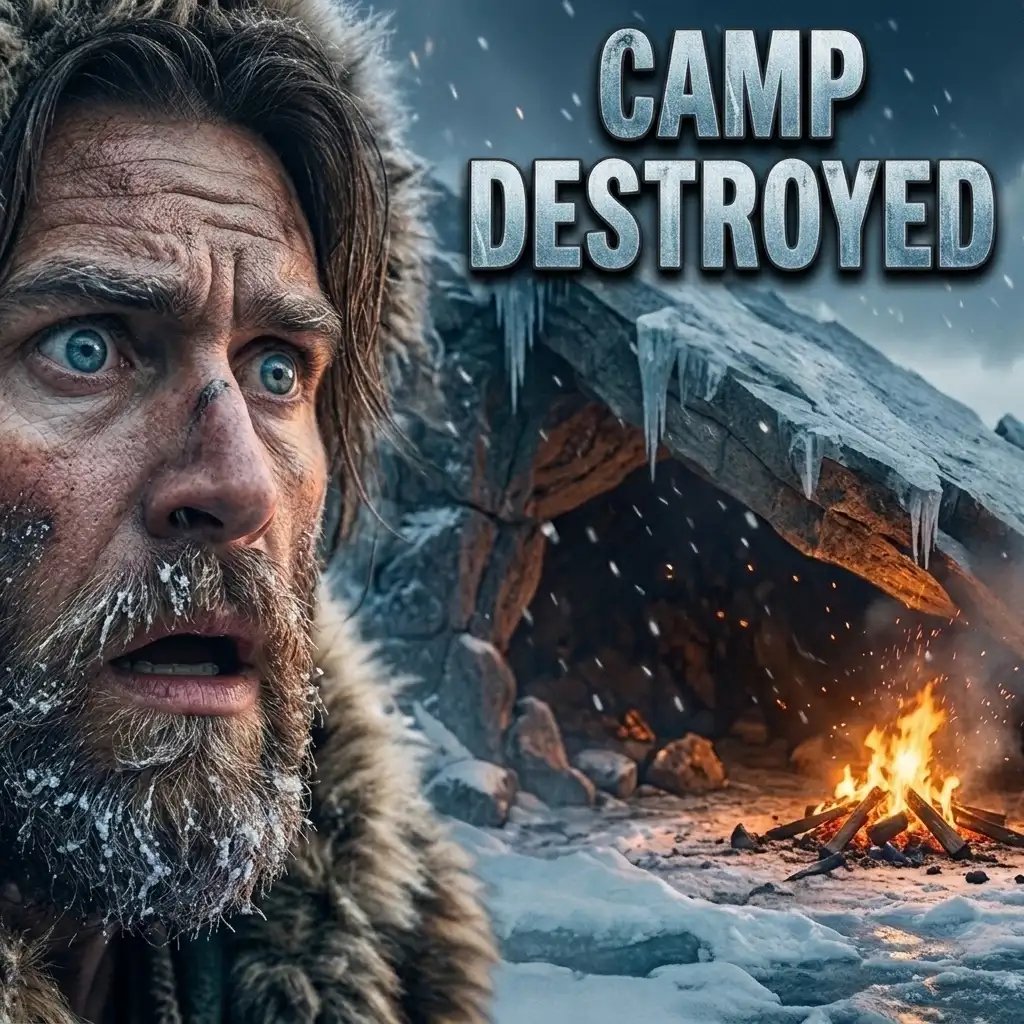
The flickering images on the screen transport viewers back through the mists of time, to an epoch where the very foundations of humanity were being forged. The documentary, “Pleistocene Epoch: Unveiling Human Evolution in Ancient Times,” offers a compelling and comprehensive journey into a period of immense transformation, chronicling the evolutionary saga of our ancient ancestors. This exploration is not merely a historical recount; it is a vivid tapestry woven with scientific discovery, archaeological evidence, and cutting-edge visualisations, all designed to bring the Pleistocene world to life and illuminate the intricate pathways that led to modern Homo sapiens.
The Dawn of a New Era: Defining the Pleistocene
The documentary sets the stage by meticulously defining the Pleistocene Epoch, often referred to as the “Ice Age.” It paints a picture of a dynamic planet, characterized by dramatic climatic shifts, the waxing and waning of massive ice sheets, and landscapes vastly different from those of today. The sheer scale of geological time is emphasized, allowing the audience to grasp the immense duration of this critical period, which spanned from approximately 2.6 million to 11,700 years ago.
Epochal Boundaries and Climatic Oscillations
The film delves into the geological markers that delineate the Pleistocene. Scientists explain the significance of ice core data and sediment analysis, revealing the cyclical nature of glacial and interglacial periods. These oscillations were not mere temperature fluctuations; they profoundly shaped ecosystems, influenced migration patterns, and acted as powerful selective pressures on early hominin populations. Viewers gain an understanding of how ice ages, while seemingly harsh, also spurred innovation and adaptation, creating a crucible for evolutionary change. The documentary utilizes engaging animations to illustrate the vastness of the ice sheets, their impact on sea levels, and the subsequent emergence and recession of land bridges, crucial for hominin dispersal.
Geological Landscapes and Environmental Pressures
The visual reconstruction of Pleistocene landscapes is a triumph of modern technology. Gone are the static museum dioramas; instead, viewers witness sprawling savannas dotted with megafauna, dense forests receding under glacial encroachment, and arid regions transforming into verdant grasslands. The documentary emphasizes the environmental pressures that early hominins faced, from the constant threat of predators to the challenging task of finding food and shelter. The interconnectedness of life is highlighted, showing how the evolution of plants and animals directly influenced the survival and development of our ancestors. The impact of these environmental shifts on resource availability is explored, demonstrating how changes in vegetation and prey populations forced hominins to become more adaptable and resourceful.
The Pleistocene Epoch, a critical period in human evolution, has been the subject of various documentaries that explore the development of early hominins and their adaptation to changing environments. A fascinating article that delves into the complexities of human evolution and the implications of historical narratives is available at this link: Navigating Post-Colonial Borders: Challenges and Opportunities. This piece provides insights into how our understanding of human history is shaped by cultural contexts, making it a valuable resource for anyone interested in the broader implications of Pleistocene studies.
The March of Hominins: From Australopithecines to Homo Erectus

A significant portion of the documentary is dedicated to tracing the lineage of human evolution during the Pleistocene. It moves beyond a simple chronological listing of species, instead focusing on the key evolutionary innovations and adaptations that characterized each stage. The narrative emphasizes the ongoing scientific debate and the constant refinement of our understanding as new fossil discoveries emerge.
Australopithecine Ancestors: The Seeds of Bipedalism
The journey begins with the Australopithecines, highlighting their significance as early hominins who likely walked upright. The film showcases casts and 3D reconstructions of iconic finds, explaining the anatomical evidence for bipedalism – changes in the pelvis, femur, and foot structure. While not direct ancestors of Homo sapiens, their evolutionary trajectory provides crucial insights into the very origins of hominin locomotion, a defining characteristic that set our lineage apart. The documentary explores the potential advantages of bipedalism, such as freeing up the hands for carrying objects and improved thermoregulation, setting the stage for future cognitive and technological advancements. The complex mosaic of traits observed in Australopithecines, balancing arboreal and terrestrial adaptations, is vividly presented.
The Emergence of the Genus Homo: A Leap in Brain Size and Tool Use
The transition to the genus Homo is presented as a pivotal moment. The documentary focuses on Homo habilis, the “handy man,” and the remarkable evidence of early stone tool manufacture. Viewers are shown detailed analyses of Oldowan tools, illustrating the ingenuity and deliberate nature of their creation. The film connects this newfound tool-making ability to a likely increase in brain size and changes in diet, suggesting a feedback loop where better tools led to access to more nutritious foods, which in turn fueled brain growth. The debate surrounding the precise species that first developed these skills is acknowledged, but the overarching narrative emphasizes the dawning of technological prowess. The documentary skillfully portrays the cognitive leap required for tool manufacture, from understanding the properties of stone to the execution of controlled fracture.
The Wanderlust of Homo Erectus: Migration and Adaptation
Homo erectus emerges as a true game-changer in human evolution. The documentary dedicates substantial segments to this remarkably successful species, emphasizing their extended survival and wide geographical distribution across Africa, Asia, and potentially Europe. The Acheulean handaxe, a more sophisticated tool, is presented as a hallmark of their technological capabilities. The film explores the adaptive strategies of Homo erectus, including their potential mastery of fire, which would have offered protection, warmth, and the ability to cook food, making it more digestible and increasing nutrient absorption. The evidence for their migration out of Africa is meticulously presented, illustrating how they encountered and adapted to diverse environments, a testament to their resilience and advanced cognitive abilities. The documentary highlights the significance of Homo erectus in pioneering the expansion of hominin populations across the globe.
The Age of the Neanderthals and the Rise of Homo Sapiens

The latter part of the Pleistocene saw the flourishing and eventual demise of Neanderthals, and the ascendancy of our own species, Homo sapiens. This section of the documentary is filled with both fascination and pathos, exploring the complex relationship between these closely related hominins.
Neanderthals: Our Close Cousins and Their Sophistication
The film challenges outdated stereotypes of Neanderthals as brutish and primitive. Instead, it presents them as highly adapted and intelligent hominins who thrived in the challenging European and Asian climates. Extensive evidence for their complex social structures, burial practices, and sophisticated hunting techniques is showcased. Viewers learn about the Mousterian tool industry, showcasing their mastery of stone knapping. The documentary discusses their unique physical adaptations to cold environments, such as their stocky build and large nasal cavities. The genetic evidence for interbreeding between Neanderthals and Homo sapiens is presented as a crucial piece of the puzzle, revealing a more nuanced and interconnected evolutionary history than previously imagined. The film uses detailed anatomical comparisons and paleoanthropological interpretations to bring the Neanderthal world into sharp focus.
The Emergence and Spread of Homo Sapiens: Cognitive Revolution
The documentary then turns its attention to the origins and early dispersal of Homo sapiens. It explores the concept of the “Out of Africa” model and the genetic evidence supporting it. The film highlights the rapid technological and cultural innovations associated with early Homo sapiens, often referred to as the “Upper Paleolithic Revolution.” This includes the development of more refined tools, the creation of symbolic art – cave paintings, sculptures, and personal adornments – and the emergence of complex language. The film emphasizes how these cognitive advancements likely provided Homo sapiens with a significant advantage in adapting to new environments and interacting with other hominin groups. The documentary showcases stunning recreations of early Homo sapiens settlements and hunting strategies, demonstrating their increasing mastery of their environment.
The Interaction and Legacy of Different Hominin Species
The complex interplay between Homo sapiens, Neanderthals, and other contemporary hominin groups is a central theme. The documentary explores various hypotheses for the Neanderthal extinction, from direct competition and assimilation to disease and environmental changes. The genetic legacy of Neanderthals within modern human populations is discussed, underscoring the idea that our evolutionary story is one of interconnectedness rather than complete separation. The film encourages viewers to contemplate the diversity of human evolution and the many paths not taken, recognizing that Homo sapiens is just one branch on a much larger tree. The ethical considerations of studying ancient hominins and the importance of respecting their place in our shared past are also subtly woven into the narrative.
Tools of Discovery: Unearthing the Past
The documentary wouldn’t be complete without an exploration of the scientific methods and archaeological discoveries that have allowed us to piece together the story of the Pleistocene. It highlights the dedication and ingenuity of the scientists who dedicate their lives to this field.
Fossil Hunting and Paleoanthropology: The Foundation of Our Knowledge
Viewers are taken behind the scenes, witnessing the arduous work of fossil excavation in remote and challenging locations. The documentary explains the painstaking process of identifying, extracting, and preserving fossil remains. The role of paleoanthropologists in interpreting these finds, using comparative anatomy and geological context, is emphasized. The film celebrates landmark discoveries that have reshaped our understanding of human evolution, from the Taung Child to the Dmanisi skulls. The meticulous nature of scientific discovery, involving years of fieldwork, laboratory analysis, and peer review, is clearly demonstrated, fostering an appreciation for the scientific process. The documentary provides a glimpse into the fieldwork of intrepid scientists, showing the challenges and rewards of uncovering our ancient past.
Dating Techniques and Technological Advancements
The accuracy of our understanding of the Pleistocene is heavily reliant on sophisticated dating techniques. The documentary explains the principles behind radiocarbon dating, potassium-argon dating, and thermoluminescence, illustrating how these methods allow scientists to assign ages to fossils and artifacts. Furthermore, the film showcases how modern technologies, such as CT scanning, electron microscopy, and DNA analysis, are revolutionizing paleoanthropology. These tools enable researchers to extract more information from fragmented remains, reconstruct ancient environments, and even analyze the ancient DNA of extinct hominins, providing unprecedented insights into their biology and relationships. The documentary effectively conveys how technological innovation continuously pushes the boundaries of scientific understanding.
Reconstructing Ancient Worlds: Art, Archaeology, and Simulation
Beyond the analysis of physical remains, the documentary emphasizes the power of reconstruction and simulation. Viewers witness how artists, archaeologists, and scientists collaborate to create vivid visual and experiential models of Pleistocene life. This includes the creation of lifelike hominin reconstructions, the archaeological interpretation of ancient living sites, and sophisticated computer simulations of migration patterns and environmental changes. These reconstructions, grounded in scientific data, allow the audience to immerse themselves in the past, fostering a deeper emotional and intellectual connection to our evolutionary journey. The film highlights the multidisciplinary approach required to paint a comprehensive picture of our ancient ancestors and their world.
In exploring the fascinating narrative of human evolution during the Pleistocene epoch, one can gain deeper insights by examining the geological context that shaped early human habitats. An intriguing article discusses the geological evidence found in subglacial Antarctica, which may provide clues about ancient climate conditions and their impact on human migration patterns. For a more comprehensive understanding of this relationship, you can read the article on geological evidence that sheds light on how these environments influenced the evolution of early hominins.
The Enduring Legacy: Lessons from the Pleistocene
| Metric | Value | Description |
|---|---|---|
| Epoch Duration | 2.58 million – 11,700 years ago | Time span of the Pleistocene epoch |
| Major Hominin Species | Homo erectus, Homo neanderthalensis, Homo sapiens | Key human ancestors and relatives during the Pleistocene |
| Climate Characteristics | Repeated glacial cycles | Alternating ice ages and warmer interglacial periods |
| Tool Technology | Oldowan, Acheulean, Mousterian | Stone tool cultures associated with human evolution |
| Human Migration | Africa to Eurasia and beyond | Expansion of Homo sapiens and other hominins across continents |
| Documentary Lore Focus | Evolutionary milestones and survival strategies | Common themes explored in documentaries about this epoch |
| Estimated Population | Thousands to tens of thousands | Approximate size of early human populations during late Pleistocene |
As the documentary draws to a close, it shifts its focus to the enduring legacy of the Pleistocene and its relevance to our modern world. The lessons learned from our ancient past offer valuable perspectives on our own species and the challenges we face today.
Adaptation and Resilience: The Keys to Survival
The overarching theme that emerges is the remarkable capacity for adaptation and resilience demonstrated by our ancestors. The documentary underscores how, through environmental challenges, evolutionary pressures, and technological innovation, hominins consistently found ways to survive and thrive. This narrative of perseverance serves as a powerful reminder of humanity’s inherent drive to overcome obstacles. The film encourages reflection on how these ancient survival strategies might inform our approach to contemporary global challenges, from climate change to resource management. The inherent adaptability of hominins, a trait honed over millions of years, is presented as a cornerstone of human success.
The Interconnectedness of Life and Our Place Within It
The Pleistocene Epoch was a time of profound ecological change, and the documentary emphasizes the interconnectedness of all life forms. It illustrates how the evolution of one species influenced the evolution of others, creating intricate webs of dependency. This perspective encourages a deeper appreciation for biodiversity and the delicate balance of ecosystems. For viewers, this understanding fosters a sense of responsibility towards the natural world and highlights our own place within a larger, interconnected biological tapestry. The documentary subtly advocates for a more harmonious relationship with the environment.
Understanding Ourselves Through Our Ancient Kin
Ultimately, “Pleistocene Epoch: Unveiling Human Evolution in Ancient Times” offers a profound journey of self-discovery. By exploring the lives, struggles, and triumphs of our ancient ancestors, we gain a deeper understanding of what it means to be human. The documentary reveals the deep evolutionary roots of our intelligence, our social behaviors, and our capacity for innovation. It reminds us that we are the products of a long and complex evolutionary process, and that our past continues to shape our present and our future. The film leaves the audience with a sense of awe at the vastness of time and a renewed appreciation for the extraordinary journey of human evolution.