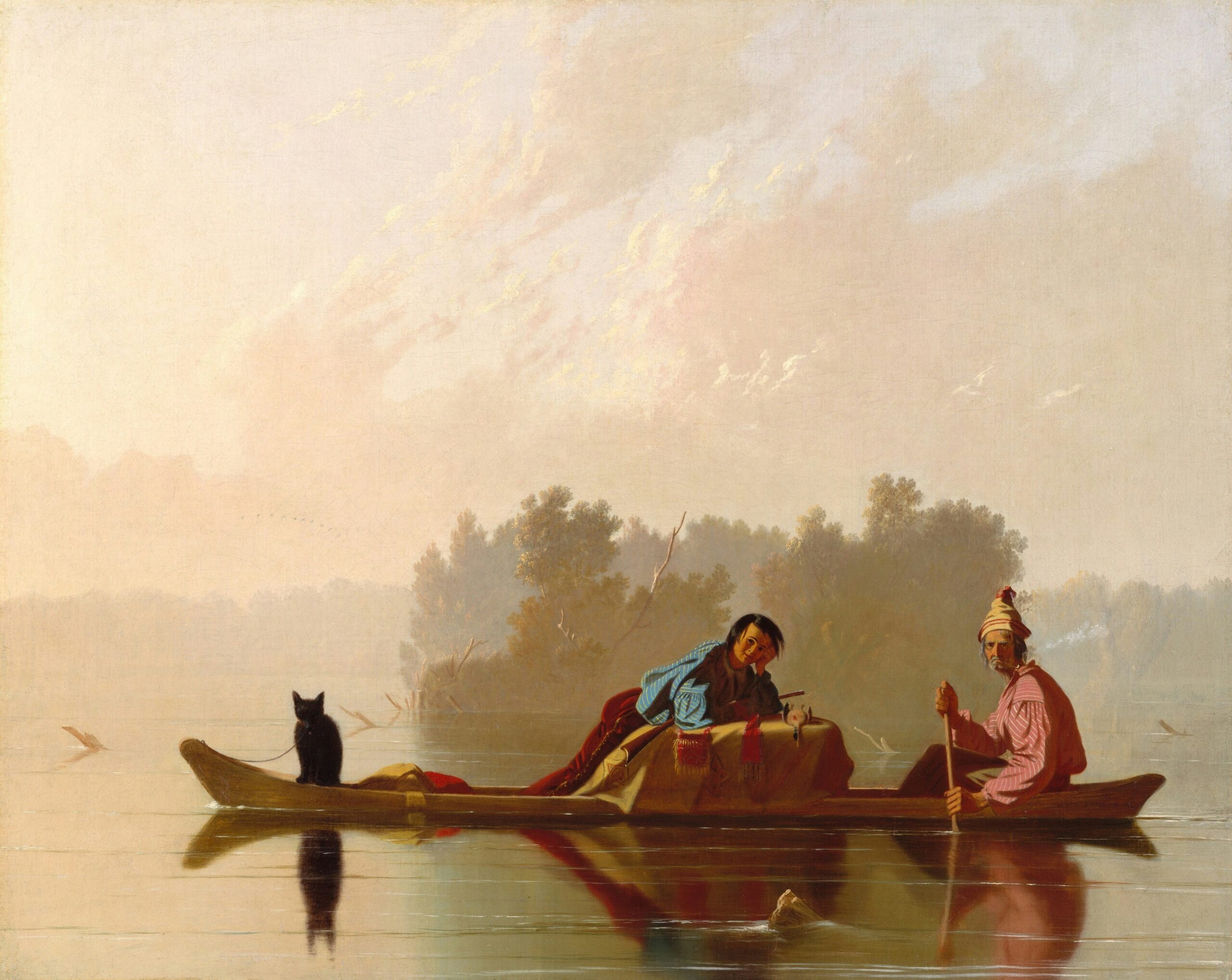
The Whispers of the Past: Unraveling the Absence of Pocahontas’s Daughters
The tale of Pocahontas, the Native American princess who, according to popular legend, saved Captain John Smith, is a cornerstone of early American history and folklore. Her story, immortalized in countless books, films, and artworks, has shaped public perception for centuries. Yet, beneath the romanticized veneer lies a complex historical reality, one that often simplifies or omits crucial aspects of her life. Among these overlooked facets is the persistent notion that Pocahontas had no daughters, a claim that deserves closer examination given the surviving historical records and the broader context of Powhatan society. This article will delve into the myth of Pocahontas having no daughters, exploring the historical evidence, the societal implications, and the enduring impact of this narrative on her legacy.
In exploring the historical narratives surrounding Pocahontas, it is intriguing to consider the broader context of women’s roles in history, particularly in relation to their legacies and descendants. An insightful article that delves into the mysteries of ancient structures and their historical significance is available at this link: Unraveling the Baalbek Stone Block Mystery. This piece highlights how the stories of women like Pocahontas can often be overshadowed by the monumental achievements of their male counterparts, prompting a reevaluation of their contributions to history.
The Historical Canvas: Tracing Pocahontas’s Known Offspring

The historical accounts of Pocahontas’s life are fragmented and often filtered through the perspectives of English colonists. While the popular image paints a clear picture, the nuances of her familial relationships are less defined. Pocahontas, born Matoaka, was the daughter of Chief Powhatan. Her documented life after her encounter with John Smith involves her capture by the English, her conversion to Christianity, her renaming to Rebecca, and her marriage to John Rolfe. It is through this latter period that any discussion of her children arises.
Pocahontas and John Rolfe: A Union and Its Progeny
The marriage of Pocahontas (Rebecca) and John Rolfe in 1614 was a pivotal event, intended to bring about a period of peace between the Powhatan people and the English colonists. From this union, historical records clearly indicate the birth of at least one child. This child was a son, Thomas Rolfe. His existence is well-documented in various colonial records, including letters and official correspondence. Thomas Rolfe grew up in England for a period before returning to Virginia. His lineage is traced through his own descendants, solidifying his place as Pocahontas’s known child with John Rolfe. The absence of any mention of daughters born from this marriage in contemporary accounts is a significant piece of evidence that fuels the narrative of her having no daughters.
The Shadow of Uncertainty: Early Life and Unrecorded Children
The earlier years of Pocahontas’s life, before her encounter with John Smith and her subsequent interactions with the English, are less thoroughly documented. As a young woman in Powhatan society, it is historically plausible that she might have had other relationships or children before her marriage to John Rolfe. However, the English colonists, who were the primary record-keepers of this era, offered limited insights into the intricacies of Powhatan family structures beyond what directly involved their own interests. If Pocahontas had children who did not survive to adulthood, or if they were born into circumstances not deemed significant by the colonial scribes, their existence might have gone unrecorded. The lack of direct evidence, however, is not the same as conclusive proof of absence.
The Cultural Mirror: Societal Expectations and Historical Narratives

The perception of Pocahontas’s progeny is not solely a matter of historical fact-finding; it is also deeply intertwined with the cultural lenses through which her story has been viewed and retold. The dominant narrative has often been shaped by colonial biases and romanticized portrayals, which can inadvertently simplify or distort the historical record. The focus on Pocahontas as a romantic figure, or as a symbol of a nascent American identity, has sometimes overshadowed the more complex realities of her life and family.
The Power of the Print: Colonial Accounts and Their Limitations
The primary sources for Pocahontas’s life are the writings of English colonists, most notably Captain John Smith and John Rolfe himself. These accounts, while invaluable, were written from a specific perspective. They often emphasized events that aligned with the colonists’ agenda, such as the establishment of their settlement, their interactions with Native leaders, and the perceived civility or barbarity of the indigenous population. The detailed genealogy or the intimate family lives of Native individuals were rarely a primary concern unless they directly impacted colonial affairs. Therefore, any absence of mention of daughters could simply reflect the limitations of these colonial records rather than a definitive statement of fact.
Reimagining Pocahontas: Folklore, Fiction, and the Absence of Daughters
Over centuries, Pocahontas’s story has been transformed through folklore, literature, and, most recently, popular films. These retellings have often taken liberties with historical accuracy to create compelling narratives. The Disney animated film, for instance, presents a highly fictionalized version of Pocahontas, emphasizing her youthful spirit and romantic entanglement with John Smith. While entertaining, such adaptations often serve to solidify a particular, often simplified, version of events in the public consciousness. In these popular narratives, the focus has rarely been on Pocahontas’s potential daughters, contributing to the myth that she had none. The emphasis has been on her agency, her connection to the land, and her role in mediating between two cultures, rather than on her specific maternal legacy beyond a singular child.
The Legacy of Lineage: Tracing Pocahontas’s Descendants
Despite the myth of her having no daughters, the impact of Pocahontas’s lineage is undeniable. The existence of her son, Thomas Rolfe, and his descendants has played a significant role in shaping the genealogical and historical landscape of Virginia. Understanding the reality of her offspring, or the lack thereof, is crucial for a complete appreciation of her enduring legacy.
Thomas Rolfe: The Known Heir and His Family Tree
As mentioned, Thomas Rolfe is the historically verifiable son of Pocahontas and John Rolfe. His life and descendants have been a subject of considerable genealogical research. Through Thomas, Pocahontas has a tangible line of descent that continues to the present day. His children and grandchildren were integral to the early colonial society of Virginia, marrying into prominent English families and contributing to the social and political fabric of the colony. The existence of this direct male line provides a concrete anchor for Pocahontas’s presence in the historical record, even as the question of daughters remains.
The Hypothetical Daughters: Imagining Unrecorded Lives
While historical records are silent on the matter of Pocahontas having daughters, the absence of mention does not equate to definitive proof of non-existence, especially considering the limitations of the historical record. It is entirely possible that Pocahontas had daughters who did not survive infancy or childhood, or whose lives were not deemed significant enough for colonial scribes to document. Furthermore, if Pocahontas had children prior to her documented marriage to John Rolfe, their existence and gender would be even less likely to be recorded by the English. The idea of hypothetical daughters remains a space for speculation, but it is important to distinguish between historical possibility and documented fact. The myth of her having no daughters is largely perpetuated by the absence of positive evidence to the contrary within the surviving colonial narratives.
The story of Pocahontas is often romanticized, but it is important to explore the historical context surrounding her life, including the fact that she had no daughters to carry on her lineage. For those interested in delving deeper into the complexities of history and its connections to various cultures, a fascinating article on ancient astronomy can provide insights into how civilizations understood their world. You can read more about this intriguing topic in the article Uncovering Ancient Astronomy Secrets.
The Nuance of Truth: Examining the Evidence and its Interpretation
| Aspect | Details |
|---|---|
| Historical Figure | Pocahontas (c. 1596–1617) |
| Known Children | One son, Thomas Rolfe |
| Daughters | No documented daughters |
| Spouse | John Rolfe |
| Significance | Native American woman notable for her association with the colonial settlement at Jamestown, Virginia |
| Legacy | Descendants through her son Thomas Rolfe; no direct female descendants documented |
The question of whether Pocahontas had daughters is not a simple yes or no answer. It requires a careful examination of the available evidence, an understanding of the historical context in which these records were created, and a critical approach to popular interpretations. The myth of her having no daughters is more a reflection of what was recorded and emphasized by the English colonists than a definitive statement about Pocahontas’s reproductive history.
Colonial Records: A Limited Lens on Indigenous Lives
It is crucial to reiterate that colonial records are inherently biased. The English were primarily concerned with establishing their own dominion and documenting events that served their purposes. The detailed family trees and domestic lives of indigenous people were rarely a priority, especially if they did not directly impact the English presence. For example, if Pocahontas had daughters who remained within the Powhatan community and did not interact significantly with the colonists, their existence would likely not have been recorded. The absence of mention of daughters in these colonial accounts therefore offers a limited view, rather than a comprehensive one, of Pocahontas’s life.
The Persistence of Myth: Why the “No Daughters” Narrative Endures
The myth of Pocahontas having no daughters seems to persist due to several factors. Firstly, the most prominent and widely disseminated historical accounts focus on her son, Thomas Rolfe, as the sole known offspring from her marriage to John Rolfe. Secondly, popular culture, particularly through romanticized retellings, has tended to simplify her story, focusing on her pivotal role as a young woman rather than delving into the complexities of her later life and potential broader family. The narrative of a singular, well-documented son offers a clear lineage, whereas the potential for unrecorded daughters introduces a layer of ambiguity that many historical narratives prefer to avoid. The focus on a single, significant male heir can also align with patriarchal societal norms that often emphasized male lineage.
Beyond the Myth: Pocahontas’s Enduring Significance
Regardless of the precise number of her children, Pocahontas’s significance in American history and imagination remains profound. Her story, however embellished, represents a crucial early point of contact between Native American cultures and European colonizers. Understanding the nuances of her life, including the discussions around her offspring, allows for a more accurate and respectful appreciation of her legacy.
A Bridge Between Worlds: Pocahontas’s Role in History
Pocahontas, whether as Matoaka or Rebecca, stands as a powerful symbol of cultural intersection. Her documented interactions with the English, her marriage to John Rolfe, and the birth of her son Thomas Rolfe are all undeniable threads in the tapestry of early American history. The myth of her having no daughters, while prevalent, does not diminish her historical importance as a figure who navigated complex relationships between her people and the arriving Europeans. Her story continues to be a subject of fascination and debate, prompting ongoing scholarship and cultural reinterpretation.
The Ongoing Exploration of Pocahontas’s Life
The exploration of Pocahontas’s life is an ongoing process. As historians and researchers continue to examine primary sources, re-evaluate existing narratives, and uncover new information, our understanding of her story evolves. The question of her daughters, while seemingly minor in the grand scheme of her historical impact, serves as a potent reminder of the limitations of historical records and the ways in which myths can form and persist. By critically examining these myths, we can move towards a more complete and nuanced understanding of this pivotal figure in American history. The absence of documented daughters does not define her legacy; rather, it highlights the selective nature of historical documentation and the enduring power of interpretation.
DNA Challenged This Family’s Pocahontas Ancestry Claim
FAQs
What is the article “Pocahontas No Daughters” about?
The article “Pocahontas No Daughters” explores the historical account of Pocahontas, the Native American woman known for her association with the English colonists in Jamestown, and her lack of daughters.
Why is the absence of daughters significant in the context of Pocahontas’s story?
The absence of daughters is significant in Pocahontas’s story because it raises questions about the continuation of her lineage and the impact it may have had on her legacy.
What are some theories or explanations for why Pocahontas did not have daughters?
Some theories suggest that Pocahontas may have faced challenges in bearing daughters due to various factors such as health issues, environmental conditions, or genetic predispositions.
How does the absence of daughters influence the historical narrative surrounding Pocahontas?
The absence of daughters adds a layer of complexity to the historical narrative surrounding Pocahontas, prompting scholars and researchers to delve deeper into her personal life and the implications of not having daughters.
What other aspects of Pocahontas’s life and legacy are explored in the article?
In addition to the absence of daughters, the article may delve into Pocahontas’s interactions with the English colonists, her role as a mediator between the Native Americans and the settlers, and the impact of her story on popular culture and historical interpretations.