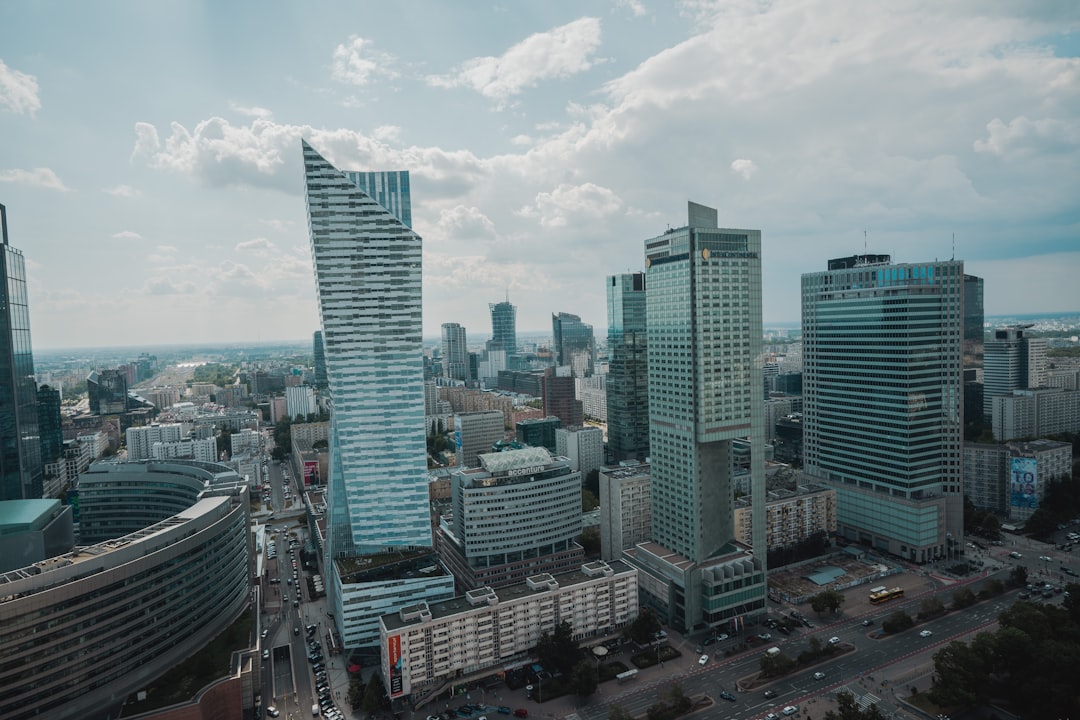
Poland’s economic trajectory since its transition from communism in 1989 has been a compelling case study in growth and resilience. The nation, once part of the Eastern Bloc, has steadily climbed the economic ladder, transforming into a vibrant market economy within the European Union. This article will delve into the multifaceted aspects of Poland’s economic success, examining the key drivers, challenges, and future prospects.
Poland’s journey began with a radical shift from a centrally planned economy to a market-oriented system. This foundational change laid the groundwork for subsequent growth and involved a series of bold reforms.
Shock Therapy and Market Liberalization
The early 1990s saw the implementation of “shock therapy,” a rapid privatization and liberalization program championed by then-Deputy Prime Minister Leszek Balcerowicz. This involved:
- Price Liberalization: Removing state controls on most prices, allowing market forces to determine values.
- Privatization of State-Owned Enterprises: Selling off thousands of state-owned companies to private investors, fostering competition and efficiency. This process, while sometimes contentious, injected private capital and entrepreneurial spirit into the economy.
- Currency Convertibility: Making the Polish złoty convertible, connecting the domestic economy to international markets. This was a crucial step in integrating Poland into the global financial system.
- Fiscal and Monetary Discipline: Implementing strict budgetary controls and pursuing tight monetary policies to combat hyperinflation, which was a significant threat during the initial transition period. These measures, while painful in the short term, brought stability.
These reforms, though initially causing economic hardship and unemployment, were instrumental in establishing a capitalist framework. They acted as a crucible, forging the resilience that would characterize Poland’s later economic performance.
Integration with the European Union
Accession to the European Union in 2004 marked a pivotal moment for Poland. This integration provided a powerful impetus for economic development through several channels:
- Access to the Single Market: Poland gained unrestricted access to a vast market of over 500 million consumers, boosting exports and attracting foreign direct investment (FDI). This open market acted as a powerful magnet for businesses.
- Structural Funds and Cohesion Policy: The EU provided substantial financial assistance through structural and cohesion funds, used to modernize infrastructure, support regional development, and improve human capital. Billions of euros have been invested in projects ranging from road networks to educational programs.
- Institutional Alignment: EU membership necessitated the adoption of the acquis communautaire, a body of common rights and obligations. This encouraged legal and regulatory reforms, improving the business environment and governance standards.
- Increased FDI: The perception of Poland as a stable, rule-of-law-abiding nation within the EU significantly enhanced its attractiveness to foreign investors. Companies sought to leverage Poland’s relatively lower labor costs and strategic location.
The EU membership was not merely an economic transaction; it was a deeper integration into a geopolitical and economic sphere that provided both opportunities and a framework for continuous improvement.
Poland’s economy has been experiencing significant growth in recent years, driven by various factors including foreign investment and a strong labor market. For a deeper understanding of the current trends and challenges facing the Polish economy, you can read a related article that provides insights into the latest developments and forecasts. To explore this further, visit this article for a comprehensive analysis.
Key Drivers of Sustained Growth
Beyond the initial reforms and EU accession, several factors have underpinned Poland’s sustained economic growth over the past two decades.
Strong Domestic Demand
A growing middle class with increasing disposable income has fueled robust domestic consumption. This internal engine has provided a crucial buffer, particularly during periods of global economic downturn.
- Rising Wages: As the economy developed and productivity increased, average wages have steadily risen, empowering consumers.
- Improved Living Standards: Access to credit, modern consumer goods, and a broader array of services has contributed to improved living standards, further stimulating demand.
- Low Unemployment: Historically low unemployment rates in recent years have ensured a broad base of income earners, supporting a strong consumer market.
Poland’s domestic demand acts as a sturdy keel, stabilizing its economic ship even when international waters are turbulent.
Diversified Export Base
While manufactured goods, particularly automotive components and machinery, remain significant, Poland has diversified its export portfolio.
- Advanced Manufacturing: The growth of sophisticated manufacturing, including electronics, IT hardware, and specialized industrial equipment, has added value to exports.
- Services Exports: The emergence of a strong services sector, including IT outsourcing, business process outsourcing (BPO), and consulting, has contributed significantly to export revenues. Poland has become a hub for shared service centers.
- Agricultural and Food Processing: Poland’s agricultural sector, modernized with EU funds, continues to be a notable exporter of food products.
This diversification reduces reliance on any single sector, making the economy less vulnerable to fluctuations in specific industries.
Human Capital and Workforce Skills
Poland possesses a well-educated workforce, a legacy of its strong educational system. This human capital has been a significant asset in attracting FDI and fostering innovation.
- High Literacy Rates: Poland consistently ranks high in literacy and educational attainment.
- Skilled Workforce: A large pool of engineers, IT specialists, and professionals, often multilingual, has made Poland an attractive destination for companies seeking skilled labor at competitive costs.
- Investment in Education: Continuous investment in tertiary education and vocational training ensures a steady supply of qualified individuals entering the labor market.
The industrious and adaptable Polish workforce is often cited by foreign investors as a key reason for their choice to establish operations in the country.
Navigating Global Economic Headwinds
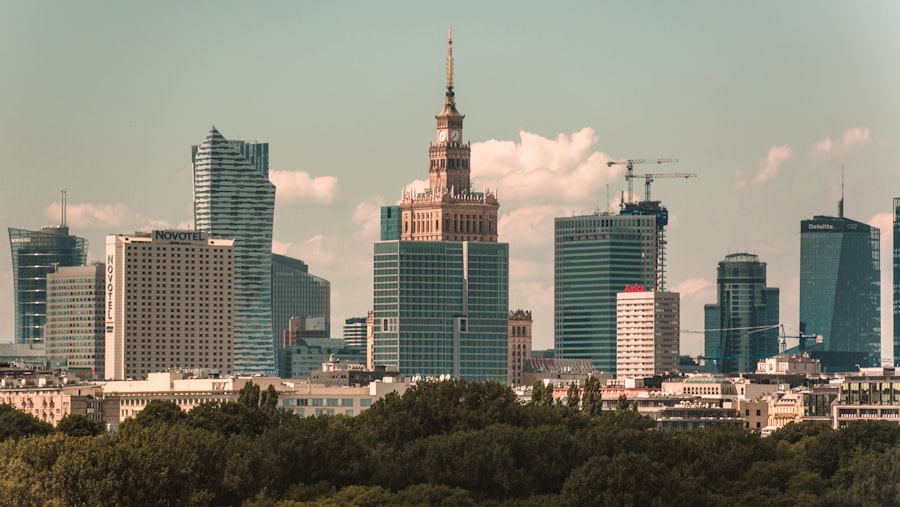
Poland’s economic resilience has been particularly evident during times of global economic stress, most notably the 2008 financial crisis and the COVID-19 pandemic.
The 2008 Global Financial Crisis
While much of the world experienced a severe recession, Poland stood out as the only EU member state to avoid a recession. This remarkable feat was attributed to several factors:
- Prudent Fiscal and Monetary Policies: Prior to the crisis, Poland had maintained relatively sound fiscal policies, providing some budgetary space. The central bank also demonstrated flexibility in monetary policy.
- Strong Domestic Demand Buoy: As previously discussed, robust internal consumption shielded the economy from a complete collapse in external demand.
- Modest Exposure to Toxic Assets: Polish banks, compared to their Western European counterparts, had limited exposure to the subprime mortgage market and other problematic financial instruments.
- Flexible Exchange Rate: The non-eurozone status of Poland allowed its currency, the złoty, to depreciate, making its exports more competitive and acting as an automatic stabilizer.
Poland’s performance during the 2008 crisis solidified its reputation as a resilient economy, capable of weathering significant external shocks.
The COVID-19 Pandemic Response
The COVID-19 pandemic presented an unprecedented global economic challenge. Poland, like other nations, experienced a contraction, but its recovery was relatively swift and robust.
- Timely Fiscal Response: The government implemented significant fiscal packages, including wage subsidies, business support, and tax deferrals, to cushion the economic blow and prevent mass unemployment.
- Monetary Easing: The National Bank of Poland (NBP) cut interest rates and engaged in asset purchases to ensure liquidity and support economic activity.
- Adaptable Business Sector: Polish businesses demonstrated considerable adaptability, quickly pivoting to remote work and implementing necessary safety measures, ensuring continued operation where possible.
- Strong Fundamentals Entering the Crisis: The economy entered the pandemic period on a strong footing, with healthy public finances and a robust labor market, which provided a buffer.
The pandemic underscored Poland’s capacity to deploy effective counter-cyclical measures and the underlying strength of its economic fabric.
Emerging Challenges and Future Prospects
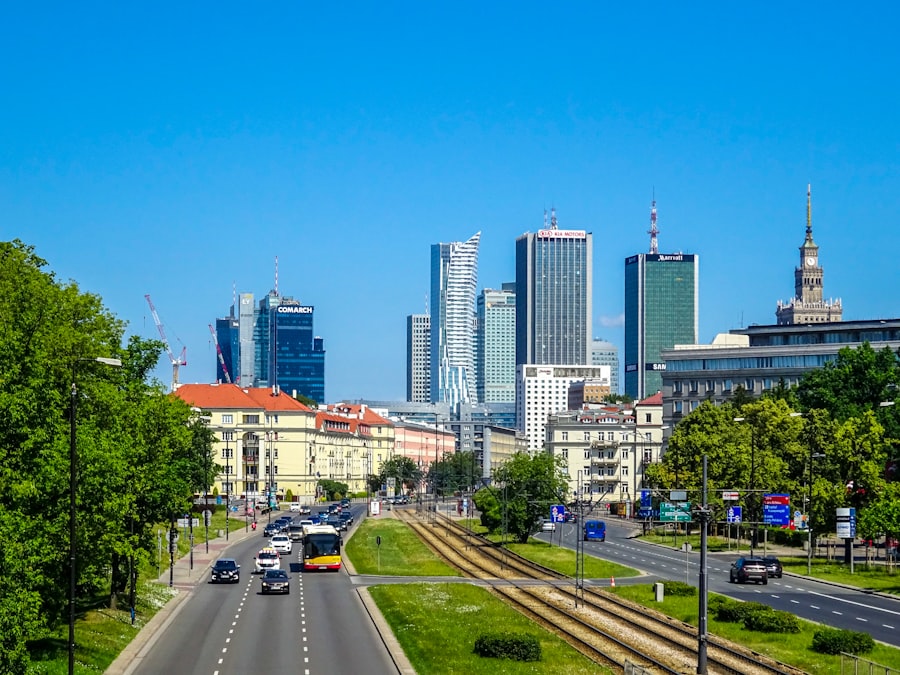
Despite its impressive track record, Poland’s economy faces several challenges that will shape its future trajectory. Addressing these will be crucial for maintaining sustainable growth.
Demographic Shifts
Like many developed nations, Poland is confronting an aging population and declining birth rates. This demographic trend poses significant long-term challenges:
- Labor Shortages: A shrinking working-age population can lead to labor shortages, impacting productivity and economic growth.
- Increased Fiscal Burden: A larger proportion of retirees will place greater strain on public finances, particularly pension and healthcare systems.
- Innovation and Entrepreneurship: A declining younger demographic might reduce the dynamism and innovation potential of the economy.
Attracting skilled immigration and increasing labor force participation rates will be vital in mitigating these demographic headwinds.
Energy Transition and Climate Change
Poland’s reliance on coal for electricity generation presents a significant challenge in the era of climate action and the EU’s ambitious Green Deal.
- High Carbon Emissions: The energy sector is a major source of greenhouse gas emissions, requiring substantial investment in renewable energy sources.
- Investment in Renewables: Transitioning away from coal will necessitate massive capital expenditure in wind, solar, and potentially nuclear power, as well as modernizing the electricity grid.
- Just Transition: Ensuring a fair transition for coal-mining regions and their communities, providing retraining and new economic opportunities, is a complex social and economic undertaking.
Successfully navigating this energy transition will determine Poland’s long-term environmental sustainability and its ability to attract green investments.
Innovation and Productivity Growth
While Poland has achieved significant growth through technology adoption and integration into global supply chains, further gains will increasingly depend on innovation and enhanced productivity.
- Research and Development (R&D): Increasing investment in R&D, both public and private, is essential to foster a knowledge-based economy.
- Digital Transformation: Accelerating digital adoption across all sectors, from industry to public services, is crucial for efficiency gains.
- Talent Retention: Preventing a “brain drain” of skilled professionals and attracting top talent will be key to sustaining a competitive edge.
Shifting from an economy driven by factor accumulation to one driven by innovation will be the next frontier for Poland’s economic development.
Poland’s economy has been experiencing significant growth in recent years, driven by various factors including foreign investment and a strong labor market. For a deeper understanding of the current trends and challenges facing Poland’s economic landscape, you can read a related article that provides insights into these developments. The article discusses how Poland is navigating its path in the European Union and adapting to global economic changes. To explore this topic further, visit this link for more information.
Conclusion
| Metric | Value | Year |
|---|---|---|
| GDP (Nominal) | 674 billion | 2023 |
| GDP Growth Rate | 3.8% | 2023 |
| Inflation Rate | 6.5% | 2023 |
| Unemployment Rate | 5.2% | 2023 |
| Exports | 320 billion | 2023 |
| Imports | 310 billion | 2023 |
| Public Debt (% of GDP) | 55% | 2023 |
| Currency | Polish Zloty (PLN) | – |
Poland’s economic journey from a post-communist state to a resilient and growing EU member is a testament to sound policymaking, a dynamic private sector, and an adaptable workforce. The initial shock therapy, coupled with the profound benefits of EU accession, established a robust foundation. Sustained growth has been fueled by strong domestic demand, a diversified export base, and a skilled human capital pool.
The country has demonstrated remarkable resilience in the face of significant global economic crises, often outperforming its peers. However, as Poland looks to the future, it must proactively address demographic challenges, navigate the complex energy transition, and foster a culture of innovation to secure continued prosperity. The metaphorical “winds of change” continually blow, and Poland’s success will hinge on its ability to adjust its sails effectively while keeping its economic ship steady on course.
FAQs
What is the current state of Poland’s economy?
Poland’s economy is one of the largest and fastest-growing in Central Europe, characterized by a diverse industrial base, strong export sector, and steady GDP growth in recent years.
What are the main industries driving Poland’s economy?
Key industries in Poland include manufacturing, automotive, information technology, agriculture, and services such as finance and tourism.
How does Poland’s economy compare to other European Union countries?
Poland is the largest economy in Central and Eastern Europe and ranks among the top 20 economies in the European Union by GDP, showing resilience and steady growth compared to some other EU members.
What role does foreign investment play in Poland’s economic development?
Foreign direct investment (FDI) is significant in Poland, contributing to modernization, job creation, and integration into global supply chains, particularly in sectors like automotive and technology.
How has Poland’s economy been affected by recent global events?
Poland’s economy has faced challenges from global events such as the COVID-19 pandemic and geopolitical tensions, but it has shown adaptability with government support measures and a strong domestic market helping to sustain growth.