Poland’s Political Landscape: Challenges and Changes
The political landscape of Poland, much like a ship navigating often-turbulent seas, is characterized by a dynamic interplay of deeply rooted traditions, evolving societal demands, and shifting geopolitical currents. For decades, this Central European nation has been a laboratory of democratic transformation, wrestling with the legacy of communism while striving to forge its own path within the European Union. Understanding Poland’s political trajectory requires a deep dive into the forces shaping its governance, the challenges it faces, and the gradual, sometimes abrupt, changes that redefine its direction.
Poland’s democratic framework, established after the fall of communism in 1989, rests on fundamental principles of separation of powers, electoral representation, and the rule of law. However, the practical application and interpretation of these pillars have been a source of ongoing debate and contention, often leading to periods of intense political polarization.
The Executive Branch: Presidential and Prime Ministerial Power Dynamics
The Polish system, a semi-presidential republic, vests significant power in both the President and the Prime Minister. While the President, elected directly by popular vote, serves as the head of state and holds certain reserve powers, the Prime Minister, leading the government and responsible to the Sejm (parliament), is the chief executive. This dual executive structure can be a source of strength, providing checks and balances, but it can also create friction, particularly when different political parties hold the presidency and the premiership. This dynamic resembles a tug-of-war, where the outcome depends on the strength and political will of each side.
The Legislative Branch: The Sejm and the Senate
The bicameral parliament, composed of the Sejm and the Senate, is the primary legislative body. The Sejm, with its 460 members elected through proportional representation, wields greater influence, holding the power to form governments and pass legislation. The Senate, with its 100 members elected through a majority system, acts as a revising chamber, with the ability to delay or amend legislation passed by the Sejm. The electoral system for the Sejm, designed to ensure representation of various political parties, can also lead to fragmented parliaments, necessitating coalition building and often complex negotiations.
The Judiciary: Independence and Political Influence
The independence of the judiciary is a cornerstone of any democratic system, and in Poland, it has been a particularly contentious issue. Significant reforms undertaken in recent years have raised concerns about the politicization of the courts, with critics arguing that they have weakened judicial independence and undermined the rule of law. This has been akin to attempting to redirect a river’s flow, where the underlying currents of politics can easily alter its course. The resolution of these debates is crucial for both domestic stability and Poland’s standing within the EU.
In recent discussions surrounding Poland’s political landscape, an insightful article titled “The Shifting Dynamics of Polish Politics” provides a comprehensive analysis of the current government’s policies and their implications for the European Union. This piece delves into the challenges faced by the ruling party and the growing opposition, making it a valuable read for anyone interested in understanding the complexities of Poland’s governance. For more information, you can check out the article here: The Shifting Dynamics of Polish Politics.
Shifting Political Tides: From Solidarność to the Present Day
The trajectory of Polish politics since 1989 has been marked by significant shifts, reflecting the nation’s evolving identity and its responses to internal and external pressures. The initial euphoria of liberation gradually gave way to the pragmatic challenges of building a market economy and a robust democracy.
The Legacy of Solidarność: A Foundation for Change
The Solidarity movement, once a potent force for change, laid the groundwork for Poland’s transition to democracy. Its ideals of freedom, workers’ rights, and national sovereignty continue to resonate, though its original political manifestations have evolved and fragmented over time. The historical weight of Solidarity serves as a constant reference point, influencing contemporary political discourse.
The Post-Communist Transition: Economic Reforms and Social Adaptation
The transition from a centrally planned economy to a market economy was a seismic event for Poland. While it brought economic opportunities and integration into global markets, it also entailed significant social upheaval, including rising unemployment and growing inequality. The political landscape became a battleground for different visions of economic development and social welfare.
The European Union Accession: Opportunity and Integration
Poland’s accession to the European Union in 2004 marked a pivotal moment, ushering in an era of accelerated economic growth, increased security, and deeper integration with Western Europe. However, it also brought about new challenges, including navigating complex EU regulations, managing its participation in EU policies, and grappling with the differing expectations of its citizens regarding the benefits and burdens of membership.
Key Political Actors and Ideological Divides
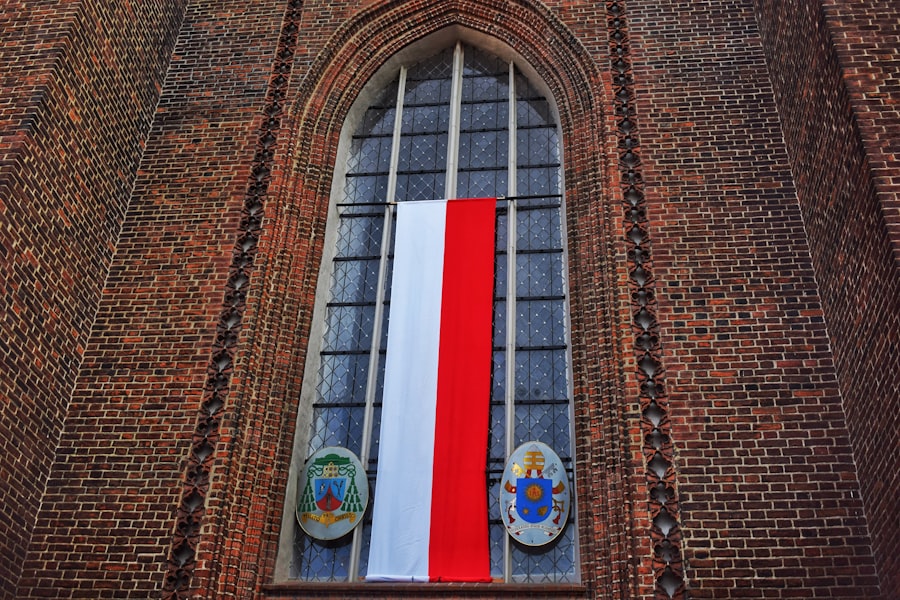
The Polish political scene is characterized by a spectrum of ideologies, with several major parties vying for power. These parties, while often sharing common goals, differ significantly in their approaches to key issues, leading to sharp ideological divides that shape political debates.
Law and Justice (PiS): Conservative and National Sentiments
The Law and Justice party (Prawo i Sprawiedliwość, PiS) has been a dominant force in Polish politics for much of the last decade. Its platform generally emphasizes conservative social values, national sovereignty, and a strong state. It has often positioned itself as a defender of Polish traditions and identity, a stance that resonates with a significant portion of the electorate. This approach has been likened to building a sturdy fortress, emphasizing security and tradition.
Civic Platform (PO): Liberal-Centric Europeanism
Civic Platform (Platforma Obywatelska, PO), often serving as the main opposition force, generally advocates for a more liberal, pro-European, and market-oriented approach. It emphasizes democratic values, the rule of law, and closer integration with the EU. Its supporters often view Poland’s future as intrinsically linked to its role within the European Union. Their vision can be seen as opening more windows and doors to foster connections with the wider world.
Other Political Forces: A Fragmented Landscape
Beyond these two major parties, the Polish political landscape includes a range of smaller parties representing various ideological viewpoints, from the far-left to the far-right. These parties, while not always in government, can play a crucial role in shaping the political discourse and influencing coalition dynamics. Their presence adds a mosaic of colors to the political canvas.
Contemporary Challenges on the Political Horizon
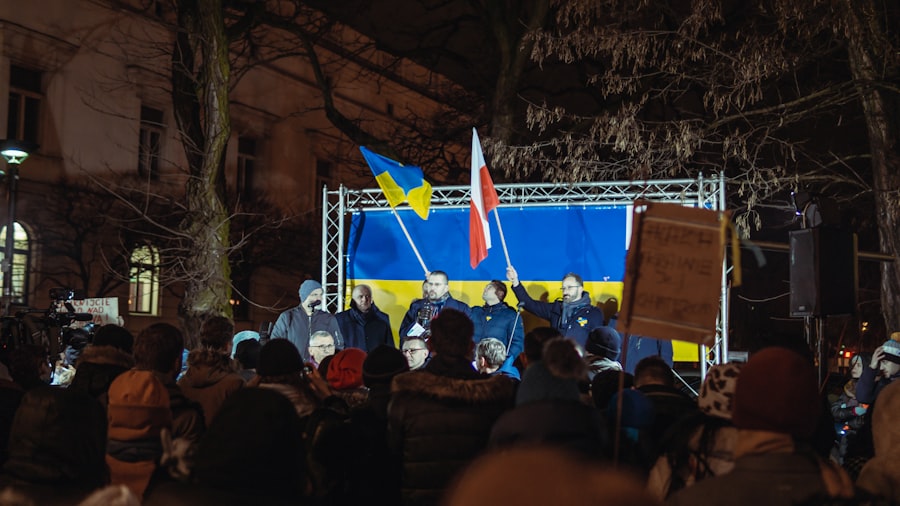
Poland currently confronts a complex web of challenges, both domestically and internationally. Navigating these issues requires astute political leadership and a nuanced understanding of their interconnectedness.
Erosion of Democratic Norms and the Rule of Law
Concerns have been repeatedly raised by international bodies, including the European Union, regarding the state of democratic norms and the rule of law in Poland. These concerns have centered on issues such as judicial reforms, media freedom, and the independence of state institutions. This has been a persistent thorn in the side of Poland’s otherwise strong democratic credentials, requiring careful tending.
Geopolitical Tensions and Regional Security
Poland’s strategic location, bordering both Russia and Ukraine, places it at the forefront of geopolitical tensions. The ongoing conflict in Ukraine has intensified these concerns, leading to increased defense spending, a focus on energy security, and a reevaluation of regional alliances. Poland’s role as a key NATO member and a frontline state requires a robust and proactive foreign policy. The nation has become a crucial bulwark in a volatile region.
Economic Development and Social Cohesion
While Poland has experienced significant economic growth, challenges remain in ensuring equitable distribution of wealth and fostering social cohesion. Debates around social welfare, labor rights, and the impact of globalization continue to shape political discourse and electoral outcomes. Balancing economic progress with social justice is a constant balancing act.
Immigration and Demographic Shifts
Like many European nations, Poland is grappling with the complexities of immigration and demographic shifts. Debates surrounding the integration of migrants, the future of the Polish workforce, and the impact of an aging population are increasingly prominent in the political arena. This presents a long-term strategic challenge for the nation’s social fabric.
In recent developments within Poland’s political landscape, the ongoing debates surrounding judicial reforms have sparked significant public discourse. Many citizens are concerned about the implications these changes may have on the rule of law and democracy. For a deeper understanding of the complexities involved, you can read a related article that explores these issues in detail. Check it out here to gain more insights into the current situation and its potential impact on Polish society.
The Road Ahead: Adaptation and Evolution
| Metric | Value | Details |
|---|---|---|
| Current Prime Minister | Mateusz Morawiecki | Serving since December 2017 |
| President | Andrzej Duda | In office since August 2015 |
| Major Political Parties | Law and Justice (PiS), Civic Platform (PO), The Left, Polish People’s Party (PSL), Confederation | PiS holds the majority in parliament |
| Parliament Structure | Sejm (460 seats), Senate (100 seats) | Sejm is the lower house, Senate is the upper house |
| Latest Parliamentary Election | October 2019 | Law and Justice won 235 seats in Sejm |
| Voter Turnout (2019) | 61.74% | Higher than previous elections |
| Judicial Reforms | Controversial reforms since 2015 | Criticized by EU for undermining judicial independence |
| EU Membership | Member since 2004 | Active participant in EU politics |
The future of Poland’s political landscape will be shaped by its ability to adapt to these numerous challenges and to harness the opportunities that arise. The nation’s inherent resilience and its commitment to democratic principles offer a foundation for navigating the complexities that lie ahead.
The Role of Civil Society in Shaping Policy
Poland’s vibrant civil society, from non-governmental organizations to grassroots movements, plays an increasingly important role in holding power accountable and influencing policy debates. This engagement is a vital component of a healthy democracy, acting as a watchful guardian of public interest.
Youth Engagement and Future Political Generations
The engagement of younger generations in the political process is crucial for the long-term health of Polish democracy. Their perspectives on issues such as climate change, digital transformation, and social justice will undoubtedly shape the direction of future political discourse and policy decisions. Their fresh eyes are essential for navigating new horizons.
Navigating EU Relations and National Sovereignty
Poland’s relationship with the European Union remains a defining element of its political identity. Striking a balance between embracing the benefits of EU membership and asserting national sovereignty will continue to be a key challenge, requiring careful diplomacy and internal consensus building. This is akin to being a vital cog in a larger machine, ensuring one’s own optimal function while contributing to the whole.
In conclusion, Poland’s political landscape is a testament to its ongoing journey of democratic consolidation and adaptation. The nation continues to wrestle with its past, confront present challenges, and chart a course for the future. The interplay of its robust democratic institutions, the evolving ideological currents, its strategic geopolitical position, and the active engagement of its citizens will undoubtedly continue to define its compelling political story.
FAQs
What is the structure of the political system in Poland?
Poland is a parliamentary republic with a multi-party system. The government is divided into three branches: the executive, headed by the President and the Prime Minister; the legislative, consisting of a bicameral parliament with the Sejm (lower house) and the Senate (upper house); and the judiciary, which is independent.
Who is the current President of Poland?
As of 2024, the President of Poland is Andrzej Duda, who has been in office since August 2015. The President serves as the head of state and has powers including vetoing legislation and representing Poland internationally.
What are the main political parties in Poland?
The main political parties in Poland include Law and Justice (PiS), Civic Platform (PO), The Left (Lewica), Polish People’s Party (PSL), and the Confederation (Konfederacja). These parties represent a range of political ideologies from conservative to liberal and left-wing.
How are elections conducted in Poland?
Poland holds regular elections for the presidency, parliament, and local government. Parliamentary elections use a proportional representation system for the Sejm and a majority vote system for the Senate. Presidential elections are held every five years using a two-round system if no candidate wins a majority in the first round.
What are some recent political issues in Poland?
Recent political issues in Poland include debates over judicial reforms, media freedom, relations with the European Union, and policies on immigration and social welfare. These topics have sparked significant public discussion and international attention.