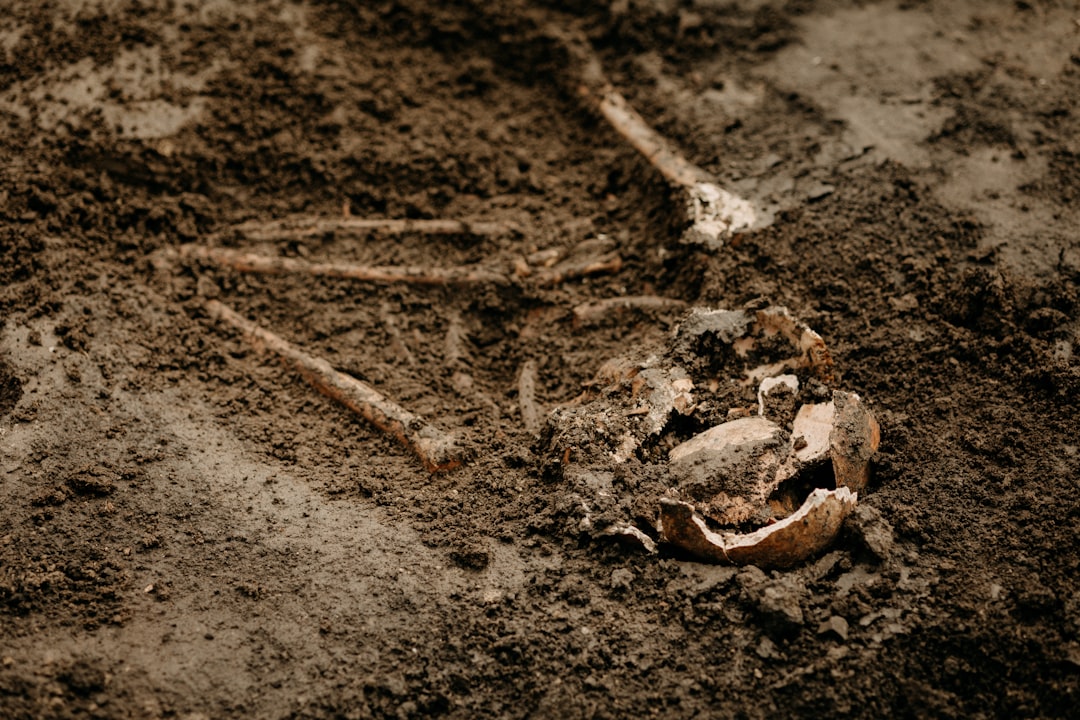
North America, a continent steeped in millennia of human history, has long been understood through the lens of the Clovis culture, a widespread Paleoindian archaeological culture characterized by distinctive stone projectile points. For decades, the prevailing consensus placed the arrival of humans in the Americas around 13,000 years ago, with the Clovis people as the first major wave of migration. However, a growing body of archaeological evidence is dramatically rewriting this narrative, pushing back the timeline of human habitation by thousands of years. This burgeoning field, known as Pre-Clovis archaeology, is unearthing a more complex and ancient human story for North America, revealing sophisticated societies that predated the iconic Clovis lithic technology.
For much of the 20th century, the Clovis culture served as a temporal anchor for the peopling of the Americas. The widespread distribution of Clovis points across the continent, coupled with their distinct fluted form, suggested a rapid expansion of a single, technologically advanced group shortly after crossing the Bering Land Bridge. Sites like the Blackwater Draw in New Mexico provided compelling evidence for this period, showcasing the tools and hunting strategies of these early inhabitants. The elegance and ubiquity of Clovis artifacts led many archaeologists to believe that no human presence preceded them. This “Clovis-First” model, while explanatory for a time, ultimately became a formidable barrier to considering earlier occupations.
The Limitations of Traditional Dating Methods
The Clovis-First model was largely supported by radiocarbon dating, a technique that relies on the decay of carbon-14 isotopes. While revolutionary, radiocarbon dating has inherent limitations. It is most effective for dating organic materials up to around 50,000 years old, and the precision of dates can vary. Furthermore, earlier archaeological sites might have been overlooked or misinterpreted due to the lack of diagnostic Clovis artifacts, leading to a skewed perception of human arrival. The focus on stone tools, while crucial, sometimes overshadowed the potential for other forms of evidence that might have been present at much older sites.
The Dawn of New Technologies and Perspectives
The advent of more sophisticated dating techniques, such as optically stimulated luminescence (OSL) and cosmogenic nuclide dating, has been instrumental in pushing back the timeline of human presence. OSL dating, for instance, can accurately date sediments by measuring the last time they were exposed to sunlight, providing a reliable age for archaeological layers. Cosmogenic nuclide dating, used on geological formations, can provide ages for landscapes that may have been inhabited. These advanced methods, coupled with a greater openness to alternative interpretations of existing data and the discovery of new, unambiguous evidence, have begun to dismantle the Clovis-First stronghold.
Recent discoveries in pre-Clovis archaeology have significantly reshaped our understanding of early human migration in North America. These findings suggest that humans may have arrived on the continent much earlier than previously thought, challenging established timelines. For those interested in exploring the broader implications of ancient technologies and innovations, a related article discusses various suppressed advancements that could shed light on the capabilities of early civilizations. You can read more about this intriguing topic in the article found here: The Suppressed Ancient Technology: Lost Innovations.
Unearthing the Earliest Footprints: Key Pre-Clovis Sites and Discoveries
The landscape of Pre-Clovis archaeology is dotted with a growing number of sites that provide compelling, albeit sometimes controversial, evidence for human occupation prior to 13,000 years ago. These discoveries range from ancient campsites and tool assemblages to evidence of faunal exploitation and even human remains. Each site, with its unique context and artifact assemblage, contributes a crucial piece to the evolving puzzle of North America’s earliest inhabitants.
Meadowcroft Rockshelter: A Persistent Enigma
Located in southwestern Pennsylvania, Meadowcroft Rockshelter is one of the most extensively studied and persistently debated Pre-Clovis sites. Excavations have revealed a stratified sequence of occupation layers, with some radiocarbon dates suggesting human activity as far back as 16,000 to 19,000 years ago. The artifact assemblage includes a variety of stone tools, bone implements, and evidence of hearths. However, the interpretation of Meadowcroft has been challenged due to concerns about potential contamination of early samples and the possibility of redeposition of artifacts. Despite the ongoing debate, the longevity of research at Meadowcroft and the sheer volume of data collected continue to make it a significant landmark in Pre-Clovis discussions.
Monte Verde: A Turning Point in the Debate
The Monte Verde site in southern Chile has been a pivotal discovery in the Pre-Clovis narrative. Initial excavations in the early 1970s yielded evidence of human occupation dating to approximately 14,500 years ago, well before the Clovis horizon. The site’s exceptional preservation, due to its waterlogged environment, revealed an array of remarkably intact artifacts, including wooden tools, plant remains, hearths, and even structural remnants of dwellings. The discovery of a human footprint preserved in mud further solidified its significance. Monte Verde provided undeniable evidence for human presence south of the Laurentide Ice Sheet much earlier than previously thought, forcing a reevaluation of migration routes and timelines.
Paisley Caves: Evidence of Coprolites and Early Human Activity
In the Oregon desert, the Paisley Caves have yielded some of the most direct evidence for Pre-Clovis occupation. Here, archaeologists discovered ancient human feces, or coprolites, radiocarbon dated to between 14,300 and 14,500 years ago. These coprolites contained human DNA, confirming their origin. Alongside the coprolites, stone tools and animal bones showing signs of human modification were found, further supporting the interpretation of these caves as human habitations. The presence of human DNA in such ancient samples offered a powerful, irrefutable link to the earliest inhabitants.
Cooper’s Ferry: A Gateway to the Pacific Coastal Route
Located in Idaho, the Cooper’s Ferry site has provided crucial evidence supporting the Pacific coastal migration route. Artifacts recovered from this site, including projectile points and stone tools, have been dated to approximately 16,000 years ago. This dating suggests that humans were utilizing the interior river valleys of the Pacific Northwest at a time when the ice sheets still blocked overland routes from Beringia. The nature of the tools found at Cooper’s Ferry also hints at a subsistence strategy adapted to the unique resources available in this region, potentially predating the big-game hunting focus often associated with Clovis.
Beyond the Stone: The Sophistication of Pre-Clovis Toolkits
The artifact assemblages unearthed at Pre-Clovis sites paint a picture of diverse technological skills and resourcefulness. While the iconic fluted points of the Clovis culture are absent, a variety of other stone tools, along with implements made from bone, wood, and other organic materials, demonstrate a nuanced understanding of their environment and a capacity for innovation. The absence of Clovis points does not equate to a lack of sophistication; rather, it suggests a different set of cultural traditions and technological adaptations.
Lithic Technologies: Diverse and Adaptable
Pre-Clovis toolkits often feature a range of lithic technologies that differ from the standardized Clovis points. This includes a variety of bifaces, scrapers, gravers, and projectile points that are not fluted. The types of stone used and the manufacturing techniques employed often reflect local geological availability and the specific needs of the inhabitants. For example, some sites show evidence of using different types of stone for different tool functions, indicating a careful selection of raw materials.
Organic Materials: A Glimpse into Daily Life
The exceptional preservation at sites like Monte Verde allows for a rare glimpse into the use of organic materials by Pre-Clovis peoples. Wooden tools, cordage, and plant-based materials used for shelter and food processing have been found. These discoveries highlight a reliance on a wider array of resources than might be inferred solely from stone artifacts. The ability to craft functional items from wood and plant fibers speaks to a deep knowledge of local flora and sophisticated craft skills.
Evidence of Subsistence Strategies: Diverse and Resourceful
The evidence of subsistence practices at Pre-Clovis sites suggests a broad spectrum of foraging and hunting strategies. While some sites show evidence of large-game hunting, others indicate a greater reliance on smaller game, fish, and a wide variety of plant resources. This diversity in subsistence patterns challenges the notion of a single, specialized big-game hunting culture as the sole model for early North American populations. The ability to adapt to different ecological niches and exploit a variety of food sources would have been crucial for successful colonization.
Reconstructing Migration Routes: The Coastal Corridor and Beyond
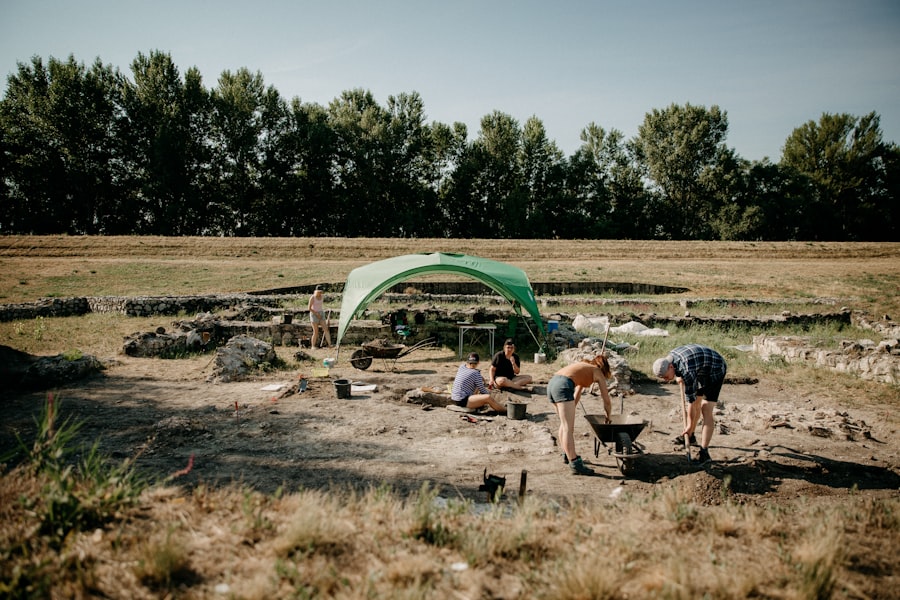
The discoveries of Pre-Clovis sites are fundamentally reshaping our understanding of how humans first populated the Americas. The traditional model, which favored an overland migration through an ice-free corridor between the Laurentide and Cordilleran ice sheets, is now being supplemented and, in some cases, superseded by the theory of a Pacific coastal migration route.
The Ice-Free Corridor: A Later Option?
The ice-free corridor, which opened up as the glaciers receded, is now thought by many to have been a significant route for later migrations, perhaps for the Clovis culture. However, the earlier timing of Pre-Clovis settlements, particularly those along the Pacific coast and in the interior river valleys, suggests that the corridor may not have been accessible or viable for the very first human arrivals. The precise timing of the corridor’s opening and its habitability remains a subject of ongoing research.
The Pacific Coastal Migration Hypothesis: A Viable Pathway
The Pacific coastal migration route proposes that early humans traveled south along the Pacific coast, utilizing marine resources and navigating along the shoreline. This route would have been accessible even when large portions of the continent were covered by ice. Evidence from sites like Cooper’s Ferry and the dating of early coastal shell middens in Alaska lend support to this hypothesis. The availability of abundant marine life along the coast could have provided a sustainable food source for migrating populations.
Inland Waterways: Connecting the Landscape
Beyond the coastal corridor, inland waterways, such as river valleys, likely played a crucial role in facilitating movement and settlement across the continent. Sites discovered along major river systems suggest that these natural arteries served as highways for early humans, connecting different ecological zones and providing access to resources. The ability to travel and adapt to diverse inland environments would have been essential for spreading throughout North America.
Recent discoveries in pre-Clovis archaeology have significantly reshaped our understanding of early human habitation in North America. These findings suggest that humans may have arrived on the continent thousands of years earlier than previously thought, challenging long-held beliefs about the timeline of human migration. For a deeper insight into the implications of these discoveries, you can read more in this related article on the topic of ancient civilizations and their impact on modern society. Explore the fascinating connections by visiting this link.
The Future of Pre-Clovis Research: Ongoing Debates and Emerging Questions
| Discovery | Location | Date |
|---|---|---|
| Monte Verde | Chile | 14,500 years ago |
| Paisley Caves | Oregon, USA | 14,300 years ago |
| Cactus Hill | Virginia, USA | 18,000 years ago |
The field of Pre-Clovis archaeology is dynamic and ever-evolving. As new sites are discovered and existing ones are re-examined with advanced technologies, our understanding of North America’s deep past continues to deepen. However, this progress is not without its challenges, and several key debates and emerging questions continue to drive research.
The “Human-Made” Debate: Distinguishing Artifacts from Nature
One of the most persistent challenges in Pre-Clovis archaeology is the rigorous identification of artifacts and features that are definitively of human origin, especially at very early sites. Natural geological processes can sometimes create formations that superficially resemble human-made objects. Therefore, the highest standards of evidence and interpretation are required to avoid misidentifying natural phenomena as archaeological. The debate often centers on the subtle characteristics of stone breakage, patination, and the context in which objects are found.
The Challenge of Site Preservation: The Fragility of Ancient Evidence
Many of the earliest archaeological sites are incredibly fragile and susceptible to destruction by natural erosion, human development, and even looting. The preservation of these sites is paramount for future research. Many Pre-Clovis sites are located in remote or sensitive environments, requiring careful management and protection to ensure that valuable evidence is not lost before it can be studied.
Integrating Genetics and Archaeology: A Powerful Partnership
The integration of ancient DNA analysis with archaeological findings is a rapidly advancing frontier. Genetic studies are beginning to shed light on the origins and migration patterns of early populations, complementing and sometimes challenging archaeological interpretations. As techniques for extracting and analyzing DNA from ancient remains improve, this interdisciplinary approach promises to offer even deeper insights into the peopling of the Americas.
The Global Context: Connections to Other Continents
As Pre-Clovis evidence accumulates, researchers are increasingly considering the global context of human migration. Understanding the timing and routes of human movement into North America also informs our understanding of human dispersals across the entire globe. The discovery of increasingly older sites in North America raises questions about potential connections and contemporaneous developments in other parts of the world.
The unfolding story of Pre-Clovis archaeology is a testament to the enduring power of scientific inquiry and the human drive to understand our origins. By pushing back the boundaries of time and revealing the sophisticated ingenuity of North America’s earliest inhabitants, these discoveries are not just rewriting history; they are enriching our understanding of what it means to be human and how our ancestors navigated and shaped the vast landscapes of this continent. The quest for the earliest North American footprints continues, promising further revelations that will undoubtedly reshape our perception of human history in the Americas.

These Footprints Could Rewrite the Story of the First Americans
FAQs
What is pre-Clovis archaeology?
Pre-Clovis archaeology refers to the study of archaeological sites and artifacts that predate the Clovis culture, which is traditionally considered to be the earliest widespread culture in North America, dating to around 13,000 years ago.
What are some key discoveries in pre-Clovis archaeology in North America?
Some key discoveries in pre-Clovis archaeology in North America include the Meadowcroft Rockshelter in Pennsylvania, the Monte Verde site in Chile, the Topper site in South Carolina, and the Buttermilk Creek Complex in Texas.
How do these discoveries challenge traditional views of the peopling of the Americas?
These discoveries challenge traditional views of the peopling of the Americas by providing evidence of human occupation in the Americas prior to the Clovis culture, suggesting that the peopling of the Americas was more complex and occurred earlier than previously thought.
What methods are used in pre-Clovis archaeology research?
Methods used in pre-Clovis archaeology research include radiocarbon dating, stratigraphic analysis, artifact analysis, and interdisciplinary approaches that incorporate geology, paleoecology, and genetics to understand the timing and nature of human occupation in the Americas.
What are the implications of pre-Clovis archaeology discoveries for our understanding of early human migration and settlement in North America?
The implications of pre-Clovis archaeology discoveries for our understanding of early human migration and settlement in North America are significant, as they suggest a more complex and nuanced picture of the peopling of the Americas, with implications for our understanding of human adaptation, cultural diversity, and the timing of key events in human history.