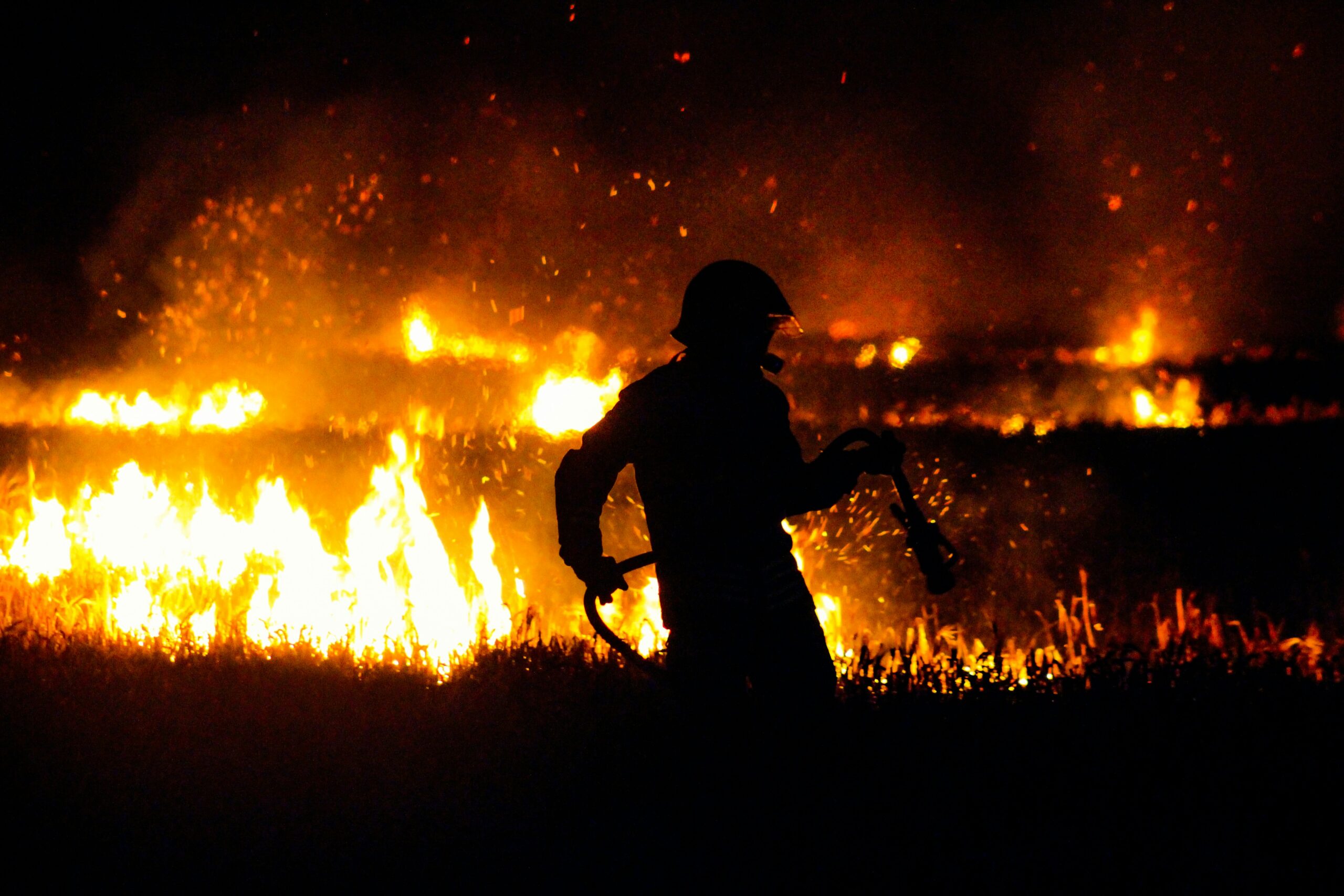
For millennia, before the arrival of European colonizers, Indigenous peoples across North America meticulously managed fire as a fundamental tool for shaping their landscapes, sustaining their ecosystems, and supporting their cultures. These sophisticated systems, often misunderstood and suppressed by colonial powers, represent a profound knowledge of ecological processes and a deep respect for the natural world. Pre-colonial Indigenous fire management was not a chaotic or destructive force, but rather a deliberate, recurring, and adaptive practice that played a crucial role in the health and biodiversity of vast territories. Understanding these ancient practices offers invaluable insights into sustainable land stewardship and ecological restoration in the present day.
Indigenous burning practices before colonization played a crucial role in maintaining the health of ecosystems and promoting biodiversity. These traditional methods, often referred to as cultural burning, were employed by various Indigenous groups to manage land, enhance food sources, and prevent larger wildfires. For a deeper understanding of how Indigenous practices influence contemporary land management, you might find the article on Kurdistan’s quest for independence insightful, as it discusses the importance of cultural heritage and land stewardship in the context of Indigenous rights. You can read more about it here: Kurdistan’s Quest for Independence.
The Ecological Imperative: Why Indigenous Peoples Used Fire
The extensive use of fire by Indigenous peoples was driven by a sophisticated understanding of the ecological conditions prevalent across North America. These landscapes, particularly in the vast grasslands, savannas, and open woodlands, were naturally predisposed to burning. Climate patterns, characterized by dry seasons and the presence of lightning strikes, created an environment where fire was an inevitable force. Indigenous peoples, through observation and generations of accumulated knowledge, recognized this inherent dynamism and learned to harness it for their benefit. They understood that fire was not an anomaly to be feared, but a natural process that, when managed, could yield significant ecological and societal advantages.
Fire as an Ecosystem Engineer
Indigenous fire management was deeply intertwined with the concept of fire as an ecosystem engineer. They recognized that fire actively shaped the structure and composition of plant communities. Frequent, low-intensity fires, often initiated in the late dry season or early spring, cleared out accumulated dead vegetation, or fuel load, preventing the buildup of material that could lead to catastrophic wildfires. This process, known as prescribed burning, was not merely about consumption, but about renewal. It stimulated the growth of fire-adapted plant species, opening up the canopy and allowing sunlight to reach the forest floor, thereby fostering a greater diversity of understory vegetation.
Promoting Biodiversity Through Fire
One of the most significant ecological impacts of Indigenous fire management was its role in promoting biodiversity. Many plant species in North America have evolved to rely on fire for their reproduction and survival. For instance, certain pine cones require the heat of a fire to release their seeds, while many prairie grasses and forbs are invigorator by regular burns. By strategically applying fire, Indigenous communities created a mosaic of habitats with varying ages and structures, supporting a wider array of plant and animal life. This intentional cultivation of diverse landscapes provided a broader base of resources for both human and animal populations.
Enhancing Game Animal Populations
The management of fire was intrinsically linked to the sustenance of game animals. Indigenous peoples understood that fire could be used to create and maintain the preferred habitats for various species. Burning grasslands and savannas encouraged the growth of nutritious young shoots and grasses, which were a vital food source for herbivores like bison, deer, and elk. By clearing out dense undergrowth, fire also improved visibility and accessibility for both hunters and their prey, making hunting more efficient and sustainable. Furthermore, the creation of open woodlands with scattered trees provided browse for browsing animals.
The Role of Fuel Management and Fire Prevention
Beyond the deliberate ignition of fires, Indigenous peoples were also skilled in preventing uncontrolled burns. Their practices involved a deep understanding of fuel types, weather patterns, and landscape features. They would often create firebreaks by clearing vegetation along natural barriers like rivers, lakes, or rock formations. In certain areas, they would intentionally reduce fuel loads through other means, such as grazing by managed herds of animals or the removal of dead and dry plant material. This proactive approach to fuel management was as crucial as the use of fire itself in maintaining a healthy fire regime.
Understanding Fuel Loads and Fire Behavior
Indigenous fire practitioners possessed an intimate knowledge of different fuel types, their moisture content, and their susceptibility to ignition and combustion. They understood how wind speed and direction, humidity, and temperature influenced fire behavior. This knowledge allowed them to predict when and where fire would spread and how intensely it would burn. Their observations, passed down through generations, informed their decision-making regarding the timing and intensity of their prescribed burns, ensuring that fires were managed effectively and safely.
The Strategic Use of Firebreaks
Firebreaks were a cornerstone of Indigenous fire management. These were intentionally created clearings designed to halt or slow the spread of fire. Indigenous peoples utilized natural landscape features such as rivers, lakes, and rocky outcrops as existing firebreaks. They also actively constructed artificial firebreaks by removing vegetation in strategic locations. These could range from broad strips of cleared land to carefully managed corridors around settlements and important resource areas. The effectiveness of these firebreaks was dependent on a thorough understanding of prevailing wind patterns and fire behavior.
Cultural and Societal Integration of Fire

Fire was not solely an ecological tool for Indigenous peoples; it was deeply woven into the fabric of their cultures, economies, and spiritual beliefs. The practice of fire management was a communal endeavor, requiring collaboration, shared knowledge, and a collective understanding of its importance. It was a manifestation of their relationship with the land, a reciprocal exchange where humans cared for the environment, and in turn, the environment provided for their needs. This cultural integration ensured the continuity and efficacy of fire management practices across generations.
Fire as a Tool for Habitat Manipulation
Beyond simply promoting biodiversity, Indigenous fire management was employed to actively manipulate habitats for specific purposes. This included creating and maintaining open meadows for gathering plants, clearing areas for agriculture, and shaping landscapes to facilitate movement and travel. They understood that different plant communities supported different resources, and by using fire, they could cultivate the specific types of vegetation needed for their sustenance and cultural practices.
Cultivating Food Sources and Medicinal Plants
The deliberate use of fire played a significant role in cultivating food sources and medicinal plants. Indigenous communities knew that certain plants, like wild rice or various berry-producing shrubs, thrived in recently burned areas. They would strategically burn to encourage the growth of these valuable resources, ensuring a reliable supply of food and medicinal ingredients. This was a form of active horticulture, where fire was the primary tool for managing the landscape for optimal plant productivity.
Shaping Landscapes for Agriculture and Settlements
In some regions, Indigenous peoples used fire to clear land for agricultural purposes. They would burn areas to prepare the soil for planting crops like corn, beans, and squash, facilitating nutrient cycling and weed control. Furthermore, fire was used to manage the landscape around their settlements, creating open spaces that reduced the risk of wildfires encroaching on their homes and villages. This also contributed to improved visibility for defense and communication.
The Spiritual Significance of Fire
For many Indigenous cultures, fire held profound spiritual significance. It was often seen as a sacred element, a gift from the Creator, and a symbol of life, purification, and transformation. The act of controlled burning was therefore imbued with spiritual meaning, performed with respect and ceremony. Shamans and spiritual leaders often played a role in directing and overseeing fire management practices, recognizing the interconnectedness of the physical and spiritual realms.
Fire as a Symbol of Purity and Renewal
In many Indigenous traditions, fire was associated with purification and renewal. The cleansing power of flames was believed to remove negative energies and regenerate the land. This spiritual dimension reinforced the careful and respectful approach taken towards fire management, ensuring that it was used as a force for good, not for destruction.
Ceremonial Burning and Offerings
In some instances, fire was used in ceremonial contexts, such as for offerings to the spirits or for purification rituals. These ceremonies were often integrated with the practical aspects of fire management, demonstrating the holistic worldview of Indigenous peoples, where spiritual and practical concerns were inseparable.
The Suppression and Loss of Indigenous Fire Management Knowledge
The arrival of European colonizers in North America marked a dramatic shift in land management practices, leading to the suppression and eventual loss of much of the Indigenous fire management knowledge. Colonial ideologies, rooted in a perception of wilderness as something to be tamed and controlled, viewed Indigenous fire use as primitive and destructive. This led to widespread fire suppression policies that, ironically, resulted in the accumulation of fuel loads and the increased frequency of more severe and destructive wildfires.
Colonial Misconceptions and Policies
Early European settlers and subsequent colonial governments often misunderstood the deliberate and beneficial nature of Indigenous fire practices. They perceived fire as an uncontrolled force of destruction, a threat to timber resources and agricultural lands. This led to the implementation of aggressive fire suppression policies, aimed at extinguishing every spark and preventing any intentional burning. These policies, driven by a fundamentally different worldview and a lack of understanding of the ecological context, had profound and detrimental consequences for the landscapes.
The “Smokey Bear” Era and its Predecessors
The widespread implementation of fire suppression policies, often referred to as the “Smokey Bear” era, though its roots extend much further back, was a direct consequence of these colonial misconceptions. The emphasis shifted from managing fire to eliminating it entirely. This approach, while seemingly logical from a European perspective, ignored the long-established ecological role of fire in many North American ecosystems.
The Impact on Indigenous Land Management
The imposition of colonial land management systems actively dispossessed Indigenous peoples of their traditional territories and undermined their authority to practice their customary fire management. Indigenous peoples were often forcibly removed from their ancestral lands, preventing them from continuing their millennia-old stewardship practices. This loss of access and agency had a devastating impact on both Indigenous cultures and the health of the landscapes they had so carefully managed.
The Ecological Consequences of Fire Suppression
The widespread suppression of Indigenous fire management practices led to significant ecological imbalances. The natural mosaic of habitats created by Indigenous burning was replaced by increasingly dense, homogenous forests and grasslands. The accumulation of dead vegetation, or fuel load, created conditions ripe for catastrophic wildfires, which burned with far greater intensity and destructiveness than the low-intensity fires managed by Indigenous peoples.
Fuel Accumulation and Increased Wildfire Intensity
By preventing the natural, recurring fires, colonial policies led to an unprecedented buildup of fine fuels – dead leaves, grasses, and small branches. This dramatically increased the potential for intense, fast-moving wildfires that were far more damaging to ecosystems and human settlements. These were not the fires Indigenous peoples had managed for millennia, but rather a consequence of their absence.
Loss of Biodiversity and Habitat Fragmentation
The cessation of Indigenous fire management also contributed to a decline in biodiversity. Many fire-dependent species struggled to reproduce and thrive in the absence of regular burns. Habitats that were once diverse and dynamic became more uniform, leading to a loss of species richness and a fragmentation of ecological communities. The intricate balance maintained by Indigenous peoples was disrupted, leading to a cascade of negative ecological effects.
Indigenous burning practices before colonization played a crucial role in maintaining the health of ecosystems across various landscapes. These techniques, often referred to as cultural burning, were employed to promote biodiversity, manage wildlife, and reduce the risk of larger wildfires. For a deeper understanding of how ancient civilizations utilized advanced methods for environmental management, you can explore this fascinating article that discusses evidence of their sophisticated technologies and practices. The insights provided can shed light on the interconnectedness of Indigenous knowledge and sustainable land management. You can read more about it in this related article.
Reviving Indigenous Fire Knowledge for Modern Land Stewardship
| Region | Frequency of Burning | Impact on Ecosystem |
|---|---|---|
| Australia | Regular, controlled burning | Promoted biodiversity and reduced fuel load |
| Americas | Varied by tribe and region | Managed vegetation and prevented large wildfires |
| Africa | Traditional fire management practices | Regenerated grasslands and maintained ecological balance |
In recent decades, there has been a growing recognition of the value and efficacy of pre-colonial Indigenous fire management practices. Scientists, land managers, and Indigenous communities are increasingly collaborating to revive and integrate this ancient knowledge into contemporary land stewardship efforts. This collaborative approach holds immense potential for restoring ecological health, enhancing biodiversity, and fostering more resilient landscapes.
Collaboration and Knowledge Co-Production
The revival of Indigenous fire management is a testament to the power of collaboration between Indigenous peoples and researchers. This involves recognizing Indigenous Traditional Ecological Knowledge (TEK) as a legitimate and vital source of information, alongside Western scientific methodologies. This co-production of knowledge allows for a more holistic and effective approach to land management.
Empowering Indigenous Communities and Restoring Traditional Practices
A crucial aspect of this revival is empowering Indigenous communities to reclaim their traditional roles as stewards of the land. This involves supporting their efforts to re-establish cultural burning practices, transfer knowledge to younger generations, and have a central voice in land management decisions on their ancestral territories.
Integrating TEK with Western Science
The integration of Indigenous Traditional Ecological Knowledge with Western scientific understanding is key to developing effective contemporary fire management strategies. Scientists are learning from Indigenous elders and practitioners about the nuances of fire behavior, the ecological responses of specific plant and animal species, and the cultural significance of fire. This interdisciplinary approach allows for the development of more nuanced and adaptive fire management plans.
Modern Applications and Benefits
The principles of Indigenous fire management are being applied in a variety of modern contexts, from restoring fire-adapted ecosystems to mitigating wildfire risk. These applications offer significant benefits for both ecological health and human well-being.
Prescribed Burning for Ecosystem Restoration
Modern prescribed burning programs are increasingly drawing upon Indigenous knowledge to design and implement burns that mimic natural fire regimes. These efforts aim to restore fire-dependent ecosystems, enhance habitat for wildlife, and reduce the risk of catastrophic wildfires. By understanding the historical role of fire, land managers can better mimic the conditions that Indigenous peoples created.
Enhancing Wildfire Resilience and Community Safety
By reintroducing controlled burns and managing fuel loads in ways that reflect Indigenous practices, communities can significantly enhance their resilience to wildfires. This not only protects natural landscapes but also safeguards human lives and property by reducing the intensity and spread of destructive fires. The proactive management of fire, rather than simply suppression, is proving to be a more effective strategy for long-term safety.
The Future of Fire Management: A Synthesis of Old and New
The future of effective fire management lies in a synthesis of ancient Indigenous wisdom and modern scientific understanding. By embracing the lessons of the past and fostering collaborative approaches, we can move towards a more sustainable and ecologically sound relationship with fire, ensuring healthier ecosystems and more resilient communities for generations to come. This approach recognizes that the knowledge of Indigenous peoples, honed over millennia, is not a relic of the past, but a vital resource for navigating the challenges of the present and future.

The Wilderness Was Engineered
FAQs
What is Indigenous burning?
Indigenous burning refers to the practice of intentionally setting fires to manage and maintain ecosystems. This traditional practice has been used by Indigenous peoples around the world for thousands of years to promote biodiversity, reduce fuel loads, and regenerate landscapes.
How did Indigenous peoples use burning before colonization?
Before colonization, Indigenous peoples used controlled burning to shape and manage their environments. They used fire to clear land for agriculture, promote the growth of certain plant species, and maintain open landscapes for hunting and gathering. Additionally, they used fire to prevent larger, more destructive wildfires.
What are the ecological benefits of Indigenous burning?
Indigenous burning has numerous ecological benefits, including promoting biodiversity, reducing the risk of catastrophic wildfires, and maintaining healthy ecosystems. By using fire as a tool, Indigenous peoples were able to shape and manage their environments in ways that supported a wide variety of plant and animal species.
How did colonization impact Indigenous burning practices?
Colonization had a significant impact on Indigenous burning practices. As European settlers arrived in different parts of the world, they often suppressed or outlawed Indigenous burning practices, viewing them as destructive or dangerous. This disruption led to changes in ecosystems and an increased risk of larger, more destructive wildfires.
What is the current status of Indigenous burning practices?
Today, there is a growing recognition of the importance of Indigenous burning practices for ecosystem management and wildfire prevention. Efforts are being made to incorporate traditional knowledge and practices into land management strategies, and to support Indigenous communities in revitalizing their traditional burning practices.