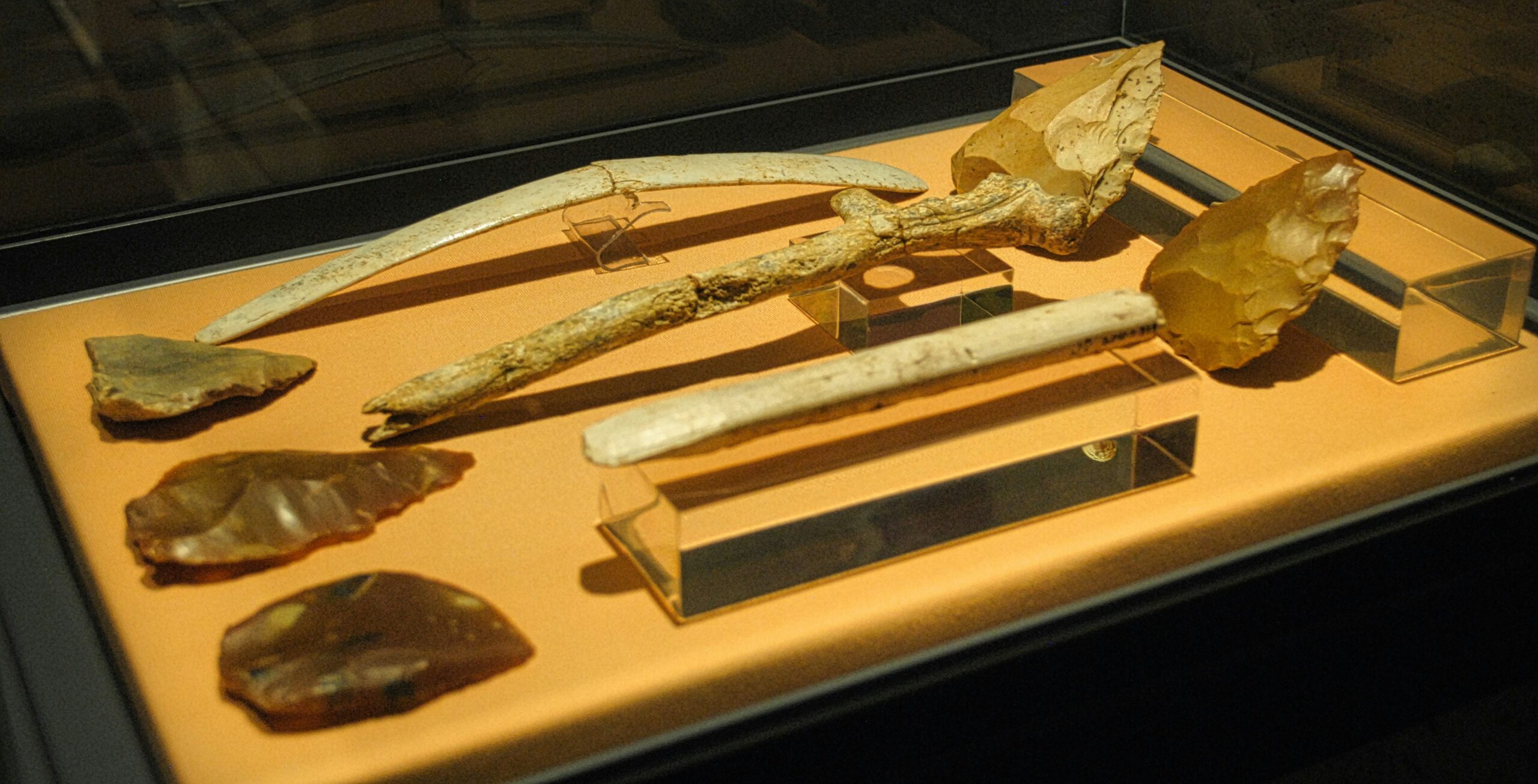
The Unsung Heroes: Early Bone Tool Technologies
The story of human ingenuity is deeply intertwined with the exploitation of natural resources. Long before the mastery of fire or the development of complex stone knapping techniques, our ancient ancestors were already demonstrating remarkable resourcefulness. Among the earliest and most pervasive examples of this ingenuity are prehistoric bone tools. These implements, crafted from the skeletal remains of animals, represent a crucial step in the technological evolution of early hominins, providing insights into their survival strategies, their understanding of materials, and their burgeoning cognitive abilities. Unlike stone, which offers sharp edges and durability, bone presented a different set of challenges and opportunities. It is softer than many stones, more prone to breakage, yet it can be shaped, polished, and imbued with different properties depending on the specific bone used and the techniques employed. The study of these tools allows archaeologists to peer into a world where survival was a daily challenge, and every available material, including the bones of their prey, held immense value. From the simplest pointed awls to more complex scraping and cutting implements, bone tools offer a tangible connection to the lives and innovative spirit of our distant ancestors. Their prevalence across numerous archaeological sites and time periods underscores their indispensable role in the toolkit of early humans.
Prehistoric tools made from animal bone provide fascinating insights into the lives of early humans and their adaptation to the environment. These tools, often crafted for hunting and processing food, highlight the ingenuity and resourcefulness of our ancestors. For a deeper understanding of how ancient practices continue to influence modern perceptions of value and safety, you can explore the article on the relationship between physical silver and government stability at this link.
Crafting the Essentials: The Art of Bone Tool Manufacture

The creation of bone tools was far from accidental. It involved a deliberate and often intricate process of selection, modification, and refinement, showcasing a sophisticated understanding of material properties. Early hominins learned to identify the most suitable bones – those with the right density, shape, and structural integrity for specific tasks. The long bones of large mammals, with their robust shafts and articular ends, were particularly favored. The process typically began with the acquisition of suitable bone fragments, often derived from carcasses already processed for meat. There is evidence suggesting that hominins may have actively sought out specific skeletal elements or even fractured bones to obtain pieces of the desired size and shape.
Initial Shaping and Reduction
The initial shaping of bone tools involved techniques that minimized breakage while achieving a rudimentary form. Percussion, similar to stone knapping, was a primary method. Hard hammer techniques, using stone or dense bone to strike the working piece, were employed to remove unwanted material and to create rough outlines. This process would have required considerable skill and practice to control the force and angle of impact, preventing the bone from shattering. Later, softer hammers made from wood or antler may have been used for finer shaping and to reduce the risk of damage to more delicate areas. The goal was to transform a raw bone fragment into a usable blank, ready for more specialized modifications. Evidence of such initial shaping can be seen in the fracture patterns on many bone artifacts, revealing the force and direction of impacts.
Refinement and Finishing Techniques
Once a basic form was achieved, a variety of methods were used to refine and finish the bone tools, enhancing their functionality and durability. Abrasion, using abrasive materials like sand, grit, or even rougher stones, was crucial for smoothing surfaces, sharpening edges, and creating specific profiles. This could involve rubbing the bone against a stationary abrasive surface or using abrasive materials held in the hand or incorporated into other tools. Polishing was often employed to create a smooth, comfortable grip and to reduce friction during use, particularly for tools like awls or needles. This might have been achieved through repeated rubbing with finer abrasive materials or even by using wet sand. The selection of bone was also critical. Different bone types, such as cancellous bone versus dense cortical bone, offered different properties. For instance, denser bone would be more durable for cutting edges, while the more porous cancellous bone might be easier to shape into finer points. The understanding of these distinctions, though not explicitly documented, is inferred from the archaeological record.
The Role of Animal Remains Beyond Tools
It is important to recognize that animal remains in prehistoric contexts were not solely destined for tool manufacture. They were a vital source of food, glue, and even fuel. The careful analysis of bone assemblages can reveal not only the types of animals exploited but also the specific parts of the animal that were utilized. For example, the presence of butchery marks on bones, often made by stone tools, indicates the removal of meat and hides. Similarly, the gnawing marks of carnivores can help reconstruct the sequence of carcass scavenging. When we find tools made from bone, it speaks to a sophisticated level of resource management where no part of a hunted or scavenged animal was wasted. Even bone marrow, a rich source of fat and nutrients, was extracted, leaving behind hollowed-out bones. The understanding of how to process bone for these diverse purposes highlights the comprehensive ecological knowledge possessed by prehistoric peoples.
Specialized Applications: Bone Tools in Action

The diverse array of bone tools discovered at prehistoric sites speaks to their critical role in a wide range of daily activities. These implements were not generic; rather, they were often specifically designed and adapted for particular tasks, demonstrating a keen understanding of the materials and the needs of their users. Their versatility allowed early humans to process food, craft other tools, manipulate materials, and even engage in decorative or symbolic practices. The efficiency and effectiveness of these bone tools were paramount for survival in often challenging environments.
Implements for Food Processing and Preparation
A significant category of bone tools were those used in the processing and preparation of food. Sharp, pointed implements, such as awls and needles, were likely used to pierce hides for clothing or shelter construction, but they also found application in preparing food. For instance, awls could have been used to dislodge meat from bones, to core edible roots, or to prepare fish. Scrapers, often made from the flatter sections of long bones or scapulae, were invaluable for cleaning hides, scraping flesh from animal skins, or removing unwanted material from plant sources. The edges of these scrapers, honed through abrasion, could effectively remove thin layers of material with remarkable efficiency. Even rudimentary cutting tools, fashioned from bone fragments with sharpened edges, would have been employed for slicing through tougher sinews or plant fibers.
Tools for Crafting and Manufacturing
Bone was also a crucial material for the creation of other tools, demonstrating a nested system of manufacturing. Bone awls and needles, as mentioned, were instrumental in sewing and repairing leather or other flexible materials. This would have been essential for creating clothing, bags, and other necessary items. Furthermore, bone spatulas and polishers likely played a role in the shaping and finishing of other bone tools, as well as wood and antler implements. The smooth surfaces of polished bone could have been used to impart a fine finish to wooden artifacts or to burnish leather. In some instances, bone might have been used as a hammer or anvil in the manufacture of smaller, more delicate stone tools where a stone hammer might have been too crude. The ability to create tools from existing tools, or tool parts, represents a significant cognitive leap in technological development.
Hunting and Gathering Aids
While stone projectiles like spear points and arrowheads are more commonly associated with hunting, bone also played a role. Bone points, though perhaps less durable than stone, could have been effective for hunting smaller game or as components of composite weapons. For example, bone barbs could have been attached to wooden shafts to create more effective harpoons or spears. In gathering, bone tools could have aided in digging for roots and tubers, with sturdier bone fragments or scapulae serving as makeshift digging sticks. Their ability to withstand some soil abrasion would have made them suitable for this purpose. The sheer ubiquity of animal remains meant that these tools were readily available to early hominins engaged in both hunting and gathering activities.
Unveiling the Past: Archaeological Evidence and Interpretations
The identification and analysis of prehistoric bone tools rely heavily on meticulous archaeological investigation and interpretation. Archaeologists meticulously excavate sites, carefully documenting the context in which bone artifacts are found. This contextual information is vital for understanding the function and age of these tools, providing a window into the past. The scientific study of these ancient implements goes beyond simple identification, employing a range of techniques to reconstruct their use and significance.
Site Excavation and Contextual Analysis
The excavation process is paramount to understanding bone tools. Archaeologists employ systematic methods to uncover artifacts layer by layer, recording their precise location (stratigraphy) and association with other materials. This contextual information is crucial. For instance, finding bone awls alongside animal hides or butchered animal remains strongly suggests their use in hide preparation or carcass processing. The presence of bone tools in hearths might indicate their use in cooking or as fuel. Similarly, their discovery in burial contexts could hint at their symbolic or ritualistic importance. Dating techniques, such as radiocarbon dating of associated organic materials or thermoluminescence dating of burnt bone, help to establish the age of the tools and place them within specific prehistoric periods. The sheer quantity and diversity of bone tools found at a site can also provide insights into the intensity of activities undertaken there.
Microscopic Examination and Residue Analysis
Modern archaeological science offers sophisticated techniques to glean more information from bone tools. Microscopic examination, particularly with scanning electron microscopes (SEM), can reveal wear patterns on the edges and surfaces of bone tools. These patterns, like striations, polish, or micro-chipping, can indicate the types of materials the tool was used to work. For example, wear patterns consistent with scraping plant fibers would be distinct from those associated with working animal hides. Residue analysis is another powerful technique. By taking tiny samples from the surface of bone tools and analyzing them for organic residues using techniques like gas chromatography-mass spectrometry (GC-MS), archaeologists can identify traces of blood, plant matter, or animal fats. The detection of specific animal blood residues on a bone scraper, for example, would directly link it to carcass processing.
Comparative Studies and Experimental Archaeology
To further understand the function of prehistoric bone tools, archaeologists often engage in comparative studies and experimental archaeology. Comparative studies involve examining the wear patterns on ancient tools and comparing them to the wear patterns produced by modern tools used on similar materials under controlled conditions. Experimental archaeology takes this a step further: archaeologists and craftspeople actively recreate prehistoric bone tools using ancient techniques and materials. They then use these replica tools to perform tasks that are believed to have been undertaken by ancient peoples, such as skinning an animal, sewing leather, or scraping wood. By observing the wear patterns and efficiency of these experimental tools, researchers can gain a more accurate understanding of how the original tools were used and the skills required to produce and employ them. These experiments provide invaluable empirical data that complements the interpretations derived from archaeological context and microscopic analysis.
Recent discoveries have shed light on the sophisticated techniques used by prehistoric humans to create tools from animal bones, showcasing their ingenuity and adaptability. For those interested in the broader implications of resource management and its historical context, a related article discusses the role of eminent domain in protecting national security, which can be found here. This connection highlights how the utilization of natural resources, whether in ancient times or modern governance, reflects the ongoing struggle between development and preservation.
The Enduring Legacy: Bone Tools in the Grand Scheme of Human Evolution
| Tool Type | Material | Estimated Age (Years Ago) | Primary Use | Region Found | Notable Features |
|---|---|---|---|---|---|
| Bone Harpoon | Animal Bone (Reindeer, Elk) | 12,000 – 9,000 | Fishing and Hunting Aquatic Animals | Europe (France, Germany) | Barbed tips for catching fish and seals |
| Bone Needle | Animal Bone (Bird Bone, Mammal Bone) | 40,000 – 30,000 | Sewing Animal Hides and Clothing | Europe (Croatia, Russia) | Fine, sharp points with eye holes for thread |
| Bone Awl | Animal Bone (Various Mammals) | 20,000 – 10,000 | Piercing and Leatherworking | North America, Europe | Pointed, sturdy tools for making holes |
| Bone Scraper | Animal Bone (Large Mammals) | 15,000 – 8,000 | Cleaning Hides and Preparing Leather | Asia, Europe | Flat, sharp edges for scraping |
| Bone Fishhook | Animal Bone (Bird Bone, Fish Bone) | 9,000 – 7,000 | Fishing | Oceania, Southeast Asia | Curved shape with barbs for catching fish |
The story of prehistoric bone tools is not merely a chronicle of early technological achievements; it is a testament to the adaptive capacity and evolving intelligence of our ancestors. These humble implements, crafted from the very animals that sustained them, played an indispensable role in the survival and expansion of early human populations. Their widespread presence across continents and through vast stretches of time speaks volumes about their effectiveness and the ingenuity of their creators. The development and utilization of bone tools represent a significant milestone in the human journey, laying the groundwork for more complex technological advancements to come.
A Foundation for Future Innovations
The skills honed in the creation of bone tools – the understanding of material properties, the control of percussion and abrasion, and the deliberate shaping of form to function – were foundational. These skills were transferable and provided a conceptual framework for the development of more sophisticated technologies. The ability to perceive the potential of a raw material like bone, and to systematically transform it into a useful object, demonstrates a level of foresight and planning that is characteristic of increasingly complex cognitive abilities. This understanding of how to manipulate the physical world to meet specific needs was a crucial precursor to later innovations such as the more refined knapping of stone, the development of composite tools, and eventually, the mastery of metallurgy. Bone tools, therefore, represent a crucial stepping stone in the trajectory of human technological progress.
Adapting to Diverse Environments
The adaptability of bone as a tool material allowed early hominins to thrive in a wide variety of environments. Where suitable stone might have been scarce or difficult to work, bone provided a readily available and workable alternative. This allowed human populations to spread into new territories and exploit different ecological niches. From the open plains where large mammals roamed to more forested regions with different fauna, bone tools provided a consistent and reliable means of survival. The ability to fashion tools from locally available animal remains was a critical factor in the successful dispersal of Homo sapiens and other hominin species across the globe. This flexibility in resource utilization underscores the adaptability that has been a hallmark of human evolution.
Insights into Prehistoric Lifeways and Cognition
The study of prehistoric bone tools offers invaluable insights into the daily lives, subsistence strategies, and even the cognitive processes of our ancient ancestors. The types of tools found, their distribution, and the associated archaeological evidence paint a picture of their diet, their hunting and gathering practices, their crafting skills, and their social organization. For example, the presence of highly specialized bone tools might suggest a more complex division of labor or a greater emphasis on certain activities. Furthermore, the deliberate and often intricate shaping of bone tools indicates an ability to conceptualize and execute complex plans, to understand cause and effect, and to problem-solve. These implements are not just utilitarian objects; they are tangible manifestations of the evolving intelligence and cultural sophistication of early humanity, reminding us that even our most distant ancestors were resourceful innovators who shaped their world with remarkable ingenuity.

Life 20,000 Years Ago: The Ultimate Ice Age Fight to Survive
FAQs
1. What types of prehistoric tools were commonly made from animal bone?
Prehistoric tools made from animal bone included needles, awls, harpoons, fish hooks, and spear points.
2. How were prehistoric tools made from animal bone crafted?
Prehistoric tools made from animal bone were crafted by shaping and sharpening the bone using stone tools or other bones.
3. What advantages did animal bone tools offer to prehistoric humans?
Animal bone tools were lightweight, durable, and readily available, making them ideal for various tasks such as hunting, fishing, and sewing.
4. What evidence suggests the use of prehistoric tools made from animal bone?
Archaeological findings, such as bone fragments with tool marks, bone tools in ancient settlements, and cave paintings depicting tool usage, provide evidence of prehistoric tools made from animal bone.
5. How did prehistoric humans acquire animal bones for tool-making?
Prehistoric humans acquired animal bones for tool-making through hunting, scavenging, and utilizing bones from animals they consumed for food.