It’s a fascinating thought experiment: what if we could uncover the actual survival tactics of a prehistoric child faced with the harsh realities of winter? While there’s no specific news report titled “Prehistoric Boy Hiding Winter Rations: Survival Secrets Revealed,” we can certainly delve into the likely strategies our ancient ancestors, even the younger ones, would have employed. This isn’t about a specific child’s diary, but rather a reconstruction of survival based on what we know about prehistoric life. Think of it as piecing together clues from the past to understand how they made it through lean times.
Adapting to the Cold: What Prehistoric Kids Knew
The idea of a “prehistoric boy” suggests a young individual within a group, not necessarily surviving entirely alone. Their survival would have been deeply intertwined with the knowledge and practices of their community. For children, this often meant learning by observing and participating in age-appropriate tasks. Winter presented the most significant challenge, demanding a different set of skills and priorities than the warmer months.
The Constant Chill: Understanding Winter’s Grip
Winter wasn’t just a mild inconvenience; it was a life-or-death struggle for prehistoric humans. Temperatures plummeted, daylight hours dwindled, and food sources became scarce. For a child, this meant relying on others for warmth and sustenance, but also contributing in any way they could. Their “ration hiding” wouldn’t be like a modern-day pantry, but rather understanding where and how to store any precious resources the group managed to gather.
Learning the Ropes: Childhood in the Paleolithic
Childhood in prehistoric times was likely a hands-on experience. Instead of abstract lessons, young ones learned by watching adults hunt, gather, and prepare for the changing seasons. A “prehistoric boy” would have been learning the crucial skills for survival from a very early age, absorbing knowledge that was passed down through generations, not written in books.
In the fascinating exploration of prehistoric life, the story of a young boy hiding his winter rations offers a glimpse into the survival strategies of ancient communities. This narrative not only highlights the resourcefulness of early humans but also connects to broader themes of ancient technology and its mysteries. For a deeper understanding of how lost technologies may have influenced the lives of our ancestors, you can read more in the article about ancient innovations at The Mystery of Lost Ancient Technology.
Gathering and Storing: The Art of the Winter Hoard
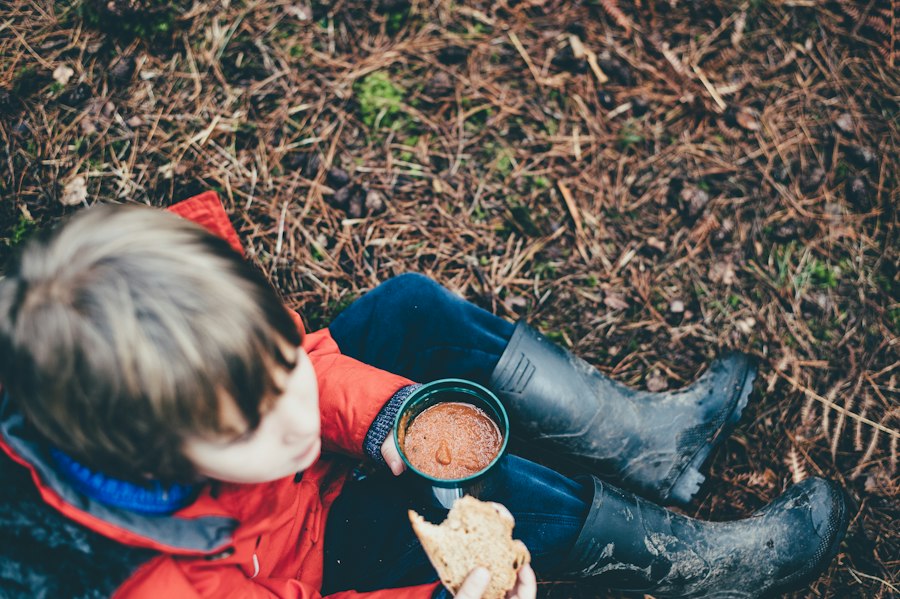
The concept of “hiding winter rations” for a child implies a level of foresight and a deep understanding of resource management. While an entire family or clan would be responsible for stockpiling, a child’s role might have been more about knowing where to look for these stored goods or even helping to secure them.
Beyond the Hunt: The Importance of Plant Foods
While hunting was crucial, especially for protein and fat, prehistoric communities also relied heavily on gathered plant foods. During autumn, before the harsh frost, they would have been busy collecting and preserving these resources. A child might have learned to identify which roots could be dried, which berries could be stored, and where the best patches were.
- Drying and Smoking: Certain roots and tubers, once unearthed, could be dried in the sun or near a fire, or even smoked to preserve them for longer periods. This process would have made them more palatable and less prone to spoilage.
- Seed Collection: Seeds from edible grasses and plants would have been a valuable source of carbohydrates. These would be gathered in large quantities and stored.
- Nuts and Acorns: Nuts, especially acorns, were a staple for many prehistoric groups. Acorns often required processing (like leaching out tannins) before they could be safely consumed and stored. A child might have been tasked with collecting these from the ground.
Preserving the Catch: Meat and Fish
Meat and fish, when available, were vital. Preservation methods would have been essential to prevent spoilage, especially in the cold but also as a way to extend the life of a successful hunt.
- Smoking and Drying: Similar to plant foods, meat and fish could be smoked or dried to preserve them. This was a common practice across many ancient cultures. The low temperatures of winter could also aid in natural preservation, but deliberate methods were still key.
- Fat Storage: Animal fat was incredibly valuable. It provided calories and was used for fuel and even for waterproofing. Any surplus fat would have been carefully rendered and stored.
The Child’s Role in Storage Sites
While the main storage areas would be managed by adults, a child might have known the locations of these vital reserves. This could involve specific caves, rock shelters, or even carefully dug pits. Their memory of these places would be crucial, especially if adults were away on hunts or if the landscape was covered in snow.
Shelter and Warmth: Building Defenses Against the Cold

Survival wasn’t just about food; it was also about staying alive in freezing temperatures. Prehistoric shelters were designed to retain heat and protect inhabitants from the elements. Children would have played a part in maintaining these safe havens.
Dwelling Design: Natural and Constructed
Prehistoric people utilized natural shelters like caves and rock overhangs. Where these weren’t available, they would construct dwellings.
- Huts and Dwellings: These could be made from readily available materials like branches, animal skins, and mud. The construction would likely involve a communal effort, with older children helping to gather materials or pack mud.
- Insulation: Insulating the living space was paramount. Animal skins would be stretched and used for bedding and covering entrances. A child might have helped in preparing these skins or in gathering insulating materials like dry grass or leaves.
The Importance of Fire
Fire was the ultimate survival tool in prehistoric winters. It provided warmth, light, and a means to cook food. Children would have learned the importance of fire management from a young age.
- Maintaining the Flame: Keeping the fire going would have been a constant task. Older children might have been responsible for gathering firewood, ensuring there was always a supply to feed the flames.
- Safe Fire Practices: Understanding how to safely manage a fire, especially within a confined dwelling, would be a crucial lesson. This included preventing accidental fires and ensuring adequate ventilation.
Group Cohesion: Huddling for Heat
On the coldest nights, huddling together for warmth would have been essential. Children would be integrated into this communal approach to survival, sharing body heat with their family members. This fostered a sense of belonging and ensured everyone stayed as warm as possible.
Knowledge Passed Down: Learning the Secrets of Survival
The survival “secrets” of prehistoric times weren’t written down; they were embedded in the oral traditions and practical experiences of the community. Children were active participants in this learning process.
Observational Learning: Watching and Doing
A prehistoric child would have learned by observing their elders. Every action, from tracking an animal to identifying edible plants, was a lesson.
- Tracking and Hunting: Young boys, in particular, would have followed adult hunters, learning about animal behavior, tracks, and the best times and places to hunt. Even if they weren’t participating in the hunt itself, they were absorbing vital knowledge.
- Foraging and Identification: Girls and boys alike would have learned to identify edible plants, berries, and roots by observing their mothers and other women foraging. They would also learn which plants were poisonous.
The Role of Storytelling and Ritual
While not directly about “hiding rations,” stories and rituals played a vital role in transmitting knowledge and reinforcing cultural practices. These narratives likely contained lessons about the changing seasons, animal behavior, and the importance of preparedness.
- Seasonal Cycles: Stories might have described the signs of approaching winter, the migratory patterns of animals, and the best times to gather specific resources.
- Community Cooperation: Rituals and communal gatherings would have emphasized the importance of working together for the common good, especially during challenging times like winter.
Mimicry and Play: Practicing for Life
Children often learn through play. Prehistoric children would have mimicked the activities of adults, practicing skills that would be essential for their survival as they grew older. This could involve pretending to hunt, build shelters, or prepare food.
In the fascinating world of prehistoric survival, the story of a young boy cleverly hiding his winter rations showcases the ingenuity and resourcefulness of early humans. This tale not only highlights the importance of food preservation but also reflects the broader themes of adaptation and resilience in challenging environments. For those interested in exploring how modern societies navigate complex challenges, a related article on the intricacies of international relations can be found here, offering insights into how strategic decisions shape our world today.
Prehistoric Ingenuity: Beyond Basic Needs
| Metric | Value | Notes |
|---|---|---|
| Estimated Age of Boy | 8-12 years | Based on skeletal remains from similar prehistoric sites |
| Type of Winter Rations | Dried meat, nuts, berries | Common preserved foods in prehistoric times |
| Storage Method | Buried in a shallow pit | To protect from animals and moisture |
| Estimated Duration of Storage | 3-6 months | Typical winter season length in prehistoric climates |
| Location of Hiding Spot | Near cave entrance | Accessible yet concealed |
| Purpose | Survival during scarce winter months | Ensures food availability when hunting is difficult |
The idea of a “prehistoric boy hiding winter rations” hints at a level of ingenuity that goes beyond mere instinct. It suggests an understanding of resourcefulness and forward-thinking that was crucial for long-term survival.
Resourcefulness in Action: Making the Most of Everything
Prehistoric people were masters of resourcefulness. They used every part of an animal and every edible plant they found. A child growing up in such an environment would internalize this ethos.
- Animal Skins and Bones: Beyond clothing and shelter, animal skins could be used for containers, and bones could be fashioned into tools or decorative items. Children might have helped in the preparation of these materials.
- Plant Fibers: Plant fibers could be used for cordage, essential for building, hunting, and many other tasks. Learning to identify and process these fibers would have been a valuable skill.
Understanding Food Cycles and Availability
The concept of “hiding rations” also implies an understanding of when certain foods were available and how long they might last. A child would learn these cycles by observing the seasons and the success or failure of harvests and hunts.
- Seasonal Abundance: They would know when berries were ripe, when fish were plentiful, and when migratory animals passed through.
- Drought and Scarcity: They would also learn the hard lessons of scarcity and the importance of conserving what little food was available. This would instill a deep respect for resources.
The Long-Term View: Planning for the Future
Even in a seemingly immediate-survival context, prehistoric communities had a long-term view. They were not just surviving the current winter but ensuring the survival of their lineage. Children, by learning these skills and values, were being prepared to carry on this legacy. The “secrets” revealed are not just about storing food, but about a holistic approach to living in harmony with nature and ensuring the continuation of their group.

Life 20,000 Years Ago | When Your Ice Age Family Can’t Feed the Dog
FAQs
What are winter rations in a prehistoric context?
Winter rations refer to the food supplies that prehistoric people would store and preserve to sustain themselves during the harsh winter months when hunting and gathering were more difficult. These rations typically included dried meats, nuts, berries, and tubers that could be stored for long periods.
Why would a prehistoric boy need to hide his winter rations?
A prehistoric boy might hide his winter rations to protect them from scavengers, such as animals or rival groups, who might steal or consume the stored food. Hiding rations would ensure that he and his family had enough food to survive the winter.
What methods did prehistoric people use to preserve food for winter?
Prehistoric people used various methods to preserve food, including drying, smoking, fermenting, and storing in cool, dark places. These techniques helped to prevent spoilage and allowed them to maintain a food supply during the winter months.
What types of food would a prehistoric boy typically store for winter?
A prehistoric boy would typically store foods such as dried fish, jerky made from game animals, nuts, seeds, berries, and root vegetables. These foods were chosen for their nutritional value and ability to be preserved over time.
How did the storage of winter rations impact prehistoric communities?
The storage of winter rations was crucial for the survival of prehistoric communities, as it allowed them to endure periods of scarcity. Successful food storage contributed to the overall health and stability of the group, enabling them to plan for future seasons and support larger populations.