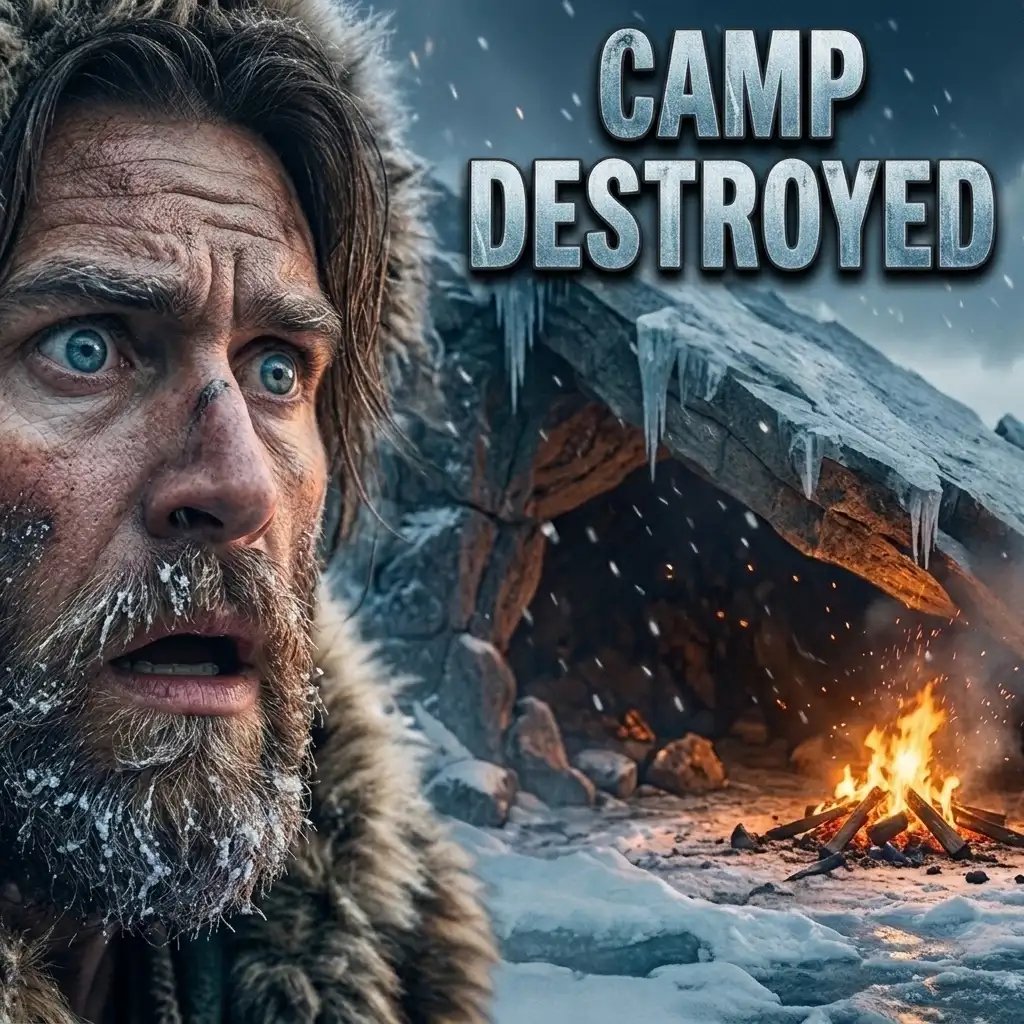
The dawn of humanity, a time of raw survival and burgeoning ingenuity, saw our ancestors grappling with the fundamental need for shelter. Beyond the instinctive urge to escape the elements, the choice of a campsite was a critical determinant of survival, influencing everything from protection against predators to the availability of vital resources. This ancient art of prehistoric camp construction, therefore, revolved heavily around the astute selection of safe and advantageous locations. These early hominids, through generations of trial and error, observation, and perhaps even a bit of luck, developed a sophisticated understanding of their environments, a knowledge encoded in the very placement of their temporary homes. The selection process was not a haphazard affair but a deeply pragmatic one, weighing a complex interplay of factors that ensured not just comfort, but continued existence.
The Imperative of Defense: Natural Fortifications and Elevated Positions
For early humans, the threat of predation was a constant companion. Large carnivores, territorial disputes with rival groups, and even aggressive herbivores posed significant dangers. Therefore, the primary consideration for any campsite selection was its inherent defensibility. This often translated to seeking out locations that offered natural advantages against potential threats. Elevated positions were highly prized, providing a panoramic view of the surrounding landscape, allowing inhabitants to spot approaching dangers from a considerable distance.
Ridgelines and Escarpments: Natural Watchtowers
The crests of hills and ridgelines offered excellent vantage points. From such positions, early humans could survey vast expanses of territory, spotting both prey for hunting and predators for evasion. The elevated terrain also made it more difficult for larger animals to approach unnoticed, as they would likely be silhouetted against the sky or create noise as they ascended. Similarly, escarpments – steep, cliff-like drops – provided a natural barrier. A campsite nestled at the base of a sheer rock face, or on a narrow ledge accessible only by a single, easily defended path, offered significant protection. The difficulty of ascent for predators and potential human rivals was a powerful deterrent. These locations allowed for early detection and a degree of security, giving occupants time to prepare for any impending threats or to retreat further into their shelter. The psychological advantage of seeing danger before it arrived was also invaluable, reducing the element of surprise that predators so often relied upon. The sheer physical barrier of rock or steep incline meant that only the most determined and agile attackers could breach the defenses, and even then, their approach would be heralded.
Caves and Rock Shelters: Inherited Fortresses
Caves and rock shelters represented some of the most desirable campsite locations. These natural formations provided immediate and substantial protection from the elements – rain, wind, and extreme temperatures. More importantly, their confined entrances often served as natural choke points, making them easier to defend. A single opening meant that a smaller number of individuals could effectively deter a larger group of attackers. The solid rock walls offered robust protection against both physical assault and the elements, a double benefit that was hard to ignore. Furthermore, the enclosed nature of caves often provided a stable, consistent internal temperature, offering a refuge from the often harsh and fluctuating external climate. The presence of a natural overhang in a rock shelter served a similar purpose, offering protection from rain and sun while still allowing for a relatively open environment. These geological features were, in essence, ready-made fortresses, requiring minimal modification to become secure habitations. The strategic placement of such shelters, often overlooking important hunting grounds or water sources, further enhanced their appeal.
In exploring the intricacies of prehistoric camp construction, one critical aspect to consider is the selection of safe locations for establishing these temporary shelters. Choosing a site that offers natural protection from the elements, as well as proximity to resources like water and food, was essential for survival. For a deeper understanding of how historical decisions, such as those influenced by Executive Order 6102, can shape societal behaviors and practices, you may find this article insightful: The Impact of Executive Order 6102: Gold Confiscation.
Access to Essential Resources: The Lifeblood of a Campsite
While defense was paramount, a campsite’s long-term viability depended on its proximity to the resources necessary for survival. The availability of water, food, and materials for tool-making and shelter construction were critical considerations. A strategically placed camp ensured that these vital elements were within easy reach, minimizing the energy expenditure required to obtain them.
Proximity to Water Sources: The Foundation of Life
Water is the most fundamental requirement for all life, and its availability dictated the location of many prehistoric settlements. Campsites were invariably situated near reliable sources of fresh water, such as rivers, streams, lakes, or springs. Access to clean water was essential for drinking, cooking, and sanitation. However, proximity to water also came with potential drawbacks, such as the increased presence of predators that also frequented these areas. Therefore, the ideal location often involved being close enough for easy access but far enough to avoid constant danger. A slight elevation overlooking a river, for example, could offer a clear view of approaching animals while still being a short walk from the water’s edge. The constant flow of a river also meant that water was less likely to become stagnant and contaminated, a crucial factor in maintaining health. Similarly, proximity to a reliable spring guaranteed a consistent supply, even during drier periods. The gathering of water was often a daily ritual, making a campsite’s location relative to this resource a significant daily factor.
Hunting Grounds and Foraging Zones: The Larder
The abundance and accessibility of food sources were equally important. Campsites were often established in areas known for their rich hunting grounds or abundant foraging zones. Proximity to areas where game animals congregated, or where edible plants, roots, and berries were plentiful, meant a more consistent and less arduous food supply. This reduced the need for long and dangerous hunting expeditions, allowing groups to focus their energy on other survival tasks. The seasonal availability of resources also played a role. Prehistoric peoples likely moved their camps seasonally to exploit different food sources as they became available in various locations. Understanding animal migration patterns and the life cycles of plants was crucial to successful campsite selection for sustenance. The presence of animal tracks or signs of recent foraging activity would have served as strong indicators of a promising location. The ability to efficiently procure food directly from the surrounding environment was a defining characteristic of a successful prehistoric camp.
Material Availability: Fuel and Tools
The availability of raw materials for tool-making, fire-making, and shelter construction was another crucial factor. Proximity to sources of flint or other suitable stone for crafting tools, wood for fuel and construction, and reeds or grasses for bedding and roofing all contributed to the practicality of a campsite. Being able to gather these materials without venturing too far into dangerous territory was a significant advantage. The ability to maintain a consistent fire, essential for warmth, cooking, protection, and signaling, depended on a ready supply of firewood. Similarly, access to materials for repairing or enhancing shelters ensured ongoing comfort and protection. The discovery of a particularly rich vein of flint, or an area with an abundance of straight, sturdy saplings, could well have determined the location of a semi-permanent or long-term camp. The raw ingredients of survival, from sharp edges to warm embers, had to be readily available.
Environmental Considerations: Comfort and Long-Term Viability
Beyond immediate defense and resource access, prehistoric peoples were acutely aware of broader environmental factors that influenced the comfort and long-term viability of their campsites. These considerations ranged from exposure to the elements to the avoidance of natural hazards.
Drainage and Flood Prevention: Avoiding Disaster
One often overlooked but critical aspect of campsite selection was drainage. Settling in a low-lying area that could become waterlogged after rain or, worse, prone to flash floods, would be disastrous. Prehistoric peoples would have sought out higher ground with good natural drainage to avoid becoming trapped in muddy conditions or being swept away by rising waters. Observing how water flowed across the landscape after rainfall would have been a key skill. Campsites situated on slight inclines or areas with permeable soil were preferable. The devastating impact of floods, which could destroy shelters, drown inhabitants, and wash away precious supplies, would have instilled a strong instinct to avoid such peril. A well-drained campsite also contributed to better hygiene, reducing the risk of waterborne diseases. The subtle art of reading the land’s contours and its response to precipitation was a matter of life and death.
Windbreaks and Shelter from the Elements: Building Resilience
Exposure to harsh winds and extreme temperatures could be debilitating. Campsites were often chosen for their natural protection from prevailing winds. This might involve positioning a camp behind a natural windbreak, such as a dense stand of trees, a rocky outcrop, or a steep hillside. Similarly, locations that received ample sunlight during colder months, or provided shade during hotter periods, were favored. The strategic use of natural topography to buffer against the elements was a key element of prehistoric comfort and survival. A campsite nestled in a south-facing valley, for example, would benefit from maximum solar exposure during winter. Conversely, a location with natural shade, like under a large, spreading tree, would be ideal during summer heatwaves. The ability to create a microclimate of relative comfort within a harsh external environment was a testament to their environmental awareness. This environmental buffering wasn’t merely about comfort; it was about conserving precious energy that would otherwise be expended in regulating body temperature.
Avoiding Natural Hazards: Geological and Biological Risks
Prehistoric peoples were also likely to have avoided areas prone to natural hazards. This would include avoiding unstable slopes prone to landslides, areas with dangerous geothermal activity, or locations known for venomous snakes or insects. While their understanding of geology and biology might have been different from our modern scientific framework, generations of experience would have taught them to recognize and steer clear of dangerous environments. The presence of unusual geological formations or a high concentration of particular animal species known for their danger would have served as warning signs. A campsite located too close to a steep, crumbling cliff face, or in a marshy area teeming with biting insects, would have been considered a poor choice. The instinct to survive fostered a deep respect for the inherent dangers of the natural world, leading to a cautious and observant approach to campsite selection. This avoidance of known hazards was a passive but effective form of risk management.
Social and Strategic Considerations: Community and Movement
The decision of where to establish a camp was not solely driven by immediate survival needs. Social dynamics, the need for communication, and strategic considerations related to movement and resource exploitation also played a significant role in shaping prehistoric settlement patterns.
Visibility and Communication: Staying Connected
The ability to communicate with other groups, or to signal for help in emergencies, could be important. Campsites situated in locations with good visibility, allowing for the transmission of signals (such as smoke signals or loud calls), might have been favored, especially in areas where interaction with other human groups was common. This visibility also served as an early warning system, allowing occupants to see approaching visitors or potential threats from afar. The strategic placement of a camp could facilitate both social interaction and necessary defense against external forces. The open spaces surrounding a campsite allowed for clear lines of sight, crucial for noticing approaching friends or foes. This was particularly important in areas where nomadic lifestyles meant frequent encounters between different bands.
Access to Trade Routes and Migration Paths: Navigating the Landscape
While the concept of formal trade routes might be anachronistic for the earliest periods, prehistoric groups likely followed established pathways used for hunting, gathering, or seasonal migration. Campsites were often located along these implicit “routes” to facilitate movement and access to resources found in different areas throughout the year. Being situated near natural corridors, such as river valleys or mountain passes, could offer efficient passage and access to a wider range of resources. This strategic positioning allowed for a more comprehensive exploitation of the available landscape, enabling groups to adapt to changing environmental conditions and resource availability. The presence of ancient game trails or well-worn paths would have been a strong indicator of a favorable location for a mobile group. These routes were not just for movement but were pathways to opportunity.
Long-Term vs. Temporary Camps: Adaptation and Longevity
The distinction between temporary hunting camps and more semi-permanent or long-term settlements is also important. Temporary camps, established for short-term hunting forays or resource gathering expeditions, might prioritize immediate proximity to a specific resource or a particularly defensible, albeit less comfortable, spot. Long-term settlements, on the other hand, would likely involve a more thorough evaluation of environmental stability, resource sustainability, and greater consideration for comfort and defense over extended periods. The presence of archaeological evidence of more permanent structures, such as hearths that have been used for centuries or defensive earthworks, indicates a deliberate and long-term investment in a particular location. The ability to identify a site that could support a community for an extended duration, or even across generations, was a mark of advanced planning and environmental understanding. This shift from mere survival to sustained habitation required a deeper level of foresight and a more holistic approach to campsite selection.
When considering the construction of prehistoric camps, one crucial aspect is the selection of safe locations that can provide shelter and protection from the elements and potential predators. Understanding the environmental factors that influenced early human settlements can offer valuable insights into their survival strategies. For a deeper exploration of how strategic decisions shape human interactions and conflicts, you might find it interesting to read about the complexities of modern geopolitical dynamics in the article on proxy wars, which highlights how location and safety continue to play pivotal roles in human history.
Conclusion: A Legacy of Prudent Placement
| Metric | Description | Importance | Typical Values/Examples |
|---|---|---|---|
| Proximity to Water | Distance from fresh water sources like rivers or lakes | High | Within 500 meters to 1 km |
| Elevation | Height above sea level to avoid flooding | Medium to High | Elevated areas 2-5 meters above flood plains |
| Visibility | Ability to see approaching threats or game | Medium | Clear line of sight for 100-200 meters |
| Soil Stability | Firmness and drainage capacity of ground for shelter construction | High | Well-drained loamy or sandy soils |
| Natural Shelter | Presence of caves, rock overhangs, or dense vegetation | Medium | Rock shelters or dense forest cover nearby |
| Resource Availability | Access to firewood, edible plants, and hunting grounds | High | Within 1-2 km radius of diverse resources |
| Wind Protection | Natural barriers to shield camp from strong winds | Medium | Hills, dense trees, or rock formations |
| Predator Avoidance | Distance from known predator habitats or migration paths | High | Located away from predator dens or trails |
The prehistoric construction of camps was an intricate dance with the natural world, a testament to the survival instincts and burgeoning intelligence of our earliest ancestors. The choice of location was far from arbitrary, representing a sophisticated decision-making process deeply rooted in the principles of defense, resource acquisition, environmental awareness, and social strategy. From the defensive advantage of elevated terrain and natural fortifications to the vital proximity of water and food, and the crucial consideration of environmental hazards, every element played a part in ensuring the survival and well-being of the group. The legacy of these prudent placements is etched in the archaeological record, a silent chronicle of how our ancestors navigated a challenging world, transforming raw landscapes into havens of existence. Their success in choosing safe and advantageous locations for shelter laid the very foundation for the development of human civilization, demonstrating an enduring ability to adapt, innovate, and thrive in the face of adversity. This ancient wisdom, though often unconscious or instinctual, continues to inform our understanding of human resilience and our deep connection to the Earth.