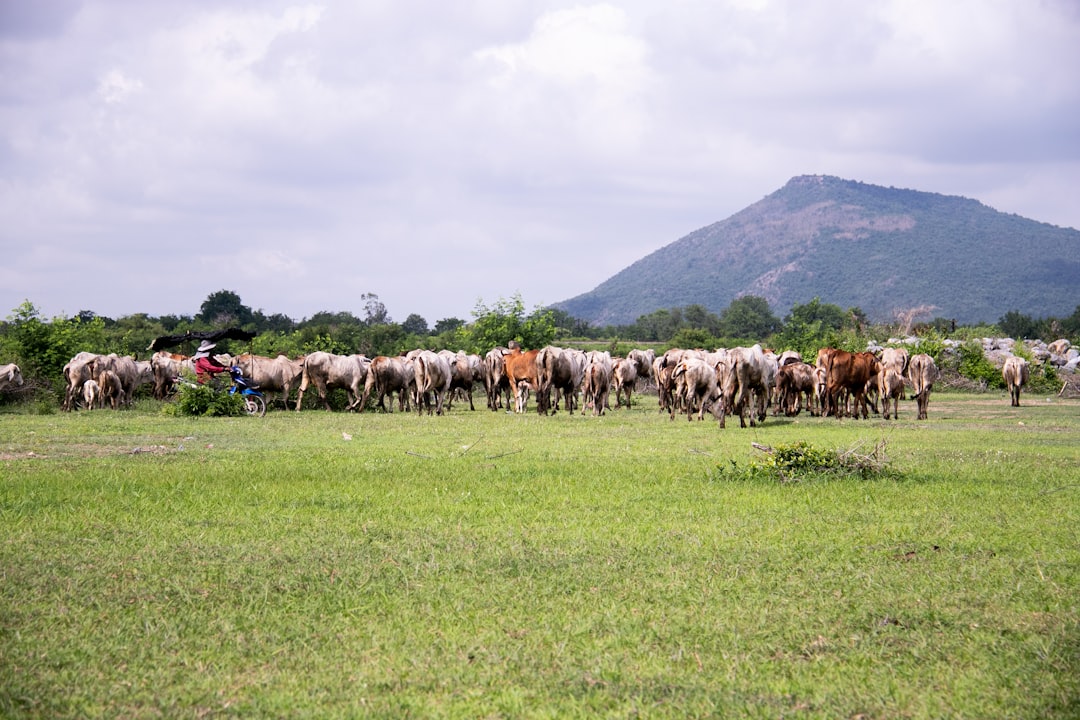
The sun-baked plains of Africa have long been a cradle of humanity, yielding clues to our distant past. Recent archaeological discoveries, however, have unearthed a remarkable and previously unacknowledged chapter of this history: the deliberate burial of cattle in prehistoric times. These meticulously arranged interments, found across various African landscapes, offer a profound glimpse into the complex relationship between early humans and their livestock, revealing insights into their spiritual beliefs, social structures, and economic practices. The sheer scale and sophistication of these cattle burials suggest they were far more than mere practicalities; they were imbued with deep cultural and symbolic meaning.
The domestication of cattle marked a monumental shift in human history. It provided a reliable source of food, milk, and labor, fundamentally altering human societies and their interactions with the environment. In prehistoric Africa, cattle appear to have ascended to a status far beyond that of mere utility. Their presence was interwoven with the very fabric of daily life, influencing migration patterns, settlement strategies, and, as these new discoveries indicate, spiritual practices. The skeletal remains of cattle found in burial contexts are not scattered randomly; they are often carefully positioned, sometimes alongside human remains, suggesting a profound reverence. This reverence hints at a worldview where cattle were not just possessions but integral members of the community, perhaps even possessing their own spiritual essence.
The Genesis of Domestication: A Timeline of Arrival
The journey of cattle to Africa is a fascinating story in itself. While wild cattle species roamed the continent, the domesticated breeds that became so central to African cultures were introduced from the Near East. This migration likely occurred in stages, with early pastoralist communities gradually spreading these valuable animals across the continent. The precise timing and routes of this introduction are subjects of ongoing research, but archaeological evidence suggests it began thousands of years ago, predating many of the well-known dynastic periods of Egypt.
Early Evidence of Pastoralism: A Shifting Landscape
Before the advent of sophisticated burial practices, the earliest indicators of cattle herding are found in the archaeological record through faunal assemblages – the bones and teeth of animals found at ancient settlements. These assemblages reveal a growing reliance on domesticated bovines, often alongside other livestock like sheep and goats. The distribution of these early pastoral sites provides a map of how cattle-rearing communities began to shape the African landscape.
The Spread of Innovations: Beyond Subsistence
The introduction of cattle domestication was not just about acquiring a new food source. It represented a technological and social innovation that facilitated new ways of life. Pastoralism allowed for greater mobility, enabling communities to follow grazing lands and water sources. This mobility, in turn, likely led to increased interaction and exchange between different groups, fostering the spread of cultural practices, including burial rituals.
Recent studies on prehistoric cattle burials in Africa have shed light on the cultural practices and societal structures of ancient communities. These burials not only reveal the significance of cattle in their daily lives but also provide insights into their beliefs and rituals surrounding death. For a deeper understanding of how ancient technologies influenced societal control and organization, you can explore the related article at Unearthing Ancient Control Technology. This piece delves into the technological advancements of the time and their impact on social hierarchies, offering a broader context for the study of prehistoric practices.
Unearthing the Sacred Bovines: The Archaeology of Cattle Burials
The recent discoveries of cattle burials are reshaping our understanding of prehistoric African societies. These are not simply discarded carcasses; they are deliberate and often elaborate interments. Archaeologists meticulously excavating these sites are piecing together a complex narrative of ritual and belief. The careful placement of the animals, the associated grave goods, and the context of the burials all provide crucial clues.
The Mechanics of Interment: Preparation and Placement
The act of burying a beloved or significant animal would have required considerable effort and planning. Evidence suggests that cattle were often killed specifically for these burials, or perhaps died of natural causes and were then chosen for ritual interment. The remains are frequently found in pits, sometimes lined with stones or other materials. The orientation of the animal’s skeleton can also be significant, hinting at symbolic meanings associated with specific directions or cardinal points.
Ritual Slaughter and Preparation: A Reverent Act
The process leading up to the burial itself likely involved rituals and ceremonies. The manner in which the animal was slaughtered, if it was a deliberate act, could have held symbolic importance. Were specific parts of the animal treated differently? Were there offerings made at the time of the killing or the burial? These are questions that researchers are actively investigating through detailed osteological analysis.
The Art of Grave Construction: Pits, Chambers, and Alignments
The construction of the burial site itself speaks volumes. The size and depth of the pits, the use of natural or quarried stones to line them, and the potential for creating more elaborate burial chambers all indicate a significant investment of time and labor. The alignment of these burials, whether with celestial bodies, natural landmarks, or other human graves, further underscores their ritualistic nature.
Grave Goods and Assemblages: Companions in the Afterlife
In many of these cattle burials, archaeologists have discovered associated artifacts. These grave goods can range from simple pottery shards to more elaborate items like beads, tools, and even, in some instances, human remains. The presence of these items alongside the cattle suggests that they were considered to be companions or participants in some form of afterlife or journey.
Pottery and Vessels: Nourishment for the Journey
The discovery of pottery within or around cattle burials is a common theme. These vessels may have contained offerings of food or drink, intended to sustain the animal on its journey to the next world or to honor it in its resting place. The style and decoration of these pots can also provide clues about the cultural affiliations of the burial community.
Tools and Personal Adornments: A Glimpse into Daily Life
The inclusion of tools, such as stone axes or scrapers, alongside cattle burials might suggest the animal was valued for its contribution to the community’s livelihood. Similarly, personal adornments like shell beads or bracelets could indicate a belief in the continuation of the individual identity of the animal, or its owner, even in death.
Human-Animal Commingling: A Deep Bond
Perhaps the most striking discoveries are those where cattle are buried alongside humans. This commingling of remains is particularly powerful, suggesting an exceptionally close relationship between humans and their cattle. It could reflect a belief in shared destinies, a profound respect for the animal’s contribution to the family or community, or even a belief that the cattle would accompany their human companions into the afterlife.
Interpretations and Theories: Decoding the Meaning Behind the Rituals
The interpretation of prehistoric cattle burials is an ongoing and complex process. Archaeologists, anthropologists, and historians employ a variety of theoretical frameworks to understand the motivations and beliefs that underpinned these practices. These theories often draw upon comparative ethnography, the study of contemporary or historically documented societies with similar practices, to shed light on the potential meanings behind the ancient rituals.
Symbolism and Spirituality: More Than Just Livestock
The elaborate nature of these burials points to a profound symbolic and spiritual significance attached to cattle. They were likely seen as more than just economic assets; they were revered beings, perhaps associated with fertility, prosperity, and even deities. The act of burial itself was a ritualistic acknowledgment of this status.
Fertility and Abundance: The Gift of the Bovine
Cattle are inherently linked to fertility and abundance, providing milk, meat, and the potential for procreation. Their burial could have been a ritualistic attempt to ensure the continued fertility of the herds and the land, or a way of thanking them for their gifts. The presence of female cattle in certain burials might further support this interpretation.
Social Status and Prestige: The Wealth of the Herd
In many pastoral societies, wealth is measured in terms of livestock. The burial of a prized bull or a significant number of cattle could have been a public display of social status and prestige, both for the deceased individual and for their lineage. Such burials would have served as markers of power and influence within the community.
Deities and Ancestors: The Divine Bovine
In some cultures, cattle are associated with divine beings or are considered to be intermediaries between the human and spirit worlds. The burial of cattle could have been a form of appeasement or veneration of these deities, or a way of honoring ancestral figures who were deeply connected to the herds.
Economic and Social Implications: The Role of Cattle in Society
Beyond their spiritual significance, cattle burials also illuminate the economic and social structures of prehistoric African societies. The investment in elaborate burials implies a level of surplus wealth and organized labor that was capable of undertaking such endeavors.
The Pastoral Economy: Foundation of Life
The development of a robust pastoral economy was a cornerstone of many prehistoric African societies. Cattle provided not only sustenance but also the means for trade and exchange. The careful management and herding of these animals would have been a central activity, shaping settlement patterns and community organization.
Community Cohesion and Identity: Shared Rituals
The communal act of burying cattle, especially in elaborate ceremonies, would have fostered a sense of shared identity and cohesion within a community. These rituals provided opportunities for social interaction, reinforcement of social bonds, and the transmission of cultural knowledge across generations.
Intergroup Relations: Alliances and Conflicts
The management and ownership of cattle could also have played a role in intergroup relations. Disputes over grazing lands or access to water could have led to conflict, while shared herds or reciprocal exchanges could have fostered alliances and cooperation between different communities. The patterns of cattle burials, in relation to other settlements, might offer clues to these dynamics.
Regional Variations and Case Studies: A Continent of Diverse Practices
The archaeological evidence for prehistoric cattle burials is not monolithic. Across the vast continent of Africa, different regions and cultures developed their own unique approaches to the interment of these significant animals. Examining these regional variations allows for a more nuanced understanding of the diversity of beliefs and practices.
The Horn of Africa: Ancient Traditions and Modern Echoes
The Horn of Africa, with its long history of pastoralism, offers particularly rich evidence of cattle burials. Societies in this region have, for millennia, placed immense cultural and economic value on their livestock. The traditions observed in some contemporary pastoralist communities in Ethiopia, Somalia, and Kenya sometimes echo these ancient practices, providing valuable comparative insights.
Neolithic Settlements and Early Pastoralists: Seeds of the Practice
Early Neolithic settlements in the Horn of Africa have yielded evidence of increasing reliance on domesticated cattle. The discovery of cattle bones in association with human settlements, and in some instances in designated burial areas, indicates the nascent stages of the practice. These early burials may have been less elaborate but still point to a growing reverence.
Oromo and Somali Pastoralism: Living Legacies
The Oromo and Somali peoples of the Horn of Africa have historically placed a high value on cattle. Their traditional practices, though evolving, sometimes include rituals and ceremonies that acknowledge the importance of cattle in their spiritual and social lives. While direct archaeological parallels are complex, comparative studies can offer valuable contextualization for ancient burials.
Southern Africa: Khoisan and Bantu Heritage
Southern Africa, with its diverse human history, also presents compelling examples of cattle burials. The interactions between indigenous Khoisan herders and later arriving Bantu-speaking pastoralists shaped the cultural landscape, and the role of cattle within these societies is evident in the archaeological record.
Khoisan Hunter-Gatherers and the Introduction of Livestock: A Gradual Integration
While many Khoisan groups were historically hunter-gatherers, some groups adopted pastoralism over time, integrating cattle into their economies and belief systems. The archaeological evidence for cattle burials among these communities can be complex, sometimes appearing as isolated events or within mixed hunting and herding contexts.
Bantu Migrations and Sophisticated Pastoralism: Elaborate Interments
The arrival of Bantu-speaking peoples in Southern Africa brought with it more established traditions of cattle herding and, consequently, more elaborate cattle burials. Evidence from sites associated with early Bantu cultures suggests a significant investment in the ritualistic interment of cattle, often in prominent locations within settlements.
East African Rift Valley: Crossroads of Culture
The East African Rift Valley, a region of immense archaeological importance, has also yielded significant cattle burial sites. This area served as a crossroads for various cultural groups, and the practices found here often reflect a synthesis of influences.
Maasai and Samburu Traditions: Cattle as Lifeblood
The Maasai and Samburu peoples of Kenya and Tanzania are renowned for their deep connection to cattle. Cattle are central to their social structure, economy, and spiritual beliefs. While modern burial practices may differ, the historical reverence for cattle in these communities provides a powerful lens through which to interpret ancient interments.
Early Agriculturalists and Pastoralists: The Interplay of Livelihoods
The Rift Valley region was home to both early agriculturalists and pastoralists. The archaeological record sometimes reveals a complex interplay between these two livelihoods, with cattle playing a significant role even in societies that also practiced agriculture. The burial practices found in these mixed economies can offer unique insights.
Recent discoveries regarding prehistoric cattle burials in Africa have shed light on ancient agricultural practices and cultural significance. These findings are crucial for understanding the relationship between early human societies and their livestock. For those interested in the broader implications of archaeological studies, an intriguing article discusses geological evidence from subglacial Antarctica, which may provide insights into climate changes that affected early human migrations and agricultural developments. You can read more about it in this related article.
The Future of Discovery: Unanswered Questions and Ongoing Research
| Location | Number of Burials | Time Period |
|---|---|---|
| Egypt | Over 100 | 5th millennium BCE |
| Sudan | Dozens | 6th millennium BCE |
| Libya | Several | 5th millennium BCE |
The ongoing discoveries of prehistoric cattle burials in Africa are not an endpoint but rather a starting point for further inquiry. Many questions remain unanswered, and future archaeological investigations promise to deepen our understanding of these fascinating practices. The development of new technologies and analytical techniques will undoubtedly play a crucial role in unlocking more secrets.
Technological Advancements: New Tools for Old Bones
Modern archaeological techniques are revolutionizing the study of ancient human practices. Advanced imaging technologies, such as ground-penetrating radar and LiDAR, can help identify potential burial sites without disruptive excavation. Sophisticated DNA analysis can reveal the origins of the cattle and their relationships to human populations, while isotopic analysis can shed light on their diet and geographical movements.
Isotopic Analysis: Tracing Diets and Journeys
Isotopic analysis of cattle bones can provide invaluable information about their diet, the types of vegetation they consumed, and the geographical areas where they grazed. This can help researchers understand herding practices, seasonal movements, and potential trade networks.
Paleogenomics: Unraveling Ancestry and Relationships
Paleogenomic studies, analyzing ancient DNA, are beginning to shed light on the domestication history of cattle and their migration patterns across Africa. Furthermore, it may be possible to explore the genetic relationships between buried cattle and associated human remains, offering insights into kinship and social structures.
Comparative Studies: Bridging the Gaps
Continued comparative studies with contemporary and historically documented pastoralist societies are essential for interpreting the symbolic and social meanings of cattle burials. By understanding the present, researchers can gain a richer appreciation for the past.
Ethnographic Parallels: Insights from Living Cultures
The study of living pastoralist communities provides crucial ethnographic parallels. Understanding their rituals, belief systems, and the social significance of cattle can offer valuable frameworks for interpreting the archaeological evidence from prehistoric sites.
Linguistic and Oral Histories: Voices from the Past
Where possible, incorporating linguistic evidence and oral histories can provide further context. While direct oral histories of prehistoric events are rare, understanding the evolution of language and the narratives passed down through generations can offer indirect insights into long-held beliefs and practices.
Unanswered Questions and Future Directions: The Horizon of Research
Despite the remarkable progress, many questions persist. What was the exact nature of the spiritual beliefs associated with these burials? How did these practices evolve over time and across different regions? What was the social organization required to undertake such complex interments? Future research will undoubtedly continue to explore these profound questions, further illuminating the rich and complex tapestry of prehistoric African life and the enduring significance of cattle within it. The deliberate burial of cattle in ancient Africa is a testament to a profound and enduring relationship, a practice that continues to offer invaluable insights into the human past.

260 Ancient Graves Were Hiding in This “Empty” Desert
FAQs
What is the significance of prehistoric cattle burials in Africa?
Prehistoric cattle burials in Africa provide valuable insights into the cultural and religious practices of ancient African societies. They also offer evidence of the close relationship between humans and cattle in early African civilizations.
Where have prehistoric cattle burials been discovered in Africa?
Prehistoric cattle burials have been discovered in various regions of Africa, including the Sahara desert, the Nile Valley, and the Horn of Africa. These burial sites provide evidence of the widespread practice of cattle burials in ancient African societies.
What do prehistoric cattle burials tell us about ancient African societies?
Prehistoric cattle burials suggest that cattle held significant cultural and religious importance in ancient African societies. The presence of elaborate burial rituals and grave goods in these sites indicates the high regard in which cattle were held by these early civilizations.
How are prehistoric cattle burials studied by archaeologists?
Archaeologists study prehistoric cattle burials through a combination of excavation, analysis of skeletal remains, and examination of associated artifacts. By studying these burials, archaeologists can gain insights into the social, economic, and religious aspects of ancient African societies.
What can we learn from prehistoric cattle burials in Africa?
Studying prehistoric cattle burials in Africa can provide valuable information about the domestication of cattle, the development of early agricultural practices, and the cultural and religious beliefs of ancient African societies. These burials also contribute to our understanding of the complex relationships between humans and animals in prehistoric Africa.