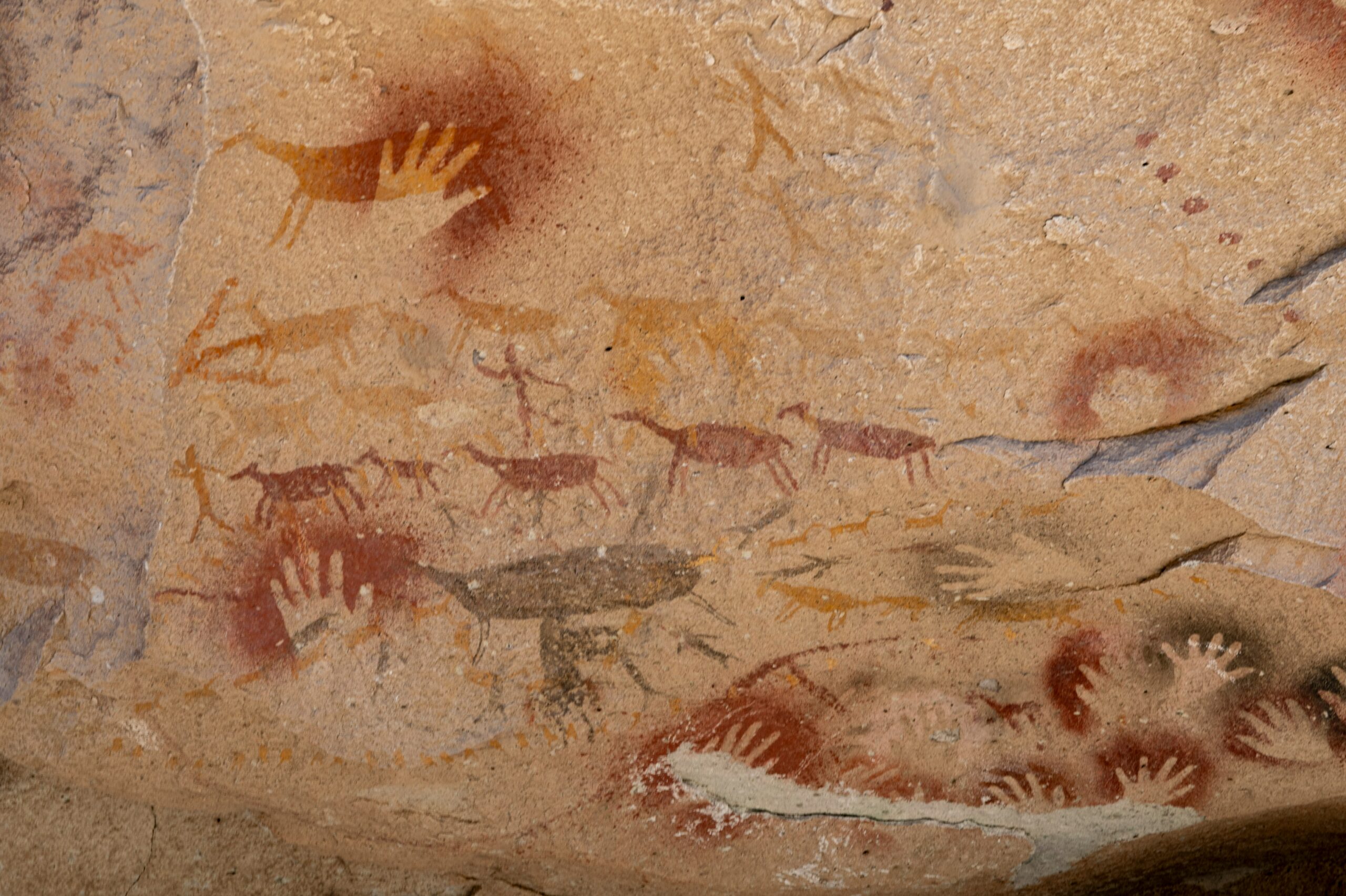
The flicker of ancient torchlight, casting dancing shadows upon rough stone walls, is a vision that has captivated humanity for millennia. Prehistoric cave art, found in diverse locations across the globe, represents one of our earliest and most profound attempts to communicate, to record, and to understand our world. Beyond the immediate impact of these striking images—the magnificent bison, the graceful deer, the enigmatic human figures—lies a deeper, more nuanced interpretation. These artworks are not merely decorative; they are imbued with the power of landscape memory, offering a window into how our ancestors perceived, interacted with, and were shaped by the environments they inhabited. The landscapes themselves, in their raw and untamed forms, served as both the canvas and the muse for these ancient artists, embedding their creations within a rich tapestry of ecological knowledge and ancestral connection.
Echoes in the Stone: The Landscape as Canvas and Context
The very act of creating art within caves suggests a deliberate engagement with a specific type of landscape: the subterranean, the hidden, the liminal. These were not casual spaces; they were often integrated into the wider ecological systems that sustained prehistoric communities. Rivers, forests, hunting grounds, and sources of water all played crucial roles in daily life, and it is within these familiar territories that the most significant cave art sites are frequently found. The proximity of cave art to natural resources—flint for toolmaking, ochre for pigments, water sources—further emphasizes the intrinsic link between the art and its environmental context. The landscapes were not just backdrops; they were active participants in the artistic process, providing the raw materials and influencing the thematic content of the artwork.
The Geography of Creation: Sites and Their Significance
The geographical distribution of major cave art sites is not random. They tend to cluster in regions with specific geological features: limestone karst landscapes with extensive cave networks, or areas rich in mineral deposits that provided the vibrant pigments. The caves themselves, with their labyrinthine passages, echoing chambers, and unique acoustic properties, offered a distinct spatial experience. This environment, far removed from the open sky and familiar diurnal rhythms, likely held spiritual or ceremonial significance. The act of entering these deep, dark spaces to create art suggests a purposeful immersion in a world apart, a space where the ordinary rules of perception might have been suspended, allowing for a different kind of vision and expression. The very darkness of the caves, punctuated only by the hesitant glow of fire, would have amplified the visual impact of the painted images, imbuing them with an almost supernatural presence. This deliberate choice of location, therefore, speaks volumes about the perceived power and symbolic resonance of these subterranean realms within the broader landscape.
Raw Materials of Revelation: Pigments and Their Origins
The pigments used in prehistoric cave art are inextricably linked to the immediate geological environment. Ochres, in their myriad shades of red, yellow, and brown, are derived from iron-rich clays and sediments. Manganese oxides provided blacks and dark greys. These minerals were not simply scavenged; their extraction likely involved a sophisticated understanding of local geology. The search for these coloring agents would have led early humans to specific outcrops, riverbeds, and even cave walls where these deposits could be found. The process of preparing these pigments—grinding them into fine powders and mixing them with binders like animal fat, blood, or plant juices—also points to a deep, practical knowledge of the natural world. The very color palette of the art, therefore, is a direct reflection of the mineral wealth of the surrounding landscape, a tangible connection between the earth beneath their feet and the images they rendered on the walls.
Prehistoric cave art serves as a fascinating window into the minds of our ancient ancestors, revealing not only their artistic expressions but also their deep connections to the landscapes they inhabited. An intriguing exploration of this theme can be found in the article on ancient cartography, which discusses how early humans mapped their environments through both art and memory. This connection between landscape and memory is essential for understanding the cultural significance of cave paintings. For more insights on this topic, you can read the article here: Uncovering Ancient Cartography: Forbidden Knowledge.
Whispers of the Wild: Animal Depictions and Ecological Memory
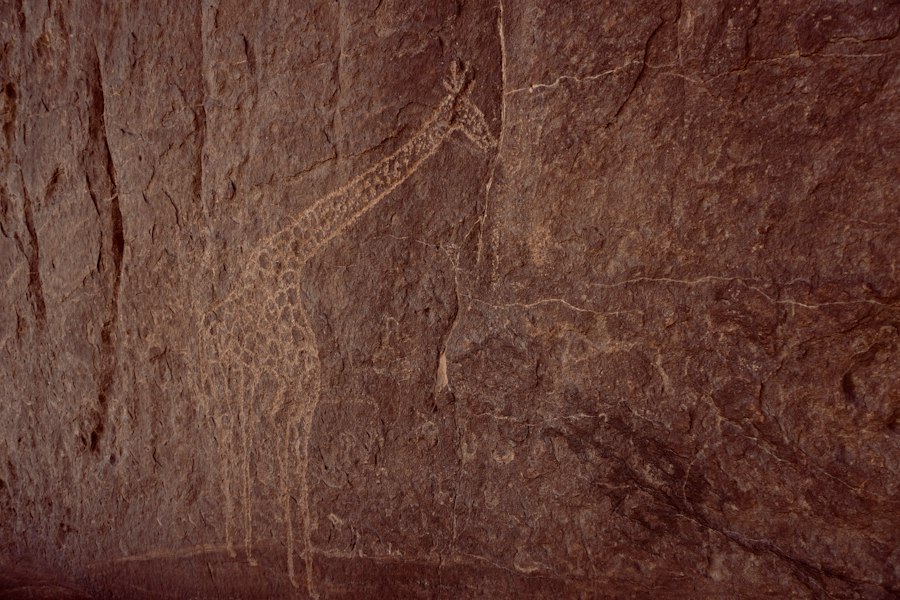
The overwhelming majority of prehistoric cave art features animals, often depicted with remarkable naturalism and dynamism. These are not generic beasts; they are specific species that inhabited the landscapes of the time, forming the backbone of prehistoric subsistence strategies. The detailed rendering of their anatomy, their movement, and their behaviors suggests a profound level of observation and an intimate knowledge of the natural world. These depictions are more than just artistic representations; they are repositories of ecological memory, containing information about animal populations, their migration patterns, their interactions with each other, and their role within the wider ecosystem.
The Hunt and the Heard: Animals as Sustenance and Symbol
For prehistoric humans, animals were not merely subjects for art; they were the source of their sustenance, their clothing, and their tools. The successful hunt was a critical event, dependent on a deep understanding of animal behavior, habitat, and vulnerability. The cave paintings often capture moments of action—a charging bison, a fleeing deer—suggesting that the art may have been linked to the rituals and practices surrounding the hunt. Some theories propose that the paintings served as a form of sympathetic magic, intended to ensure a successful hunt by capturing the essence of the prey. Alternatively, they may have served as teaching tools, passing down essential knowledge about animal identification and hunting techniques to younger generations. The repetition of certain animal figures in specific contexts might also indicate the establishment of totemic relationships or the attribution of symbolic meanings to particular species, reflecting a complex spiritual and cultural relationship with the animal kingdom.
Seasonal Cycles and Migratory Routes: Tracking the Natural World
The presence of certain animal species in cave art might also reflect an awareness of seasonal changes and migratory patterns. The appearance of animals associated with particular times of the year, such as migratory birds or animals that become more visible during specific seasons, could indicate that the art was created or viewed in sync with these natural cycles. Furthermore, the geographical distribution of cave art sites in relation to known animal migration routes suggests that the art may have served to mark these important pathways or to commemorate significant events in the annual migration calendar. This deep understanding of the rhythms of the natural world, embedded within the art, showcases a sophisticated form of ecological memory, where the movements of animals and the changing seasons were integral to the worldview of prehistoric peoples.
Imprints of the Human Spirit: Abstract Forms and Symbolic Language

While animals dominate the prehistoric canvas, human figures and abstract symbols also feature prominently in cave art, offering glimpses into the social and cognitive lives of our ancestors. These elements, though often less detailed than their animal counterparts, are equally significant in understanding the human relationship with landscape and memory. They speak to a burgeoning capacity for abstract thought, symbolic representation, and the development of complex social structures.
The Human Form in Context: Identity and Representation
Depictions of human figures are more varied and often more enigmatic than those of animals. Sometimes they appear alongside animals, suggesting interactions or participation in hunting scenes. Other times, they are depicted in stylized forms, adorned with what appear to be headdresses or body paint, hinting at rituals, social roles, or shamanic practices. The absence of individual portraits, and the often generalized representation of the human form, suggests that these figures may represent archetypes, lineages, or collective identities rather than specific individuals. Their integration into the cave environment, often in challenging or inaccessible locations, implies a deliberate act of imbuing these spaces with human presence and cultural meaning, transforming them from natural formations into extensions of human social and spiritual landscapes.
Beyond the Obvious: Geometric Patterns and Their Meaning
Abstract symbols, such as dots, lines, parallel strokes, and geometric shapes, are a significant and often perplexing component of cave art. These forms lack the immediate representational clarity of animal figures, leading to a wide range of interpretations. Some scholars suggest they represent early forms of writing or notation, perhaps recording astronomical events, calendrical information, or even mapping elements of the landscape. Others propose they are symbolic representations of shamanic journeys, altered states of consciousness, or spiritual concepts. Regardless of their precise meaning, the presence of these abstract elements indicates a capacity for symbolic thought that extends beyond the direct depiction of the observable world. They suggest an attempt to codify abstract ideas, to create a visual language that could communicate complex concepts and shared knowledge, further demonstrating the deep cognitive engagement with their environment and the development of abstract landscape memory.
The Genesis of Place: Caves as Anchors of Cultural Identity
The caves themselves, as the physical locations for this ancient art, were more than just shelters or geological features; they were integral to the formation of place and the anchoring of cultural identity. The repeated use of specific caves over generations, evidenced by superimposition of artworks and the accumulation of artifacts, suggests that these sites held profound and enduring significance for prehistoric communities. They became mnemonic devices, loci of shared history, and focal points for social cohesion.
Sacred Spaces and Ancestral Connections: Caves as Sanctuaries
The choice of caves as canvases suggests a perception of these spaces as sacred or imbued with special power. Their darkness, their silence, and their isolation from the everyday world would have lent them an aura of mystery and reverence. It is plausible that these caves served as sanctuaries for ceremonies, rituals, and initiations, where the art played a vital role in transmitting knowledge, reinforcing social bonds, and connecting the community to their ancestors and the spiritual realm. The act of creating and viewing art within these enclosed environments would have fostered a powerful sense of collective identity, linking individuals to a shared history and a common sense of belonging within their ancestral territories. The act of venturing into these deep recesses to create and contemplate the art would have been a profound act of engagement with the very essence of their homeland.
The Persistence of Memory: Art as a Legacy for Future Generations
The enduring nature of cave art, preserved for tens of thousands of years, speaks to its intended longevity and its role as a legacy for future generations. These artworks were not ephemeral expressions; they were intended to endure, to communicate across time, and to ensure the transmission of crucial cultural knowledge. The paintings served as a continuous narrative, a visual chronicle of the past that informed the present and shaped the future. By embedding their stories, their beliefs, and their understanding of the world into the very fabric of the earth, prehistoric artists created a form of landscape memory that transcended individual lifespans. This enduring legacy ensured that the connection to the land, the ancestral knowledge, and the cultural identity would persist, even as the individuals who created the art passed into the dust. The very walls of the caves became an archive, a testament to the power of human creativity and the deep, abiding relationship between people and their environment.
Prehistoric cave art serves as a fascinating window into the minds of our ancient ancestors, revealing not only their artistic expressions but also their deep connections to the landscapes they inhabited. This relationship between art and memory is explored in various studies, including a compelling article that delves into the mysteries of ancient structures and their significance in understanding human history. For those interested in how landscapes influence cultural memory, the article on the Baalbek stone block mystery offers intriguing insights into the monumental achievements of prehistoric societies. You can read more about it here.
The Enduring Resonance: Landscape Memory in the Modern World
| Metric | Description | Example/Value | Significance |
|---|---|---|---|
| Age of Cave Art | Estimated time period when the art was created | Up to 40,000 years ago (e.g., Chauvet Cave) | Indicates early human symbolic behavior and cognitive development |
| Number of Known Sites | Total prehistoric cave art sites discovered worldwide | Over 350 sites | Shows widespread cultural practice and importance of art in prehistoric societies |
| Common Motifs | Frequent subjects depicted in cave art | Animals (bison, horses, deer), hand stencils, abstract signs | Reflects environment, hunting practices, and symbolic communication |
| Landscape Memory | Use of natural landmarks in oral and visual traditions to encode spatial knowledge | Rock formations, river courses, mountain outlines | Helps in navigation, territorial claims, and cultural identity |
| Techniques Used | Methods employed to create cave art | Engraving, painting with ochre and charcoal, finger tracing | Demonstrates technological skills and resource use |
| Preservation Conditions | Environmental factors aiding the survival of cave art | Stable temperature, low humidity, limited light exposure | Critical for maintaining art integrity over millennia |
| Interpretation Challenges | Issues faced in understanding the meaning of cave art | Symbol ambiguity, lack of written records | Limits definitive conclusions about prehistoric cognition and culture |
While separated by vast gulfs of time and culture, the power of landscape memory, as exemplified by prehistoric cave art, continues to resonate in the modern world. Our own relationships with the environments we inhabit are deeply shaped by historical, cultural, and personal experiences. Understanding the ways in which ancient peoples encoded their memories and their perceptions of landscape within their art offers valuable insights into the enduring human need to connect with, understand, and leave a mark upon the world around us.
Reconnecting with the Natural Narrative: Lessons from the Past
The study of prehistoric cave art compels us to re-examine our own relationship with the natural world. In an era of increasing urbanization and detachment from direct ecological engagement, these ancient artworks serve as a poignant reminder of the deep, symbiotic relationship that once existed, and that still has the potential to exist, between humans and their environments. By appreciating the way our ancestors integrated their lives, their beliefs, and their artistic expressions within the landscapes they inhabited, we can begin to foster a renewed sense of connection and responsibility towards our own natural heritage. The profound understanding of animal behavior, the awareness of seasonal cycles, and the reverence for sacred spaces that are implicitly conveyed through cave art offer valuable lessons for a world grappling with environmental challenges and the need for a more sustainable and harmonious coexistence with nature. The echoes in the stone serve as a powerful call to remember our place within the grander ecological tapestry.

Life 20,000 Years Ago: How Humans Survived the Ice Age
FAQs
What is prehistoric cave art?
Prehistoric cave art refers to the paintings, drawings, and engravings found on cave walls and ceilings that were created by ancient humans thousands of years ago.
Where can prehistoric cave art be found?
Prehistoric cave art can be found in various locations around the world, with some of the most famous examples being in caves in France, Spain, Indonesia, and Australia.
What themes are commonly depicted in prehistoric cave art?
Common themes depicted in prehistoric cave art include animals, hunting scenes, human figures, geometric shapes, and symbols that likely held cultural or spiritual significance to the ancient artists.
How did prehistoric humans create cave art?
Prehistoric humans created cave art using various techniques such as painting with fingers, brushes made from animal hair, and natural pigments like charcoal and ochre. They also used techniques like blowing pigment through hollow bones to create stenciled handprints.
What can prehistoric cave art tell us about ancient cultures?
Studying prehistoric cave art can provide insights into the beliefs, practices, daily life, and artistic abilities of ancient cultures. It can also help researchers understand how these early humans interacted with their environment and expressed themselves creatively.